
Are you ready to transform your fitness routine with the intensity and precision of an MMA fighter? If you’ve ever wondered how elite athletes like Tim Kennedy maintain peak physical condition, you’re in for a treat.
The “Tim Kennedy MMA Workout” is not just another exercise plan; it’s a gateway to unlocking your ultimate strength, agility, and endurance. Imagine harnessing the same workout strategies that have propelled Kennedy to the top of the MMA world. By diving into this workout regimen, you’re not just working out—you’re stepping into the shoes of a warrior.
Curious to see how this can redefine your fitness journey? Keep reading to discover the secrets behind Tim Kennedy’s powerhouse training regimen.
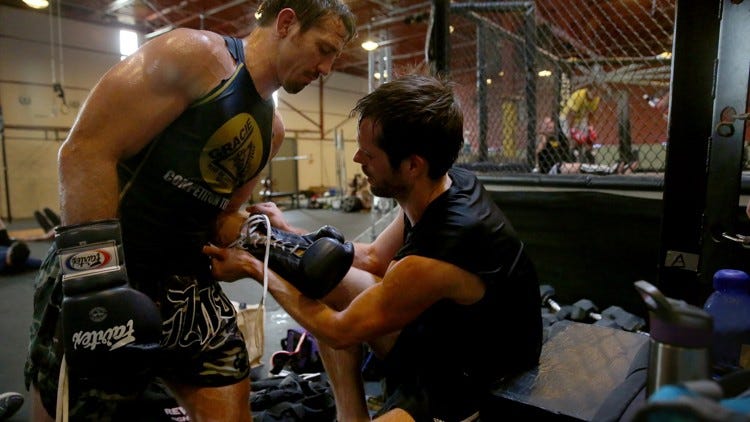
Credit: www.statesman.com
Tim Kennedy’s Training Philosophy
Tim Kennedy’s training philosophy blends physical power with mental strength. His approach targets the whole fighter, not just muscles or skills. Training is smart, balanced, and practical. It prepares the body and mind for real challenges inside the cage.
Balancing Strength And Conditioning
Tim focuses on building strong muscles and high endurance. Strength training boosts power for strikes and grappling. Conditioning workouts improve stamina and speed. Both are key for lasting through tough fights. He mixes heavy lifts with cardio and explosive moves. This balance keeps the body ready and injury-free.
Mental Toughness In Training
Training the mind is as important as training the body. Tim uses tough drills to build focus and willpower. He trains under pressure and fatigue to simulate fight stress. Mental toughness helps fighters stay calm and sharp. It pushes them to keep going when tired or hurt.
Incorporating Functional Movements
Tim’s workouts include movements that mimic fight actions. Functional exercises improve balance, coordination, and flexibility. They train muscles to work together naturally. This helps in striking, defending, and grappling. Tim avoids isolated exercises that don’t transfer to fighting. His functional approach builds practical strength for the cage.

Credit: www.mmamania.com
Key Components Of Kennedy’s Workout
Tim Kennedy’s MMA workout is built on a solid foundation of diverse training elements. Each part of his routine is designed to sharpen different aspects of your fighting ability. Understanding these key components will help you shape your own workout to be more effective and balanced.
Strength Training Techniques
Kennedy uses strength training to build power without sacrificing speed. His workouts often include compound lifts like deadlifts and squats, which engage multiple muscle groups at once.
He also focuses on functional strength by adding kettlebell swings and bodyweight exercises. This helps you generate explosive power during fights, not just raw muscle size.
Have you thought about how your strength training translates into actual fight performance? Kennedy’s approach shows that strength must be practical, not just heavy.
Cardio And Endurance Workouts
Endurance is a top priority in Kennedy’s training. He mixes steady-state cardio like running with high-intensity interval training (HIIT) to improve both aerobic and anaerobic capacity.
Swimming and cycling sometimes appear in his routine, offering low-impact ways to recover while still building stamina. This variety keeps your body adapting and avoids burnout.
How long can you maintain your best performance? Kennedy’s blend of cardio workouts pushes your limits so you can outlast opponents in the cage.
Skill Drills And Sparring
Skill drills are the heart of Kennedy’s MMA preparation. He drills striking, grappling, and transitions repeatedly to build muscle memory and precision.
Sparring sessions then put those skills to the test under realistic pressure. Kennedy treats sparring as a way to identify weaknesses, not just to practice offense.
Are you training smart enough to improve under stress? Kennedy’s routine proves that consistent skill work combined with tough sparring is what sharpens a fighter’s edge.
Essential Exercises For Fighters
Every fighter knows that success inside the cage starts with a strong foundation. Tim Kennedy’s MMA workout highlights exercises that build that foundation by focusing on strength, speed, and control. These essential exercises push your limits and sharpen your fighting edge.
Compound Lifts For Power
Compound lifts like squats, deadlifts, and bench presses are the backbone of Tim Kennedy’s training. These moves engage multiple muscle groups at once, helping you generate raw power needed for explosive strikes and grappling. Have you noticed how a strong deadlift translates into more force behind your takedown?
Adding heavy compound lifts to your routine improves not only your strength but also your endurance during long fights. Tim’s approach emphasizes consistent progression—lifting heavier safely over time to keep your power growing steadily.
Plyometrics For Explosiveness
Quick, explosive movements separate average fighters from elite performers. Tim Kennedy uses plyometric exercises like box jumps, clap push-ups, and medicine ball slams to train fast-twitch muscle fibers. These exercises help you explode off the ground and deliver sudden, powerful attacks.
By training plyometrics, you improve your reaction time and agility. Ask yourself: Are your strikes as fast as your opponent’s? Adding these drills will make your movements sharper and your counters quicker.
Core Stability And Mobility
A strong and flexible core is crucial for balance, power transfer, and injury prevention. Tim Kennedy focuses on exercises like planks, Russian twists, and dynamic hip stretches to build core stability and improve mobility. This allows you to maintain control during clinches and transitions.
Don’t underestimate how much a mobile core can enhance your overall performance. When your core is solid, your body moves as one unit, making your attacks more efficient and your defense harder to break.
Sample Weekly Training Schedule
Creating a balanced weekly training schedule is crucial for anyone looking to train like Tim Kennedy. His approach blends intense workouts with smart recovery to keep performance high and injury risk low. Below is a sample schedule that mirrors his MMA workout style, giving you a practical framework to follow or adapt.
Strength And Conditioning Days
These sessions build your power, endurance, and overall athleticism. Expect exercises like deadlifts, squats, and kettlebell swings, combined with explosive movements such as sprints or plyometrics.
- Start with compound lifts to activate multiple muscle groups.
- Add high-intensity interval training (HIIT) for cardiovascular conditioning.
- Finish with core strengthening to improve balance and stability.
Think about how you can push your limits safely during these workouts. How often do you challenge your body to adapt and grow stronger?
Technical Skill Sessions
Focus on refining your fighting techniques on these days. Drilling striking, grappling, and submission moves sharpens your timing and precision.
- Spend time shadowboxing to perfect form and footwork.
- Partner drills help simulate real fight scenarios.
- Use video analysis to spot areas for improvement.
Are you dedicating enough attention to the skills that could make the difference in a fight? Consistency here often separates good fighters from great ones.
Recovery And Rest Strategies
Recovery is not a break from progress; it’s an essential part of it. Tim emphasizes active recovery methods like light swimming or yoga to maintain flexibility and reduce soreness.
- Schedule at least one full rest day to let your body heal.
- Incorporate foam rolling and stretching to prevent tight muscles.
- Prioritize sleep quality to boost mental and physical recovery.
How well are you listening to your body’s signals? Ignoring recovery can lead to burnout and setbacks, which no one wants in a demanding sport like MMA.
Nutrition And Recovery Tips
Proper nutrition and recovery are vital for Tim Kennedy’s MMA workout success. These elements boost energy, support muscle growth, and reduce injury risks. Following the right diet and rest routines helps fighters stay sharp and powerful during training and fights.
Fueling For Performance
Eating the right foods improves strength and endurance. Prioritize lean proteins like chicken, fish, and eggs to build muscle. Include complex carbs such as brown rice, oats, and sweet potatoes for lasting energy. Healthy fats from nuts and avocados support brain function and joint health. Balance meals with vegetables to get vitamins and minerals needed for recovery.
Hydration Strategies
Water intake is crucial for MMA training. Drink water throughout the day to keep muscles hydrated. Before workouts, consume fluids to prevent cramps and fatigue. After training, replenish lost fluids with water or electrolyte drinks. Avoid sugary drinks that can dehydrate and reduce performance.
Sleep And Muscle Recovery
Sleep helps the body heal and grow stronger. Aim for 7 to 9 hours of quality sleep each night. Deep sleep phases repair muscle tissues and restore energy. Establish a bedtime routine to improve sleep quality. Avoid screens and heavy meals before sleeping to fall asleep faster.
Adapting Workouts For Different Fighters
Tim Kennedy’s MMA workout is known for its intensity and focus on functional strength, but every fighter has different needs. Adapting these workouts ensures you get the most from your training, whether you’re just starting out or pushing towards elite levels. Understanding how to adjust exercises can prevent burnout and injuries while improving your overall performance.
Training For Beginners
If you’re new to MMA training, starting with basic movements is key. Tim Kennedy’s routines emphasize building a strong foundation with bodyweight exercises, light weights, and focused skill drills.
- Begin with shorter sessions focused on technique and conditioning.
- Use lower weights to avoid strain and allow your muscles to adapt.
- Practice movement patterns slowly to build muscle memory.
Ask yourself: Are you focusing more on form or on pushing through pain? Form always wins in the early stages.
Advanced Fighter Modifications
Once your body is ready, you can increase the intensity like Tim Kennedy does with his elite training. This means adding weight, increasing reps, and working on explosive power.
- Incorporate complex lifts like cleans and snatches for power.
- Use high-intensity interval training to boost endurance and speed.
- Include sparring sessions that simulate real fight scenarios.
Think about what specific skills you need to sharpen for your next fight, and tailor your workouts accordingly.
Injury Prevention And Management
Injuries can sideline your progress if you’re not careful. Tim Kennedy stresses the importance of listening to your body and adjusting workouts when necessary.
- Warm up thoroughly to prepare muscles and joints for training.
- Add mobility drills and stretching to your routine.
- Modify or skip exercises that cause pain or discomfort.
Have you noticed recurring aches during training? Address them early to avoid longer breaks. Your workout should challenge you, not break you.

Credit: mymmanews.com
Frequently Asked Questions
What Does Tim Kennedy’s Mma Workout Include?
Tim Kennedy’s MMA workout includes strength training, cardio, and skill drills. It focuses on functional fitness, endurance, and fight techniques for well-rounded performance.
How Often Does Tim Kennedy Train For Mma?
Tim Kennedy trains six days a week, balancing intense workouts with recovery. His routine combines gym sessions, sparring, and tactical drills to maintain peak condition.
What Makes Tim Kennedy’s Mma Workout Effective?
His workout is effective due to its mix of strength, conditioning, and fight-specific skills. It builds power, stamina, and agility crucial for MMA competition.
Can Beginners Follow Tim Kennedy’s Mma Workout?
Beginners can adapt Tim Kennedy’s workout by starting with lighter intensity. Focus on mastering fundamentals before progressing to advanced drills and heavier training.
Conclusion
Tim Kennedy’s MMA workout shows strong training and focus. It builds strength, speed, and skill step by step. Following his routine can help improve fitness and fighting ability. Training hard and staying consistent is key to success. Try to add variety and keep your body challenged.
Remember, progress takes time and patience. This workout suits both beginners and advanced fighters. Start slow, stay safe, and push yourself each day. Your effort will pay off with better results. Keep training smart and enjoy the journey.







