
Imagine diving into a pool with a plan that not only invigorates your body but also refreshes your mind. A swimming workout routine can be your secret weapon for achieving peak fitness while having fun.
Whether you’re aiming to enhance your stamina, tone your muscles, or simply enjoy a stress-free workout, swimming offers it all. This isn’t just about laps; it’s about crafting a routine that fits your needs and keeps you motivated. Ready to discover how you can transform your swim sessions into powerful workouts?
Dive deeper into this article and unlock the benefits of a well-structured swimming workout routine tailored just for you!
Benefits Of Swimming Workouts
Swimming workouts offer a wide range of benefits that go beyond just building strength or endurance. They engage your entire body, protect your joints, and can even help you move more freely in daily life. If you want a workout that keeps you feeling strong and flexible, swimming might be exactly what you need.
Full-body Conditioning
Swimming works almost every muscle group in your body. Your arms, legs, core, and back all get involved to keep you moving smoothly through the water.
Unlike many other workouts that focus on isolated muscles, swimming challenges your body to work as a coordinated whole. You might notice your posture improving and your muscles feeling more balanced after just a few weeks.
Low-impact Cardio
One of the best things about swimming is that it’s gentle on your joints. The water supports your body, reducing stress on knees, hips, and ankles.
This makes swimming an excellent choice if you’re recovering from an injury or simply want a cardio workout without the harsh impact of running or jumping. Plus, it still raises your heart rate and boosts your endurance effectively.
Improved Flexibility
Swimming helps you move through a full range of motion, which can increase your overall flexibility. Each stroke stretches your muscles and joints in different ways.
Regular swimmers often find they have less stiffness and more freedom to move. How often do you take time to stretch your whole body? Swimming might be an enjoyable way to add that into your routine without even thinking about it.
Credit: www.lemon8-app.com
Essential Swimming Techniques
Mastering essential swimming techniques is key to improving your workout routine. Each stroke has unique movements that can boost your efficiency and reduce fatigue. Focusing on these basics helps you swim smarter, not just harder.
Freestyle Basics
Freestyle is the fastest stroke, but only if your technique is solid. Keep your body flat and streamlined, with your face in the water and eyes looking down. Your arms should enter the water fingertips first, pulling in an S-shape to maximize propulsion.
Breathing rhythm matters a lot here. Try breathing every three strokes to balance both sides and avoid neck strain. Have you noticed how a steady breathing pattern keeps you calm and helps maintain speed?
Breaststroke Tips
Breaststroke feels natural but demands precise timing. Your arms pull wide and then sweep inward, while your legs perform a frog kick. Syncing these movements ensures smooth forward momentum without wasting energy.
Make sure your head rises only enough to breathe, then quickly returns underwater. This saves you from unnecessary drag. Have you ever felt like you’re working too hard? Adjusting your glide phase can make a big difference.
Backstroke Form
Backstroke requires a relaxed and steady rhythm. Keep your body flat on the water with a slight hip rotation as your arms alternate overhead. Your hands should enter the water pinky first to reduce resistance.
Leg kicks must be continuous and light, not too deep. A strong, consistent kick maintains balance and speed. Try focusing on a smooth, rhythmic kick—does your pace feel more controlled when you do?
Butterfly Movements
Butterfly is challenging but rewarding with the right technique. Both arms move together, pulling through the water in a keyhole shape, while your body undulates in a wave-like motion. Timing your dolphin kick with your arm pulls is essential to avoid burnout.
Keep your head low, lifting it only to breathe quickly. This minimizes drag and keeps your momentum. Have you experimented with shorter breaths to sustain your energy longer?
Building Your Workout Plan
Building a swimming workout plan takes more than just jumping into the pool. It requires careful thought about your goals, the time you have, and how hard you push yourself. A well-structured plan keeps you motivated and helps you avoid burnout or injury.
Setting Goals
Before you start swimming laps, decide what you want to achieve. Are you training for a race, improving your fitness, or just learning to swim better? Clear goals help you design workouts that match your needs.
For example, if your goal is endurance, focus on longer swims at a steady pace. If speed is your target, shorter, faster intervals work better. Ask yourself: What outcome will keep me excited to swim regularly?
Choosing Workout Length
How much time can you realistically spend in the pool? Your workout length should fit your schedule without feeling like a chore. Even 20 to 30 minutes can be effective if you swim smart.
Begin with shorter sessions and add time as your fitness improves. Remember, quality beats quantity. A focused 30-minute session with varied strokes and drills often beats an hour of slow swimming.
Balancing Intensity And Recovery
Pushing yourself too hard every time leads to fatigue and poor results. Your plan should mix hard efforts with easy swims or rest days. This balance helps your body recover and grow stronger.
Try interval training with bursts of speed followed by easy swimming to catch your breath. Listen to your body—if you feel overly tired, scale back. How will you know when to push or pull back?
Warm-up And Cool-down Routines
Warm-up and cool-down routines are essential parts of any swimming workout. They prepare your body for intense exercise and help it recover afterward. Skipping these steps can increase your risk of injury and reduce your overall performance in the pool.
Dynamic Stretching
Start your session with dynamic stretching to get your muscles ready for swimming. Move your arms in controlled circles and swing your legs gently to loosen up your joints. This type of stretching boosts blood flow and improves your range of motion.
Try arm swings, torso twists, and leg kicks before jumping into the water. These movements mimic swimming motions, activating muscles you’ll use during your workout. How often do you spend time warming up like this before swimming?
Easy Swim Sets
After stretching, ease into your workout with easy swim sets. Swim at a relaxed pace using simple strokes like freestyle or backstroke. These sets help your body adjust to the water temperature and gradually increase your heart rate.
Start with 5-10 minutes of easy swimming, focusing on smooth, controlled movements. This approach reduces muscle stiffness and primes your lungs for deeper breathing during intense sets. Have you noticed how a gentle swim changes your energy levels before a hard workout?
Post-swim Stretching
Once you finish your main workout, take time for post-swim stretching. This helps relax tight muscles and improve flexibility. Hold each stretch for 20-30 seconds without bouncing to avoid injury.
Focus on shoulders, calves, and lower back—the areas most stressed during swimming. Stretching after your swim can reduce soreness and speed up recovery. What stretches have you found most helpful after leaving the pool?
Sample Swimming Workouts
Swimming workouts vary by skill level and fitness goals. Sample routines help structure your training. They build endurance, strength, and technique over time.
Each routine suits different experience levels. Beginners focus on basic strokes and short distances. Intermediate swimmers increase intensity and mix strokes. Advanced routines challenge speed and stamina with complex sets.
Beginner Routine
- Warm-up: 100 meters easy freestyle
- Main set: 4 x 50 meters freestyle with 30 seconds rest
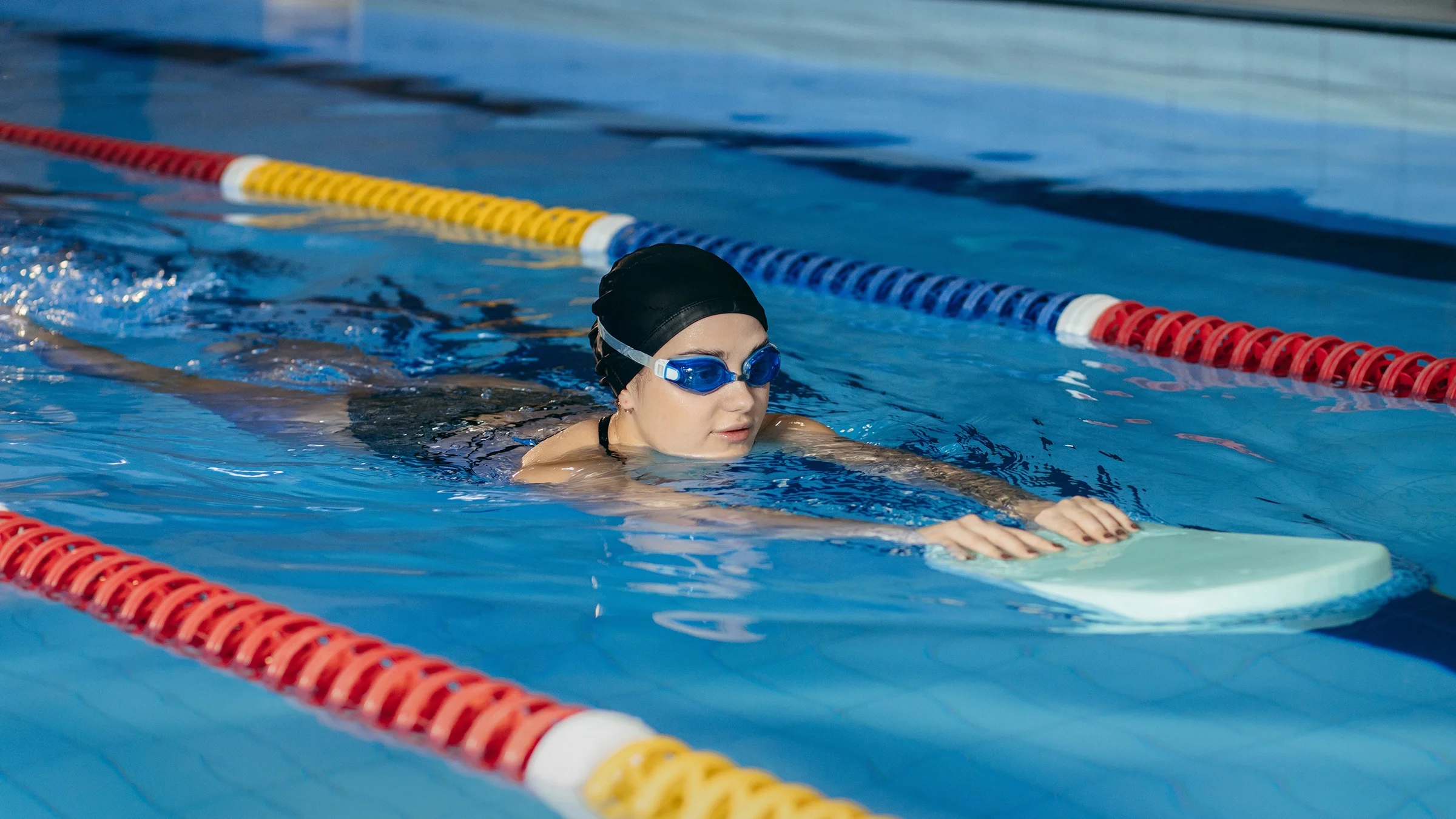
- Kick set: 4 x 25 meters flutter kick with a kickboard
- Cool down: 100 meters slow backstroke
Intermediate Routine
- Warm-up: 200 meters mixed strokes
- Main set: 6 x 100 meters freestyle at moderate pace with 20 seconds rest
- Drill set: 4 x 50 meters focusing on stroke technique
- Kick set: 6 x 25 meters sprint kick with fins
- Cool down: 150 meters easy swimming
Advanced Routine
- Warm-up: 300 meters choice strokes
- Main set: 8 x 200 meters freestyle at fast pace with 15 seconds rest
- Speed set: 10 x 50 meters sprint with 30 seconds rest
- Drill set: 6 x 50 meters focusing on breathing and turns
- Cool down: 200 meters easy mixed strokes
Incorporating Strength Training
Incorporating strength training into your swimming workout routine boosts overall power and endurance. It helps swimmers move faster through the water and maintain better form. Strength training improves muscle balance and reduces injury risk. This combination enhances both speed and stamina.
Dryland Exercises
Dryland exercises build strength outside the pool. They include bodyweight moves like push-ups, squats, and lunges. These exercises target muscles used in swimming strokes. They improve flexibility and joint stability. Dryland training complements swimming by increasing muscle control and power.
Core Strength Work
Strong core muscles support better swimming posture. Core work includes planks, leg raises, and Russian twists. A solid core helps transfer power from the upper to lower body. It also stabilizes the body during strokes and turns. Core training enhances balance and reduces drag in the water.
Resistance Training
Resistance training uses weights or bands to increase muscle strength. Exercises like lat pulldowns, rows, and shoulder presses target swimming muscles. Resistance training builds endurance and explosive power. It helps swimmers push harder against the water. Proper form and gradual progression prevent injuries during training.
Tracking Progress And Staying Motivated
Keeping track of your swimming progress is key to staying motivated. Without a clear view of how far you’ve come, it’s easy to lose steam. Tracking helps you celebrate small wins and keeps your goals within reach, even when workouts feel tough.
Using Swim Logs
Swim logs are your best friend for monitoring progress. You can jot down distances, times, and how you felt during each session. Over weeks, these notes reveal patterns and improvements you might miss otherwise.
Try using a simple notebook or a smartphone app designed for swimmers. Some apps even let you add photos or videos to see your form evolve. How might seeing your own progress in black and white change the way you approach your workouts?
Setting Milestones
Breaking your big swimming goals into smaller milestones makes the journey manageable. Aim to hit a new distance, improve your lap time by a few seconds, or master a new stroke every few weeks. This keeps your motivation fresh and focused.
Write these milestones down and place reminders where you’ll see them daily. When you hit one, reward yourself with something simple—a favorite snack or a relaxing day off. What small victory will you celebrate next?
Joining Swim Groups
Swimming with others adds a social layer to your routine that can boost motivation. Groups provide encouragement, friendly competition, and accountability. When you feel like skipping a session, knowing others expect you can make all the difference.
Look for local swim clubs or online communities where you can share tips and experiences. Even casual meetups at the pool can turn swimming from a solo effort into a shared adventure. Who in your circle could become your swim buddy?
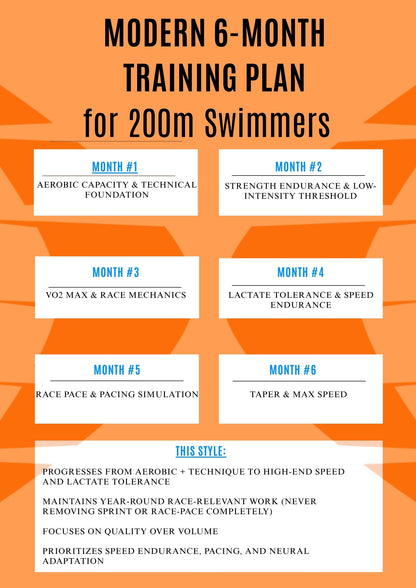
Credit: sprintrevolution.net
Common Mistakes To Avoid
Swimming is an excellent full-body workout, but even the most dedicated swimmers can fall into common traps that limit progress and increase injury risk. Recognizing these mistakes early can save you time and frustration while helping you swim stronger and smarter. Let’s look at some key pitfalls to avoid in your swimming workout routine.
Overtraining Risks
It’s tempting to push yourself every day, but swimming too much without proper rest can backfire. Overtraining leads to fatigue, weaker performance, and even injuries like shoulder strain. I once ignored signs of burnout and ended up sidelined for weeks, which delayed my goals significantly.
Listen to your body and schedule rest days. Quality beats quantity in swimming workouts. Are you allowing enough recovery between intense sessions?
Poor Technique Habits
Bad form wastes energy and increases injury risk. Many swimmers develop habits like dropping their elbows, over-kicking, or improper breathing without realizing it. These mistakes slow you down and cause frustration.
Focus on mastering the basics before increasing speed or distance. Video yourself or work with a coach to spot flaws you might miss. How often do you review your technique during workouts?
Ignoring Recovery
Recovery is more than just rest days. Ignoring active recovery methods like stretching, foam rolling, and proper nutrition hinders muscle repair and growth. Skipping these steps can keep you feeling stiff and sore, limiting your next session’s effectiveness.
Make recovery part of your routine. Simple habits like warming down with easy laps or stretching after swimming can make a big difference. What recovery practices do you currently use after workouts?
Credit: www.goodrx.com
Frequently Asked Questions
What Is The Best Swimming Workout Routine For Beginners?
A beginner’s swimming workout focuses on building endurance gradually. Start with 20-30 minutes of easy laps, mix freestyle and backstroke. Include rest intervals and basic drills to improve technique. Consistency and proper breathing are key for steady progress.
How Often Should I Do Swimming Workouts Weekly?
For optimal results, swim 3 to 5 times a week. This frequency balances skill improvement and muscle recovery. Beginners may start with 2-3 sessions and increase as fitness improves. Regular workouts boost endurance, strength, and swimming efficiency.
Can Swimming Workouts Help With Weight Loss?
Yes, swimming is an effective full-body workout for weight loss. It burns calories, tones muscles, and improves metabolism. Combining swimming with a healthy diet maximizes fat loss. Aim for at least 30 minutes of moderate to intense swimming sessions.
What Are Essential Swimming Drills For Improving Technique?
Key drills include catch-up, fingertip drag, and kickboard drills. These improve stroke efficiency, arm movement, and leg strength. Practicing drills regularly enhances breathing control and body position. Drills are crucial for swimmers of all levels to refine skills.
Conclusion
Swimming workouts build strength, improve endurance, and boost heart health. Regular practice shapes your body and clears your mind. Start with simple routines and increase intensity slowly. Stay consistent and enjoy the water’s benefits. Feel your energy grow with each swim session.
Your health and mood will improve together. Keep swimming, stay active, and have fun in the pool. Small steps lead to big progress.







