
Are you finding it harder to build muscle after menopause? You’re not alone.
Changes in your body can make gaining strength feel frustrating and slow. But what if the right supplements could give you a real boost? Imagine feeling stronger, more energized, and confident in your own skin again. You’ll discover which supplements can help you build muscle effectively after menopause—and how to choose the best ones for your unique needs.
Keep reading to unlock the secret to reclaiming your strength and vitality.
Why Muscle Loss Happens After Menopause
Muscle loss after menopause can feel frustrating, especially if you’ve always valued strength and vitality. Understanding why this happens helps you take control and fight back effectively. It’s not just about aging—it’s about specific changes your body goes through during and after menopause.
Hormonal Changes Impacting Muscle
Estrogen plays a big role in maintaining muscle mass. After menopause, estrogen levels drop significantly, which can lead to weaker muscles and slower repair.
This hormonal shift also affects your body’s ability to build new muscle tissue, making workouts feel less effective than before. Have you noticed your muscles feeling less responsive or recovering slower? That’s often the hormone change at work.
Additionally, lower estrogen impacts other hormones like growth hormone and testosterone, which are crucial for muscle growth and maintenance.
Metabolism And Aging Effects
Your metabolism naturally slows with age, but menopause speeds up this process. This means your body burns fewer calories at rest, which can cause fat gain and muscle loss.
Muscle tissue burns more calories than fat, so losing muscle further drops your metabolic rate. It’s a cycle that can feel hard to break.
Physical activity often decreases too, either from lifestyle changes or joint discomfort, which worsens muscle loss. Have you thought about how small daily movements might help counteract this?

Credit: www.glamourmagazine.co.uk
Key Nutrients For Muscle Growth
Building muscle after menopause needs the right nutrients. These nutrients support muscle repair, strength, and overall health. Focusing on key nutrients helps improve muscle growth and maintain bone health. Proper nutrition works hand in hand with exercise to achieve better results.
Protein’s Role In Muscle Repair
Protein is essential for muscle repair and growth. It provides amino acids, the building blocks of muscle tissue. After menopause, muscles recover slower, so protein intake becomes crucial. Eating enough protein helps rebuild damaged muscle fibers and supports new muscle formation. Sources include lean meat, fish, eggs, dairy, and plant-based options like beans and lentils.
Importance Of Vitamin D And Calcium
Vitamin D and calcium strengthen bones and muscles. Menopause lowers hormone levels, increasing bone loss risk. Calcium supports bone density, reducing fractures. Vitamin D helps the body absorb calcium effectively. Both nutrients improve muscle function and reduce weakness. Dairy products, fortified foods, and sunlight are good sources.
Benefits Of Omega-3 Fatty Acids
Omega-3 fatty acids reduce muscle inflammation and support recovery. They improve muscle protein synthesis, which is vital for growth. Omega-3s also enhance joint health and reduce stiffness. Eating fatty fish like salmon, mackerel, and sardines provides these healthy fats. Supplements like fish oil capsules are useful when dietary intake is low.
Top Supplements For Strength
Building muscle after menopause can be challenging but supplements can support strength gains. Choosing the right supplements helps maintain muscle mass and energy during workouts. These supplements work by providing essential nutrients that your body needs to recover and grow stronger.
Whey And Plant-based Proteins
Protein is key for muscle repair and growth. Whey protein is a popular choice because it digests quickly and contains all essential amino acids. For those who prefer a dairy-free option, plant-based proteins like pea, rice, or hemp provide good alternatives. Consuming protein after exercise helps rebuild muscle fibers and supports strength improvement.
Creatine For Energy And Power
Creatine boosts energy levels in muscles. It helps produce ATP, the main energy source during intense exercise. Taking creatine can increase strength and power, allowing for better performance in weight training. It also promotes muscle hydration, which supports muscle size and recovery.
Branched-chain Amino Acids (bcaas)
BCAAs include leucine, isoleucine, and valine. These amino acids help reduce muscle soreness and improve recovery time. BCAAs can also prevent muscle breakdown during exercise, making them useful after menopause. Supplementing with BCAAs supports muscle maintenance and encourages new muscle growth.
Beta-alanine And Its Effects
Beta-alanine helps buffer acid in muscles, reducing fatigue during workouts. This allows for longer and more intense training sessions. It can improve endurance and delay muscle tiredness. Regular use of beta-alanine may lead to better strength gains over time.
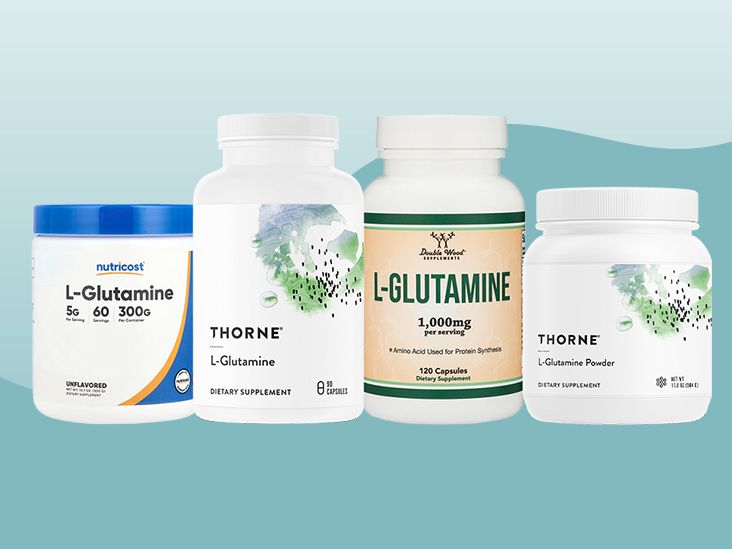
Credit: www.healthline.com
Herbal And Natural Boosters
Herbal and natural boosters offer gentle support for muscle building after menopause. These supplements come from plants with a long history of use for health and strength. They often help reduce soreness, improve recovery, and support overall vitality.
Many women find these natural options easier on the body. They work alongside exercise and diet to enhance muscle growth and strength. Here are some popular herbal supplements for muscle health after menopause.
Ashwagandha For Muscle Recovery
Ashwagandha is an ancient herb known for its stress-relieving and recovery benefits. It helps reduce muscle damage and speeds up healing after workouts. This herb also supports energy and stamina, which are vital for strength training. Studies show ashwagandha can improve muscle mass and reduce fatigue.
Tribulus Terrestris And Strength
Tribulus Terrestris is a plant used to enhance physical performance. It may help increase strength by supporting hormone balance. This booster encourages muscle growth and improves endurance. Women often use it to maintain muscle tone and vitality after menopause.
Turmeric’s Anti-inflammatory Role
Turmeric contains curcumin, a powerful anti-inflammatory compound. It helps reduce joint pain and muscle soreness. This natural booster aids faster recovery by lowering inflammation. Regular turmeric use can improve comfort during exercise and support long-term muscle health.
Timing And Dosage Tips
Timing and dosage play a key role in how well supplements work for muscle building after menopause. Taking the right amount at the right time helps your body absorb nutrients better. It can also improve muscle recovery and growth. Understanding when and how much to take ensures you get the best results from your supplements.
Best Times To Take Supplements
The body’s ability to use supplements changes throughout the day. For example, protein supplements work best after exercise. This helps muscles repair and grow faster. Some vitamins and minerals absorb better with food. Taking them during meals reduces stomach upset and improves absorption.
- Protein: After workouts or before sleep
- Calcium and Vitamin D: With meals for better absorption
- Magnesium: In the evening to support relaxation and muscle recovery
- B Vitamins: In the morning for energy support
Consistent timing each day helps maintain steady nutrient levels in the body.
Recommended Daily Amounts
Dosage depends on individual needs and supplement type. It is best to follow recommended daily values to avoid side effects. Taking too little may not show benefits. Too much can cause health issues.
| Supplement | Recommended Daily Amount |
|---|---|
| Protein | 1.0-1.2 grams per kg of body weight |
| Calcium | 1,200 mg |
| Vitamin D | 800-1,000 IU |
| Magnesium | 320 mg |
Check supplement labels and consult healthcare providers for personalized advice.
Exercise Synergy With Supplements
Exercise and supplements work best together to build muscle after menopause. Exercise helps muscles grow stronger. Supplements provide the nutrients muscles need to repair and grow. Combining both creates a powerful effect.
Choosing the right exercises and supplements boosts muscle gain. It improves energy and supports overall health. This approach makes muscle building easier and more effective for women after menopause.
Strength Training Essentials
Strength training is key for building muscle. It uses weights or resistance to challenge muscles. This stress helps muscles grow bigger and stronger.
- Focus on major muscle groups like legs, back, and arms.
- Use free weights, machines, or body weight exercises.
- Start with light weights and increase gradually.
- Perform 2 to 3 sessions per week for best results.
Strength training also boosts metabolism and bone health. Supplements like protein powders and creatine support muscle repair. Together, they enhance strength and muscle growth.
Combining Cardio And Resistance Workouts
Cardio helps heart health and burns fat. Resistance workouts build and maintain muscle mass. Combining both creates a balanced fitness routine.
- Include 20-30 minutes of moderate cardio like walking or cycling.
- Follow cardio with resistance training for muscle building.
- Alternate cardio and strength days to allow muscle recovery.
- Use supplements such as BCAAs to reduce muscle soreness.
This mix improves endurance and muscle tone. It supports long-term muscle health after menopause.
Safety And Side Effects
Choosing supplements to build muscle after menopause requires attention to safety. Understanding possible side effects and risks is crucial. Supplements can affect the body differently during this stage of life. Careful use helps avoid health problems and supports muscle growth effectively.
Potential Risks And Interactions
Some supplements may cause side effects like stomach upset or headaches. Others can interact with medications, reducing their effectiveness or causing harm. For example, protein powders might affect kidney function if used excessively. Herbal supplements could interfere with blood thinners or hormone treatments. Watch for allergic reactions or unusual symptoms after starting a new supplement.
Consulting Healthcare Providers
Talk to a doctor before starting any muscle-building supplements. They can review your health history and current medications. Doctors help identify safe options and proper dosages. Regular check-ups ensure supplements do not cause problems. A healthcare provider’s advice lowers the risk of adverse effects and supports your fitness goals safely.

Credit: estroven.com
Frequently Asked Questions
What Are The Best Supplements For Muscle Growth After Menopause?
After menopause, protein supplements, creatine, and omega-3 fatty acids can help build muscle. Protein supports muscle repair, while creatine enhances strength and performance. Omega-3s reduce inflammation, promoting recovery. Consult a healthcare provider for personalized advice.
Is Protein Intake Important Post-menopause For Muscle Building?
Yes, protein is crucial for muscle building post-menopause. It aids in muscle repair and growth, especially after exercise. Women post-menopause should aim for higher protein intake to counter muscle mass loss. Include protein-rich foods or supplements in your diet.
Can Creatine Help Women Build Muscle After Menopause?
Creatine can benefit post-menopausal women by enhancing strength and muscle mass. It supports energy production during workouts. Creatine is effective for increasing muscle power and improving exercise performance. Consult a healthcare professional before starting creatine supplementation.
How Do Omega-3 Fatty Acids Aid Muscle Growth?
Omega-3 fatty acids reduce inflammation and support muscle recovery. They can improve muscle protein synthesis, aiding muscle growth. These fats are found in fish oil and certain plant-based sources. Including omega-3s in your diet can enhance overall muscle health post-menopause.
Conclusion
Building muscle after menopause takes time and care. Supplements can support your efforts safely. Choose options with proven benefits like protein, vitamin D, and omega-3. Combine supplements with regular exercise and good nutrition. Consistency is key for stronger muscles and better health.
Always check with a doctor before starting new supplements. Stay patient and keep your goals clear. Small steps lead to lasting results. Keep moving forward with confidence and care.







