
Are you passionate about soccer and eager to elevate your game? Imagine stepping onto the field with the confidence of a pro, knowing that your skills and fitness are at their peak.
A well-crafted soccer player workout plan can be your secret weapon. It’s not just about kicking the ball around; it’s about building strength, speed, and endurance to outplay your opponents. This workout plan is designed specifically for you, focusing on the key areas that will enhance your performance and keep you ahead of the competition.
Dive into this article, and discover how you can transform your training routine to become the player you’ve always aspired to be.
Training Essentials
Training is the foundation of every soccer player’s success. It builds strength, speed, and endurance. Proper training reduces injury risks and improves overall skill. Focus on key areas to maximize your workout results.
Key Fitness Components
Soccer demands multiple fitness abilities. Endurance helps you run longer without fatigue. Strength powers your shots and tackles. Speed lets you outrun opponents. Agility improves quick turns and changes in direction. Balance keeps you steady during play. Each component plays a vital role in performance.
Warm-up Routines
Warming up prepares your body for intense activity. Start with light jogging to raise your heart rate. Follow with dynamic stretches like leg swings and arm circles. These moves increase blood flow and loosen muscles. A good warm-up boosts performance and prevents injuries.
Cool-down Techniques
Cooling down helps your body recover after training. Slow down with gentle jogging or walking. Stretch major muscle groups to reduce tightness. Focus on hamstrings, quads, and calves. Deep breathing aids relaxation and lowers heart rate. This routine reduces soreness and improves flexibility.
Credit: www.youtube.com
Strength Conditioning
Strength conditioning builds the muscle power soccer players need. It improves balance, speed, and endurance on the field. A strong body helps prevent injuries and boosts overall performance. Focused workouts target key muscle groups for better control and force during play.
Core Exercises For Power
The core stabilizes your whole body. Strong core muscles help in quick turns and powerful shots. Include exercises like:
- Planks for endurance
- Russian twists for obliques
- Leg raises to target lower abs
- Medicine ball slams for explosive strength
These moves build a solid foundation for all soccer actions.
Leg Workouts For Speed
Leg strength drives sprinting and agility. Workouts should focus on muscle endurance and fast-twitch fibers. Try:
- Squats for overall leg power
- Lunges to improve balance and strength
- Calf raises for explosive push-off
- Box jumps to enhance explosive speed
Strong legs help you run faster and jump higher.
Upper Body Strength
Upper body strength supports shielding and tackling. It also helps with throw-ins and balance. Include these exercises:
- Push-ups for chest and arms
- Pull-ups to strengthen back muscles
- Dumbbell rows for shoulder stability
- Shoulder presses to build power
Building upper body strength aids in physical challenges during the game.
Endurance And Stamina
Endurance and stamina are the backbone of any soccer player’s performance. Without the ability to sustain high energy levels throughout a match, your skills and tactics lose their impact. Building these qualities takes focused effort, but the results keep you sharp, fast, and ready to outlast your opponents.
Cardio Workouts
Cardio exercises boost your heart and lung capacity, which directly improves your stamina on the field. Running, cycling, and swimming are great ways to build a strong aerobic base. Try to mix steady-state cardio sessions, like a 30-minute jog, with sport-specific movements such as dribbling drills combined with sprints.
Think about how you feel after a long run versus a short sprint—both challenge your body differently. How can you balance these to fit your schedule and keep your training fresh?
Interval Training
Interval training mimics the stop-and-go nature of soccer. By alternating between high-intensity bursts and short recovery periods, you train your body to recover quickly while maintaining peak effort. For example, sprint for 30 seconds, then jog or walk for 60 seconds, repeating this cycle for 15–20 minutes.
This type of workout improves both your anaerobic and aerobic systems. Have you tried timing your intervals during practice? It’s a simple way to track progress and push your limits.
Recovery Strategies
Endurance training breaks your body down, making recovery just as important as the workout itself. Proper sleep, hydration, and nutrition all play a role in restoring your energy and repairing muscles. Stretching and foam rolling after sessions can prevent stiffness and reduce injury risk.
Consider scheduling active recovery days with light activities like yoga or swimming to keep your body moving without strain. How often do you prioritize recovery in your training plan? Skipping this step can stall your progress faster than you think.
Agility And Flexibility
Agility and flexibility are vital for every soccer player. They help you move quickly and avoid injuries. Being agile lets you change direction fast. Flexibility ensures your muscles stretch well and recover faster. Together, they improve your overall performance on the field.
Drills For Quickness
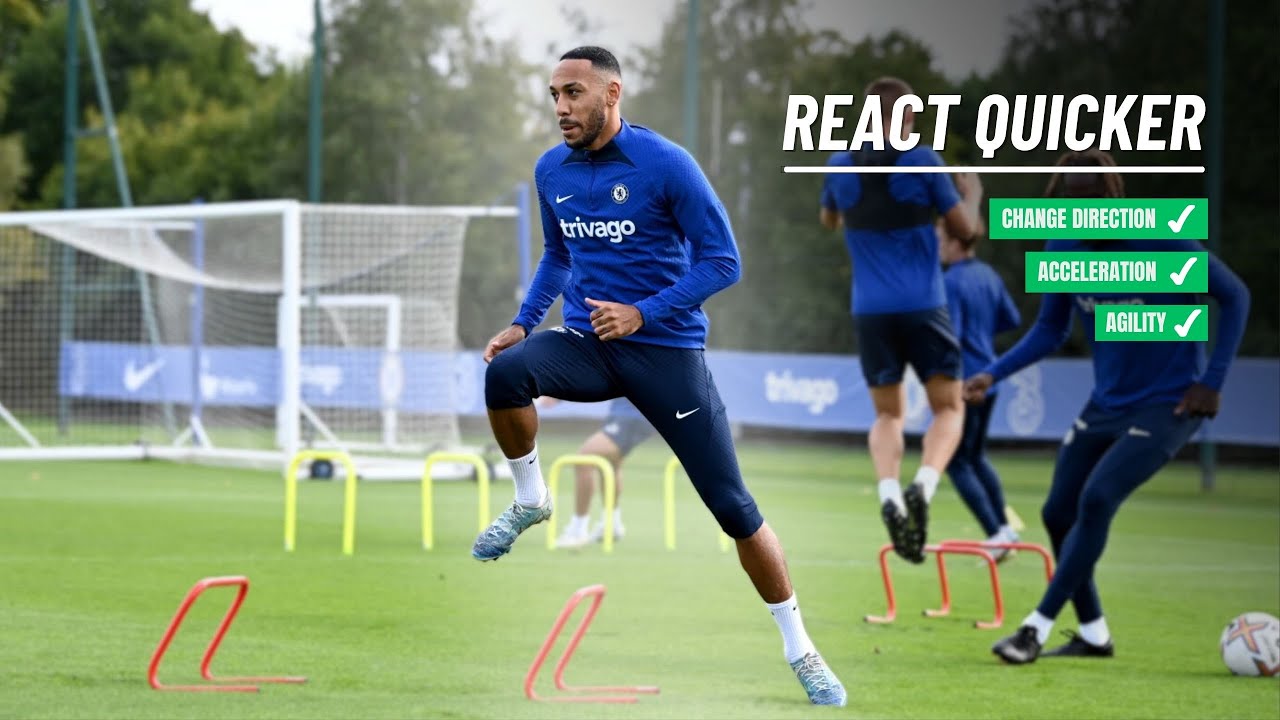
Quickness drills boost your ability to move fast and react. Use ladder drills to improve foot speed and coordination. Cone drills help with sharp turns and sudden stops. Sprint intervals build explosive speed and endurance. Practice these regularly to increase your on-field agility.
Stretching Exercises
Stretching exercises enhance muscle flexibility and reduce tightness. Focus on dynamic stretches before training to warm up muscles. Include hamstring stretches, calf stretches, and hip openers. Static stretches after workouts help muscles relax and recover. Consistent stretching lowers injury risk.
Balance Improvement
Balance is key to maintaining control during play. Use single-leg stands to strengthen stabilizer muscles. Try balance boards or stability balls for added challenge. Yoga poses like the tree pose improve core strength and balance. Better balance means more confident and stable movements.
Skill Development
Skill development is the heart of every soccer player’s training plan. It builds confidence and precision on the field. Developing strong skills helps players control the ball and make accurate plays under pressure. Regular practice sharpens these abilities and improves overall performance. Focused drills enhance specific techniques and create better game awareness.
Ball Control Drills
Ball control is vital for maintaining possession and creating chances. Practice simple touches using both feet to improve control. Use drills like toe taps, sole rolls, and juggling to build touch sensitivity. Work on receiving passes and quickly adjusting the ball’s position. These exercises train your feet to move the ball smoothly and keep it close.
Passing And Shooting
Passing and shooting require accuracy and power. Practice short and long passes to increase range and precision. Aim for targets to improve your passing accuracy under pressure. Shooting drills should focus on different angles and distances. Work on striking the ball with both feet to become unpredictable. Consistent repetition builds muscle memory and confidence in front of the goal.
Position-specific Training
Each position demands unique skills and tactics. Defenders work on tackling, marking, and positioning drills. Midfielders focus on passing, vision, and stamina exercises. Forwards train on shooting, quick turns, and attacking runs. Goalkeepers practice catching, diving, and distribution techniques. Tailoring workouts to your role improves effectiveness and team contribution.
Nutrition For Performance
Nutrition plays a crucial role in how well you perform on the soccer field. What you eat before, during, and after workouts can either boost your energy or leave you feeling drained. Understanding the right foods and timing can make a noticeable difference in your stamina, strength, and recovery.
Pre-workout Meals
Your body needs fuel before hitting the training ground. Aim to eat a balanced meal about 1.5 to 2 hours before working out. This meal should combine carbs for energy, lean protein for muscle support, and a little healthy fat.
- Try oatmeal with banana slices and a spoon of peanut butter
- Grilled chicken breast with quinoa and steamed veggies
- A smoothie with Greek yogurt, berries, and spinach
Ever noticed how eating too close to training can make you sluggish? That’s because your body is busy digesting instead of powering your muscles. Finding the right timing helps avoid that sluggish feeling and keeps you sharp.
Hydration Tips
Water is your best friend during any workout. Dehydration can reduce your reaction time and cause cramps, which are the last things you want on the field. Start hydrating early in the day, not just when you feel thirsty.
- Drink at least 16-20 ounces of water 2 hours before exercise
- Keep sipping 7-10 ounces every 10-20 minutes during activity
- Replace electrolytes after intense or long sessions with drinks containing sodium and potassium
Have you ever felt tired even after a good night’s sleep? Sometimes it’s about hydration. Keeping your fluids up helps maintain focus and keeps muscle cramps away.
Post-workout Recovery Foods
What you eat after training is just as important as before. Your muscles need protein to repair and carbs to replenish energy stores. Eating within 30-60 minutes post-workout maximizes recovery.
- Chocolate milk or a protein shake with a banana
- Turkey sandwich on whole grain bread with avocado
- Cottage cheese with pineapple chunks
I once skipped a proper post-workout meal and noticed my legs felt heavy the next day. That experience taught me that recovery food isn’t optional—it’s essential. Are you giving your body what it needs to bounce back strong?
Mental Preparation
Mental preparation is crucial for soccer players. It shapes focus, motivation, and the ability to handle pressure. Strong mental skills can improve performance and consistency on the field. Training the mind is as important as physical workouts. Developing mental toughness helps players stay calm and confident.
Focus Techniques
Focus is key during matches and training. Simple exercises improve concentration and awareness. Visualization helps players see success before it happens. Breathing exercises calm the mind and reduce distractions. Setting clear goals directs attention to what matters most.
Motivation Boosters
Staying motivated drives players to keep improving. Positive self-talk builds confidence and energy. Celebrating small wins keeps spirits high. Surrounding yourself with supportive teammates creates a strong environment. Regular reminders of personal goals fuel determination.
Handling Pressure
Pressure can affect performance negatively without control. Accepting pressure as part of the sport reduces stress. Breaking tasks into smaller steps makes challenges easier. Staying present helps avoid worrying about outcomes. Using routines before games creates stability and calm.

Credit: www.youtube.com
Sample Weekly Plan
Creating a weekly workout plan tailored for soccer players can transform your training routine. It balances strength, endurance, and skill development while considering recovery and game demands. Here’s a detailed sample plan to help you optimize your performance throughout the week.
Daily Workout Breakdown
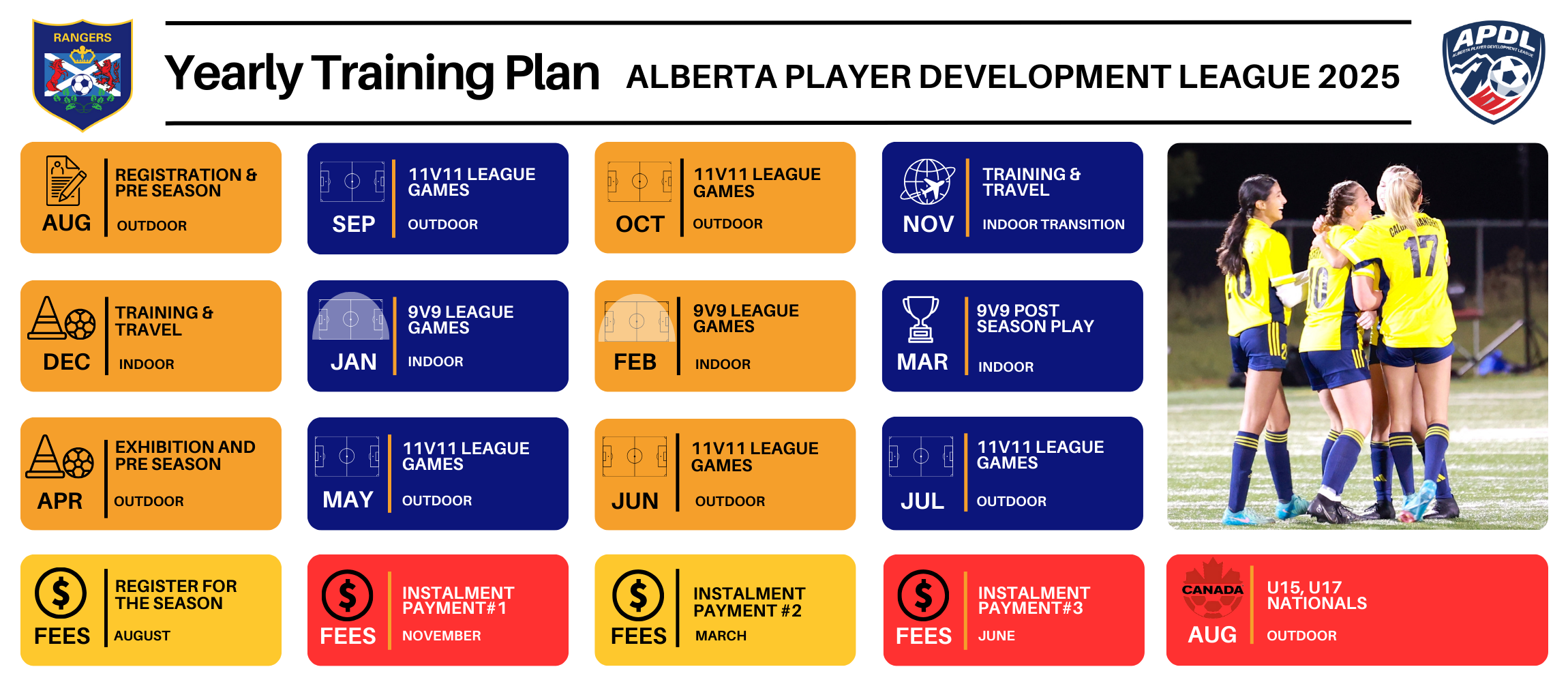
Your week should mix different training types to target all soccer skills. Start with agility drills and sprint training early in the week to build explosive speed. Midweek sessions can focus on strength training, emphasizing core and leg muscles.
Skill work like ball control and passing drills fits well on lighter days. End the week with endurance runs and tactical practice, preparing your body and mind for match situations. Each session should last between 60 to 90 minutes, depending on your fitness level.
- Monday:Sprint intervals and agility ladder drills
- Tuesday:Strength training (squats, lunges, planks)
- Wednesday:Ball control and passing drills
- Thursday:Endurance running and tactical drills
- Friday:Plyometric exercises and light skill work
- Saturday:Match simulation or small-sided games
Rest And Recovery Days
Rest is just as important as training. Your muscles need time to repair and grow stronger after intense workouts. Plan at least one full rest day, ideally Sunday, to recharge your body and mind.
On rest days, focus on light activities like stretching or yoga to improve flexibility. Hydration and nutrition also play a huge role in recovery. Have you ever noticed how skipping rest can affect your game sharpness?
Adjusting For Game Day
Game day demands a different approach. Keep your workout light and focused on maintaining energy. A short warm-up with dynamic stretches and light jogging helps prepare your muscles without tiring you out.
Avoid heavy lifting or intense cardio before a match to prevent fatigue. After the game, cool down with gentle stretching to reduce muscle soreness. How do you currently adjust your training to stay fresh on game day?
Credit: calgaryrangers.com
Frequently Asked Questions
What Are The Key Exercises In A Soccer Player Workout Plan?
A soccer workout plan focuses on strength, agility, endurance, and flexibility. Common exercises include sprints, lunges, squats, and core workouts. These improve speed, power, and injury prevention. Regular drills enhance ball control and coordination essential for soccer performance.
How Often Should Soccer Players Train Per Week?
Soccer players should train 4 to 6 times weekly. This frequency balances skill development, fitness, and recovery. Including rest days prevents burnout and injuries. Consistent training improves stamina, strength, and game tactics, crucial for competitive performance.
Can A Workout Plan Improve Soccer Agility And Speed?
Yes, targeted workouts boost agility and speed. Plyometric drills, ladder exercises, and sprint intervals enhance quick movements and reaction time. Improving these skills helps players navigate the field efficiently and outperform opponents during matches.
What Role Does Nutrition Play In A Soccer Workout Plan?
Nutrition fuels training and recovery. Balanced meals with carbs, proteins, and fats support energy and muscle repair. Staying hydrated and timing meals properly optimize performance. A good diet helps maintain stamina and reduces injury risk during intense workouts.
Conclusion
A good soccer workout plan builds strength and skill. It helps improve speed, endurance, and agility on the field. Consistency matters more than intensity. Rest days allow your body to recover and grow stronger. Focus on balance between cardio, strength, and flexibility.
Eating well supports your training efforts. Track your progress to stay motivated. Small steps lead to big improvements over time. Stay patient and keep practicing regularly. Your effort will show in better performance during games.







