
Are you looking to enhance your fitness routine with a low-impact, full-body workout? The rowing machine might just be your new best friend.
This versatile piece of equipment offers a heart-pumping workout that targets multiple muscle groups, burns calories, and improves your cardiovascular health. But here’s the catch—you need a structured routine to truly reap the benefits. Imagine sculpting your body while gliding through an exhilarating workout session.
Sounds appealing, right? Dive into our rowing machine workout routine, and discover how you can transform your fitness journey with just a few strokes. Whether you’re a beginner or seasoned rower, this guide promises to elevate your workout experience. Stick around to learn the secrets to maximizing your time on the rower and achieving your fitness goals faster than you ever imagined.
Credit: www.trainingtall.net
Benefits Of Rowing For Fat Loss
Rowing is more than just a cardio exercise; it’s a powerful tool for burning fat efficiently. You engage multiple muscle groups simultaneously, which means you burn more calories in less time. If you want to shed fat without spending hours in the gym, rowing offers a smart, practical solution.
Full-body Muscle Engagement
Rowing works your legs, core, back, and arms all at once. Unlike exercises that isolate muscles, rowing forces your body to coordinate several movements together. This full-body engagement boosts your metabolism and helps your body burn fat even after your workout ends.
Think about the last time you pushed hard on a rowing machine—you probably felt your whole body working, not just your legs or arms. That’s exactly why rowing is effective for fat loss.
High-calorie Burn
Rowing burns more calories per minute compared to many traditional cardio exercises like walking or cycling. You can expect to burn around 600-800 calories per hour, depending on your intensity and weight.
This high-calorie burn comes from the combined effort of cardio and strength training. When was the last time you found a workout that feels this efficient and effective at the same time?
Low Impact On Joints
Rowing is gentle on your joints because it is a smooth, controlled movement without heavy pounding. This makes it an excellent option if you want to avoid joint pain or injury while losing fat.
If you’ve struggled with knee or hip discomfort in other workouts, rowing can keep you active without aggravating those issues. Can you imagine losing fat without the usual aches and pains?

Credit: gym-mikolo.com
Choosing The Right Rowing Machine
Choosing the right rowing machine is vital for a good workout experience. The right machine fits your fitness needs and space. It also keeps you motivated to exercise regularly. Understanding the types of rowers and features helps make a smart choice. Budget and room size also play big roles in the selection.
Types Of Rowers
Rowing machines come in several types. Each offers a unique feel and resistance system.
- Air Rowers:Use air resistance. The harder you row, the more resistance builds.
- Magnetic Rowers:Use magnets for smooth, quiet resistance. Easy to adjust.
- Water Rowers:Use water for resistance. Provide a natural rowing sound and feel.
- Hydraulic Rowers:Use pistons for resistance. Usually compact and affordable.
Choose a type that matches your workout style and noise preference.
Key Features To Consider
Focus on features that impact comfort and usability.
- Resistance Levels:Multiple levels allow workout variety.
- Seat Comfort:A padded, smooth seat helps for longer sessions.
- Monitor Display:Shows time, distance, calories, and strokes per minute.
- Build Quality:Look for sturdy frames and quality materials.
- Footrests and Straps:Adjustable footrests secure your feet during rowing.
Check these features to ensure a pleasant and effective workout.
Budget And Space Factors
Set a budget before choosing a rowing machine. Prices vary from low to high.
- Basic models fit tight budgets and small spaces.
- Higher-end rowers offer advanced features and durability.
- Measure your workout area carefully. Some machines fold for storage.
- Consider noise level, especially for shared living spaces.
Balance your budget with available space and workout needs for best results.
Warm-up Strategies
Warming up before your rowing machine workout is crucial to prepare your body and mind for the challenge ahead. It reduces injury risk and improves your overall performance. Your warm-up should gradually increase your heart rate and loosen muscles without tiring you out.
Dynamic Stretching
Dynamic stretching involves moving your muscles through a full range of motion to increase blood flow and flexibility. Try leg swings, arm circles, and torso twists to target the key muscle groups used in rowing. These movements wake up your body and help your joints feel ready to move smoothly.
Think about how your body feels during rowing—your hips, shoulders, and hamstrings work hard. Focus your dynamic stretches on these areas to prevent tightness and stiffness. Have you noticed how tight hamstrings can limit your rowing stroke?
Light Rowing Drills
After dynamic stretching, hop on the rowing machine for light rowing drills. Start with slow, controlled strokes focusing on technique rather than speed. This helps your muscles remember the right movement pattern and prepares your cardiovascular system.
Try a few minutes of rowing at 40-50% of your usual intensity. Pay close attention to your form—are you driving with your legs, leaning back just enough, and pulling smoothly with your arms? This focused practice primes your muscles and mind for the workout ahead.
Fat-burning Rowing Workouts
Rowing machines offer excellent workouts that burn fat efficiently. These workouts combine cardio and strength, helping you lose weight faster. Fat-burning rowing workouts boost metabolism and increase calorie burn.
Choose a routine that fits your fitness level. Consistency is key for lasting fat loss. Below are effective rowing workouts designed to burn fat quickly.
Steady-state Rowing
Steady-state rowing means rowing at a consistent pace for a set time. Keep your effort moderate, not too hard or easy. This workout improves endurance and burns fat steadily.
- Row for 20 to 40 minutes
- Maintain a steady, comfortable pace
- Focus on smooth, controlled strokes
- Keep your heart rate in the fat-burning zone
High-intensity Interval Training (hiit)
HIIT mixes short bursts of intense rowing with rest periods. This boosts calorie burn even after the workout ends. HIIT is time-efficient and very effective.
- Row hard for 30 seconds
- Rest or row slowly for 60 seconds
- Repeat for 10 to 15 rounds
- Adjust intensity to your fitness level
Pyramid Intervals
Pyramid intervals gradually increase and then decrease rowing time. This challenges your body and keeps the workout interesting. It builds strength and burns fat.
- Row hard for 30 seconds
- Rest for 30 seconds
- Row hard for 60 seconds
- Rest for 60 seconds
- Row hard for 90 seconds
- Rest for 90 seconds
- Work back down the pyramid
Tabata Protocol
Tabata is a very intense 4-minute workout. It has 20 seconds of max effort rowing, then 10 seconds rest. Repeat eight times to torch calories fast.
- Row as fast as possible for 20 seconds
- Rest for 10 seconds
- Repeat 8 times (4 minutes total)
- Great for quick fat burn and endurance
Sample Weekly Routine
Creating a weekly rowing machine workout routine helps you stay consistent and see real progress. Tailoring your plan to your fitness level keeps workouts challenging but manageable. Whether you’re just starting or aiming to push your limits, here’s a sample routine to guide your week on the rower.
Beginner Plan
Start with shorter sessions to build endurance and technique. Aim for 3 to 4 days a week to allow your muscles time to recover.
- Day 1:10 minutes steady rowing at a comfortable pace
- Day 2:Rest or light stretching
- Day 3:15 minutes with intervals – 1 minute hard, 2 minutes easy
- Day 4:Rest
- Day 5:20 minutes steady, focus on form
- Days 6 & 7:Rest or gentle walking
Notice how your stamina improves after just a week? Even small sessions can make a difference.
Intermediate Plan
Step up the intensity and duration while keeping rest days to recover fully. Try rowing 4 to 5 days a week.
- Day 1:20 minutes steady pace, moderate effort
- Day 2:Interval training – 5 rounds of 2 minutes hard, 2 minutes easy
- Day 3:Rest or active recovery like yoga
- Day 4:25 minutes steady pace with focus on breathing
- Day 5:Pyramid intervals – 1, 2, 3, 2, 1 minutes hard with equal rest
- Days 6 & 7:Rest or light activity
Have you tried pyramid intervals before? They challenge both your speed and endurance.
Advanced Plan
Push your limits with intense workouts and longer durations. Row 5 to 6 times per week with varied sessions.
- Day 1:30 minutes steady-state rowing at a strong pace
- Day 2:High-intensity intervals – 8 rounds of 500 meters sprint with 1-minute rest
- Day 3:Active recovery – light rowing or stretching
- Day 4:40 minutes mixed pace focusing on technique and endurance
- Day 5:Long intervals – 3 rounds of 10 minutes hard with 5 minutes easy rowing
- Day 6:Short, explosive sprints – 10 rounds of 250 meters with 30 seconds rest
- Day 7:Rest
Feeling the burn is normal at this level, but how do you know when to dial back? Listening to your body is key to preventing injury.
Proper Rowing Technique
Using the proper rowing technique is essential for an effective workout. It helps you avoid injuries and get the most from each session. Rowing uses many muscle groups, so correct form ensures balanced effort.
Understanding the stroke phases, common mistakes, and posture tips improves your rowing experience. Focus on smooth, controlled movements to build strength and endurance safely.
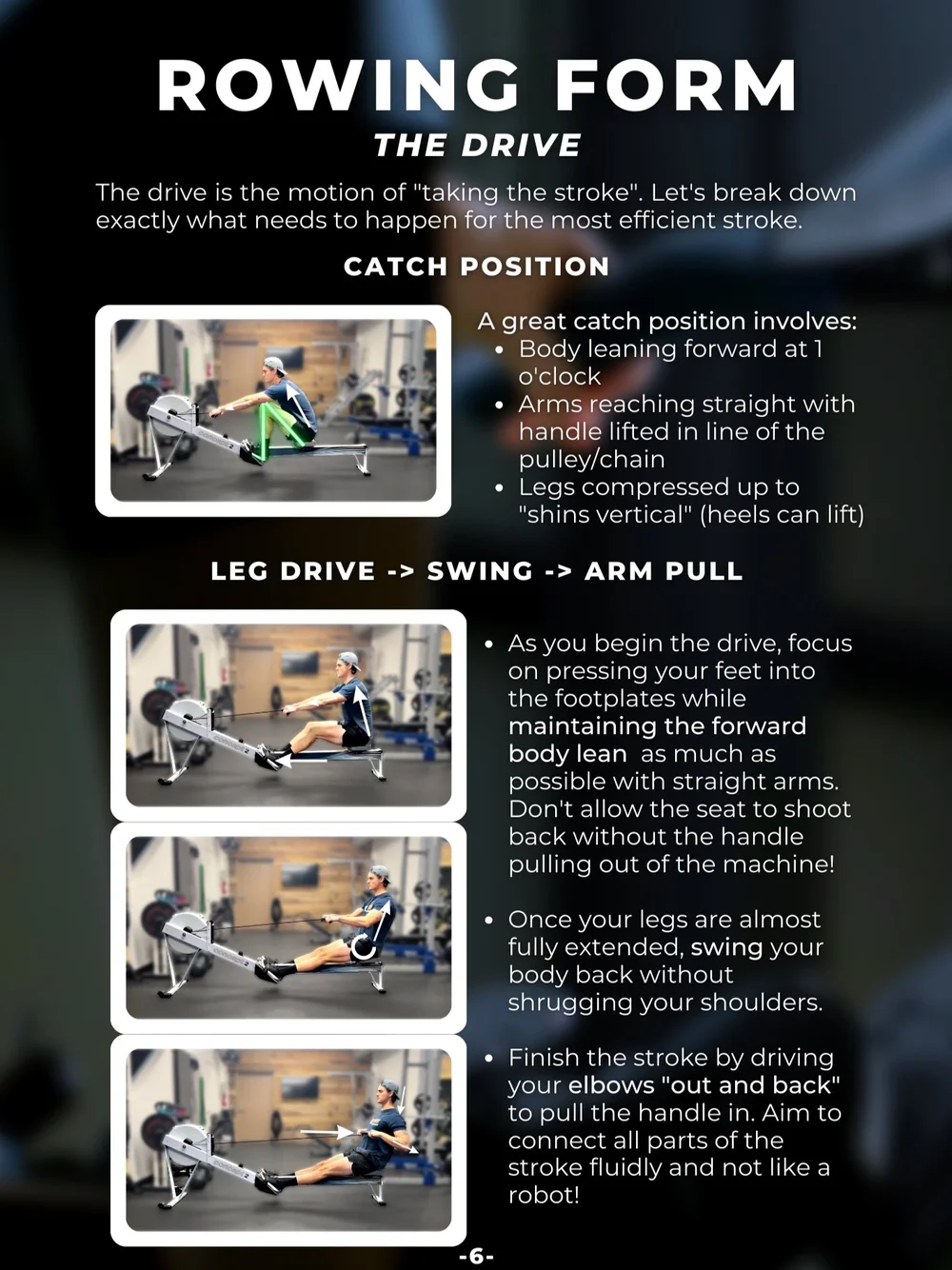
Stroke Phases
The rowing stroke has four main phases. Each phase has a specific role in the movement.
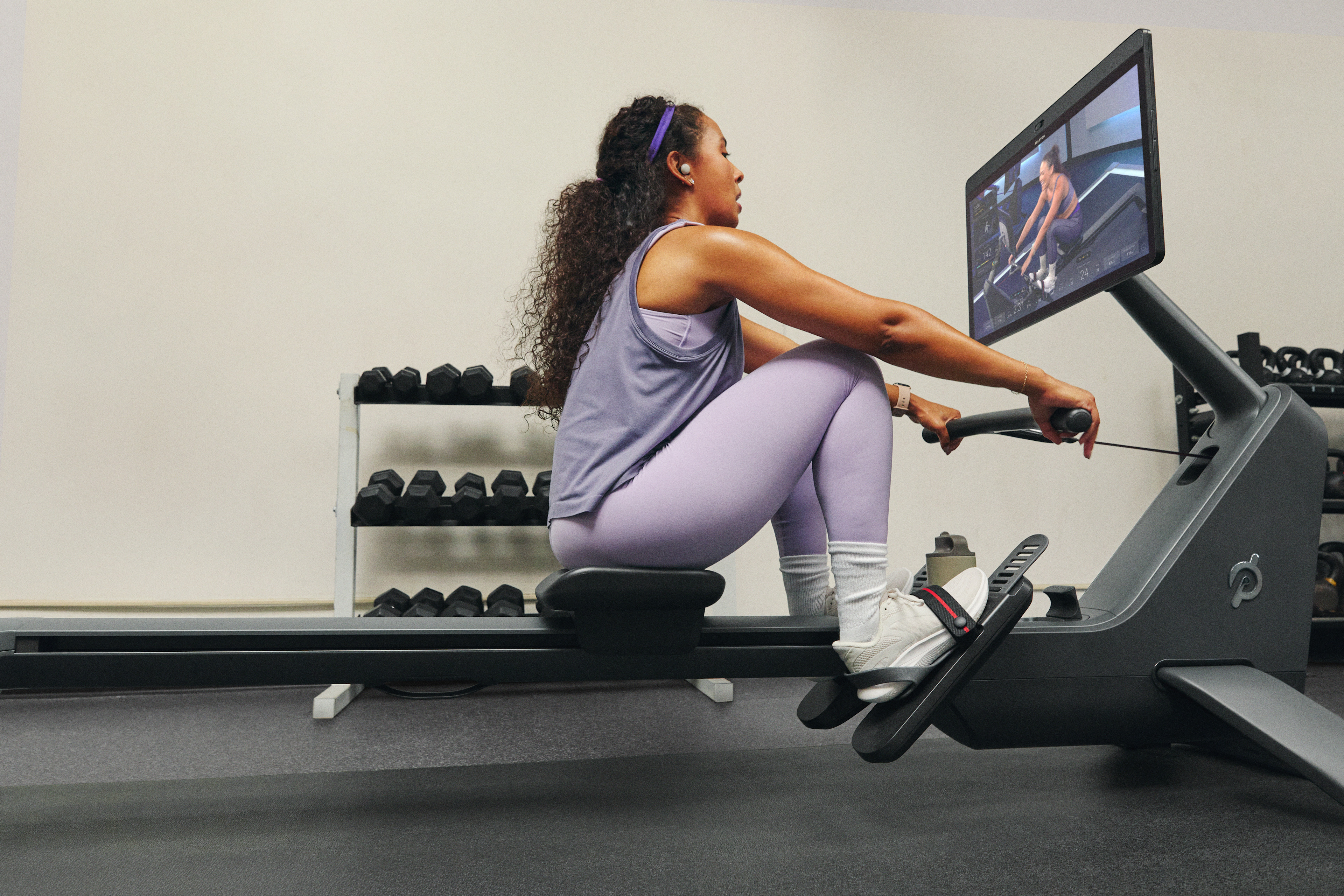
- The Catch:Sit with knees bent, arms straight, and body leaning slightly forward.
- The Drive:Push with your legs, lean back, and pull the handle toward your chest.
- The Finish:Legs straight, handle close to your chest, and body leaning slightly back.
- The Recovery:Extend your arms, lean forward, and bend your knees to return to the catch.
Common Mistakes To Avoid
- Leaning too far back at the finish, causing strain on the lower back.
- Using arms too early in the drive instead of starting with legs.
- Rounding the shoulders, which limits power and can cause pain.
- Slouching or hunching forward during the recovery phase.
- Pulling the handle too high or low, reducing efficiency.
Posture Tips
- Keep your back straight and core engaged throughout the stroke.
- Relax your shoulders and avoid tensing your neck muscles.
- Maintain a slight forward lean at the catch phase.
- Look straight ahead to keep your neck aligned.
- Keep your feet flat and secure on the footrests.
Tracking Progress And Staying Motivated
Tracking progress and staying motivated are key to making the most of your rowing machine workout routine. Without monitoring your improvements, it’s easy to lose sight of your goals. Keeping motivation high helps you push through tough sessions and celebrate milestones, turning exercise into a rewarding habit.
Using Performance Metrics
Track specific data like distance rowed, time, stroke rate, and calories burned. Most rowing machines display these metrics, making it simple to record your stats after each session.
Try keeping a workout journal or using a fitness app to note your numbers. Watching your speed improve or seeing a longer distance rowed can boost your confidence and urge you to keep going.
Have you noticed how small improvements in your stroke rate can shave seconds off your time? Focusing on these details can make your workouts more engaging and measurable.
Goal Setting
Set clear, achievable goals to keep your workouts purposeful. Whether it’s rowing a certain distance without stopping or improving your pace, having targets gives you something to aim for.
Break big goals into smaller milestones. For example, if your goal is to row 5 kilometers, start with 1 kilometer and increase gradually.
Check in with your goals regularly and adjust them as you improve. This way, your routine stays challenging but realistic, keeping you motivated every step of the way.
Incorporating Variety
Change up your workouts to avoid boredom and plateaus. Mix steady-state rowing with interval training or add resistance changes to challenge different muscle groups.
Try varying your workout duration, stroke rate, or intensity. This keeps your body guessing and helps you avoid the frustration of feeling stuck.
Think about how you can spice up your sessions. Could a new playlist or setting a friendly competition with a workout partner make rowing more fun for you?
Credit: www.onepeloton.com
Nutrition Tips To Maximize Fat Loss
Nutrition plays a key role in fat loss during your rowing machine workout routine. Eating the right foods at the right time helps boost energy, burn fat, and speed up recovery. Proper nutrition supports your body’s needs and improves workout results. Focus on balanced meals and smart hydration to get the best from your efforts.
Pre-workout Fuel
Eating before rowing gives your body energy. Choose foods that digest quickly and provide steady fuel. Aim for a small meal or snack 30 to 60 minutes before your workout.
- Bananas or apples for natural sugars and fiber
- Oats or whole grain toast for slow-release energy
- Low-fat yogurt or a small protein shake
Avoid heavy or greasy foods that can cause discomfort or sluggishness.
Post-workout Recovery
After rowing, your muscles need nutrients to repair and grow. Focus on protein and carbohydrates to replenish energy stores and support muscle recovery.
- Lean protein like chicken, fish, or tofu
- Complex carbs such as brown rice, sweet potatoes, or quinoa
- Vegetables for vitamins and minerals
Eating within 30 to 60 minutes after exercise helps maximize fat loss and muscle repair.
Hydration Guidelines
Water is essential before, during, and after your rowing workout. Staying hydrated keeps your energy up and aids fat burning.
- Drink 16 to 20 ounces of water 2 hours before exercise
- Sip water during your workout to replace lost fluids
- Consume 16 ounces after rowing to support recovery
Avoid sugary drinks that add empty calories and slow fat loss progress.
Injury Prevention And Recovery
Rowing machine workouts are excellent for building strength and endurance. Preventing injury and allowing proper recovery ensures long-term progress. Paying attention to your body’s signals helps avoid setbacks and keeps workouts effective.
Recognizing Overtraining Signs
Overtraining can cause fatigue, pain, and poor performance. Watch for persistent muscle soreness and joint discomfort. Feeling unusually tired or losing motivation may indicate overtraining. Early recognition helps you adjust intensity and avoid serious injury.
Stretching And Mobility Work
Stretching increases flexibility and reduces muscle tightness. Focus on the legs, back, and shoulders after rowing sessions. Gentle mobility exercises improve joint movement and prevent stiffness. Consistent stretching supports muscle recovery and overall workout quality.
Rest Days Importance
Rest days allow muscles to repair and grow stronger. Skipping rest increases injury risk and lowers energy levels. Plan at least one or two rest days each week. Use rest time for light activities like walking or gentle stretching to stay active without strain.
Frequently Asked Questions
What Is The Best Rowing Machine Workout Routine?
A balanced rowing workout includes warm-up, intervals, steady-state rows, and cool-down. Aim for 20-30 minutes per session. This routine improves endurance, strength, and calorie burn effectively.
How Often Should I Row For Fitness Results?
Row 3 to 5 times weekly for optimal fitness. Consistency helps build cardiovascular health, muscle tone, and stamina. Allow rest days for muscle recovery and injury prevention.
Can Rowing Machines Help With Weight Loss?
Yes, rowing burns calories efficiently, aiding weight loss. It combines cardio and strength training, boosting metabolism. Consistent workouts paired with a healthy diet yield best results.
What Muscles Does A Rowing Machine Target?
Rowing works legs, back, arms, and core muscles simultaneously. It provides a full-body workout, improving strength and endurance. This makes it effective for overall fitness enhancement.
Conclusion
Rowing workouts build strength, endurance, and burn calories fast. They work your whole body with low impact on joints. Start slow and increase time or intensity each week. Consistency helps you see progress and feel better daily. Mixing intervals with steady rowing keeps workouts fresh and effective.
Remember to keep good form to avoid injuries. A simple rowing routine fits any schedule and fitness level. Give it time, and enjoy the benefits of a strong, healthy body.







