
Are you ready to transform your fitness routine and see real results? A push workout routine might be just what you need.
Imagine sculpting your chest, shoulders, and triceps while boosting your overall strength and endurance. This powerful workout approach focuses on pushing movements that target these key muscle groups, helping you achieve a more defined and toned upper body. But it’s not just about looking good—it’s about feeling strong and confident in your skin.
Whether you’re a beginner or a seasoned gym-goer, incorporating a push workout into your regimen can offer incredible benefits. Curious about how to start and what exercises to include? Stick around, and you’ll discover a step-by-step guide that will make your workout sessions more effective and rewarding. Let’s dive in and unleash your potential!
Benefits Of Push Workouts
Push workouts focus on exercises that involve pushing movements, mainly targeting your chest, shoulders, and triceps. These routines offer a wide range of benefits that can transform your fitness journey. Understanding these advantages can help you stay motivated and design more effective workouts.
Boosting Upper Body Strength
Push workouts directly improve the strength of your upper body muscles. Movements like push-ups, bench presses, and overhead presses challenge your muscles to handle increasing loads. This consistent challenge makes your muscles stronger, helping you perform daily tasks more easily.
Have you noticed how lifting heavy groceries or pushing a door open becomes easier after a few weeks of push training? That’s the strength gain in action. Regular push workouts build a solid foundation for other exercises too, supporting overall fitness progress.
Enhancing Muscle Growth
Push exercises stimulate muscle fibers, encouraging them to grow bigger and denser. When you push against resistance, tiny muscle tears occur, which your body repairs to make muscles stronger and larger. This process, called hypertrophy, is essential if you want to build noticeable muscle mass.
Adding variations and gradually increasing weights can further enhance muscle growth. For example, switching from standard push-ups to weighted bench presses targets muscles differently, maximizing development. Are you tracking your progress to ensure steady gains?
Improving Functional Fitness
Push workouts improve your ability to perform everyday activities that require pushing motions. Tasks like moving furniture, opening heavy doors, or even playing sports become easier and less tiring. Strong pushing muscles help stabilize your shoulders and improve posture too.
This functional improvement reduces the risk of injuries and enhances your overall body coordination. Think about how much more confident you feel when your body responds effectively to physical challenges. What daily activities could become easier with stronger push muscles?
Key Muscles Targeted
Understanding the key muscles targeted in a push workout routine helps you focus your efforts and track progress better. This routine is designed to strengthen muscles involved in pushing movements, which are essential for everyday tasks and athletic performance. Knowing which muscles you’re working can also prevent injury and improve your form.
Chest Muscles
The chest, primarily the pectoralis major, takes the lead in push exercises. Movements like push-ups and bench presses activate this muscle, giving your upper body strength and definition. When you feel that burn in your chest, it means you’re building a solid foundation for strength.
Don’t overlook the smaller chest muscles, such as the pectoralis minor, which support shoulder stability. Have you noticed how your chest feels tight after a good push workout? That’s a sign these muscles are working hard to improve your posture and power.
Shoulders
Your shoulders, especially the deltoid muscles, play a crucial role in pushing. They help lift and stabilize your arms during the movement. Focusing on the front (anterior) deltoid can increase your pressing power and shoulder endurance.
Strong shoulders reduce the risk of injury in other lifts and daily activities. Ever tried pushing a heavy door open and felt your shoulders tire quickly? This routine trains them to handle such demands with ease.
Triceps
The triceps brachii, located at the back of your upper arm, extend your elbow during push exercises. They’re vital for locking out your arms in presses or dips. When your triceps are strong, you’ll notice improvements in both pushing strength and arm definition.
Many people underestimate the triceps, but they contribute a lot to overall upper body strength. Have you ever struggled to fully straighten your arms during a push movement? Strengthening your triceps will fix that and boost your workout performance.
Essential Push Exercises
Essential push exercises form the backbone of any effective push workout routine. These movements target your chest, shoulders, and triceps, helping you build strength and muscle efficiently. Focusing on a few key exercises ensures you get maximum results without wasting time on less effective options.
Barbell Bench Press
The barbell bench press is a staple for building upper body strength. It mainly works your chest, but also engages your shoulders and triceps. When I started adding this exercise regularly, I noticed my pressing power improved significantly in just a few weeks.
To get the most from the bench press, focus on controlled movements and proper form. Keep your feet flat on the floor and your back slightly arched. Are you pushing the bar evenly with both arms? This balance can prevent injuries and boost gains.
Overhead Shoulder Press
The overhead shoulder press targets your deltoids and triceps, making it essential for well-rounded push strength. Using dumbbells or a barbell, pressing overhead challenges your stability and core as well. I found that increasing weight gradually helped me avoid shoulder pain and build solid muscle.
Try pressing with a full range of motion and avoid locking out your elbows at the top. This keeps tension on the muscles and reduces joint stress. How stable does your core feel when you press overhead? Strengthening your core can improve your performance here.
Dips And Push-ups
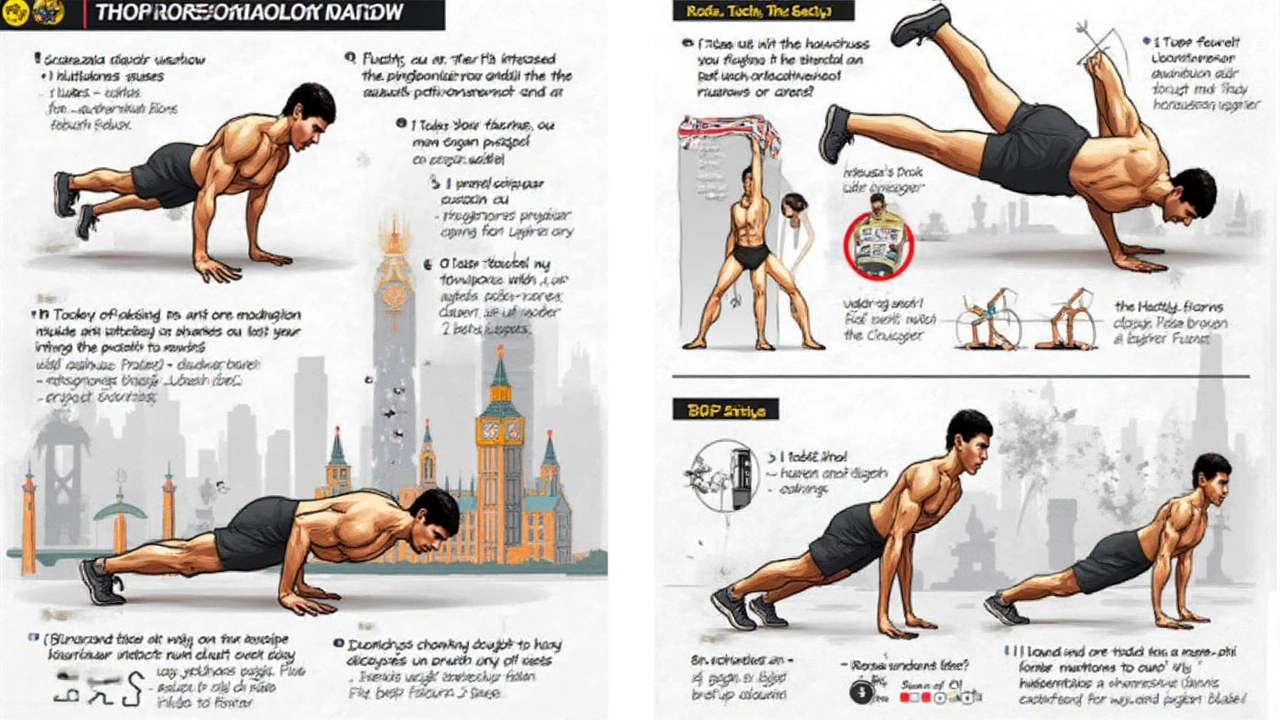
Dips and push-ups are great bodyweight exercises that you can do anywhere. Dips emphasize your triceps and lower chest, while push-ups hit your chest, shoulders, and triceps all at once. Adding these to your routine can improve endurance and muscle tone without needing fancy equipment.
Focus on maintaining good form: keep your elbows close to your body during dips and your body in a straight line during push-ups. Can you feel the difference when you slow down the movement? Slowing down increases muscle engagement and helps break through plateaus.

Credit: www.fitbudd.com
Structuring Your Push Routine
Structuring your push workout routine effectively can make a big difference in your progress and how your body responds to training. A well-planned routine helps you target muscles efficiently, avoid injury, and maintain motivation. Let’s break down some key elements that will help you get the most out of your push days.
Warm-up Strategies
Starting with a proper warm-up is crucial to prepare your muscles and joints for the workout ahead. Begin with 5-10 minutes of light cardio to get your blood flowing. Then, move on to dynamic stretches and mobility drills focused on your shoulders, chest, and triceps.
Adding a few light sets of your first exercise can also help your body adjust to the movement pattern. I used to skip warm-ups and noticed my shoulder pain increasing over time. Once I added targeted warm-ups, my performance improved and discomfort faded.
Exercise Order And Sets
Arrange your exercises by starting with compound movements that target multiple muscle groups, like bench presses or overhead presses. These require the most energy and help build overall strength. After these, add isolation exercises such as tricep pushdowns or lateral raises to focus on smaller muscles.
For sets, aim for 3-4 per exercise with 8-12 reps if your goal is muscle growth. You can adjust reps and sets based on your strength level and recovery ability. Are you giving your muscles enough challenge without overdoing it?
Rest Periods
Rest between sets impacts how much weight you can lift and how your muscles recover. For hypertrophy, keeping rest periods between 30 to 90 seconds works well to maintain muscle fatigue. If you want to build strength, longer rests of 2-3 minutes allow better recovery for heavier lifts.
Experiment with rest times during your push workout and notice how it affects your energy and performance. Are you rushing through or taking enough breaks to maximize each set?
Programming For Strength Gains
Programming your push workout routine for strength gains requires a clear focus on how you structure sets, reps, and recovery. Strength doesn’t come from simply lifting heavy but from smart planning that challenges your muscles while allowing them to rebuild stronger. Understanding the balance between intensity, volume, and rest is key to maximizing your progress.
Low Reps, High Weight
Lifting heavy weights with low repetitions is a proven way to build strength. Aim for 3 to 6 reps per set with weights that push your limits but still allow proper form. This range targets your fast-twitch muscle fibers, which are essential for strength development.
During my training, switching to heavier weights and fewer reps led to noticeable strength jumps in exercises like the bench press and overhead press. It made me realize that lifting lighter weights with more reps won’t challenge your muscles in the same way. Are you pushing yourself hard enough to stimulate real strength gains?
Progressive Overload Techniques
Strength gains happen when you gradually increase the demands on your muscles over time. You can add weight, increase reps, or improve your form to make each session more challenging than the last. Tracking these changes helps you stay consistent and avoid plateaus.
- Add small weight increments, like 2.5-5 lbs, each week.
- Increase reps within your low rep range before adding more weight.
- Focus on controlled movements and full range of motion to get more from each rep.
One trick I use is to keep a workout journal. Writing down your lifts makes it easier to spot progress and know when to push harder. How do you keep track of your strength improvements?
Frequency And Recovery
Training your push muscles too often without enough rest can stall your progress or even cause injury. Strength gains require recovery time for your muscles to repair and grow. Aim to train push movements 2-3 times per week with at least 48 hours between sessions.
During a phase where I trained chest and shoulders five times a week, I noticed my lifts stagnated and fatigue increased. Cutting back to three sessions with proper rest made a huge difference in my energy and strength. Are you allowing your body enough time to recover between heavy sessions?
Programming For Muscle Growth
Programming a push workout routine for muscle growth requires careful planning. The goal is to stimulate muscles effectively without causing burnout. Balancing reps, weight, and volume is key. This balance helps muscles grow stronger and bigger over time. Varying exercises keeps the routine fresh and targets muscles from different angles. This approach promotes steady progress and reduces plateaus.
Moderate Reps, Moderate Weight
Using moderate reps with moderate weight works best for muscle growth. Aim for 8 to 12 repetitions per set. This range stresses muscles enough to cause growth. Choose weights that challenge you but still allow good form. Avoid lifting too heavy, which can lead to injury. Too light weights will not create enough muscle tension.
Volume And Intensity Balance
Volume means the total amount of work done in a session. Intensity refers to how hard the muscles work. Balance both to avoid overtraining or undertraining. Perform 3 to 4 sets per exercise for optimal volume. Keep rest periods between 60 to 90 seconds for intensity. This helps muscles recover but maintains workout challenge.
Incorporating Variations
Changing exercises prevents boredom and plateaus. Use different push movements like bench press, overhead press, and dips. Switch grips or angles to hit muscles differently. Add tempo changes, like slow lowering phases, to increase muscle time under tension. These variations stimulate new muscle growth and improve strength.
Common Mistakes To Avoid
Push workouts target chest, shoulders, and triceps muscles. Many people make simple mistakes that slow progress or cause injury. Avoiding these errors helps improve results and keeps workouts safe. Focus on proper technique, warm-up, and recovery.
Poor Form And Technique
Using wrong form reduces workout benefits and raises injury risk. Common errors include flaring elbows too wide or arching the back excessively. Maintain a neutral spine and controlled movements. Proper form ensures muscles work effectively and joints stay safe.
Neglecting Warm-up
Skipping warm-up makes muscles stiff and prone to strain. Warm-up increases blood flow and prepares joints for exercise. Simple moves like arm circles or light push-ups activate muscles. Warm-up improves performance and lowers injury chances.
Overtraining Risks
Training push muscles every day without rest can cause fatigue and pain. Muscles need time to recover and grow stronger. Overtraining can lead to burnout or injury. Plan rest days and listen to your body’s signals to avoid these issues.

Credit: www.fitbudd.com
Nutrition For Push Workouts
Nutrition plays a key role in maximizing the results of push workouts. Eating the right foods helps build muscle, increase strength, and speed up recovery. Proper nutrition supports your energy levels and keeps you focused during exercise.
Understanding what to eat before, during, and after push workouts can improve your overall performance. The focus should be on proteins, carbohydrates, and hydration to fuel your body and repair muscles effectively.
Protein Intake
Protein is essential for muscle growth and repair. Aim to consume a good source of protein daily. Foods like chicken, fish, eggs, and beans are excellent choices.
For push workouts, eating protein both before and after exercise helps your muscles recover faster. Try to include 20-30 grams of protein in each meal.
Pre-workout Nutrition
Eating before a push workout provides energy and prevents fatigue. Choose foods that are easy to digest and rich in carbohydrates.
- A banana or apple with peanut butter
- Oatmeal with a small amount of honey
- A slice of whole-grain bread with turkey
Avoid heavy meals or foods high in fat right before working out. Eat about 30-60 minutes before your session.
Hydration Tips
Water is vital for muscle function and overall performance. Drink water throughout the day, not just during exercise.
Start your workout well-hydrated. Aim to drink 16-20 ounces of water 2 hours before training.
- Take small sips every 15-20 minutes during exercise
- After your session, drink more water to replace lost fluids
Dehydration can cause fatigue and reduce strength. Keep water nearby during all push workouts.
Tracking Progress And Adjustments
Tracking your progress during a push workout routine is essential to ensure you are moving towards your fitness goals. Without keeping an eye on how much you lift, how many reps you perform, or how your body feels, you might miss signs that you need to change your routine. Paying attention to these details helps you stay motivated and make smarter adjustments.
Logging Workouts
Writing down your workouts helps you see exactly what you did and when. You can use a notebook, a spreadsheet, or fitness apps to track exercises, weights, reps, and sets. This record shows your improvements over time and highlights which exercises feel easier or harder.
For example, I once logged my push workouts and noticed I was stuck at the same bench press weight for weeks. Seeing that clearly made me realize I needed to tweak my approach instead of pushing blindly. What details do you currently track in your workout logs?
Recognizing Plateaus
A plateau happens when your progress stalls, and your muscles don’t seem to respond like before. It’s a common phase that signals your body has adapted to your current routine. If you find yourself lifting the same weight without feeling challenged or not gaining strength, that’s a clear sign.
Pay attention to your energy levels and muscle soreness too—if workouts feel too easy or you lose motivation, your routine might need a shake-up. When was the last time you felt your progress slow down?
Adapting Your Routine
Adjusting your workout after spotting a plateau keeps your muscles growing and prevents boredom. You can change the number of sets or reps, increase weight, or try new push exercises like incline presses or dips. Small tweaks often make a big difference.
Adding variety doesn’t mean starting over—it’s about fine-tuning what works best for your body. Consider switching up rest times or focusing more on form to break through tough spots. How will you change your push routine this week to challenge yourself more?
Credit: scarletstate.co.uk
Frequently Asked Questions
What Muscles Does A Push Workout Target?
A push workout primarily targets the chest, shoulders, and triceps. It involves exercises like bench presses and push-ups. These movements strengthen pushing muscles, improving upper body strength and stability.
How Often Should I Do A Push Workout Routine?
For optimal results, perform a push workout 2-3 times per week. Allow at least 48 hours of rest between sessions. This frequency supports muscle growth and prevents overtraining.
Can Beginners Follow A Push Workout Routine?
Yes, beginners can start with basic push exercises. Focus on proper form and lighter weights to avoid injury. Gradually increase intensity as strength improves.
What Is The Best Warm-up Before A Push Workout?
A good warm-up includes dynamic stretches and light cardio. Arm circles, shoulder rotations, and light push-ups prepare muscles. Warming up reduces injury risk and enhances workout performance.
Conclusion
A good push workout routine builds strength and muscle. Stick to regular sessions for steady progress. Focus on form to avoid injuries and get results. Include exercises like push-ups, bench press, and shoulder presses. Rest is important to let muscles recover and grow.
Track your progress to stay motivated and improve. Keep your routine simple and consistent for best benefits. Push yourself, but listen to your body’s limits. This routine can help you get stronger and healthier over time.







