
Are you ready to feel stronger, more energetic, and confident every day? Staying fit as you get older isn’t just about looking good—it’s about living your best life.
But where do you start? You might think it’s too late or too hard, but that’s far from the truth. With the right tips and simple changes, you can boost your health and enjoy activities you love without feeling tired or sore.
Keep reading, and you’ll discover easy, effective fitness tips made just for you. Your body will thank you!
Benefits Of Fitness For Older Women
Fitness offers many benefits for older women. It supports health and independence. Staying active helps maintain strength and mobility. It also improves overall quality of life.
Simple exercises can make a big difference. Regular activity reduces risks of many health problems. It boosts energy and lifts mood. Older women can enjoy life more with fitness.
Improved Muscle Strength
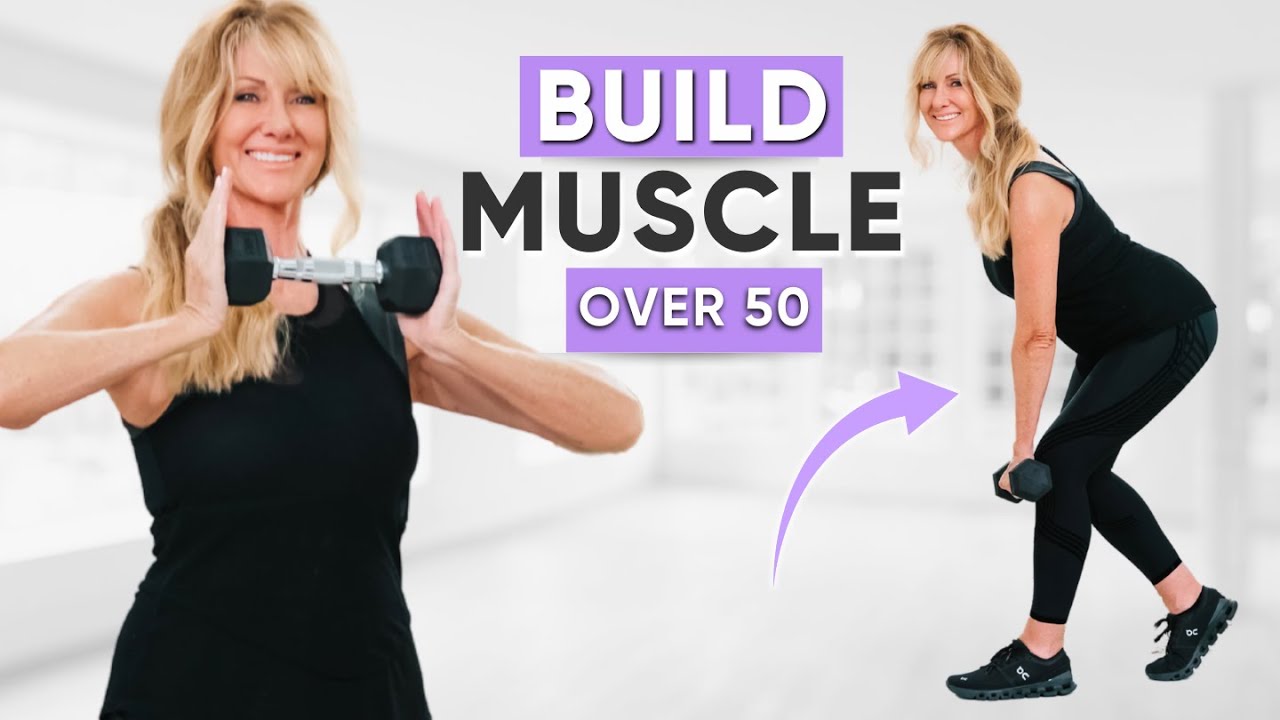
Muscle strength naturally decreases with age. Exercise helps slow this decline. Strong muscles support daily activities like walking and lifting. Resistance training builds muscle safely. It also improves balance and reduces fall risk.
Enhanced Bone Density
Bone density drops as women age, increasing fracture risk. Weight-bearing exercises stimulate bone growth. Activities like walking, jogging, or light weightlifting help. Better bone density lowers chances of osteoporosis. Fitness keeps bones stronger and healthier.
Better Mental Health
Exercise releases chemicals that improve mood. It reduces stress, anxiety, and depression. Physical activity boosts memory and cognitive function. Social workouts create connections and reduce loneliness. Mental health benefits support overall well-being.
Increased Energy Levels
Regular movement boosts stamina and reduces fatigue. Fitness improves heart and lung function. This leads to more energy for daily tasks. Active women feel less tired throughout the day. Increased energy supports a more active lifestyle.

Credit: www.freepik.com
Safe Exercise Practices
Staying active is essential for older women, but safety should always be your top priority. Exercising safely helps prevent injuries and ensures you enjoy every workout session without setbacks. Understanding and applying safe exercise practices can make all the difference in your fitness journey.
Warm-up And Cool-down Routines
Starting your workout with a warm-up prepares your muscles and joints for movement. Simple activities like walking or gentle stretching for 5 to 10 minutes increase blood flow and reduce the risk of injury.
Cooling down after exercise is just as important. It helps your heart rate return to normal gradually and prevents muscle stiffness. Try slow stretches or light walking to ease your body back to rest.
Listening To Your Body
Your body sends clear signals when something isn’t right. Pay attention to pain, dizziness, or excessive fatigue during workouts. These signs mean you need to slow down or stop.
Adjust exercises to fit your current fitness level. It’s okay to take breaks or modify movements. What’s more important is consistency and avoiding harm.
Proper Form And Technique
Using correct form protects your joints and muscles from unnecessary strain. Watching videos or working with a trainer can help you learn the right techniques.
Even small mistakes, like rounding your back during a squat, can cause long-term issues. Focus on controlled, steady movements rather than speed or heavy weights.
Strength Training Tips
Strength training is essential for maintaining muscle mass, improving bone density, and boosting metabolism as you age. It doesn’t have to be complicated or intimidating. With the right approach, you can build strength safely and effectively, enhancing your overall fitness and daily energy.
Choosing The Right Weights
Picking the right weights is key to making progress without injury. Start with lighter weights that allow you to complete 10 to 15 reps comfortably but still challenge your muscles by the last few reps.
Don’t rush to heavier weights; focus on form first. As your strength improves, gradually increase the weight in small steps. Ask yourself: can you maintain good posture and control throughout the movement? If not, lower the weight.
Bodyweight Exercises
Your own body weight can be a powerful tool for strength training. Exercises like squats, wall push-ups, and chair dips work multiple muscle groups without needing equipment.
Bodyweight exercises are easy to modify to match your current fitness level. For instance, if a regular push-up feels tough, try it against a wall or a sturdy table. How can you challenge yourself today using just your body?
Using Resistance Bands
Resistance bands offer a versatile and low-impact way to add resistance to your workouts. They come in different strengths, so you can pick one that suits your current ability.
Incorporate bands into exercises like bicep curls, leg lifts, and seated rows. Bands help improve muscle tone and joint stability. Do you have a favorite resistance band move that feels effective and fun?

Credit: www.freepik.com
Cardio Workouts For Vitality
Cardio workouts play a crucial role in maintaining your vitality as you age. They boost heart health, improve stamina, and help manage weight effectively. The key is to choose exercises that feel good to your body and keep you motivated to move regularly.
Low-impact Options
Low-impact cardio exercises protect your joints while still giving you a good workout. They are especially helpful if you experience arthritis or joint pain. Activities like cycling on a stationary bike or using an elliptical machine let you raise your heart rate without harsh impact.
Think about how much easier it is to stay consistent when your workouts don’t leave you sore or tired for days. Have you tried swapping high-impact moves for gentler options and noticed how much better your body responds?
Walking And Swimming
Walking remains one of the simplest, most effective cardio workouts you can do. It’s easy to fit into your day and gentle on your knees. Adding brisk walking sessions can increase your energy and lift your mood.
Swimming offers a full-body cardio workout that is kind to every joint. The water’s resistance helps strengthen muscles while supporting your body weight. If you haven’t tried swimming yet, it might surprise you how refreshing and fun it can be.
Interval Training
Interval training mixes short bursts of higher intensity with periods of rest or low activity. This method can be adapted to your fitness level and chosen activities. Even walking faster for 30 seconds, then slowing down, can add a new challenge.
Interval workouts improve heart and lung capacity efficiently. They also keep boredom at bay since you’re constantly changing pace. Could adding short bursts of speed to your routine make your cardio sessions more exciting?
Flexibility And Balance
Maintaining flexibility and balance is crucial for older women to stay active and prevent injuries. These abilities help you move with ease and confidence in daily activities. Improving them doesn’t require extreme effort—small, consistent practices can lead to noticeable changes.
Stretching Techniques
Gentle stretching boosts your range of motion and reduces muscle stiffness. Focus on slow, steady stretches, holding each for about 20 to 30 seconds without bouncing. Target key areas like your hamstrings, calves, lower back, and shoulders.
Try to stretch after warming up or at the end of your workouts to avoid injury. Have you ever noticed how tight muscles can limit your movements during simple tasks? Regular stretching can change that feeling, making your body feel more fluid and less prone to aches.
Yoga And Pilates
Yoga and Pilates offer excellent ways to enhance both flexibility and balance. These practices combine controlled breathing with mindful movements that engage your core and improve posture. You don’t need to master complex poses; even beginner routines provide great benefits.
When I started yoga, I found my balance improved significantly within weeks. It helped me feel steadier on my feet and more aware of my body alignment. Could adding a few gentle sessions to your weekly routine help you feel the same?
Balance Improvement Exercises
Simple balance exercises can make a big difference in your stability. Standing on one foot, heel-to-toe walking, or using a balance board can train your muscles and brain to work together better. These exercises also lower the risk of falls, a major concern as we age.
Try to practice balance exercises in front of a sturdy chair or wall for support. Challenge yourself to increase the duration or reduce support as you get stronger. What new activities could you try with improved balance and confidence?
Nutrition For Fitness
Nutrition plays a crucial role in maintaining your fitness as you age. What you eat fuels your workouts, aids recovery, and supports overall health. Paying attention to key nutrients can make a noticeable difference in your strength, energy, and well-being.
Protein Intake
Protein is essential for muscle repair and growth, especially as you get older. Your body’s ability to use protein efficiently decreases with age, so you might need more than you think. Aim to include a good source of protein in every meal, such as lean meats, fish, beans, or dairy.
Have you noticed how your muscles recover slower after exercise? Increasing your protein intake can help speed that up. Snack on Greek yogurt or a handful of nuts to boost your daily protein without much effort.
Hydration
Water supports every function in your body, from joint lubrication to temperature regulation. Older adults often feel less thirsty, which makes staying hydrated a challenge. Carry a water bottle and set reminders to drink regularly throughout the day.
Dehydration can cause fatigue and dizziness, which can derail your fitness routine. If plain water feels boring, try herbal teas or water infused with fresh fruit to keep your fluid intake interesting.
Vitamins And Minerals
Your body needs certain vitamins and minerals to keep bones strong, muscles working, and energy levels high. Calcium and vitamin D support bone health, while magnesium helps with muscle function. Don’t forget about B vitamins, which assist in energy production and brain health.
Think about adding leafy greens, nuts, seeds, and fortified foods to your meals. Have you checked your vitamin levels recently? A simple blood test can reveal if you need supplements to fill any gaps.
Staying Motivated
Staying motivated is often the hardest part of maintaining a fitness routine, especially as you get older. The key is to keep your mindset focused on what you can achieve rather than what feels difficult. Motivation can ebb and flow, but having clear ways to stay on track will help you keep moving forward.
Setting Realistic Goals
Set goals that match your current fitness level and lifestyle. Instead of aiming to run a marathon immediately, try walking briskly for 10 minutes a day and increase gradually. Realistic goals give you small wins that build confidence and momentum.
Ask yourself: What feels doable today? What small step can you take that won’t overwhelm you? Adjust your goals as you progress to keep them challenging yet achievable.
Tracking Progress
Keep a simple journal or use an app to record your workouts and how you feel afterward. Seeing your progress on paper or a screen can boost your motivation like nothing else. It’s rewarding to look back and realize how far you’ve come.
Tracking also helps spot patterns. You might find certain days or activities energize you more. Use that insight to plan your workouts around what works best for you.
Finding Support Groups
Connecting with others who share your fitness goals can make a huge difference. Join local walking clubs, online forums, or fitness classes designed for older women. The encouragement and accountability from a group can keep you engaged.
Have you noticed how much easier it is to stick with something when you have friends cheering you on? Sharing your journey and challenges creates a sense of community that motivates you to keep going.
Credit: www.youtube.com
Frequently Asked Questions
What Are The Best Exercises For Older Women?
Low-impact exercises like walking, swimming, and yoga are ideal. Strength training and balance exercises improve muscle tone and prevent falls. Consistency and gradual progression are key for safety and effectiveness.
How Often Should Older Women Exercise Weekly?
Aim for at least 150 minutes of moderate exercise per week. This can be split into 30-minute sessions, five days a week. Include strength training twice weekly for muscle health and bone strength.
What Diet Supports Fitness In Older Women?
A balanced diet rich in protein, calcium, and vitamins D and B12 supports fitness. Hydration and fiber intake are crucial. Avoid excessive sugars and processed foods for optimal energy and recovery.
How Can Older Women Prevent Injury During Workouts?
Warm up before exercising and cool down afterward. Use proper form and avoid overexertion. Start slow, increase intensity gradually, and listen to your body to reduce injury risk.
Conclusion
Staying active helps older women feel strong and healthy. Simple exercises improve balance, strength, and mood. Small daily steps make a big difference over time. Enjoy movement that feels good and suits your pace. Remember, consistency matters more than intensity.
Keep your body moving, and your mind will stay sharp too. Fitness is a journey, not a race. Embrace each day as a chance to grow stronger. Your health and happiness are worth the effort.







