
Are you ready to push your limits and transform your fitness routine? The Navy Seal Workout Routine might be exactly what you need.
This intense training program is designed to challenge your body and mind, building strength, endurance, and resilience. Imagine the satisfaction of conquering workouts that have been tested by some of the most elite forces in the world. This isn’t just about physical fitness; it’s about developing the mental toughness that Navy Seals are known for.
Are you curious about what it takes to train like a Navy Seal? Stick around, and you’ll discover how this rigorous routine can elevate your fitness game to a whole new level. Get ready to unlock your full potential.
Credit: medium.com
Navy Seal Fitness Principles
The Navy SEAL fitness principles focus on building a strong body and mind. Training targets physical power, mental strength, and lasting stamina. These principles guide every workout to prepare for tough challenges. The routine pushes limits in all areas, shaping elite warriors ready for any mission.
Mental Toughness
Mental toughness is key for Navy SEALs. It means staying calm under pressure and pushing through pain. Training builds focus, discipline, and resilience. SEALs learn to control fear and keep going despite obstacles. This mindset helps handle stress and uncertainty during missions.
Functional Strength
Functional strength trains muscles to work together in real situations. SEAL workouts use bodyweight exercises like push-ups and pull-ups. Weight training improves power for lifting and carrying. Movements mimic tasks like climbing, swimming, and running. This strength helps perform fast, efficient actions in the field.
Endurance Training
Endurance is vital for long missions and tough conditions. SEALs run, swim, and bike to build heart and lung power. Workouts include interval training and steady-state cardio. Endurance training increases stamina and speeds up recovery. It prepares the body for extended physical effort without fatigue.

Credit: www.amazon.com
Daily Workout Structure
The daily workout structure of a Navy SEAL is intense and well-balanced. It focuses on building endurance, strength, and mental toughness. Each day is divided into sessions targeting different fitness areas. This approach ensures all-round physical fitness and prepares the body for demanding tasks.
Morning Conditioning
The day starts with morning conditioning. This session improves cardiovascular health and stamina. Typical exercises include running, swimming, and calisthenics. The goal is to boost energy and endurance for the day ahead. Training often begins with a warm-up, followed by high-intensity drills.
Strength Sessions
Strength sessions focus on muscle power and resilience. These workouts include weightlifting, bodyweight exercises, and functional movements. Core strength, upper body, and legs get special attention. Exercises such as push-ups, pull-ups, and squats are common. This session enhances overall physical strength and injury resistance.
Evening Cardio
The day ends with evening cardio to build endurance. Activities include long-distance running, swimming, or biking. This session helps in recovery and keeps the heart healthy. It also trains the body to perform well under fatigue. Stretching and cool-down exercises follow the cardio work to prevent soreness.
Key Exercises In The Routine
The Navy SEAL workout routine includes exercises that build strength, endurance, and mental toughness. These key exercises target multiple muscle groups and improve overall fitness. They prepare the body for intense physical challenges.
Each exercise focuses on different skills. Some build upper body strength, others increase stamina. Together, they create a balanced and effective training plan.
Push-ups And Pull-ups
Push-ups and pull-ups are core to the Navy SEAL routine. Push-ups strengthen the chest, shoulders, and triceps. Pull-ups target the back and biceps. Both improve upper body strength and endurance.
The routine often includes various push-up types: standard, diamond, and wide-grip. Pull-ups may vary with grips or added weights. These exercises build muscle and increase stamina for tough missions.
Running And Swimming
Running and swimming develop cardiovascular fitness and stamina. Running builds leg strength and endurance. Swimming enhances lung capacity and full-body strength.
The Navy SEAL routine mixes sprints, long-distance runs, and interval training. Swimming workouts include freestyle, breaststroke, and underwater exercises. These improve speed, stamina, and breathing control.
Weight Training Moves
Weight training adds muscle power and resilience. It focuses on major muscle groups, improving strength and injury resistance. Common moves include deadlifts, squats, and bench presses.
These exercises help build explosive power and endurance. They prepare the body to handle heavy loads and harsh conditions. Weight training complements bodyweight exercises for balanced strength.
Sample Weekly Plan
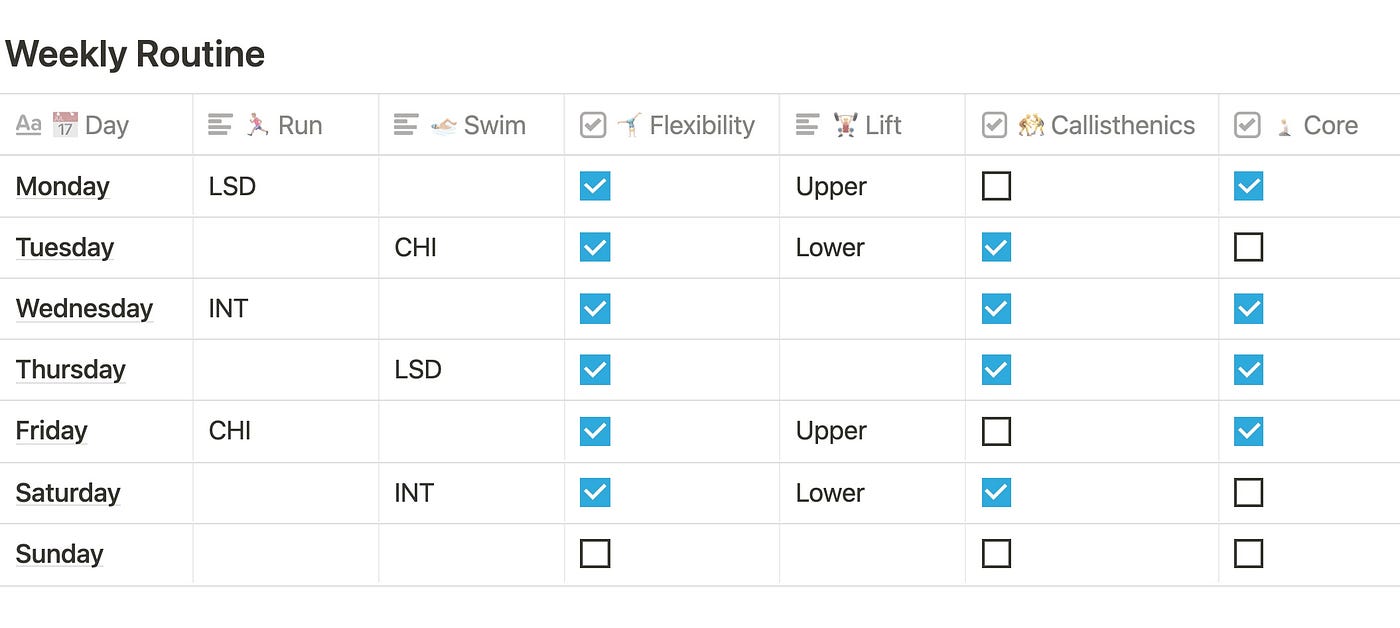
Creating a Navy SEAL workout routine can feel overwhelming at first. But breaking it down into a weekly plan helps you stay focused and measure progress. Here’s a clear sample to guide your training, making sure you hit all the key areas efficiently.
Day-by-day Breakdown
Your week should balance strength, endurance, and skill-building. Here’s how a typical week might look:
| Day | Workout Focus | Example Exercises |
|---|---|---|
| Monday | Cardio & Endurance | Running 3-5 miles, swimming laps |
| Tuesday | Strength Training | Push-ups, pull-ups, weightlifting |
| Wednesday | Mixed Workout | Circuit training, rope climbs, core exercises |
| Thursday | Long Distance Run | 6-8 miles steady pace |
| Friday | High-Intensity Interval Training (HIIT) | Sprints, burpees, kettlebell swings |
| Saturday | Swimming & Recovery | Easy swimming, stretching, mobility drills |
| Sunday | Rest | Complete rest or light walk |
Notice how every session targets different muscles and energy systems. This variety prevents burnout and keeps your progress steady. Have you ever felt stuck doing the same routine? Switching up your workouts like this can reignite your motivation.
Rest And Recovery Days
Rest days are not a break from progress; they are part of it. Navy SEALs know that muscles need time to repair and grow stronger. Skipping rest can lead to injury or plateaus.
On rest days, focus on activities that promote healing. Gentle yoga, light swimming, or a casual walk can keep you active without strain. Paying attention to how your body feels during these days will help you decide if you need more recovery or if you’re ready to push harder.
Think about how your energy fluctuates through the week. Are you rushing through rest days or fully embracing them? Adjusting your recovery might be the key to reaching your next fitness level.
Nutrition For Seal-level Fitness
Nutrition plays a crucial role in achieving SEAL-level fitness. Fueling your body properly enhances endurance, strength, and recovery. It’s not just what you eat but when and how you hydrate that makes a difference.
Meal Timing
Eating at the right times keeps your energy steady throughout intense workouts. Aim to have a balanced meal 2-3 hours before training to avoid feeling sluggish. A small snack 30-60 minutes before exercise can boost your stamina without causing discomfort.
After training, your body needs nutrients fast. Try to eat a recovery meal within 45 minutes to replenish glycogen and repair muscles. This habit helped me push through tough workout days with less fatigue.
Macronutrient Balance
Your body needs a mix of carbohydrates, proteins, and fats to perform at its best. Carbs provide quick energy, proteins repair muscles, and fats support long-term endurance. A typical SEAL workout meal might look like:
| Macronutrient | Examples | Purpose |
|---|---|---|
| Carbohydrates | Brown rice, sweet potatoes, oatmeal | Fuel for energy |
| Proteins | Chicken breast, eggs, Greek yogurt | Muscle repair and growth |
| Fats | Avocado, nuts, olive oil | Endurance and hormone support |
Think about your meals—are you balancing these three or leaning too much on one? Adjusting your plate can improve your workout results dramatically.
Hydration Tips
Water is your best workout partner. Staying hydrated improves focus, reduces cramps, and speeds up recovery. Drink small amounts regularly rather than large gulps infrequently.
Adding electrolytes during long sessions helps replace lost minerals. I started sipping a homemade mix of water, lemon, and a pinch of salt during runs, and it made a noticeable difference in my endurance.
Ask yourself: Are you drinking enough to match your sweat rate? Tracking your hydration can help you avoid fatigue and stay sharp.

Credit: www.ebay.com
Adapting The Routine For Beginners
The Navy SEAL workout is intense and built for elite fitness levels. Beginners need to adjust this routine to avoid injury and build stamina safely. Adapting the workout helps create a strong base for future progress. It also makes the exercises manageable and less overwhelming.
Start slow and focus on form. Consistency beats intensity at the beginning. Listening to your body prevents burnout and promotes steady gains.
Scaling Intensity
Lower the number of repetitions and sets. Use lighter weights or no weights at all. Shorten workout time but keep the exercises consistent.
- Reduce running distance or speed
- Perform push-ups on knees instead of toes
- Replace pull-ups with assisted versions or rows
- Take longer rest periods between sets
Gradually increase intensity as strength and endurance improve. Keep track of progress to stay motivated.
Building Foundational Strength
Focus on basic movements that build core and overall strength. Include bodyweight exercises to develop muscle control.
- Planks for core stability
- Squats and lunges for leg strength
- Push-ups for upper body
- Dead hangs to improve grip and shoulder strength
Practice good form before adding speed or weight. Strength gained here reduces injury risk and improves workout performance.
Common Challenges And Solutions
The Navy SEAL workout routine is tough and demanding. Many face challenges during training that can slow progress or cause setbacks. Understanding common obstacles helps find smart solutions. This keeps the training safe and effective.
Preventing Injuries
Injuries can stop your progress quickly. Training hard stresses muscles and joints. Proper warm-up is key. Spend 10 minutes stretching and doing light cardio before workouts. Use correct form to avoid strain. Do not rush through exercises.
Rest days are important. They allow muscles to heal and grow stronger. Overtraining causes fatigue and raises injury risk. Listen to your body’s signals. If pain lasts more than a day, reduce intensity or see a doctor.
Staying Motivated
SEAL training is long and tiring. Motivation can fade fast. Set small goals for each session. Celebrate achievements, no matter how small. This builds confidence and keeps you moving forward.
Train with a partner. They provide support and push you harder. Change your routine often to avoid boredom. Visualize your end goal and remind yourself why you started. Consistency beats intensity for long-term success.
Tracking Progress Effectively
Tracking progress effectively is crucial when following the Navy SEAL workout routine. Without clear tracking, it’s easy to lose motivation or miss signs that your workout needs adjustment. Keeping an accurate record helps you see how far you’ve come and highlights areas needing improvement.
Performance Metrics
Focus on specific performance metrics that reflect your strength, endurance, and agility. Track your times for runs and swims, number of push-ups, pull-ups, and sit-ups completed in a set time, and how much weight you can lift.
Use a simple log or a fitness app to record these numbers regularly. Seeing your push-ups increase from 20 to 40 in a month is a clear sign of progress. How often do you measure your workouts to ensure steady improvement?
Adjusting Goals
Your goals should evolve as you improve. If you hit a target easily, raise the bar to keep challenging yourself. For example, if you complete a 2-mile run in 15 minutes, aim for 14 minutes next.
Don’t hesitate to tweak your workout plan based on your tracked data. Adjustments keep you from plateauing and help maintain motivation. What small change can you make this week to push your limits further?
Frequently Asked Questions
What Exercises Are In The Navy Seal Workout Routine?
The Navy SEAL workout includes running, swimming, push-ups, pull-ups, sit-ups, and strength training. It focuses on endurance, strength, and agility to prepare candidates for demanding physical tasks.
How Often Should I Do The Navy Seal Workout?
Navy SEALs train daily, often twice a day. Beginners should start with 3-4 sessions weekly, gradually increasing frequency to build stamina and avoid injury.
Can Beginners Follow The Navy Seal Workout Routine?
Yes, beginners can follow it by modifying intensity and volume. Start slow, focus on form, and progressively increase difficulty to safely build strength and endurance.
How Long Does A Navy Seal Workout Session Last?
A typical session lasts 60 to 90 minutes, combining cardio and strength exercises. Longer sessions are common as fitness improves for optimal performance.
Conclusion
The Navy SEAL workout routine builds strength and endurance fast. It challenges your body with tough exercises. Stick to the plan and be patient. Results come with time and hard work. Remember to rest and eat well too. This routine can improve your fitness a lot.
Stay focused and keep pushing forward. You can get stronger every day. Small steps lead to big changes. Keep going and never give up.







