
Are you curious about how you can harness the power of your own body to achieve incredible fitness results? If so, you’re in the right place.
Bodyweight training exercises have taken the fitness world by storm, and for good reason. These exercises are not only effective, but they also come with a host of benefits that gym equipment just can’t offer. But have you ever wondered what type of movements these exercises fall under?
Understanding this can unlock a new level of fitness potential for you. We’ll dive into the science of bodyweight training movements, unraveling the mystery behind their effectiveness. Stick around, because what you learn might just revolutionize the way you approach your workouts. Ready to transform your fitness routine? Let’s get started!
Bodyweight Training Basics
Understanding the basics of bodyweight training can change how you approach fitness. Most bodyweight exercises are classified as compound movements, meaning they work multiple muscle groups and joints at the same time. This type of movement enhances coordination and strength in a natural, functional way.
What Is Bodyweight Training
Bodyweight training uses your own body as resistance to build strength and endurance. You don’t need any equipment, which makes it easy to do anywhere. Movements like push-ups, squats, and lunges target several muscles simultaneously, helping you move better in daily life.
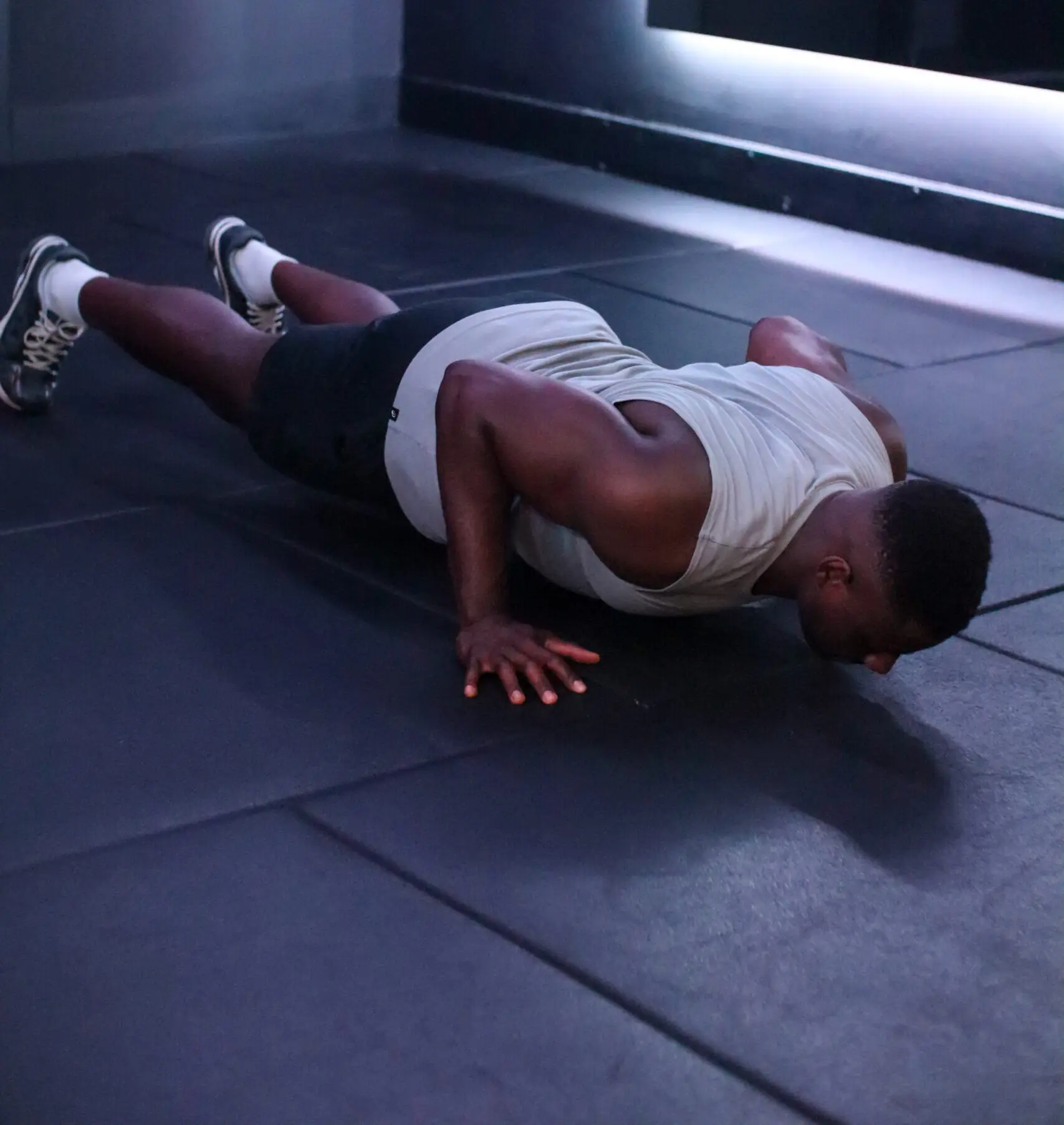
Think about a push-up. It engages your chest, shoulders, triceps, and core all at once. That’s why these exercises are often called compound movements—they work multiple parts together, improving overall muscle balance and joint stability.
Benefits Of Using Bodyweight
One of the biggest advantages is convenience. You can exercise anytime, without a gym or weights. This makes it easier to stay consistent and fit workouts into your schedule.
Bodyweight exercises also reduce the risk of injury because you control the movement and load. You learn to move your body more efficiently, which improves posture and flexibility. Plus, these exercises can be easily modified to match your fitness level, making progress clear and motivating.
Have you noticed how your strength improves when you challenge your body with varied movements? Bodyweight training encourages that by mixing different exercises and adjusting difficulty. It’s a smart way to build real, usable strength every day.
Credit: just12reps.com
Types Of Movement Patterns
Understanding the types of movement patterns in bodyweight training is key to building a balanced and effective workout routine. These patterns reflect how your body moves naturally, helping you target specific muscle groups and improve functional strength. Recognizing each movement type allows you to focus on exercises that enhance your overall fitness and prevent injury.
Push Movements
Push movements involve extending your arms or legs away from your body. These exercises mainly target your chest, shoulders, and triceps. Think about push-ups or dips—both require you to push your body weight against gravity, strengthening your upper body and core.
Have you noticed how your arms and chest get stronger after doing push movements regularly? That’s because these exercises challenge your muscles to work against resistance, building endurance and power.
Pull Movements
Pull movements focus on drawing your body or limbs toward you. They engage your back, biceps, and rear shoulders. Pull-ups and inverted rows are classic examples that help develop grip strength and upper back muscles without any equipment.
Next time you try a pull-up, feel how your back muscles activate. This natural movement pattern supports everyday activities like lifting and carrying, which means your training translates directly to real life.
Hinge Movements
Hinge movements hinge at the hips, bending forward while keeping your back straight. This pattern targets your hamstrings, glutes, and lower back. Exercises like hip bridges or single-leg deadlifts improve your posture and lower body strength.
Have you ever picked something heavy off the ground and felt strain in your lower back? Practicing hinge movements can teach you to lift safely and efficiently, reducing the risk of injury.
Squat Movements
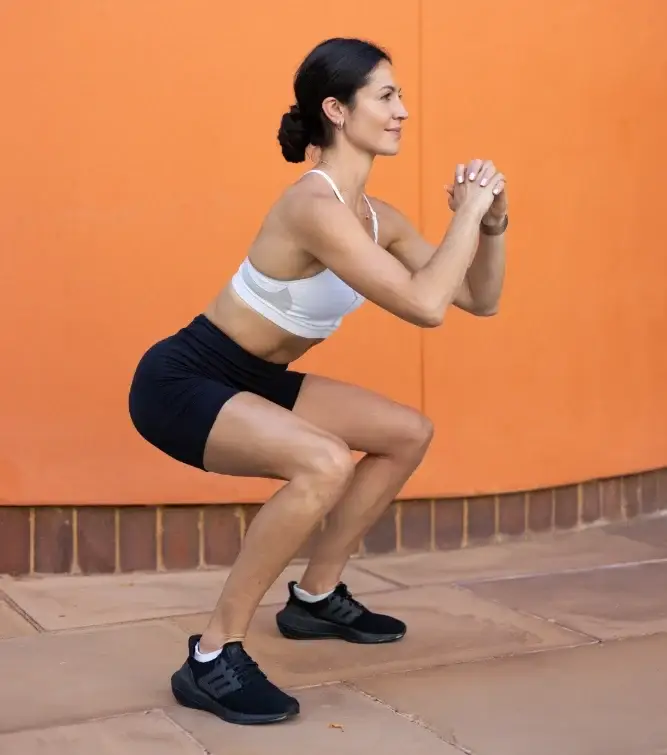
Squat movements involve bending your knees and hips to lower your body, then standing back up. They primarily work your quads, glutes, and calves. Bodyweight squats and jump squats boost leg strength and help with balance and coordination.
Try adding squat variations to your routine and notice how your legs get stronger and your movements feel more stable. Squats mimic everyday actions like sitting and standing, making them essential for functional fitness.
Core Movements
Core movements engage the muscles around your abdomen, lower back, and pelvis. These exercises stabilize your entire body and improve balance. Planks, leg raises, and mountain climbers are excellent bodyweight options that strengthen your core without any gear.
Ask yourself: how often do you consciously work on your core? A strong core supports every movement, so training these muscles can enhance your overall performance and reduce back pain.
Classification Of Bodyweight Exercises
Bodyweight exercises are classified based on the type of movement involved. Understanding these classifications helps improve workout design and target specific muscles efficiently. Most bodyweight exercises fall into clear categories depending on how muscles and joints work during the movement.
Compound Vs Isolation Movements
Compound movements use multiple joints and muscle groups at once. They build strength and coordination by working several areas together. Examples include push-ups and pull-ups.
Isolation movements focus on one joint and muscle group. They help target specific muscles for strength or rehabilitation. A common example is a leg raise that works mainly the hip flexors.
Closed Chain Movements
Closed chain movements occur when the hands or feet stay fixed on a surface. The body moves around these fixed points. Squats and planks are typical closed chain exercises. These movements improve stability and joint strength.
Open Chain Movements
Open chain movements happen when the hands or feet move freely in space. They isolate muscles more than closed chain exercises. Leg swings and arm circles are examples. These exercises help improve muscle control and flexibility.
Credit: just12reps.com
Functional Movements In Bodyweight Training
Functional movements form the core of most bodyweight training exercises. These movements mimic real-life actions and engage multiple muscle groups simultaneously. They prepare your body for everyday tasks by improving strength, coordination, and balance.
Definition Of Functional Movements
Functional movements are exercises that replicate natural body motions you use daily. They involve multiple joints and muscles working together instead of isolating a single muscle. This type of movement improves your body’s efficiency and reduces the risk of injury.
Examples In Bodyweight Workouts
- Squats:Mimic sitting down and standing up, targeting legs, hips, and core.
- Push-ups:Build upper body strength and engage your core while mimicking pushing motions.
- Lunges:Help with stepping and balance, working on legs and stability muscles.
- Planks:Strengthen your core, which supports all body movements.
- Burpees:Combine squats, jumps, and push-ups, challenging your whole body.
Benefits For Daily Activities
Functional movements improve how you move in everyday life. They make lifting, carrying, bending, and reaching easier and safer. Instead of just building muscle, you develop strength that directly helps with tasks like climbing stairs or playing with your kids.
Have you noticed how some exercises feel more natural and helpful outside the gym? That’s because they train your body the way it’s designed to move. Focusing on functional movements in your bodyweight workouts means you’re not just exercising—you’re getting stronger for life.
Movement Quality And Control
Movement quality and control are the foundation of effective bodyweight training exercises. Without them, even the best workout routines can lead to poor results or injury. Focusing on how you move ensures that each exercise targets the right muscles and improves your overall strength and coordination.
Importance Of Proper Form
Proper form is the key to maximizing the benefits of bodyweight exercises. When you maintain correct posture and alignment, you engage the right muscles and avoid unnecessary strain.
Think about a push-up: if your hips sag or your neck strains forward, you reduce the effectiveness and put your shoulders at risk. Have you noticed how small tweaks in your stance can make a big difference in effort and comfort?
Pay close attention to your body’s signals. If something feels off, pause and adjust before continuing.
Progressions And Regressions
Not every exercise fits everyone at the start, and that’s okay. You can modify movements to match your current ability and build from there.
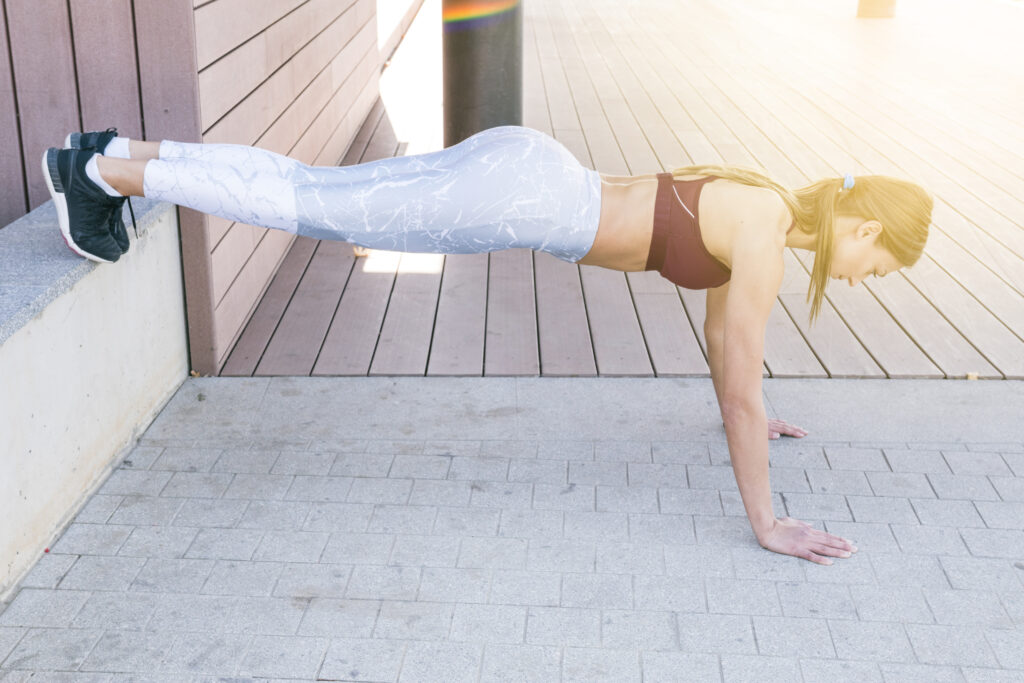
Progressions add difficulty, like moving from knee push-ups to full push-ups. Regressions simplify the move, such as doing wall push-ups before the floor version.
Adjusting exercises keeps you challenged without pushing too hard. What’s your current go-to modification when a move feels too tough or easy?
Injury Prevention
Controlling your movements helps protect your joints and muscles from injury. Sharp or uncontrolled motions increase the risk of strains and overuse problems.
Slow, deliberate reps give your body time to stabilize and respond. You’ll notice better balance and less discomfort during and after workouts.
Listening to your body’s limits isn’t a weakness; it’s smart training. How often do you check in with your form and control during your workouts?
Incorporating Movement Types Into Training
Most bodyweight training exercises fall under functional movements, engaging multiple muscle groups simultaneously. Adding different types of movements to your workouts ensures balanced strength and flexibility. It also keeps your routine interesting and effective.
Balancing Different Movements
Bodyweight exercises typically include pushing, pulling, squatting, hinging, and core stabilization. Focusing too much on one movement type can lead to muscle imbalances or injury. You should aim to balance these movements across your sessions to work your body evenly.
Think about how many push-ups you do versus pull-ups. Are you neglecting pulling movements? Adding exercises like inverted rows can help correct this imbalance.
Designing Effective Routines
Effective routines mix different movement types to target your whole body. Start with a compound movement like squats or push-ups, then add core work and some pulling exercises. This approach helps build functional strength and endurance.
Try grouping exercises into circuits that challenge various muscle groups. For example:
- Squats (lower body)
- Push-ups (upper body push)
- Planks (core)
- Inverted rows (upper body pull)
Changing the order and intensity of these movements keeps your muscles guessing and growing stronger.
Tracking Progress
Keeping track of your performance across different movement types highlights your strengths and weaknesses. Use a simple journal or an app to record reps, sets, and how you feel after workouts. This data helps you adjust your routine to improve steadily.
Have you noticed one movement type lagging behind? Focus more on that in your next sessions. Tracking also motivates you by showing tangible progress in your bodyweight training journey.
Credit: www.jefit.com
Frequently Asked Questions
What Type Of Movements Are Bodyweight Exercises?
Bodyweight exercises mainly involve functional movements. These movements mimic natural human actions like pushing, pulling, and squatting. They engage multiple muscle groups and improve overall strength and coordination without equipment.
Are Bodyweight Exercises Compound Or Isolation Movements?
Most bodyweight exercises are compound movements. They work several joints and muscles simultaneously. This enhances muscle coordination and builds functional strength efficiently.
Why Are Bodyweight Exercises Called Functional Movements?
They replicate everyday body movements. This improves practical strength and mobility. Functional movements help with balance, stability, and injury prevention in daily activities.
How Do Bodyweight Movements Benefit Joint Health?
Bodyweight exercises promote natural joint movement. They improve flexibility and strengthen surrounding muscles. This reduces joint stress and lowers injury risk.
Conclusion
Bodyweight exercises mainly involve functional movements. They use your own body weight for resistance. These exercises improve strength, balance, and flexibility. Many focus on multiple muscle groups at once. You can do them anywhere without equipment. They suit all fitness levels and goals.
Consistent practice helps build a strong, healthy body. Simple, natural movements keep your body active. Understanding their type helps plan better workouts. Try adding these exercises to your routine. Feel the benefits of natural body movement.







