
Ever wonder how models maintain their stunning physique and radiant energy? You’re not alone.
The secret to their toned bodies and captivating presence often lies in a well-crafted workout routine. Imagine having access to a model workout routine that not only elevates your fitness game but also boosts your confidence. By following this guide, you can uncover the strategies and exercises that models swear by.
Ready to transform your body and mindset? Dive in to discover how you can incorporate these powerful techniques into your daily life, and watch as your fitness goals become a reality.
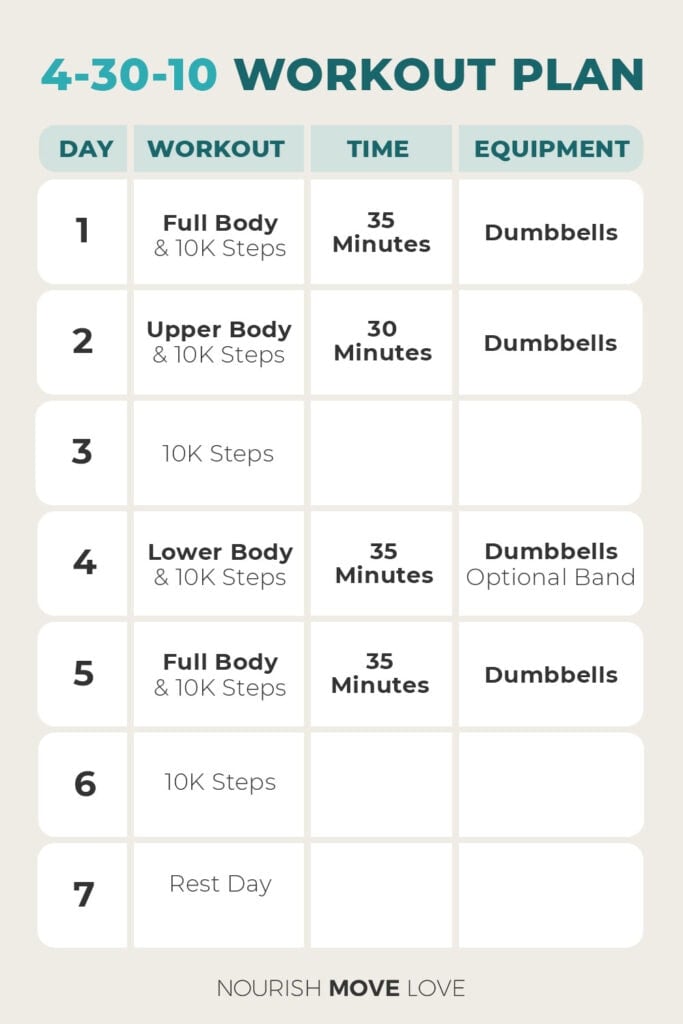
Credit: www.nourishmovelove.com
Workout Basics
Understanding the basics of a model workout routine sets a strong foundation. It helps build a balanced and effective exercise habit. Simple rules guide every workout session. These rules ensure safety, progress, and lasting results. Clear goals and consistent effort matter most.
Key Principles
Focus on form and control during every exercise. Proper technique prevents injury and improves results. Balance strength, flexibility, and cardio for overall fitness. Rest days are as important as workout days. They allow muscles to recover and grow. Keep workouts varied to avoid boredom and plateaus. Listen to your body and adjust intensity as needed.
Frequency And Duration
Workouts should happen three to five times a week. Each session can last between 30 and 60 minutes. Short, focused workouts often beat long, unfocused ones. Consistency over time brings the best changes. Avoid skipping sessions to maintain momentum. Gradually increase workout time or intensity to stay challenged.
Warm-up And Cool-down
Start every workout with a warm-up to prepare your body. Warm-ups increase blood flow and reduce injury risk. Simple moves like walking or light stretching work well. End each session with a cool-down to relax muscles. Stretching during cool-down helps reduce soreness. This routine supports faster recovery and better flexibility.
Strength Training
Strength training is a key part of a model workout routine. It helps build lean muscle and tones the body. This training improves posture and boosts metabolism. Models use strength training to stay fit and look sculpted. The focus is on controlled movements with proper form. This prevents injury and helps achieve the best results.
Compound Exercises
Compound exercises work multiple muscles at the same time. They save time and burn more calories. Examples include squats, deadlifts, and bench presses. These moves build strength and improve overall muscle balance. Compound exercises also enhance coordination and stability.
Isolation Movements
Isolation movements target one muscle group specifically. These exercises help shape and define muscles. Common isolation moves are bicep curls and tricep extensions. They allow models to focus on weaker areas. Isolation exercises add detail to the physique.
Progressive Overload
Progressive overload means gradually increasing workout difficulty. It can be done by adding weight or reps. This technique forces muscles to grow stronger over time. Progressive overload prevents plateaus and keeps progress steady. It is essential for continuous improvement in strength training.
Cardio For Definition
Cardio plays a crucial role in achieving muscle definition. It helps burn fat while preserving lean muscle, making your hard work in the gym visible. The right type and timing of cardio can sharpen your physique without compromising strength.
Types Of Cardio
There are various cardio exercises you can choose from, each affecting your body differently. Running, cycling, swimming, and rowing engage large muscle groups and boost calorie burn.
Low-impact options like walking or elliptical machines are easier on your joints and great for longer sessions. Mixing different types keeps your routine fresh and challenges your body in new ways.
Hiit Vs Steady State
High-Intensity Interval Training (HIIT) involves short bursts of intense effort followed by rest. It burns a lot of calories in less time and increases your metabolism for hours after the workout.
Steady-state cardio means maintaining a consistent pace, like jogging or cycling at a moderate speed. It’s less demanding on your body but effective for building endurance and burning fat over longer periods.
Which one fits your lifestyle better? If you have limited time, HIIT might be your best bet. If you prefer a more relaxed pace, steady state could keep you consistent.
Scheduling Cardio Sessions
Timing your cardio sessions can impact your muscle definition and recovery. Many find doing cardio after weight training helps burn fat while muscles are already warmed up.
Alternatively, some prefer morning cardio on an empty stomach to tap into fat stores. However, listen to your body—if you feel drained, adjust the timing.
Try fitting 3 to 5 cardio sessions per week, depending on your goals and energy levels. Balancing cardio with strength training ensures you keep muscle while getting lean.
Targeted Muscle Groups
Understanding which muscle groups to target can make your workout routine more effective and balanced. Focusing on specific areas helps you shape your body the way you want while preventing injuries. Let’s look closely at how to work on your upper body, lower body, and core strength.
Upper Body Focus
Your upper body includes muscles in your chest, back, shoulders, and arms. Strengthening these areas improves posture and gives you a toned, defined look. You might try push-ups, dumbbell presses, or rows to build these muscles.
Think about how much easier daily tasks become when your upper body is strong. Lifting groceries or carrying a backpack feels lighter. What upper body exercises do you enjoy that also challenge you?
Lower Body Focus
Your legs and glutes power almost every movement you make. Squats, lunges, and deadlifts are great exercises to build strength here. These moves increase your stability and boost your metabolism.
Strong legs also protect your knees and hips from injury. Have you noticed how a strong lower body improves your balance and endurance? Adding just a few minutes of leg work can make a big difference.
Core Strength
The core includes muscles around your abdomen, lower back, and pelvis. A strong core supports your spine and helps with almost every movement. Planks, Russian twists, and leg raises are excellent choices to build core strength.
Core strength often gets overlooked, but it’s key for a model’s sleek silhouette and overall fitness. How often do you focus on your core during workouts? Even simple core exercises can improve your posture and reduce back pain.
Recovery Strategies
Recovery strategies are essential for maintaining a model workout routine that not only shapes your body but also keeps you energized and injury-free. Without proper recovery, your progress can stall, and the risk of burnout increases. Paying attention to how you recover can be just as important as the workout itself.
Rest Days
Rest days give your muscles time to repair and grow stronger. Skipping rest can lead to fatigue and increase the chance of injury. Think of rest days as part of your workout plan, not a break from it.
You don’t have to be completely inactive—light activities like walking or gentle yoga can keep you moving without stressing your body. How do you feel after a full day of rest versus active recovery? Listen to your body’s signals.
Stretching And Mobility
Stretching helps keep your muscles flexible and reduces stiffness after workouts. Spending just 10 minutes on mobility exercises can improve your range of motion and prevent tightness.
Try simple stretches targeting your problem areas—like hamstrings or hips—right after your workout. You might notice your posture and overall movement feel better throughout the day.
Sleep Importance
Sleep is the ultimate recovery tool. During deep sleep, your body releases growth hormone which helps repair muscles and tissues.
Most adults need 7 to 9 hours of quality sleep for optimal recovery. If you struggle with sleep, consider setting a consistent bedtime and creating a calm, dark environment to improve your rest.
Have you tracked how your workout performance changes when you get enough sleep? The difference might surprise you.

Credit: www.reddit.com
Nutrition Tips
Nutrition plays a key role in a model’s workout routine. Proper eating supports energy, muscle tone, and overall health. Focusing on balanced meals helps maintain a lean physique and boosts workout results. Simple nutrition tips can make a big difference in daily performance and recovery.
Macronutrient Balance
Models need the right mix of carbs, proteins, and fats. Carbohydrates fuel the body and brain. Protein helps build and repair muscles. Healthy fats support skin, hair, and hormone health. Aim for meals that combine all three macros for steady energy and muscle recovery.
- Include whole grains and fruits for carbs.
- Choose lean meats, beans, or tofu for protein.
- Use nuts, seeds, or olive oil for healthy fats.
Meal Timing
Eating at the right times improves workout energy and muscle growth. Have a small meal or snack before exercise to fuel your body. After workouts, eat protein and carbs to help muscles recover. Regular meals every 3-4 hours keep metabolism steady and prevent overeating.
Hydration
Water is essential for fitness and skin health. Drink plenty throughout the day to avoid dehydration. Water helps regulate body temperature and supports digestion. Avoid sugary drinks and limit caffeine. Carry a water bottle to stay hydrated during workouts and daily activities.
Tracking Progress
Tracking progress is key to staying motivated and making real gains in your model workout routine. Without clear feedback, it’s easy to lose sight of how far you’ve come or where you need to improve. Keeping track helps you stay accountable and adjust your efforts for better results.
Workout Logs
Writing down what you do in each workout session turns vague goals into clear targets. Note the exercises, weights, reps, and how you feel during the workout.
This simple habit reveals patterns. Maybe you’re stronger in the morning or certain moves challenge you more than others.
Ask yourself: Are you pushing harder than last week? Small improvements add up quickly when you track consistently.
Body Measurements
Scales don’t tell the full story. Measuring your waist, hips, arms, and thighs gives a clearer picture of body changes over time.
Take measurements every two weeks to notice shifts in muscle tone or fat loss. This data boosts confidence when progress feels slow.
Have you ever noticed your clothes fitting better before the scale moves? That’s the power of tracking measurements.
Adjusting The Routine
Your body adapts fast. If you keep doing the same workout without changes, progress stalls.
Use your logs and measurements to decide when to increase weights, try new exercises, or add rest days. This keeps your routine fresh and effective.
Think about what’s working and what feels stale. Are certain exercises no longer challenging you? Adjusting keeps your muscles guessing and growing.
Common Mistakes
Many people make common mistakes in their model workout routines. These errors can slow progress and increase injury risk. Avoiding these pitfalls helps maintain steady gains and overall health.
Overtraining
Working out too much causes fatigue and muscle breakdown. Rest days are essential for muscle repair and growth. Overtraining leads to lower energy and poor performance. Balance workout intensity with recovery time for best results.
Neglecting Form
Poor exercise form reduces workout effectiveness and raises injury risk. Correct posture and movement activate the right muscles. Focus on technique over heavy weights. Using mirrors or trainers can help improve form.
Ignoring Recovery
Skipping recovery slows muscle repair and causes burnout. Sleep, stretching, and hydration boost recovery. Recovery days help muscles rebuild stronger. Listen to your body and allow time to rest.

Credit: m.youtube.com
Frequently Asked Questions
What Is A Typical Model Workout Routine?
A typical model workout routine combines cardio, strength training, and flexibility exercises. It focuses on toning muscles and maintaining a lean physique. Workouts often include Pilates, yoga, and light weightlifting for balanced fitness and body sculpting.
How Often Do Models Exercise Weekly?
Models typically exercise 4 to 6 times a week. Consistency helps maintain muscle tone and overall fitness. Rest days are included to allow recovery and avoid burnout. The focus is on sustainable, balanced workouts rather than intense daily sessions.
What Exercises Help Achieve A Model-like Body?
Key exercises include Pilates, yoga, bodyweight workouts, and light resistance training. These improve posture, flexibility, and muscle definition. Cardio like running or cycling aids fat loss. The goal is a lean, toned look without excessive muscle bulk.
How Long Is A Model’s Workout Session?
Model workouts usually last between 30 to 60 minutes. Sessions are efficient, combining strength, cardio, and stretching. Shorter, focused workouts help maintain energy and prevent fatigue. Quality over quantity is essential for sustainable fitness.
Conclusion
A model workout routine helps build strength and stay fit. Stick to regular exercise and eat healthy meals. Rest well to let your body recover fully. Small steps lead to big changes over time. Keep your goals clear and stay motivated daily.
Consistency is key for lasting results and health. Enjoy the process and feel your energy grow. This routine fits well for anyone wanting to improve. Give your body the care it truly deserves.







