
If you want to build muscle effectively, understanding macros is your secret weapon. Knowing how much protein, carbs, and fats your body needs can make all the difference in your progress.
Imagine fueling your workouts and recovery with the right balance, so you gain muscle faster and feel stronger every day. You’ll discover simple, clear guidance on macros that fits your goals—no confusion, just results. Ready to unlock your muscle-building potential?
Let’s dive in.
Macros And Muscle Growth
Macros play a key role in muscle growth. Understanding how protein, carbohydrates, and fats work helps build muscle effectively. Each macro supports your body differently during training and recovery.
Role Of Protein In Muscle Repair
Protein provides the building blocks for muscle repair. After workouts, muscles undergo tiny tears. Protein helps fix these tears and makes muscles stronger. Eating enough protein daily supports faster recovery. Good sources include chicken, fish, eggs, and legumes.
Carbohydrates For Energy
Carbohydrates supply energy for workouts. Muscles use carbs stored as glycogen to fuel exercise. Without carbs, energy drops and strength fades. Eating carbs before and after training helps maintain energy levels. Examples are rice, oats, fruits, and vegetables.
Fats And Hormone Balance
Fats support hormone production vital for muscle growth. Hormones like testosterone and growth hormone depend on healthy fats. Fats also help absorb vitamins and keep cells healthy. Include sources such as nuts, seeds, avocados, and olive oil.

Credit: medium.com
Calculating Your Macros
Calculating your macros is a crucial step in building muscle effectively. It gives you control over what you eat and ensures your body gets the right nutrients to grow. If you’ve ever felt stuck despite hitting the gym hard, your macro balance might be the missing piece.
Determining Calorie Needs
Start by figuring out how many calories you need daily. This depends on your age, weight, activity level, and goals. Use an online calorie calculator or track your food for a week to get a baseline.
To build muscle, you usually need to eat more calories than you burn. A good rule of thumb is to add 250–500 calories to your maintenance level. This creates a calorie surplus that supports muscle growth without excessive fat gain.
Setting Protein Targets
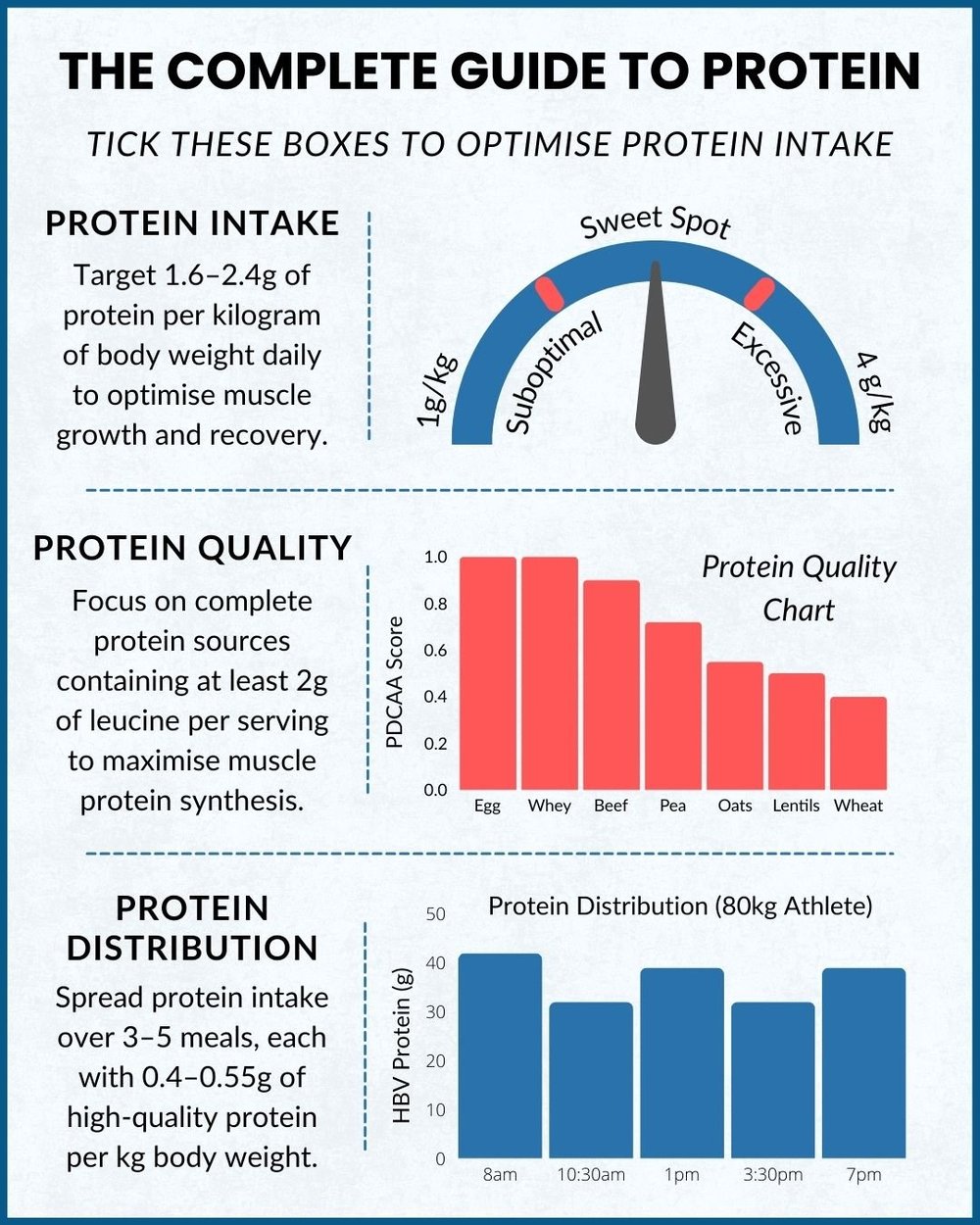
Protein is the foundation of muscle repair and growth. Aim for about 1.6 to 2.2 grams of protein per kilogram of your body weight daily.
For example, if you weigh 70 kg, your protein target would be between 112 and 154 grams per day. Spread this intake evenly across meals to keep your muscles fueled throughout the day.
Balancing Carbs And Fats
Carbs provide energy, while fats support hormone production and overall health. After setting your protein, allocate the remaining calories between carbs and fats based on your preferences and lifestyle.
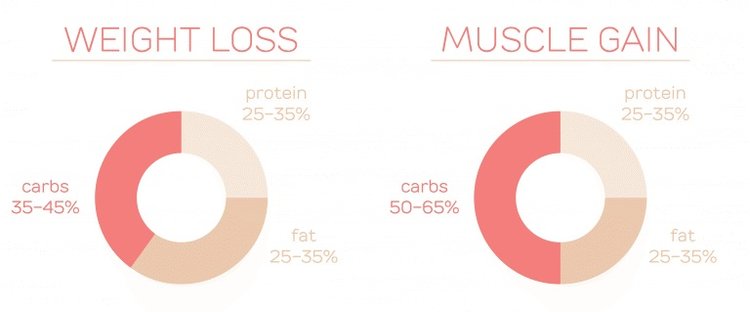
A common split is 40-50% carbs and 20-30% fats. If you feel low on energy during workouts, consider increasing carbs. If you notice fatigue or mood swings, adding more healthy fats might help.
- Choose complex carbs like oats, brown rice, and sweet potatoes.
- Include healthy fats from sources like avocado, nuts, and olive oil.
How do you feel about adjusting your macros? Tracking them for a week might reveal surprising patterns in your diet and energy.
Meal Planning For Muscle Gain
Meal planning plays a key role in building muscle effectively. Proper meals fuel your workouts and help muscles recover. Balancing proteins, carbs, and fats supports muscle growth and energy. Planning meals ahead can keep your nutrition on track and reduce guesswork. Smart meal choices help maximize muscle gain while maintaining overall health.
Timing Your Macros
Eating the right nutrients at the right time boosts muscle growth. Protein intake is crucial after workouts to repair muscles. Carbohydrates provide energy before and after exercise. Spread your macros evenly throughout the day for steady fuel. Avoid long gaps between meals to keep muscles fed.
Sample Meal Plans
| Meal | Protein (g) | Carbs (g) | Fats (g) | Example Foods |
|---|---|---|---|---|
| Breakfast | 30 | 40 | 10 | Oats, eggs, banana |
| Lunch | 35 | 50 | 15 | Chicken breast, rice, broccoli |
| Snack | 20 | 20 | 10 | Greek yogurt, almonds |
| Dinner | 40 | 45 | 20 | Salmon, sweet potato, spinach |
Snacking Smart
Choose snacks that combine protein and carbs for muscle repair. Avoid snacks high in sugar or unhealthy fats. Nuts, yogurt, and fruit make great muscle-building snacks. Keep snacks small but nutrient-dense to maintain energy levels. Snack timing can help prevent hunger and support muscle recovery.
Adjusting Macros For Progress
Adjusting macros is key to steady muscle growth. Your body changes as you train, so your nutrition must adapt. Small tweaks in protein, carbs, and fats help avoid stalls and keep progress steady.
Understanding how to adjust macros can improve muscle gains. It supports recovery, energy, and muscle repair. Tracking changes, knowing when to increase calories, and handling plateaus all play a role.
Tracking Changes
Track your food intake and workouts closely. Note strength gains, muscle size, and body weight. Use apps or journals to record daily macros. This data shows if your current plan works or needs adjusting.
Regular tracking helps spot trends. If muscle growth slows or energy drops, it signals a need to change macros. Adjust one macro at a time for clear results.
When To Increase Calories
Increase calories when muscle growth stalls for two weeks. Add 5-10% more calories to your daily intake. Focus on adding carbs and protein first. This boosts energy and supports muscle repair.
Too many extra calories can cause fat gain. Increase slowly and watch how your body responds. Adjust calories based on progress, not guesswork.
Dealing With Plateaus
Plateaus happen when your body adapts to current macros. To break through, vary your macros or total calories. Try increasing protein or carbs slightly. This can restart muscle growth.
Change workout intensity or volume along with macros. Rest and recovery matter too. Patience and consistency help overcome plateaus.
Common Mistakes To Avoid
Many people make errors while tracking macros for muscle gain. These mistakes can slow progress and cause frustration. Avoiding common pitfalls helps maintain steady gains and good health.
Overeating Protein
Protein is important for muscle growth, but too much can harm your body. Excess protein may strain your kidneys and lead to fat gain. Balance your intake to meet but not exceed your needs.
Ignoring Fat Intake
Fats support hormone production and energy levels. Some avoid fats, fearing weight gain. This causes hormone imbalances and poor recovery. Include healthy fats like nuts, seeds, and fish in your diet.
Neglecting Hydration
Water is essential for muscle function and nutrient transport. Dehydration reduces strength and slows recovery. Drink enough water daily to support your workouts and muscle repair.
Credit: www.thebodybuildingdietitians.com
Supplements And Macros
Supplements can support your muscle-building journey alongside proper macro intake. They help fill nutritional gaps and boost workout recovery. Understanding how supplements interact with macros is key to making smart choices.
Protein Powders
Protein powders offer a quick way to meet daily protein needs. They contain essential amino acids needed for muscle repair and growth. Whey protein is popular for its fast absorption. Plant-based proteins like pea or rice serve well for vegans. Use powders to supplement meals, not replace whole foods.
Creatine Benefits
Creatine improves strength and muscle endurance. It increases energy production in muscle cells during intense exercise. Regular creatine use supports better workout performance and faster gains. It also helps muscles recover faster between sets. Creatine is safe for most people with proper dosing.
Other Helpful Supplements
- BCAAs:Branched-chain amino acids reduce muscle soreness and support recovery.
- Beta-Alanine:Helps reduce muscle fatigue during high-intensity workouts.
- Fish Oil:Supports joint health and reduces inflammation.
- Multivitamins:Fill in any vitamin or mineral gaps in your diet.
Choose supplements that complement your macro goals. Focus on consistent nutrition and training first.
Credit: revivelifestylefitness.com
Frequently Asked Questions
What Are The Best Macros For Muscle Gain?
To gain muscle, focus on a balanced intake of protein, carbohydrates, and fats. Aim for a protein intake of 1. 2 to 2. 2 grams per kilogram of body weight. Carbohydrates should make up 45-65% of your daily calories, while fats should be around 20-35%.
Adjust these ratios based on your personal goals and activity level.
How Do I Calculate My Macro Needs?
Start by determining your daily calorie needs using a TDEE calculator. Then, divide your calories into macronutrient percentages: protein (15-25%), carbs (45-65%), and fats (20-35%). Adjust these ratios based on your specific goals and preferences. It’s crucial to monitor your progress and make necessary changes.
Can I Build Muscle On A Low-carb Diet?
Building muscle on a low-carb diet is possible but challenging. Carbohydrates are essential for energy and muscle recovery. A low-carb diet may lead to decreased energy and muscle endurance. If you choose a low-carb approach, ensure adequate protein intake and consider increasing healthy fats for energy.
How Important Is Protein For Muscle Growth?
Protein is crucial for muscle growth and repair. It provides essential amino acids needed for muscle synthesis. Consuming adequate protein helps maintain and build lean muscle mass. Aim for 1. 2 to 2. 2 grams of protein per kilogram of body weight daily to support muscle growth effectively.
Conclusion
Tracking macros helps you build muscle more effectively. Protein fuels muscle repair and growth. Carbs provide energy for tough workouts. Healthy fats support hormone balance and recovery. Balancing these macros keeps your body strong and energized. Consistency matters more than perfect numbers.
Adjust your intake based on results and goals. Stay patient and trust the process. Your muscles will grow with the right nutrition and effort. Keep it simple, stay focused, and enjoy the progress.







