
Are you looking to build muscle without giving up your favorite high-fat foods? The keto diet might be the game-changer you’ve been searching for.
Imagine gaining lean muscle while staying in fat-burning mode. Sounds too good to be true? Keep reading, and you’ll discover how the keto diet can fuel your workouts, boost your strength, and help you achieve the muscle gains you want — all without the usual carb overload.
Ready to transform your body and power up your muscle growth? Let’s dive in.
Credit: www.youtube.com
Keto Basics For Muscle Growth
Understanding the keto basics for muscle growth can change how you approach your workouts and nutrition. The keto diet isn’t just about cutting carbs; it’s about shifting your body’s fuel source to help build muscle effectively. Grasping the essentials will help you tailor your diet to support muscle repair, energy, and growth without feeling drained.
How Keto Fuels Muscle
Your body usually relies on carbs for energy, but keto flips this script by using fat as the primary fuel. When your body enters ketosis, it produces ketones from fat, which become a steady energy source during workouts. This helps preserve muscle mass because your body isn’t breaking down protein for energy.
Think about a workout where you felt strong and didn’t hit a wall—ketones can provide that consistent energy. Plus, keto reduces insulin spikes, which can help with better fat loss while keeping your muscles intact. Are you curious how this energy switch might impact your strength training?
Macros For Muscle Building
On keto, your macros shift significantly. Typically, you want to aim for about 70-75% fat, 20-25% protein, and only 5-10% carbs. Protein is key here—too little can stall muscle growth, but too much can kick you out of ketosis.
Here’s a simple macro breakdown table for muscle building on keto:
| Macro | Percentage of Daily Calories | Role in Muscle Growth |
|---|---|---|
| Fat | 70-75% | Main energy source; supports hormone production |
| Protein | 20-25% | Builds and repairs muscle tissue |
| Carbohydrates | 5-10% | Minimal; maintains ketosis |
Balancing these macros isn’t always easy at first. Tracking your intake with an app can help you stay on target and avoid common mistakes. Have you tried adjusting your protein intake to see how your muscles respond?
Key Keto Foods For Gains
Choosing the right foods makes keto sustainable and effective for muscle growth. Focus on nutrient-dense, high-fat, moderate-protein options that support energy and recovery.
- Fat sources:Avocados, olive oil, coconut oil, and fatty fish like salmon fuel your workouts and hormone health.
- Protein sources:Eggs, chicken, beef, and whey protein provide the building blocks your muscles need.
- Low-carb veggies:Spinach, broccoli, and zucchini add fiber and micronutrients without kicking you out of ketosis.
I once swapped my usual carb-heavy snacks for nuts and cheese, and my energy during training shot up. What keto-friendly foods have you found that boost your workouts?
Setting Up Your Keto Muscle Plan
Setting up a keto muscle plan requires careful balance. Your body needs enough protein to build muscle. At the same time, fats and carbs must stay within keto limits. Meal timing also plays a role in muscle growth and recovery.
Calculating Protein Needs
Protein is the building block of muscle. Aim for 1.2 to 2.2 grams of protein per kilogram of body weight daily. This range supports muscle repair and growth. Use a food scale to track your intake. Spread protein evenly across meals for steady supply.
Adjusting Fats And Carbs
Fats become your main energy source on keto. Typically, fats should make up 70-75% of your daily calories. Keep carbs low, usually under 30-50 grams per day. Choose healthy fats like avocado, nuts, and olive oil. Adjust fat intake based on energy needs and workout intensity.
Meal Timing And Frequency
Eating at regular times helps maintain energy. Many find 3-4 meals per day works well. Include protein in each meal to support muscle repair. Post-workout meals can aid recovery. Some prefer intermittent fasting, but listen to your body’s signals.
Training Strategies On Keto
Training on a keto diet requires smart adjustments to build muscle efficiently. Carbohydrate intake is low, so the body uses fat for energy. This change affects workout performance and recovery. Choosing the right exercises and managing recovery are vital. Tracking progress carefully helps maintain steady muscle growth on keto.
Best Workouts For Keto Muscle Gain
Focus on strength training and moderate cardio. Weightlifting with compound movements works best. Exercises like squats, deadlifts, and bench presses stimulate muscle growth. Keep workouts intense but shorter, around 45 to 60 minutes. Avoid long endurance sessions that may drain energy. Rest between sets should be enough to recover strength.
Recovery Tips On Low Carbs
Recovery is crucial on a low-carb diet. Protein intake must be high to support muscle repair. Hydrate well to help flush out toxins and reduce fatigue. Use electrolytes to balance minerals lost during ketosis. Sleep quality impacts muscle growth, so aim for 7-9 hours nightly. Gentle stretching and light activity aid muscle recovery.
Tracking Progress Effectively
Use simple tools to monitor muscle gain and fat loss. Track body measurements and weight regularly. Take photos every two weeks for visual progress. Keep a workout log to record weights and reps. Note energy levels and how your body feels after workouts. Adjust training and diet based on these observations.

Credit: www.fringesport.com
Supplements To Enhance Gains
Supplements can support muscle growth on a keto diet. They fill nutrient gaps and boost workout performance. Choosing the right supplements helps maintain energy and aids recovery. Focus on those that fit keto principles and promote muscle gains.
Keto-friendly Muscle Boosters
Protein powders from whey isolate or collagen help meet daily protein needs. MCT oil offers quick energy without kicking you out of ketosis. Beta-alanine reduces muscle fatigue during intense exercise. These supplements enhance strength and endurance on keto.
Electrolytes And Hydration
Keto diets can cause electrolyte imbalances due to low carb intake. Sodium, potassium, and magnesium are vital for muscle function and hydration. Use electrolyte supplements or drink mineral-rich water to prevent cramps and fatigue. Staying hydrated supports muscle recovery and workout efficiency.
Creatine And Bcaas
Creatine improves strength and power in short, intense workouts. It works well on keto without affecting ketosis. Branched-Chain Amino Acids (BCAAs) help reduce muscle soreness and promote protein synthesis. Taking creatine and BCAAs together supports faster muscle gains and better performance.
Common Challenges And Fixes
Starting a keto diet to build muscle can bring unique challenges that might slow your progress or even discourage you. Facing these hurdles head-on with practical fixes makes all the difference. Let’s look at some common issues and how you can tackle them effectively to stay on track.
Avoiding Keto Flu
The keto flu can hit you hard in the first week, causing headaches, fatigue, and irritability. This happens because your body is adjusting to burning fat instead of carbs. To ease this, drink plenty of water and add extra salt to your meals to balance electrolytes.
Try a warm broth or electrolyte supplements if you feel weak or dizzy. Remember, these symptoms are temporary and usually clear up within a few days. Have you noticed how small changes in hydration can shift your energy levels?
Overcoming Plateaus
Hitting a plateau can feel frustrating when your muscle gains stall despite sticking to keto. Sometimes, your body needs a change to keep growing. Adjust your calorie intake—either slightly increase protein or fats depending on your current macro ratios.
Also, switch up your workout routine to challenge your muscles differently. Adding variety in exercise intensity or types can reignite progress. What new workout or food tweak could you try this week to break through your plateau?
Managing Energy Levels
Low energy is a common complaint, especially during intense training sessions. On keto, your body relies on fat for fuel, which can take time to become efficient. To boost energy, focus on nutrient-dense foods like avocados, nuts, and fatty fish that provide sustained fuel.
Consider timing your meals around workouts—having a keto-friendly snack before can improve performance. Have you experimented with meal timing to see how it affects your energy during training?
Sample Meal Plans And Recipes
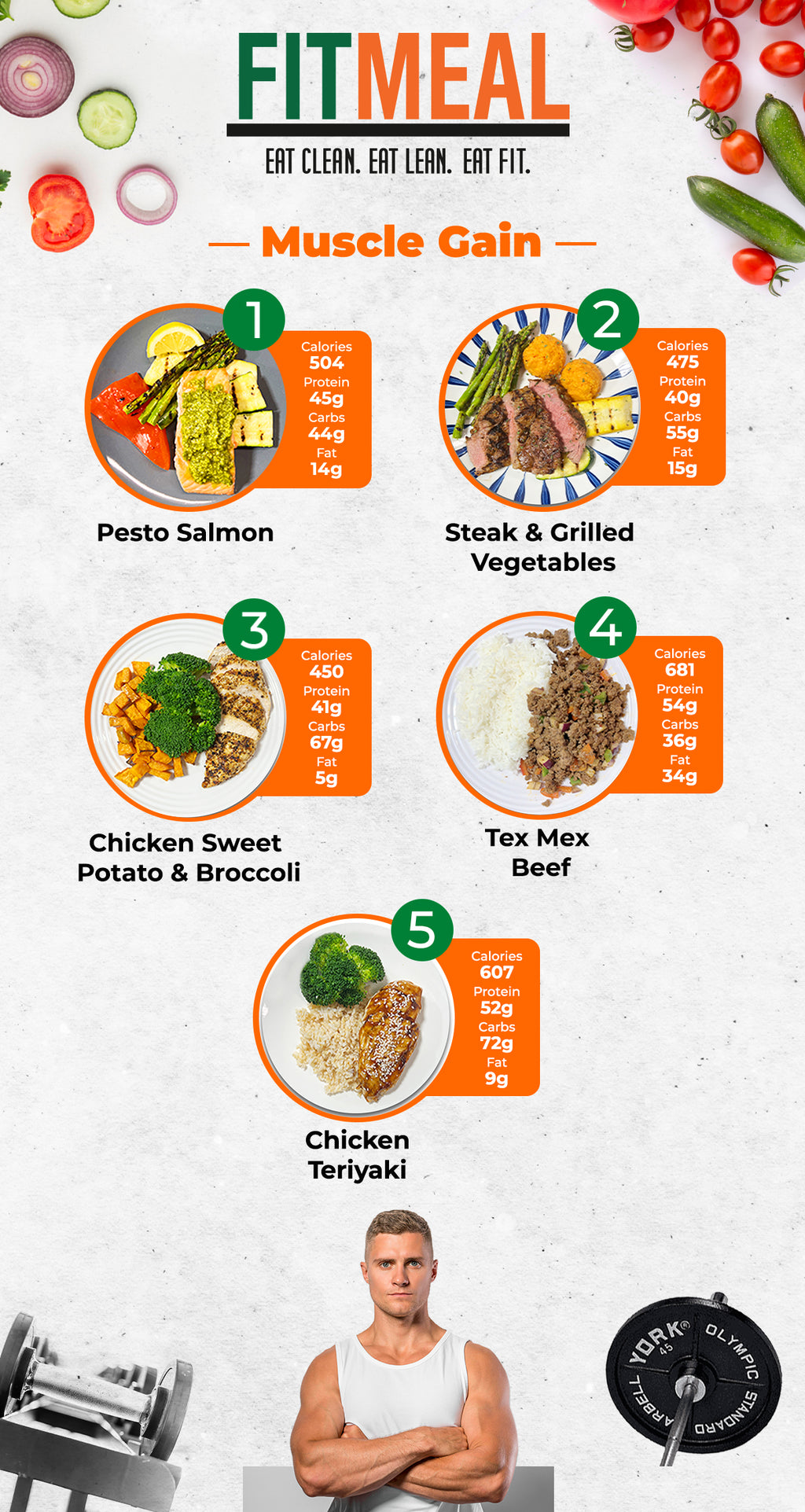
Building muscle on a keto diet requires more than just tracking macros; your meal choices play a crucial role in how effectively your body recovers and grows. Planning your meals with the right balance of fats, proteins, and low-carb veggies can maximize muscle gains while keeping you in ketosis. Let’s look at some practical meal ideas and recipes that make sticking to keto both easy and delicious.
High-protein Keto Meals
Protein is essential for muscle repair and growth, especially on keto where carbs are limited. Focus on meals rich in quality proteins paired with healthy fats to fuel your workouts and recovery.
- Grilled Chicken Thighs with Avocado Salsa:Chicken thighs provide juicy, flavorful protein, while avocado adds healthy fats and fiber.
- Salmon with Creamy Spinach:Rich in omega-3s and protein, salmon helps reduce inflammation. Sautéed spinach in heavy cream boosts fat intake and keeps carbs low.
- Beef Stir-Fry with Broccoli:Choose grass-fed beef for better nutrient density. Stir-fry with broccoli and coconut oil for a quick, muscle-friendly dinner.
Quick Snacks For Muscle
When hunger strikes between meals, grabbing the right snack can keep your muscles fueled without kicking you out of ketosis. These snacks are easy to prepare and perfect for busy days.
- Hard-boiled eggs sprinkled with sea salt and pepper
- Cheese sticks paired with a handful of macadamia nuts
- Fat bombs made with coconut oil, cocoa powder, and almond butter
- Greek yogurt (full-fat) mixed with chia seeds and a few raspberries
Post-workout Nutrition
After training, your body needs nutrients to repair muscle fibers and replenish energy stores. A keto-friendly post-workout meal or shake with the right protein and fats can speed recovery and support muscle growth.
- Keto Protein Shake:Blend whey isolate protein with unsweetened almond milk, MCT oil, and a tablespoon of peanut butter.
- Egg and Cheese Omelette:Eggs provide complete protein while cheese adds fat and flavor. Add spinach for extra nutrients.
- Cottage Cheese with Flaxseeds:Cottage cheese is high in casein, a slow-digesting protein, which helps muscle repair overnight.
What’s your go-to keto meal after a tough workout? Experimenting with these options might help you find what fuels your muscles best while keeping your carb intake in check.
Credit: www.fitmeal.ca
Frequently Asked Questions
What Is A Keto Diet?
A keto diet is a low-carb, high-fat eating plan. It aims to shift your body into a state of ketosis. In ketosis, your body uses fat for fuel instead of carbohydrates. This can help in burning fat more efficiently. It’s popular for weight loss and muscle building.
Can You Gain Muscle On A Keto Diet?
Yes, you can gain muscle on a keto diet. It requires consuming adequate protein and healthy fats. These nutrients support muscle growth and repair. Resistance training also plays a crucial role. Combined, these elements can lead to muscle gain while following a keto diet.
How Does Keto Diet Affect Workouts?
A keto diet can affect workouts by altering energy sources. Initially, you may experience fatigue. But as your body adapts, energy levels stabilize. This shift can enhance endurance and fat burning. It’s important to monitor how your body responds and adjust your diet accordingly.
Is Keto Diet Good For Athletes?
Keto diet can be beneficial for athletes seeking endurance. It may enhance fat oxidation and energy efficiency. However, it might not suit high-intensity sports. Athletes should ensure adequate protein intake. Consulting with a nutritionist can help tailor the diet for specific athletic goals.
Conclusion
The keto diet can support muscle growth with proper planning. Focus on eating enough protein and healthy fats daily. Stay consistent with your workouts to see steady progress. Keep track of how your body feels and adjusts. Patience matters; muscle building takes time and effort.
This diet suits some people but not all. Always listen to your body’s signals and needs. Balance and dedication lead to the best results.







