
Are you contemplating doubling down on your fitness routine? The idea of working out twice a day might seem like a fast track to peak performance and sculpted muscles.
But is it really beneficial, or could it be doing more harm than good? You might be wondering if this intense regimen is the secret weapon to achieving your fitness goals faster, or if it’s a recipe for burnout. We’ll delve into the pros and cons of hitting the gym twice a day, helping you decide if it’s the right move for your body and lifestyle.
Before you lace up those sneakers for round two, let’s uncover the truth behind double workouts and how they could impact your health and progress.
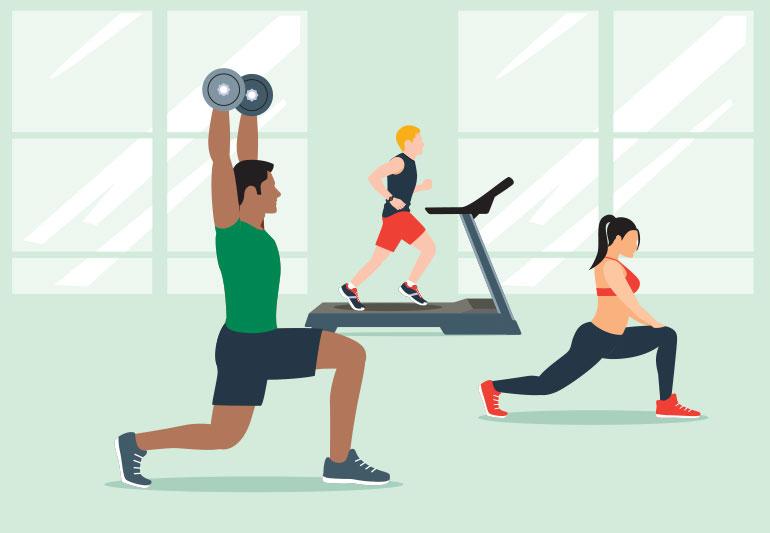
Credit: health.clevelandclinic.org
Benefits Of Twice-daily Workouts
Working out twice a day might seem intense, but it offers unique benefits that can take your fitness journey to the next level. Splitting your exercise routine into two sessions can help you achieve more without feeling overwhelmed. Let’s look at how this approach can boost your body and mind.
Boosting Metabolism
Exercising two times a day can keep your metabolism active for longer periods. Instead of one long session, two shorter workouts help your body burn calories more consistently throughout the day. This means you keep burning energy even after you finish exercising.
For example, a quick morning cardio session followed by an evening strength workout can increase your total calorie burn. Have you noticed how some days you feel more energized after two workouts? That’s your metabolism working overtime.
Enhancing Skill Development
Breaking your training into two parts gives you more chances to practice and improve specific skills. If you’re learning a new sport or exercise technique, twice-daily workouts allow you to focus on different areas separately.
You might spend the first session on technique and the second on endurance. This focused repetition helps your brain and muscles work better together. Think about how practicing a skill multiple times in a day helped you improve faster.
Improving Mental Focus
Two workouts can refresh your mind and reduce stress more effectively than one. Shorter, focused sessions prevent burnout and keep you motivated. You’ll find it easier to concentrate during workouts and stay committed to your goals.
Splitting exercise into two parts also gives you natural breaks to reset your energy. Have you tried exercising twice and noticed how your mood lifts and your focus sharpens? It’s a powerful way to stay mentally strong.

Credit: www.womenshealthmag.com
Risks Of Exercising Twice Daily
Exercising twice a day can seem like a fast track to fitness. Yet, it carries certain risks that many overlook. Understanding these dangers helps in making smart workout choices. Risks include overtraining, injury, and poor recovery. These can harm progress and health.
Overtraining And Fatigue
Working out two times daily can lead to overtraining. The body needs time to rest and rebuild muscles. Without enough rest, fatigue sets in quickly. This tiredness reduces workout quality and overall energy. Overtraining can also weaken the immune system, making illness more likely.
Increased Injury Risk
Twice-daily workouts increase the chance of injuries. Muscles and joints get less time to heal between sessions. This can cause strains, sprains, or stress fractures. Repeated stress without rest leads to chronic pain. Injury stops training and slows down progress.
Impact On Recovery
Recovery is key to muscle growth and strength. Exercising too often disrupts this process. The body struggles to repair damaged tissue and restore energy. Poor recovery causes soreness and stiffness. Over time, this can lead to burnout and quitting workouts.
Who Can Benefit From Two Workouts A Day?
Working out twice a day isn’t for everyone. But certain groups can gain real benefits from splitting their exercise sessions. Understanding who these people are can help you decide if this approach might work for your fitness journey.
Athletes And Professionals
For athletes, training twice daily often makes sense. They need to improve skills, strength, and endurance all at once.
Think about a swimmer who trains technique in the morning and does strength training in the evening. This allows focused, high-quality sessions without overloading the body at once.
If you compete or have performance goals, two workouts a day can help you reach peak condition faster. But it requires careful planning and recovery to avoid burnout.
Fitness Enthusiasts With Experience
If you’ve been working out regularly for a while, your body might handle two sessions a day better than a beginner’s. Experienced exercisers can push limits safely when they split workouts into manageable chunks.
Imagine doing cardio in the morning and strength training later. This separation can improve results while reducing fatigue.
However, you must listen to your body. Are you recovering well? Are your energy levels steady? If not, two-a-day workouts might do more harm than good.
People With Specific Goals
Some goals demand more attention than a single workout can provide. For example, if you’re training for a marathon, you might run in the morning and cross-train in the afternoon.
Others may want to lose weight, build muscle, or improve mobility quickly. Two workouts a day can speed up progress by adding volume without making each session too long.
Still, it’s important to set clear goals and design your schedule around them. Without a plan, twice-a-day workouts could lead to frustration or injury.
How To Structure Two Daily Workouts
Structuring two daily workouts can be a powerful strategy if done thoughtfully. The key lies in balancing effort and recovery so you don’t burn out or risk injury. Let’s look at how you can design your sessions to maximize benefits without overwhelming your body.
Balancing Intensity And Volume
Keep one workout focused and intense, while making the other lighter and more restorative. For example, if you perform heavy weightlifting in the morning, use the evening session for low-impact cardio or mobility work. This approach helps you train hard without overloading your muscles or nervous system.
Think about your energy levels too. High-intensity sessions back-to-back can drain you quickly. Mixing in a moderate or easy workout allows your body to recover while still staying active.
Timing Between Sessions
Allow at least 4 to 6 hours between your two workouts to give your body time to recover. This break supports muscle repair and replenishes your energy stores. You might train strength in the morning and then go for a swim or gentle bike ride later in the day.
Also, plan your meals and hydration around these sessions. Eating protein and carbs after the first workout can fuel your second session and aid recovery. Have you experimented with timing your workouts this way to see how your body responds?
Focusing On Different Muscle Groups
Work different muscle groups in each session to avoid overtraining and fatigue. For example, target upper body in the morning and lower body in the evening. This separation lets each group rest while the other works.
You can also alternate between strength training and cardio or flexibility exercises. This variety reduces injury risk and keeps your workouts fresh. What muscle groups do you find easiest to train separately across two sessions?
Nutrition And Rest For Twice-daily Training
Training twice a day demands more from your body than a single workout. Proper nutrition and rest become essential to support recovery and maintain energy. Without the right fuel and enough rest, performance can drop and injury risk rises.
Fueling For Performance
Eating enough food is key for twice-daily workouts. Focus on balanced meals that include:
- Carbohydrates for energy
- Proteins to repair muscles
- Healthy fats for overall health
Eat a small meal or snack before each session. After workouts, consume protein and carbs to help muscles recover. This keeps energy steady and supports muscle growth.
Importance Of Hydration
Water intake matters more with two workouts daily. Drink water before, during, and after exercise. Dehydration can cause tiredness and poor focus. Electrolyte drinks help replace minerals lost in sweat. Staying hydrated aids muscle function and reduces cramps.
Prioritizing Sleep
Sleep is the time your body heals and grows stronger. Aim for 7 to 9 hours of quality sleep each night. Lack of sleep can cause fatigue and lower motivation. Good rest improves concentration and workout results. Create a sleep routine to help your body recover fully between sessions.

Credit: www.today.com
Signs To Watch When Training Twice Daily
Training twice a day can boost fitness but also increase risks. Watching for warning signs helps keep workouts safe. Early detection of issues prevents serious problems and keeps progress steady.
Recognizing Burnout
Burnout feels like extreme tiredness or loss of interest. Energy drops, motivation fades, and workouts feel harder. Mood swings and trouble sleeping often appear. Notice if enthusiasm for training disappears.
Identifying Overuse Injuries
Overuse injuries cause pain that worsens with movement. Joints or muscles may swell or feel tender. Persistent soreness after rest is a red flag. Avoid ignoring small aches that last days.
Adjusting Based On Feedback
Listening to your body guides safe training twice daily. Rest more if pain or fatigue increases. Change intensity or duration to reduce strain. Use recovery techniques like stretching and hydration regularly.
Frequently Asked Questions
Is Working Out Twice A Day Harmful To Health?
Working out twice daily is not harmful if balanced well. Proper recovery, nutrition, and hydration are essential. Overtraining risks increase without rest. Listen to your body to avoid injuries and fatigue.
How Often Should I Rest When Training Twice Daily?
Rest is crucial when training twice a day. Aim for at least one full rest day weekly. Incorporate light activity or stretching on off days. Quality sleep also aids recovery and performance.
Can Two Daily Workouts Improve Fitness Faster?
Yes, two workouts a day can speed up fitness gains. Splitting cardio and strength sessions enhances results. However, this requires careful planning and nutrition. Avoid burnout by monitoring intensity and recovery.
What Are The Best Exercises For Twice-daily Workouts?
Best exercises include low-impact cardio and strength training. Alternate muscle groups to prevent overuse injuries. Focus on flexibility, mobility, and core work in one session. Balance intensity and volume for optimal benefits.
Conclusion
Working out twice a day can be good or bad. It depends on your body and goals. Rest and nutrition matter a lot. Too much exercise may cause injury or tiredness. Listen to your body’s signals carefully. Balance workouts with enough recovery time.
This helps you stay strong and healthy. Choose a plan that fits your lifestyle well. Consistency beats intensity over time. Keep your workouts safe and enjoyable. Stay patient and keep moving forward.







