
Ever wondered how top performers in neuroscience stay fit and energized? Enter the Huberman Workout Routine.
This isn’t just any exercise plan; it’s designed by Dr. Andrew Huberman, a renowned neuroscientist whose insights have transformed how we understand the brain and body connection. Imagine a workout that not only gets you in shape but also boosts your brainpower.
Intrigued? You should be. Discover how this unique routine can elevate both your physical and mental game. Ready to unlock your potential and learn the secrets behind this powerful workout? Keep reading to find out how you can incorporate these life-changing strategies into your fitness journey.
Huberman’s Training Principles
Huberman’s training principles focus on how the brain controls movement and strength. His routine blends science with practical steps to improve fitness. The approach targets brain and body connections. It encourages smart training, not just hard training.
Science Behind The Routine
The routine uses neuroscience to guide workouts. It studies how neurons affect muscle control and growth. Exercises are designed to stimulate brain areas that manage movement. This helps build strength more efficiently. The science shows that brain signals are key to muscle gains.
Focus On Neural Adaptations
Huberman highlights neural changes during training. The brain learns better muscle control through repeated practice. Training improves nerve signals sent to muscles. This leads to faster and stronger movements. The routine uses specific exercises to boost these neural adaptations.
Role Of Recovery And Sleep
Recovery is vital in Huberman’s routine. The brain and muscles repair during rest. Sleep helps consolidate neural learning from workouts. Without good sleep, progress slows down. Proper recovery prevents injury and supports long-term gains.

Credit: routines.club
Key Exercises For Strength
Building strength requires more than just lifting weights randomly. The right exercises target multiple muscle groups and improve your overall power and stability. Huberman’s workout routine focuses on specific movements that maximize your strength gains efficiently.
Compound Movements
Compound movements are the backbone of any strength routine. These exercises work several muscles at once, helping you lift heavier and build functional strength.
- Squats: Engage your legs, core, and back for full-body strength.
- Deadlifts: Target your posterior chain, improving posture and power.
- Bench Press: Strengthen your chest, shoulders, and triceps simultaneously.
Have you noticed how compound movements let you move more weight compared to isolated exercises? This means better efficiency and faster progress in your strength training.
Isometric Holds
Isometric holds challenge your muscles without movement, forcing them to stabilize under tension. This builds endurance and joint stability, which supports your strength lifts.
- Planks: Perfect for core strength and stability.
- Wall Sits: Strengthen your quads and improve mental toughness.
- Static Holds in Pull-Up Position: Boost upper body grip and endurance.
Try holding a plank longer than your usual limit—can you feel how your muscles lock in place and your mind pushes through fatigue? This is where true strength is forged.
Explosive Power Drills
Adding explosive power drills to your routine can elevate your strength to the next level. These exercises train your muscles to generate maximum force quickly.
- Jump Squats: Build leg power and speed.
- Medicine Ball Slams: Engage your core and upper body explosively.
- Clap Push-Ups: Develop upper body fast-twitch muscle fibers.
How often do you include fast, powerful movements in your workouts? These drills not only increase strength but improve your overall athleticism and injury resistance.
Weekly Workout Structure
The weekly workout structure in the Huberman routine focuses on consistency and recovery. It helps build strength, endurance, and mental clarity. The plan balances effort and rest to optimize results.
Frequency And Volume
Huberman suggests training four to six days each week. The volume varies based on goals but usually stays moderate. Workouts last between 30 and 60 minutes. This frequency supports steady progress without overtraining. Each session targets different muscle groups or focuses on cardio and flexibility.
Balancing Intensity And Rest
Intensity changes across the week to prevent fatigue. Some days involve high effort with heavy lifting or sprints. Other days focus on lighter activities like stretching or low-impact cardio. Rest days are vital and placed strategically. They help muscles recover and reduce injury risks. Sleep quality also plays a key role in recovery.
Sample Weekly Plan
| Day | Workout Type | Duration |
|---|---|---|
| Monday | Strength Training (Upper Body) | 45 minutes |
| Tuesday | Low-Intensity Cardio and Stretching | 30 minutes |
| Wednesday | Strength Training (Lower Body) | 45 minutes |
| Thursday | Rest or Active Recovery | — |
| Friday | High-Intensity Interval Training (HIIT) | 30 minutes |
| Saturday | Flexibility and Mobility | 30 minutes |
| Sunday | Rest | — |
Credit: medium.com
Nutrition And Supplement Tips
Nutrition plays a key role in the Huberman workout routine. It helps build strength and improves recovery. Eating the right foods gives the body the energy it needs. Supplements can also support muscle growth and brain function. Proper hydration keeps the body working well during exercise. The tips below guide you through smart eating and supplement choices.
Fueling For Performance
Eating balanced meals before workouts boosts energy. Focus on foods rich in complex carbohydrates and protein. Examples include:
- Oatmeal with nuts and fruit
- Chicken breast with brown rice
- Greek yogurt with berries
Avoid heavy or greasy meals that cause sluggishness. Small snacks like a banana or a handful of almonds work well before training. Post-workout meals should include protein and carbs to help muscles recover faster.
Supplements To Support Strength
Supplements can fill gaps in your diet and improve results. Some useful options for strength include:
- Creatine – increases muscle power and size
- Whey protein – aids muscle repair and growth
- Omega-3 fatty acids – reduce inflammation and support joint health
- Vitamin D – supports bone strength and immune health
Choose quality products and follow recommended dosages. Supplements are not a replacement for real food but work best alongside a healthy diet.
Hydration Strategies
Water is essential during workouts. It keeps muscles flexible and prevents cramps. Drink water before, during, and after exercise. Signs of dehydration include fatigue and dizziness. For intense or long sessions, consider drinks with electrolytes. These replace minerals lost through sweat. Aim to drink at least 8 glasses of water daily. Adjust intake based on your activity level and climate.
Tracking Progress Scientifically
Tracking progress scientifically is key to improving your Huberman workout routine. It helps you see real results and avoid guesswork. You can measure your strength, use technology, and adjust workouts based on data. This approach keeps your training smart and effective.
Measuring Strength Gains
Strength gains show how well your muscles improve over time. Track the weights you lift and the number of reps. Note the quality of each set, such as how controlled your movements are. Record this data regularly to see clear patterns. Small increases add up and prove your progress.
Using Technology And Apps
Technology makes tracking easier and more accurate. Use apps designed for fitness tracking to log exercises. These apps can monitor your sets, reps, and rest times. Some even analyze your form using your phone’s camera. Wearable devices track heart rate and recovery. These tools provide useful data to guide your workouts.
Adjusting Workouts Based On Data
Data shows what works and what does not. If strength plateaus, change your exercises or increase intensity. Use your logged information to spot weak areas. Focus more on those muscles or movements. Adjust rest periods depending on recovery data. This method ensures steady improvement and avoids injuries.

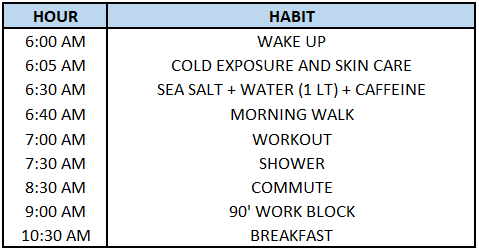
Credit: medium.com
Common Mistakes To Avoid
When following the Huberman workout routine, avoiding common pitfalls can make a big difference in your progress and overall well-being. Mistakes often slow you down or even lead to injury. Being aware of what to watch out for helps you stay on track and get the most from your training.
Overtraining Risks
Pushing your body too hard without enough rest is a common trap. Huberman emphasizes balancing effort and recovery, but many skip rest days, thinking more is better. This can cause fatigue, injury, or burnout.
Listen to your body. If you feel persistent soreness or a drop in performance, it’s a sign to ease up. Adjust your workout intensity and schedule regular recovery periods to avoid setbacks.
Ignoring Mobility Work
Focusing only on strength or cardio misses a key part of fitness: mobility. Skipping stretching or joint exercises limits your range of motion and increases injury risk. Huberman points out that mobility keeps your body efficient and resilient.
Adding simple mobility drills to your routine can prevent stiffness and improve your form. Try dedicating 10 minutes before or after workouts to gentle stretches and movements targeting joints.
Neglecting Mental Focus
Huberman’s routine isn’t just physical—it’s mental too. Many people overlook how crucial focus and mindset are during workouts. Without mental engagement, you might perform exercises poorly or lose motivation quickly.
Practice mindfulness or breathing techniques to sharpen your attention. Ask yourself: Are you fully present during your sets? Improving mental focus can boost your results and make workouts more rewarding.
Frequently Asked Questions
What Is The Huberman Workout Routine?
The Huberman workout routine combines strength, cardio, and mobility exercises. It focuses on brain health and physical fitness. It emphasizes consistency and balanced training for optimal results.
How Often Should You Do The Huberman Workout?
Dr. Huberman suggests training 3 to 5 times per week. Sessions typically last 45 to 60 minutes. This frequency allows proper recovery and maximizes fitness gains.
What Are The Key Benefits Of Huberman’s Workout?
The routine improves physical strength, endurance, and mental clarity. It boosts brain function through exercise-induced neuroplasticity. Overall, it enhances both body and mind health.
Does The Huberman Workout Include Mobility Exercises?
Yes, mobility exercises are an integral part of the routine. They improve joint flexibility and prevent injuries. This helps maintain long-term functional movement.
Conclusion
Huberman’s workout routine offers clear steps for better fitness. It focuses on building strength and improving brain health. Short, consistent workouts fit easily into daily life. Following this plan can help you feel stronger and more alert. Simple habits make a big difference over time.
Try to stay patient and keep a steady pace. Small changes lead to lasting results. This routine suits many fitness levels and goals. Give it a chance and notice the progress. Your body and mind will thank you.







