
Are you struggling to stay consistent with your fitness goals? Imagine having a simple tool that keeps you motivated, tracks your progress, and helps you spot what really works for your body.
Using a notebook for fitness tracking can be that game-changer. It’s easy, personalized, and powerful. You’ll discover exactly how to turn a plain notebook into your ultimate fitness companion—helping you stay on track, celebrate your wins, and reach your goals faster than you thought possible.
Ready to transform your fitness routine? Let’s dive in.

Credit: www.goodrx.com
Choosing The Right Notebook
Choosing the right notebook is key to effective fitness tracking. The right notebook helps you stay organized and motivated. It should fit your lifestyle and meet your tracking needs. Picking the perfect notebook makes your fitness journey easier and more enjoyable.
Types Of Notebooks
Several types of notebooks suit fitness tracking. Plain notebooks offer flexibility to write and draw freely. Lined notebooks help keep entries neat and structured. Grid or dot grid notebooks support charts and graphs for progress. Some notebooks come with pre-designed fitness templates for easy tracking.
Features To Look For
- Durable cover to protect against wear and tear.
- Portable size to carry to the gym or outdoors.
- Good quality paper that prevents ink bleed-through.
- Sections or tabs for different fitness areas like workouts and meals.
- Extra space for notes, goals, and reflections.
- Elastic band or closure to keep the notebook secure.
Digital Vs. Paper Notebooks
Paper notebooks offer a tactile experience and reduce screen time. They are simple, distraction-free, and easy to customize. Digital notebooks allow quick edits and backups. They often sync with apps and devices for automatic data tracking. Choose paper for focus and creativity. Choose digital for convenience and integration.
Setting Up Your Fitness Notebook
Choose a simple notebook to track workouts, meals, and goals. Write dates and details clearly to see your progress easily. Regular updates help stay motivated and focused.
Setting up your fitness notebook is a vital first step. It helps keep track of workouts and health goals. A well-organized notebook boosts motivation and progress. Here’s how to set up a fitness notebook effectively.Creating Sections
Divide your notebook into clear sections. These sections make finding information easier. Start with a section for daily workouts. Add another section for nutrition. Consider a section for progress notes. This structure keeps everything organized.Designing Layouts
Design simple, clean layouts. Use bullet points for easy reading. Keep space for dates and notes. Draw tables to track sets and reps. Add columns for calories or steps. Visual aids help monitor progress better.Incorporating Goal Tracking
Set clear, achievable goals. Write them at the beginning of your notebook. Create a section for weekly or monthly goals. Use charts to track progress. Mark milestones with stickers or colors. This visual feedback encourages perseverance.Tracking Workouts Effectively
Tracking workouts effectively is key to staying motivated and seeing real results. Using a notebook helps you focus on details that matter, making each workout more purposeful. It turns vague intentions into clear actions and measurable progress.
Logging Exercise Details
Write down specifics like exercise type, sets, reps, and weights used. Adding the time or duration for cardio sessions gives you a complete picture of your effort. Don’t forget to note how you feel during and after—energy levels, soreness, or any discomfort.
Have you noticed that small details, like adjusting rest times, change your workout quality? Logging these lets you spot patterns and tweak your routine for better results.
Using Templates And Logs
Create or use ready-made templates to save time and stay consistent. A simple table format works great:
| Exercise | Sets | Reps | Weight | Notes |
|---|---|---|---|---|
| Squats | 3 | 10 | 50 lbs | Felt strong, good form |
Templates help you focus on tracking without reinventing the wheel each time. They also make it easier to compare sessions side by side.
Monitoring Progress Over Time
Review your notebook regularly to see how your strength or endurance improves. Highlight milestones like adding weight, increasing reps, or reducing rest periods. This visual proof keeps motivation high and helps you adjust goals realistically.
Ask yourself: Are you moving closer to your fitness goals or just going through the motions? Tracking progress turns that question into clear answers.

Credit: www.reddit.com
Recording Nutrition And Hydration
Recording nutrition and hydration in a fitness notebook helps you understand your body’s needs. Tracking what you eat and drink gives clear insight into your energy and health. It helps spot patterns and make better choices for fitness goals.
Meal Logging Tips
Write down every meal and snack right after eating. Include details like portion sizes and ingredients. Use simple words to describe meals. Note the time of eating to track meal timing habits. Keep it consistent to spot trends and improvements.
Tracking Water Intake
Record how much water you drink each day. Note the time you drink water to avoid dehydration. Use a simple chart or table to count glasses or bottles. Aim to drink regularly throughout the day. This helps keep energy and focus high during workouts.
Balancing Macros And Calories
Track proteins, fats, and carbohydrates in your notebook. Write down estimated calorie amounts for each meal. Use basic measurements like cups or grams to stay accurate. Balance macros to fuel exercise and recovery. Adjust intake based on your fitness progress and goals.
Motivation And Reflection
Keeping your fitness journey alive requires more than just tracking numbers—it demands motivation and reflection. Using a notebook to capture your thoughts, progress, and setbacks can transform your routine into a meaningful experience. This habit keeps you connected to your goals and helps you understand what drives you forward.
Journaling Your Fitness Journey
Writing daily or weekly entries about your workouts, feelings, and challenges creates a personal record of your progress. This practice helps you spot patterns like what energizes you or what causes dips in motivation.
Have you noticed how some days you push harder, while others feel tougher? Journaling can uncover these trends, guiding you to adjust your plan smarter. It’s not just about logging reps or miles; it’s about capturing your mindset.
Setting Milestones
Defining clear, achievable milestones breaks your big goals into manageable steps. Instead of vague targets, write down specific achievements like “Run 3 miles without stopping” or “Do 10 push-ups in a row.”
Tracking these milestones in your notebook gives you a sense of direction and progress. What small win can you aim for this week? Setting these checkpoints keeps your motivation steady and your efforts focused.
Celebrating Achievements
Recognizing your accomplishments, no matter how small, fuels your motivation to keep going. Use your notebook to highlight these moments with notes, stickers, or even photos.
Have you ever paused to appreciate how far you’ve come? Celebrating creates positive reinforcement that can turn your fitness habit into a lasting lifestyle. What’s one achievement you’re proud of today?
Tips For Consistency
Consistency is key to successful fitness tracking with notebooks. Regular use helps build habits and shows progress clearly. Writing daily can keep motivation high and improve focus on goals.
Daily Habits For Notebook Use
Set a specific time to write in your notebook every day. Morning or evening works well for many people. Keep your notebook visible to remind yourself to use it.
- Record workouts immediately after finishing
- Note how you feel before and after exercise
- Write down small wins and improvements
Small daily entries add up to big results over time. This habit helps you stay honest and aware of your progress.
Integrating Tracking Into Routine
Pair notebook use with another daily habit. For example, write in your notebook after breakfast or before bed. Use reminders on your phone to stay on track.
- Keep your notebook near your workout gear
- Set a daily alarm for tracking time
- Use simple symbols or colors for quick entries
Making tracking part of your routine reduces the chance of forgetting. It becomes a natural step, not a chore.
Avoiding Common Pitfalls
Don’t skip days, even if workouts are missed. Write notes about rest or recovery to keep the habit alive. Avoid overcomplicating entries; keep them short and clear.
- Don’t stress about perfect notes
- Use bullet points instead of long sentences
- Review past entries weekly to stay motivated
Simple, honest tracking beats detailed but inconsistent records. Focus on progress, not perfection.
Advanced Tracking Techniques
Advanced tracking techniques take your fitness notebook beyond basic logging. They help you analyze your body’s signals and progress with more detail. Using these methods, you can understand your workouts and recovery better. This makes your fitness routine smarter and more effective.
Incorporating Heart Rate And Sleep Data
Tracking heart rate shows how hard your body works during exercise. Write down your resting, active, and recovery heart rates. Notice changes over time to spot improvements or fatigue.
Sleep affects fitness a lot. Record your sleep hours and quality each night. Note how you feel the next day. Sleep data helps you see if you recover well between workouts.
Using Charts And Graphs
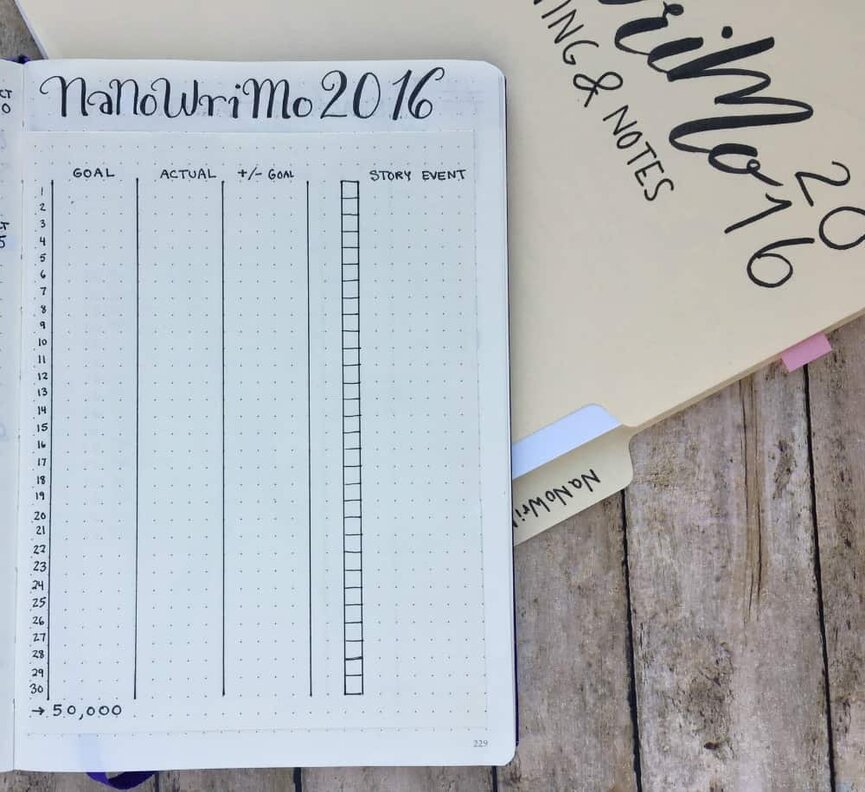
Visual tools make data easier to understand. Draw line charts to show progress in weight, reps, or distance. Bar graphs can compare weekly or monthly totals.
Use colors to highlight personal bests or low points. Charts reveal patterns you might miss in plain text. They motivate you by showing clear progress.
Customizing For Specific Goals
Tailor your notebook to fit your unique goals. For weight loss, track calories, meals, and exercise intensity. For strength, focus on sets, reps, and rest times.
Add sections for notes about mood, energy, or pain. This helps identify what works best for you. Personalization keeps your notebook relevant and useful every day.
Credit: www.planningmindfully.com
Frequently Asked Questions
How Do Notebooks Improve Fitness Tracking Accuracy?
Notebooks help record workouts and progress consistently. Writing details reduces errors and tracks patterns better than memory. This leads to more accurate fitness assessments and goal setting over time.
What Are The Best Notebook Types For Fitness Tracking?
Choose notebooks with ample space for daily logs. Grid or dotted pages help organize data neatly. Durable, portable notebooks ensure you can track workouts anytime, anywhere.
How Often Should I Update My Fitness Notebook?
Update your fitness notebook immediately after workouts. Daily entries keep data fresh and reliable. Regular updates help identify trends and adjust routines effectively.
Can Fitness Notebooks Track Diet And Nutrition?
Yes, notebooks can log meals, calories, and hydration. Tracking nutrition supports workout goals and overall health. Combining diet and exercise data enhances fitness results.
Conclusion
Using a notebook for fitness tracking keeps goals clear and progress visible. Writing down workouts helps spot patterns and stay motivated. It also makes planning easier and holds you accountable. Small daily notes build big results over time. Start simple, track what matters most to you.
Consistency beats perfection every time. A notebook can become your trusted fitness companion. Try it and see the steady improvements unfold.







