
Feeling anxious can weigh you down and make daily life harder than it needs to be. But what if you had a simple, natural way to ease that tension and regain control?
Exercise isn’t just about staying fit—it can be a powerful tool to fight anxiety and boost your mood. You’ll discover easy, practical ways to use physical activity to calm your mind and feel better fast. Keep reading, because the solution to your anxiety might be closer than you think.
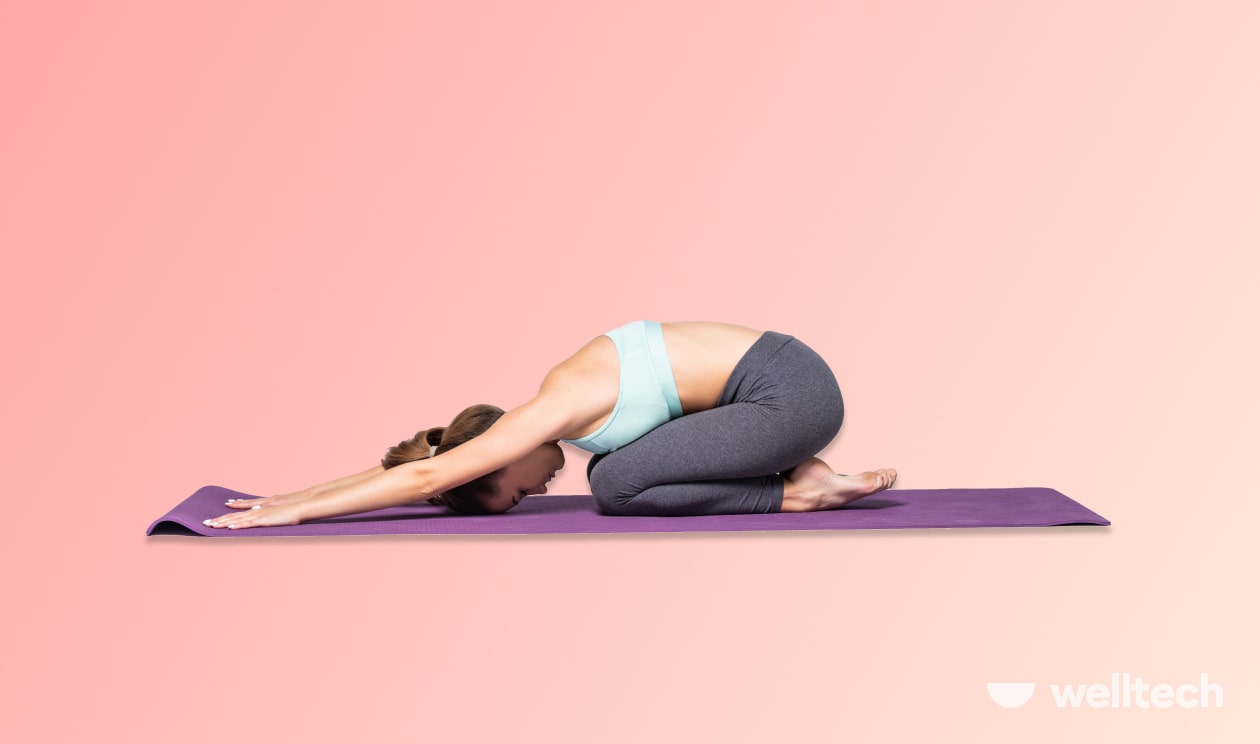
Credit: welltech.com
Link Between Exercise And Anxiety
Understanding the link between exercise and anxiety can change how you handle stress and worry. Exercise doesn’t just improve your physical health—it plays a powerful role in calming your mind. Let’s break down how moving your body affects your brain, body, and mood to help fight anxiety effectively.
How Exercise Impacts The Brain
Exercise triggers the release of chemicals like endorphins and serotonin, which are natural mood lifters. These chemicals help reduce feelings of anxiety by improving your brain’s ability to manage stress. Even short bursts of activity can increase blood flow to the brain, enhancing focus and reducing anxious thoughts.
Have you noticed feeling clearer or more relaxed after a walk or workout? That’s your brain responding to the physical activity. Regular exercise can actually change the way your brain reacts to stress over time, making anxiety less overwhelming.
Physical Benefits That Reduce Stress
Physical activity lowers your body’s stress hormones, such as cortisol and adrenaline. This means your heart rate and blood pressure can return to normal faster after stressful events. Exercise also improves sleep quality, which is often disrupted by anxiety.
Improved sleep and lower stress hormones create a positive cycle. When your body feels less tense, your mind follows. You might find that a simple daily exercise routine helps you handle stressful moments more calmly.
Exercise And Mood Regulation
Exercise acts like a natural mood regulator by balancing the chemicals in your brain. It can reduce symptoms of anxiety by increasing dopamine, a neurotransmitter linked to pleasure and motivation. This helps you stay more grounded and less affected by negative thoughts.
Think about times when a workout lifted your spirits. This mood boost isn’t random; it’s your body’s way of helping you cope. Could adding consistent exercise to your routine help stabilize your mood and ease anxiety?
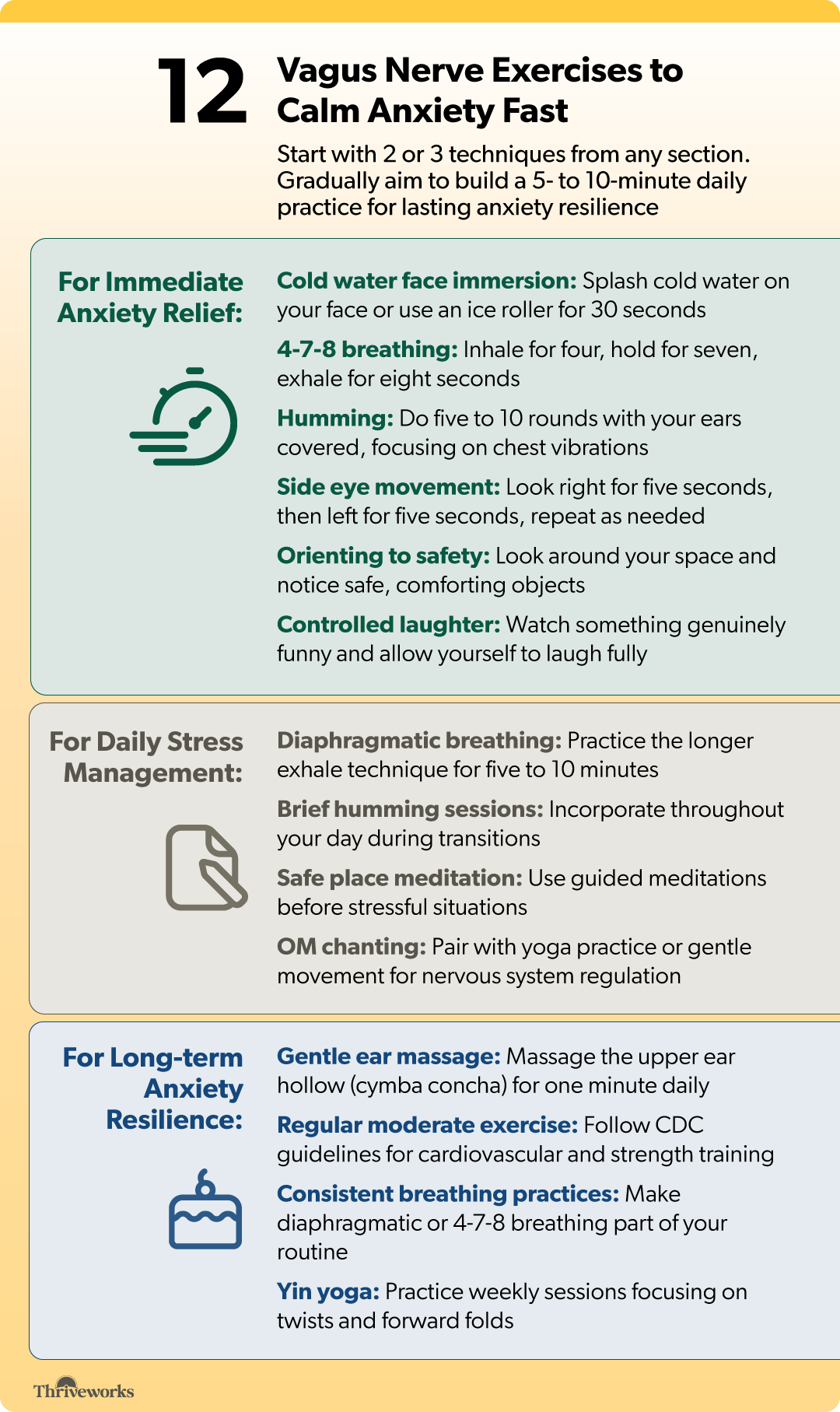
Credit: thriveworks.com
Best Types Of Exercise For Anxiety
Exercise like walking, yoga, and swimming can ease anxiety by calming the mind and body. Regular movement helps reduce stress and improves mood naturally.
Exercise can be a powerful tool to combat anxiety. It helps release endorphins, which boost mood and reduce stress. Choosing the right type of exercise is key. Some exercises are more effective at easing anxiety.Aerobic Activities
Aerobic exercises are great for anxiety relief. They increase heart rate and release endorphins. Activities like jogging, cycling, or swimming work well. These exercises also improve cardiovascular health. Aim for at least 30 minutes, three times a week. Consistency is important for best results.Strength Training
Strength training builds muscle and boosts confidence. It also reduces anxiety symptoms. Lifting weights or using resistance bands can help. Start with lighter weights if you’re new. Gradually increase intensity as you build strength. It’s a great way to focus and relieve stress.Mind-body Exercises
Mind-body exercises promote relaxation and mental clarity. Yoga and tai chi are excellent choices. They combine movement with deep breathing. This helps calm the mind and reduce anxiety. Practicing mindfulness during these exercises enhances benefits. Regular practice can lead to long-term anxiety reduction.Creating An Anxiety-reducing Workout Plan
Creating a workout plan to reduce anxiety is about making exercise fit smoothly into your life. It should feel doable and enjoyable, not like a chore that adds stress. You want to build a routine that helps calm your mind while strengthening your body.
Setting Realistic Goals
Start by asking yourself what you can genuinely commit to each week. If you’re new to exercise, aiming for 10-15 minutes a day is better than forcing an hour-long session that feels overwhelming.
Goals like “I will walk for 20 minutes three times a week” are specific and manageable. Achieving small wins boosts your confidence and keeps anxiety from creeping back in.
Balancing Intensity And Duration
High-intensity workouts can release a flood of endorphins, but they might also increase your heart rate in a way that mimics anxiety symptoms. Pay attention to how your body reacts during exercise.
Mix moderate activities like brisk walking or cycling with gentler exercises such as yoga or stretching. This balance helps you stay active without triggering physical sensations that might make you feel anxious.
Incorporating Variety
Doing the same workout every day can get boring and make you less likely to stick with it. Change up your routine by trying different activities that you enjoy.
- Alternate between cardio, strength training, and flexibility exercises.
- Try a dance class one day and a nature hike the next.
- Even simple changes, like switching your walking route, can refresh your experience.
Variety keeps your brain engaged and your body challenged, making exercise a positive part of your anxiety management toolkit.
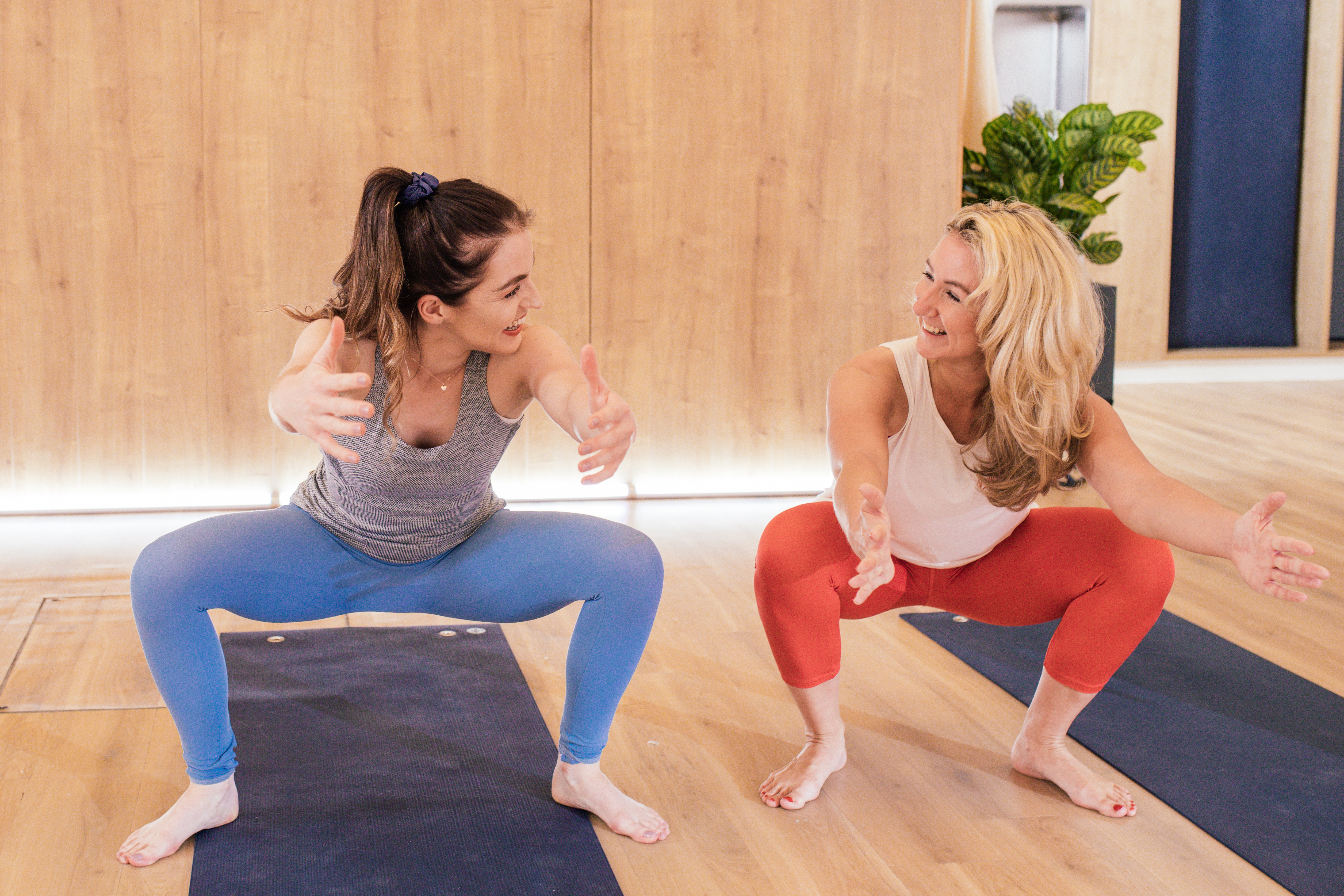
Credit: www.virginactive.co.uk
Tips To Stay Motivated
Staying motivated to exercise regularly can feel challenging, especially when anxiety weighs on your energy and mood. Yet, keeping your motivation alive is key to turning exercise into a reliable tool against anxiety. Here are practical tips to help you keep going, even on tough days.
Tracking Progress
Seeing your progress can boost your motivation like nothing else. Use a simple journal or an app to log your workouts, how long you exercised, and how you felt afterward.
Notice patterns—do you feel calmer after a walk or a yoga session? Tracking helps you understand what works best for your anxiety.
Try setting small, achievable goals. When you hit them, celebrate your success. This creates a positive cycle that keeps you moving forward.
Finding Support
You don’t have to fight anxiety or stay motivated alone. Find a workout buddy or join a class where others share similar goals.
Support from friends or a community can push you to show up even when motivation is low.
Consider sharing your exercise journey with someone who understands anxiety—they can offer encouragement and hold you accountable.
Making Exercise Enjoyable
If exercise feels like a chore, motivation quickly fades. Choose activities you enjoy rather than forcing yourself into routines you hate.
Mix things up—try dancing, hiking, swimming, or even gardening. Fun activities keep your mind engaged and reduce anxiety more effectively.
Ask yourself: What movement makes you smile? Focus on that. Enjoyment turns exercise from a task into a reward.
Additional Strategies To Enhance Anxiety Relief
Exercise helps reduce anxiety, but combining it with other habits boosts its effects. Small changes in daily routines can improve mental calm. These strategies support your body and mind for better anxiety relief.
Combining Exercise With Mindfulness
Mindfulness means paying attention to the present moment without judgment. Practice deep breathing during workouts. Focus on your body’s movements and sensations. This connection calms your mind and lowers stress. Try yoga or tai chi, which blend exercise with mindfulness. These activities improve both physical and mental health.
Nutrition And Hydration Tips
Your brain needs good fuel to handle stress well. Eat balanced meals with whole grains, fruits, and vegetables. Avoid too much sugar and caffeine, which may increase anxiety. Drink enough water before, during, and after exercise. Staying hydrated helps maintain energy and mood. Healthy eating and hydration support your workout benefits for anxiety relief.
Rest And Recovery Importance
Rest is vital for your body and mind to heal. Lack of sleep can worsen anxiety symptoms. Aim for 7 to 9 hours of quality sleep each night. Include rest days in your exercise plan. Gentle stretching or light walks help your muscles recover. Good rest improves your ability to manage stress and feel balanced.
Frequently Asked Questions
How Does Exercise Reduce Anxiety Symptoms?
Exercise boosts endorphins, which improve mood and reduce stress. It also lowers cortisol, a stress hormone, helping calm the mind and body. Regular physical activity promotes better sleep, enhances self-confidence, and distracts from negative thoughts, all of which contribute to reducing anxiety symptoms effectively.
What Types Of Exercise Best Fight Anxiety?
Aerobic exercises like walking, running, and cycling are great for anxiety. Yoga and tai chi also help by combining movement with deep breathing and mindfulness. These activities balance physical exertion and relaxation, making them effective options to manage and reduce anxiety naturally.
How Often Should I Exercise To Reduce Anxiety?
Aim for at least 30 minutes of moderate exercise most days of the week. Consistency matters more than intensity. Regular daily activity helps maintain steady mood improvement and anxiety relief. Even short, frequent sessions can provide significant benefits for anxiety management.
Can Exercise Replace Anxiety Medication?
Exercise can complement but should not replace prescribed medication without consulting a doctor. It helps manage mild to moderate anxiety naturally but severe cases often need professional treatment. Combining exercise with therapy and medication often yields the best results for anxiety control.
Conclusion
Exercise helps calm the mind and ease anxious feelings. Small steps matter. Walking, stretching, or light jogging can improve mood. Consistency beats intensity—doing a little often works best. Your body releases good chemicals during exercise. These chemicals fight stress naturally.
Try to find activities you enjoy. This keeps you motivated and feeling good. Remember, exercise is one tool among many to manage anxiety. Start slow, stay steady, and notice the positive changes. Your mental health will thank you.







