
Are you struggling to fall asleep or stay asleep through the night? What if the key to better rest was something you could do during the day?
Exercise isn’t just good for your body—it can also be a powerful tool to improve your sleep quality. You’ll discover simple, effective ways to use exercise to help you fall asleep faster, stay asleep longer, and wake up feeling refreshed.
Keep reading, and unlock the secret to turning your workouts into your best sleep aid.
Benefits Of Exercise For Sleep
Exercise does more than just keep your body fit; it plays a crucial role in improving your sleep. If you struggle with restless nights or waking up tired, adding physical activity to your routine might be the key to better rest. Understanding how exercise benefits your sleep can motivate you to make it a regular habit.
Impact On Sleep Quality
Exercise helps you fall asleep faster and enjoy deeper sleep cycles. When you engage in physical activity, your body temperature rises, and the post-exercise drop promotes sleepiness. You might notice waking up feeling more refreshed after a day with some movement.
Think about the last time you had a good workout and then went to bed. Did you feel more relaxed and calm? That’s your body responding by producing hormones that support restorative sleep.
Effects On Sleep Duration
Regular exercise can lengthen the total time you spend asleep. This means not just more hours in bed but more actual sleep. If you’ve ever struggled to stay asleep, consistent activity can help your body maintain longer, uninterrupted sleep periods.
Try adding just 30 minutes of moderate exercise daily and see if your sleep duration improves. You may find yourself needing less caffeine the next day because your body has had adequate rest.
Role In Reducing Insomnia
Exercise acts as a natural remedy to combat insomnia symptoms. Physical activity reduces anxiety and stress, two major triggers for sleepless nights. People who exercise often report falling asleep quicker and waking up fewer times during the night.
If you’ve felt trapped in a cycle of tossing and turning, consider how a simple walk or stretching session could break that pattern. Would a routine that eases your mind and body help you finally get the sleep you crave?

Credit: www.farmachem-enterprise.com
Best Types Of Exercise For Sleep
Exercise plays a key role in improving sleep quality. Different types of workouts affect sleep in various ways. Choosing the right exercise can help you fall asleep faster and enjoy deeper rest. Understanding which activities benefit sleep most allows you to tailor your routine effectively.
Aerobic Activities
Aerobic exercises increase heart rate and breathing. Examples include walking, running, cycling, and swimming. These activities help reduce anxiety and stress, promoting relaxation. Regular aerobic exercise can improve sleep duration and quality. Aim for moderate intensity to avoid overstimulation before bedtime.
Strength Training
Strength training builds muscle and boosts metabolism. It involves lifting weights or using resistance bands. This type of exercise can improve sleep by reducing symptoms of insomnia. Performing strength workouts earlier in the day is best for sleep benefits. Avoid heavy lifting close to bedtime to prevent restlessness.
Yoga And Stretching
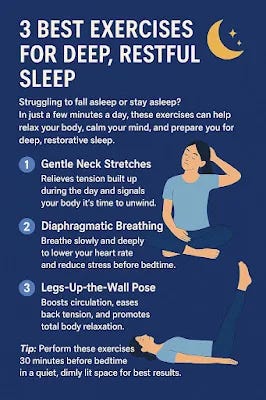
Yoga and stretching focus on flexibility and mindfulness. They help calm the mind and reduce muscle tension. Gentle yoga before bed can prepare the body for sleep. Breathing exercises in yoga promote relaxation and lower heart rate. These practices are ideal for people who struggle with sleep due to stress.
Optimal Timing For Exercise
Finding the right time to exercise can make a significant difference in your sleep quality. While any physical activity is beneficial, the timing can influence how well you rest at night. Let’s explore the optimal timing for exercise to enhance your sleep.
Morning Workouts
Starting your day with a workout can set a positive tone. It boosts your mood and energy levels, making you feel more alert. This can help regulate your circadian rhythm, aligning your body clock for better sleep.
Consider a brisk walk, a light jog, or a quick yoga session. These activities not only wake you up but also reduce stress hormones. Have you noticed how energized you feel after morning exercise?
Afternoon Sessions
Exercising in the afternoon can be a sweet spot for many. Your body temperature is naturally higher, which may enhance performance. This can lead to more effective workouts and better fitness gains.
Try a moderate-intensity activity like cycling or swimming. These can help tire you out just enough to prepare for a restful night. Have you ever felt that afternoon workouts improve your evening relaxation?
Evening Exercise Considerations
Evening workouts can be tricky. Some people find them relaxing, while others feel too stimulated. If you choose to exercise at night, keep the intensity moderate.
Activities like stretching or tai chi can be calming and help you wind down. However, a late-night vigorous workout might keep you awake. Is your evening routine helping or hindering your sleep?
Exercise Intensity And Sleep
Exercise intensity plays a crucial role in how well you sleep. The level of effort you put into your workouts can either help you fall asleep faster or leave you tossing and turning all night. Understanding the right balance between moderate and high intensity can improve your rest and overall health.
Moderate Vs. High Intensity
Moderate exercise, like brisk walking or light cycling, tends to promote deeper, more restful sleep. It raises your heart rate without overstressing your body, making it easier to relax afterward.
High-intensity workouts, such as sprinting or heavy weightlifting, can boost your energy levels and metabolism, but they might also keep you awake if done too close to bedtime. Timing is key—try to finish intense sessions at least three hours before you plan to sleep.
Have you noticed that a gentle jog helps you unwind, but a tough workout leaves you wired? That’s your body’s response to exercise intensity influencing your sleep cycle.
Avoiding Overtraining
Overtraining can sabotage your sleep quality. Excessive high-intensity workouts without enough rest increase stress hormones and disrupt your natural sleep patterns.
Signs like persistent fatigue, irritability, or difficulty falling asleep might mean you’re pushing too hard. Balancing workout days with rest or low-intensity activity lets your body recover and supports better sleep.
Think about your recent training schedule—are you giving yourself enough downtime to recharge?
Listening To Your Body
Your body sends clear signals about how much exercise is right for you. Pay attention to how you feel during and after workouts, and notice changes in your sleep patterns.
If you wake up refreshed and energized, your current routine is likely supporting good sleep. If not, consider adjusting the intensity or timing of your workouts.
What has your experience taught you about the connection between your exercise habits and sleep quality? Trusting your own feedback can guide you to better rest night after night.
Creating A Sleep-friendly Exercise Routine
Creating a sleep-friendly exercise routine helps improve both sleep quality and overall health. A well-planned routine promotes relaxation and supports the body’s natural sleep cycle. Focus on timing, type of exercise, and balance to get the best results.
Consistency And Schedule
Exercise at the same time each day to build a habit. Consistent timing helps regulate your body’s internal clock. Morning or early afternoon workouts are ideal to avoid sleep disruption. Avoid intense exercise close to bedtime because it may increase alertness.
Incorporating Relaxation Techniques
Add gentle stretching or yoga after workouts to calm the mind and body. Deep breathing and meditation support relaxation before sleep. These techniques reduce stress and lower heart rate, making it easier to fall asleep. Try a short routine lasting 10 to 15 minutes each evening.
Balancing Activity And Rest
Include rest days to allow muscles to recover and avoid fatigue. Mix aerobic exercises with light strength training and flexibility work. Avoid overtraining, which can increase stress and harm sleep quality. Listen to your body and adjust activity levels as needed.

Credit: www.sciencenews.org
Additional Tips For Restful Nights
Exercise can greatly improve sleep quality, but pairing it with other healthy habits boosts results. These additional tips help create a strong routine for restful nights. Small changes in daily habits support deeper, more refreshing sleep.
Combining Exercise With Sleep Hygiene
Sleep hygiene means habits that prepare your body for rest. Avoid screens at least one hour before bed. Create a dark, quiet, and cool bedroom environment. Stick to a regular sleep schedule, even on weekends. Exercise earlier in the day to avoid raising body temperature before bedtime.
Nutrition And Hydration
What you eat affects how well you sleep. Avoid heavy meals close to bedtime. Limit caffeine and sugar in the afternoon and evening. Drink enough water, but reduce intake right before bed to prevent waking up. Include sleep-friendly foods like bananas, almonds, and chamomile tea in your diet.
Managing Stress And Anxiety
Stress blocks good sleep. Use relaxation techniques such as deep breathing or meditation before bed. Journaling can help clear your mind. Regular physical activity lowers stress hormones naturally. A calm mind makes falling asleep easier and improves sleep quality.
Credit: medium.com
Frequently Asked Questions
How Does Exercise Improve Sleep Quality?
Exercise boosts deep sleep, helping you feel more rested. It reduces stress and anxiety, which often disrupt sleep. Regular physical activity regulates your sleep cycle for better overall rest.
When Is The Best Time To Exercise For Better Sleep?
Morning or early afternoon workouts are best. Evening exercise can boost energy and delay sleep. Avoid intense workouts close to bedtime for optimal sleep quality.
What Types Of Exercise Promote Better Sleep?
Aerobic exercises like walking, running, or cycling improve sleep. Yoga and stretching help relax your body and mind. Combining cardio and relaxation exercises enhances sleep quality.
How Long Before Bedtime Should I Exercise?
Finish exercising at least 2-3 hours before bedtime. This allows your body to cool down and relax. Exercising too close to bedtime may disrupt your sleep.
Conclusion
Exercise helps your body relax and sleep better at night. Try to move your body daily, but avoid heavy workouts close to bedtime. Choose activities you enjoy, like walking or stretching, to stay motivated. Consistency matters more than intensity for better sleep.
Good sleep improves mood, energy, and health. Small changes in your routine can make a big difference. Start today and notice how your sleep improves over time. Better rest awaits with simple, regular exercise.







