
You know how hard it can be to stick with a workout routine. Sometimes, your brain just doesn’t want to cooperate.
But what if you could trick your mind into actually enjoying exercise? Imagine feeling excited instead of tired or bored every time you work out. You’ll discover simple, powerful tricks to make your workouts feel less like a chore and more like something you look forward to.
Ready to change the way you think about exercise? Keep reading, because these tips could transform your fitness journey forever.
Brain Science Behind Motivation
Understanding how motivation works in the brain can help you enjoy workouts more. Motivation starts deep inside the brain. It drives you to start and keep moving. By knowing the brain’s role, you can change how you feel about exercise.
Role Of Dopamine In Exercise
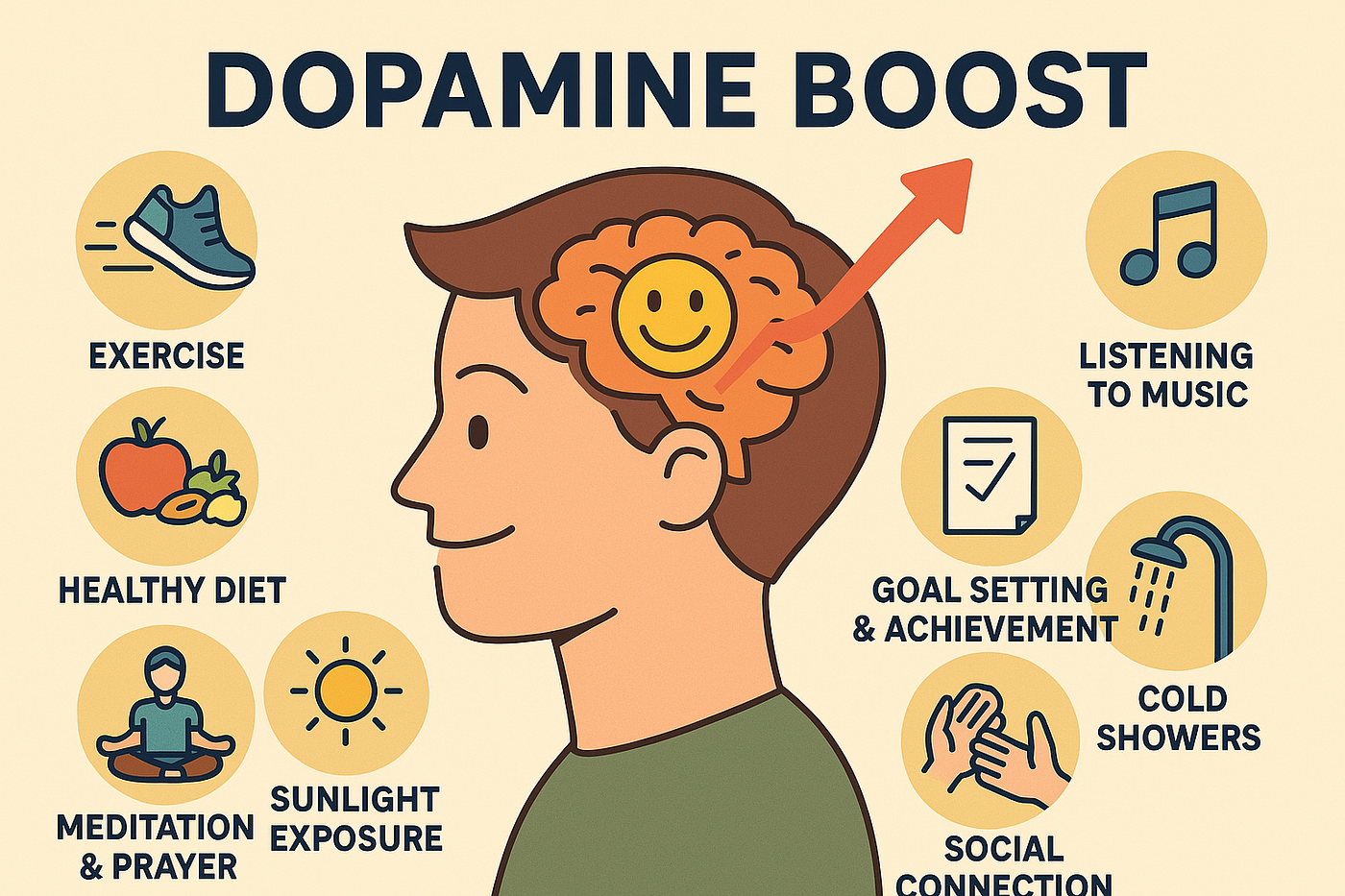
Dopamine is a brain chemical that makes you feel good. Exercise boosts dopamine levels naturally. This creates a sense of pleasure and reward. Higher dopamine encourages you to repeat the activity. It helps turn workouts into a positive experience.
How Habits Form And Stick
Habits form through repeated actions. The brain creates pathways for these actions. The more you exercise, the stronger the pathway. Strong pathways make workouts feel easier and automatic. Consistency helps turn exercise into a lasting habit.
Impact Of Positive Reinforcement
Positive reinforcement means rewarding yourself for good behavior. Compliments, small treats, or tracking progress can help. Rewards signal the brain that exercise is valuable. This increases motivation and makes workouts enjoyable. Positive reinforcement encourages regular exercise over time.
Credit: betterhumans.pub
Setting The Stage For Success
Creating a positive mindset helps make workouts feel fun, not like a chore. Small changes in routine can trick your brain into enjoying exercise more. Setting clear goals and rewarding yourself boosts motivation and happiness during workouts.
Setting the Stage for Success Embarking on a fitness journey can be daunting, but the key lies in setting yourself up for success from the start. It’s about creating an environment that supports your goals, choosing activities that spark joy, and establishing a routine that fits seamlessly into your life. By focusing on these elements, you’ll find yourself looking forward to workouts rather than dreading them.Creating A Workout-friendly Environment
Your surroundings can significantly influence how motivated you feel to exercise. Transform a corner of your home into a dedicated workout space. Keep it clutter-free and stocked with your favorite workout gear. Consider adding motivational posters or a mirror to keep you inspired. Good lighting and a speaker for energizing music can also make a world of difference. Does your space make you want to move, or is it a reminder of chores left undone?Choosing Enjoyable Activities
The secret to loving your workouts is to choose activities that you genuinely enjoy. Think about what makes you smile—dancing, cycling, or perhaps yoga? Experiment with different workouts until you find what clicks. Remember, there’s no one-size-fits-all solution. Mixing it up can prevent boredom and keep you engaged.Scheduling For Consistency
Consistency is the cornerstone of any successful fitness regime. Find a time of day that works best for you and stick to it. Whether you’re a morning person or a night owl, aligning workouts with your natural rhythm can boost adherence. Use a planner or a fitness app to track your progress and set reminders. How often have you skipped a workout because it wasn’t on your calendar? Make it a non-negotiable part of your day, just like brushing your teeth.Mental Tricks To Boost Enjoyment
Making workouts enjoyable doesn’t happen by chance—it’s about changing how your brain perceives the effort. Mental tricks can shift your focus from struggle to satisfaction, turning exercise into something you look forward to. These simple shifts help you stay motivated and even crave your workout sessions.
Using Visualization Techniques
Picture yourself finishing a workout feeling strong and proud. Visualizing success before you start can boost your mood and energy. This mental rehearsal prepares your brain to expect positive outcomes, making the actual workout feel easier and more rewarding.
Try closing your eyes for a minute before exercising and imagine each move flowing smoothly. Feel the sense of achievement as you complete your routine. This small practice rewires your brain to associate workouts with pleasure instead of pain.
Breaking Workouts Into Small Wins
Big workouts can feel overwhelming. Instead of thinking about the entire session, focus on small milestones like completing five minutes or finishing a set. Each small win releases dopamine, the brain’s feel-good chemical, which boosts your motivation to keep going.
When I started running, I celebrated every half-mile. It kept me excited and gave me proof I was improving. What tiny victory can you celebrate next time you exercise?
Focusing On Immediate Rewards
Waiting for long-term results can make workouts feel like a chore. Shift your attention to immediate rewards, such as the refreshing feeling after a workout or the boost in mood. These quick payoffs help your brain link exercise with positive feelings right away.
After a session, treat yourself with a relaxing shower or your favorite healthy snack. These small rewards reinforce the habit and make you want to repeat the experience. What immediate reward motivates you to finish your next workout?

Credit: www.foxnews.com
Engaging The Senses
Engaging your senses can make workouts more enjoyable and less tiring. Using sights, sounds, and smells helps your brain focus on positive feelings. This sensory input can distract from fatigue and boost motivation. Simple changes in your workout environment create a more pleasant experience.
Incorporating Music And Sound
Music changes how your brain feels during exercise. Fast beats raise energy levels. Songs you like keep your mind busy and happy. Try playlists with different tempos for warm-up, workout, and cool-down. Sounds of nature or white noise can also relax and focus you.
Using Aromatherapy And Scents
Scents affect mood and alertness quickly. Peppermint or citrus smells increase energy and reduce tiredness. Lavender or chamomile help calm nerves before stretching or yoga. Use essential oils, scented candles, or sprays in your workout space. Choose scents that feel fresh and motivating to you.
Optimizing Lighting And Ambience
Lighting changes your mood and focus. Bright, natural light wakes you up and boosts alertness. Soft or colored lights create a calm, enjoyable space for slow exercises. Keep your workout area clean and neat to help your brain relax. Add plants or pictures for a more inviting environment.
Social Hacks For Motivation
Social connections can seriously boost your workout motivation. When you link exercise with your social life, it turns from a chore into an experience you look forward to. You might find yourself pushing harder and enjoying more simply because others are involved.
Exercising With Friends Or Groups
Working out with friends or joining a group adds accountability and fun. You’re less likely to skip a session if someone’s expecting you. Plus, sharing laughs or challenges during exercise makes time fly.
Try scheduling regular meetups for walks, runs, or gym sessions. Notice how the energy of a group can push you to try a little harder or last a bit longer. Have you ever felt that extra boost from a workout buddy cheering you on?
Sharing Progress And Celebrations
Sharing your fitness milestones with others can fuel motivation. Whether it’s a new personal best or simply sticking to your routine for a week, telling someone helps you feel proud and keeps you on track.
Use social media or a fitness app to post your achievements. You’ll often get encouraging comments that lift your spirits. How does it feel to have others celebrate your wins alongside you?
Joining Fitness Challenges
Fitness challenges create a sense of competition and community at the same time. Signing up for a 30-day plank challenge or a step count competition gives you a clear goal and deadlines.
Challenges often come with support groups, sharing tips and motivation. The excitement of competing with others can make your workouts more engaging and less like a routine. What challenge could you join today to shake up your workout?
Tracking Progress To Stay Motivated
Tracking your progress helps keep your workout routine exciting and rewarding. Seeing improvements motivates you to keep going. It shows how far you have come and reminds you of your goals. Tracking progress builds a positive mindset and makes exercise more enjoyable.
Using Apps And Wearables
Apps and wearables make tracking simple and fun. They record steps, heart rate, and calories burned. Some apps offer workout plans and reminders. Wearables provide real-time feedback during exercise. This data helps you understand your body’s response. It encourages you to push a little harder each time.
Setting Achievable Goals
Set clear and realistic goals to stay focused. Break big goals into small, easy targets. Achieving small goals boosts confidence and keeps motivation high. Write your goals down and review them often. Adjust goals as you improve to maintain a challenge. This approach prevents frustration and keeps workouts enjoyable.
Rewarding Milestones
Celebrate reaching milestones to reinforce good habits. Rewards can be simple, like a relaxing day or a favorite treat. Choose rewards that support your fitness journey. This creates positive associations with exercise. Rewarding yourself makes the process feel less like a chore and more like a personal victory.
Overcoming Common Mental Barriers
Overcoming common mental barriers is essential to making workouts feel less like a chore and more like a rewarding part of your day. Your mind often sets limits before your body does, so tackling these mental blocks can transform your exercise experience. Understanding these barriers helps you create strategies that keep motivation high and frustration low.
Dealing With Negative Self-talk
Negative self-talk can sabotage your workout before you even start. If you catch yourself thinking, “I’m too tired,” or “I’m not good at this,” challenge those thoughts. Ask yourself if they are based on facts or just feelings in the moment.
Replace harsh judgments with encouraging statements like, “I’m improving every time,” or “I’m strong enough to try today.” This shift rewires your brain to focus on progress, not perfection. Try writing down positive affirmations and reading them aloud before your workout to set a confident tone.
Managing Workout Boredom
Feeling bored during exercise is a common reason people quit. Changing your routine can make a huge difference. Instead of the same treadmill run, try mixing in dance, hiking, or a sport you enjoy.
Listening to upbeat music or engaging podcasts can also keep your mind occupied and boost your mood. Ask yourself what activities excite you or spark curiosity—then add those to your workout plan. Keeping it fresh keeps your brain interested and your body moving.
Handling Setbacks And Plateaus
Everyone faces setbacks or plateaus in their fitness journey. When progress slows, it’s easy to feel discouraged. Instead of giving up, view these moments as chances to reassess your goals and approach.
Consider adjusting your workout intensity, trying new exercises, or focusing on recovery. Reflect on what small wins you’ve achieved so far—celebrating those can fuel your persistence. What new challenge can you set to reignite your motivation?
Credit: medium.com
Frequently Asked Questions
How Can I Make Workouts More Enjoyable Daily?
Focus on fun activities you love. Mix exercises to avoid boredom. Use music or podcasts to stay motivated. Set small goals and reward yourself. These tricks make workouts feel less like a chore and more like a fun habit.
Why Does My Brain Resist Exercising Sometimes?
Your brain associates workouts with discomfort or effort. This triggers resistance to start or continue. Reframing exercise as a positive experience reduces this resistance. Gradual exposure and positive reinforcement help your brain adapt to enjoying workouts.
What Role Does Music Play In Workout Enjoyment?
Music boosts mood and energy during workouts. It distracts from fatigue and pain. Upbeat tunes increase motivation and endurance. Listening to favorite songs makes exercise feel easier and more enjoyable, helping you stay consistent.
How Can Goal Setting Trick My Brain During Workouts?
Setting clear, achievable goals gives your brain focus. It creates a sense of accomplishment when goals are met. This triggers dopamine release, making workouts feel rewarding. Break larger goals into small steps to maintain motivation and enjoyment.
Conclusion
Tricking your brain to enjoy workouts can change your routine. Small changes make exercise feel easier and more fun. Try new activities or set simple goals. Focus on how exercise makes you feel good. Remember, staying active helps your body and mind.
Keep practicing these tips every day. Soon, working out won’t feel like a chore. Enjoy the process and celebrate your progress. Exercise becomes a part of life, not a task. Stay positive and keep moving forward.







