
Sticking to your workout schedule can feel tough, especially when life gets busy or motivation fades. But what if you had simple, effective ways to keep yourself on track every single day?
Imagine how great it would feel to see real progress, boost your energy, and build a habit that lasts. You’ll discover easy strategies that make staying committed to your workouts not just possible, but even enjoyable. Ready to transform your routine and reach your fitness goals?
Let’s dive in.
Set Clear Goals
Setting clear goals is key to staying on track with your workout schedule. Goals give you a reason to keep moving forward. They help you focus on what matters most. Without clear goals, it’s easy to lose motivation or skip workouts. Goals also make your progress measurable and real. You can see how far you’ve come and what you still want to achieve.
Short-term Vs Long-term Goals
Short-term goals are small steps you can reach soon. They build confidence and keep you motivated. Examples include doing 10 push-ups or jogging for 15 minutes. These goals are easy to track and adjust.
Long-term goals take more time and effort. They give your workouts a bigger purpose. Examples include running a 5K race or losing 20 pounds. Long-term goals need patience and steady work.
Both types of goals work best together. Short-term goals support long-term goals. They break big goals into manageable parts. This balance helps you avoid feeling overwhelmed.
Tracking Progress
Tracking your progress turns your goals into facts. It shows what works and what needs change. Use a notebook, app, or calendar to record workouts. Write down exercises, time, and how you feel.
Tracking creates a habit and builds discipline. It also boosts motivation by showing small wins. Celebrate progress, even tiny improvements. This keeps your energy up and your goals clear.
- Note exercises completed
- Record duration and intensity
- Mark days you workout
- Reflect on how you feel after exercise
Tracking progress makes your workout schedule more effective and real. It helps you stick to your plan and reach your fitness goals.

Credit: www.drlamcoaching.com
Create A Realistic Plan
Set clear, easy goals that fit your daily life. Plan workouts you enjoy to keep motivation high and avoid burnout.
Creating a realistic workout plan is the cornerstone of sticking to your fitness routine. It’s not just about jotting down a few exercises; it’s about crafting a schedule that aligns with your lifestyle, capabilities, and goals. A well-thought-out plan can be the difference between giving up and seeing results.Choose Suitable Workout Types
Selecting the right types of workouts is crucial. Do you enjoy running, or does the thought of it make you cringe? Maybe yoga aligns better with your energy levels and flexibility goals. Your choice should reflect what you actually enjoy and can sustain. Mixing different workout styles can keep things interesting and prevent burnout. Consider alternating between cardio, strength training, and flexibility exercises to keep your body challenged and engaged.Schedule Workouts Around Your Life
A common pitfall is trying to fit workouts into an already packed schedule. Instead, think about your daily routine and find slots where you naturally have some downtime. Perhaps early mornings work best before the hustle begins, or maybe evening sessions help you unwind. Use a calendar to block out your workout times as non-negotiable appointments. Life can be unpredictable, but planning around your existing commitments can make it easier to stick with your regimen. What’s one small change you can make today to create space for your workouts?Build Consistent Habits
Building consistent habits is the key to sticking to your workout schedule. Habits make your actions automatic, reducing the need for willpower. When your workout becomes a habit, it feels less like a chore and more like a natural part of your day.
Establish A Routine
Set a specific time for your workouts and stick to it daily. Consistency in timing trains your brain to expect exercise at that moment, making it easier to stay committed. Whether it’s morning, afternoon, or evening, choose a time that fits your lifestyle and energy levels.
Make your routine simple and realistic. If you’re new to exercise, start with 15-20 minutes instead of an hour. Gradually increasing your workout time helps prevent burnout and keeps you motivated.
Use Triggers And Reminders
Use visual cues or environmental triggers to prompt your workout. For example, place your workout clothes where you can see them first thing in the morning. This small reminder makes it easier to take action.
Set alarms or phone notifications as additional reminders. You can also link your workout to an existing habit, like exercising right after brushing your teeth or after your morning coffee. These triggers help make your workout a natural next step.
What triggers can you add today that will make skipping workouts less likely? Try experimenting with different reminders to find what sticks best for you.
Stay Motivated
Staying motivated is key to keeping your workout schedule on track. Motivation drives you to show up even when energy is low. It helps turn exercise into a habit. Without motivation, skipping workouts becomes easy.
Small actions can boost your motivation and keep you moving forward. Social support and rewards create positive feelings about exercise. These feelings make you want to continue regularly.
Find Workout Buddies
Exercising with friends makes workouts more fun. Buddies encourage each other to stay consistent. They provide support on tough days and celebrate progress.
Working out together adds accountability. You feel less likely to skip sessions. Sharing goals creates a team spirit that lifts motivation.
Reward Yourself
Rewards give your brain a positive signal after hard work. Choose small treats that feel special but healthy. This could be a favorite snack, a relaxing bath, or new workout gear.
Set clear milestones and celebrate each one. Rewards make workouts feel worth the effort. They turn exercise into something you look forward to.
Overcome Common Barriers
Sticking to a workout schedule often feels tougher than it should because everyday obstacles get in the way. These barriers can drain your motivation and make consistency seem impossible. Recognizing and tackling these common challenges head-on will help you stay on track and feel more in control of your fitness journey.
Manage Time Constraints
Finding time for exercise can feel like trying to squeeze water from a stone. Your day might already be packed with work, family, and errands. But what if you broke your workouts into smaller, manageable chunks?
Try fitting in 10- or 15-minute sessions throughout the day instead of one long workout. You could do a quick walk after lunch or some stretching before dinner. This way, exercise doesn’t have to compete with your busy schedule—it becomes part of it.
Ask yourself: What small changes can you make to carve out moments for movement? Maybe waking up just 15 minutes earlier or using your commute for a brisk walk. These tiny shifts add up and make sticking to your routine easier.
Handle Lack Of Energy
Low energy can kill your workout plans faster than anything else. You might feel drained after a long day and think, “I just can’t do this today.” But sometimes, a simple change can recharge your motivation.
Focus on what fuels your body best. Are you drinking enough water? Did you eat a balanced meal before exercising? Even light movement, like a gentle stretch or a slow walk, can boost your energy and set the tone for a full workout.
Consider adjusting your workout time to when you naturally feel more energetic. If evenings are tough, try morning sessions. Remember, listening to your body’s rhythms can make a big difference in how you sustain your workouts.
Track And Adjust
Sticking to a workout schedule isn’t just about showing up; it’s about understanding how your body responds and being willing to make changes. Tracking your efforts lets you see real progress, while adjusting your plan keeps you moving forward without burnout or injury. This dynamic approach turns your routine into a personalized fitness journey.
Monitor Your Progress
Keep a simple log of your workouts. Note down the exercises, sets, reps, and how you feel during and after each session. This helps you spot patterns—like when you’re stronger or more tired.
Use tools like fitness apps or a notebook. Tracking isn’t just about numbers; it’s about understanding your energy levels and motivation too. Have you noticed certain days when your workouts feel easier? That insight can guide your schedule.
Modify Your Plan When Needed
If you hit a plateau or feel drained, don’t push blindly. Adjust your routine by changing exercises, intensity, or rest days. Small tweaks can make a big difference in keeping your workouts effective and enjoyable.
For example, if running every day feels overwhelming, swap some runs for low-impact activities like cycling. Have you tried shifting your workout time to match when you feel most energetic? Experiment and find what fits your life best.
Leverage Technology
Sticking to your workout schedule can feel like a challenge, but technology can give you a real edge. It keeps your routine organized, tracks your progress, and even boosts your motivation. When you use the right tools, workouts become easier to commit to and less easy to skip.
Use Fitness Apps
Fitness apps act like your personal coach in your pocket. They offer tailored workout plans based on your goals, whether you want to build strength, lose weight, or increase stamina.
Many apps send reminders to keep you accountable. Have you ever ignored a workout because you forgot it was planned? A simple notification can stop that from happening.
Some apps even include social features. Sharing your progress or competing with friends adds a fun, motivating layer to your routine. What if your next workout buddy was just an app away?
Wearable Devices
Wearable devices like smartwatches or fitness bands track your activity all day long. They measure steps, heart rate, calories burned, and even sleep quality, giving you a complete health picture.
Seeing your stats in real time can push you to move more. When I started using a fitness tracker, I found myself taking the stairs instead of the elevator just to hit my step goal. What small change could a device inspire in your daily habits?
Many wearables offer workout-specific modes. They automatically detect your exercise type and duration, so you don’t have to log anything manually. This ease keeps you focused on the workout, not the tracking.
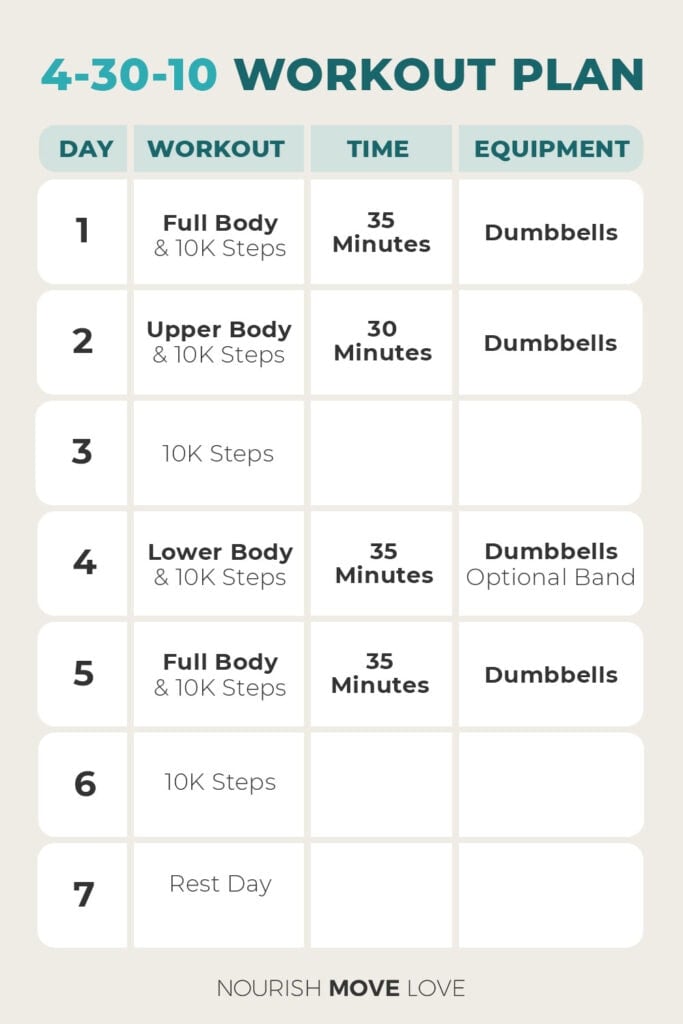
Credit: www.nourishmovelove.com

Credit: www.self.com
Frequently Asked Questions
How Can I Stay Motivated To Keep My Workout Schedule?
Setting clear goals and tracking progress helps maintain motivation. Find workouts you enjoy, and reward yourself for consistency. Support from friends or workout groups also boosts commitment.
What Is The Best Time To Exercise Consistently?
Choose a workout time that fits your daily routine and energy levels. Morning workouts often build habit, but consistency matters more than timing. Stick to your chosen time for better results.
How Do I Avoid Skipping Workouts Regularly?
Plan workouts ahead and treat them as important appointments. Prepare your gear the night before. If motivation dips, try shorter sessions or switch activities to stay engaged.
Can Meal Planning Help Me Stick To A Workout Routine?
Yes, balanced meals fuel your body and improve workout performance. Proper nutrition boosts energy and recovery, making it easier to maintain exercise consistency.
Conclusion
Sticking to a workout schedule takes effort and patience. Set clear goals and plan your sessions ahead. Find exercises you enjoy to keep motivation high. Track your progress to see small wins each day. Remember, consistency beats intensity every time.
Stay positive even if you miss a day. Rest and recover well to avoid burnout. Keep your routine simple and doable. This helps build a healthy habit for life. Small steps lead to big changes over time. Keep moving forward, and success will follow.







