
Losing weight isn’t just about changing your body—it’s a test of your mind. You might feel excited at first, but soon, doubts, cravings, and setbacks can make you want to give up.
How do you keep your focus sharp and your motivation strong when the road gets tough? This guide will show you simple, powerful ways to stay mentally strong during your weight loss journey. By mastering these tips, you’ll not only reach your goals but also build a mindset that lasts a lifetime.
Keep reading—you’re closer to your breakthrough than you think.
Mental Challenges In Weight Loss
Weight loss is not just a physical journey but also a mental one. The mind faces many challenges that can affect progress and motivation. Understanding these mental struggles helps in staying strong and focused. Awareness of common emotional issues, setbacks, and plateaus makes it easier to handle them.
Common Emotional Struggles
Many people feel frustration and self-doubt during weight loss. Cravings and hunger can cause irritability and mood swings. Sometimes, emotions like stress and sadness lead to overeating. Fear of failure can stop progress before it even begins. These feelings are normal but must be managed to keep going.
Impact Of Setbacks
Setbacks happen to everyone. Missing a workout or eating unhealthy food can cause guilt. This guilt may lead to giving up altogether. It is important to see setbacks as learning chances, not failures. Small slips do not erase all hard work. Keeping a positive mindset helps to recover quickly.
Dealing With Plateaus
Weight loss plateaus can feel discouraging. The scale might not move for weeks despite effort. This can cause boredom and loss of hope. Plateaus are normal and mean the body is adjusting. Changing routines or trying new activities can break the plateau. Patience and persistence are key during this phase.
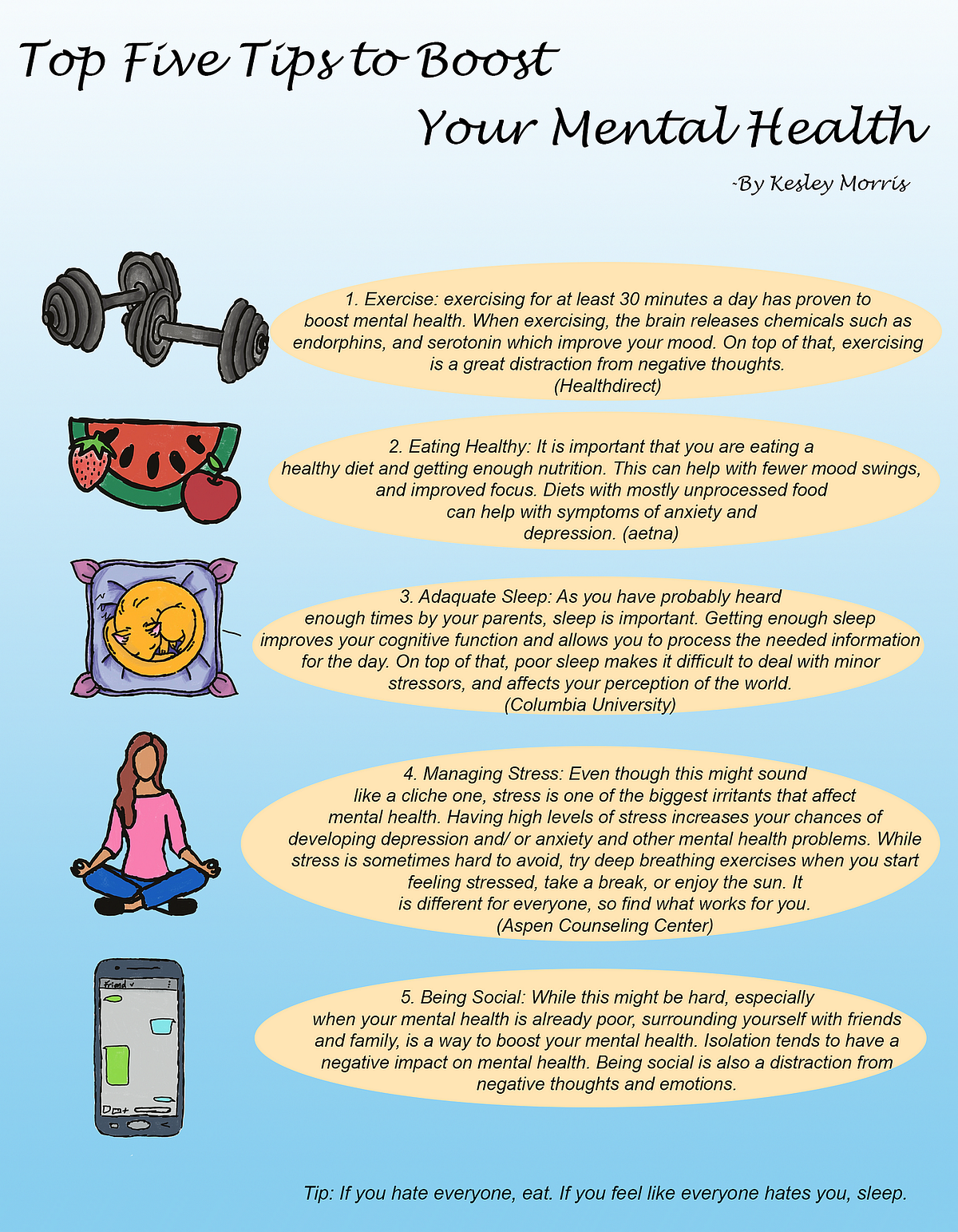
Credit: medium.com
Building A Positive Mindset
Building a positive mindset helps you stay focused and strong during weight loss. Embrace small wins and learn from setbacks to keep moving forward. Staying hopeful and patient makes the journey easier and more rewarding.
Building a positive mindset is crucial when embarking on a weight loss journey. It acts as your mental foundation, helping you navigate challenges with resilience and grace. A positive mindset empowers you to see beyond obstacles and focus on the progress you’re making.Setting Realistic Goals
Start by breaking down your weight loss journey into manageable goals. Instead of aiming to lose 30 pounds in a month, set a target of 1-2 pounds per week. This approach not only feels achievable but also keeps you motivated along the way. Align your goals with your lifestyle and daily routines. Consider what fits into your schedule and what you enjoy doing. By doing this, you reduce the likelihood of burnout and increase your chances of success.Celebrating Small Wins
Every small victory counts, so take time to celebrate them. Whether it’s completing a workout or choosing a healthy meal, acknowledge your efforts. This positive reinforcement encourages you to keep going. Create a list of non-food rewards for when you hit a milestone. It could be a new book, a spa day, or a movie night. These small incentives make the journey more enjoyable and fulfilling.Using Affirmations
Affirmations can rewire your brain towards positivity. Start your day with statements like, “I am strong and capable” or “I choose healthy habits.” These affirmations can shift your mindset and keep you focused on your goals. Write your affirmations on sticky notes and place them where you’ll see them often, like on your mirror or fridge. This constant reminder helps in reinforcing a positive outlook daily. Have you tried using affirmations before? What would your personal affirmation look like? Embrace this tool to bolster your mental strength as you work towards your weight loss goals.Stress Management Techniques
Managing stress is crucial when you’re on a weight loss journey. Stress can easily derail your progress by triggering emotional eating or zapping your motivation. Learning simple, effective techniques to keep your mind calm helps you stay focused and resilient.
Mindfulness Practices
Mindfulness means paying full attention to the present moment without judgment. It helps you notice cravings or negative thoughts without acting on them. You can start by spending just five minutes a day observing your breath or the sensations in your body.
Try to bring this awareness into your meals. Notice the flavors, textures, and how your body feels as you eat. This can prevent overeating and build a healthier relationship with food.
Breathing Exercises
Simple breathing techniques calm your nervous system almost instantly. Try inhaling deeply through your nose for four seconds, holding for four, then exhaling through your mouth for six. Repeat this cycle a few times to lower stress and clear your mind.
When you feel overwhelmed or tempted to skip a workout, pause and breathe. This quick reset can help you regain control and make better choices.
Journaling Benefits
Writing down your thoughts and feelings helps you understand your stress triggers. You might notice patterns, such as feeling anxious before social events or after work. Once you identify these moments, you can prepare or change your response.
Journaling also acts as a release, clearing your mind and reducing worry. Try ending each day by listing three things you’re grateful for—it shifts focus away from stress and towards positivity.
Credit: www.lemon8-app.com
Creating A Support System
Creating a support system plays a key role in staying mentally strong during weight loss. Having people who understand your journey can boost motivation and reduce stress. Support offers encouragement on tough days and celebrates small victories. Building a network of support helps maintain focus and builds confidence. This section explores how to find and use support systems effectively.
Finding Accountability Partners
Accountability partners keep you responsible for your goals. Choose someone with similar weight loss aims or healthy habits. Share your plans and progress regularly with them. Check-ins can be daily or weekly, depending on your needs. Partners offer honest feedback and help you stay on track. They make the journey less lonely and more motivating.
Joining Support Groups
Support groups provide a space to share experiences and advice. Look for local or online groups focused on weight loss or health. Groups offer understanding from people facing similar challenges. They provide tips, encouragement, and a sense of community. Being part of a group helps reduce feelings of isolation. It can also introduce new ideas for staying strong mentally.
Communicating Needs
Clear communication is vital for a strong support system. Tell your friends and family how they can help. Explain what kind of support you need, like encouragement or space. Share your struggles and successes openly to build trust. Being honest helps others understand your journey better. It also ensures you receive the right kind of support at the right time.
Maintaining Motivation Long-term
Maintaining motivation over the long haul during weight loss is often tougher than the initial push. Your energy and excitement can fade, making it harder to stick with your plan. Keeping your mind focused and your spirits high requires smart strategies that make staying on track feel natural and rewarding.
Tracking Progress Effectively
Tracking your progress isn’t just about watching the numbers on the scale. It’s about recognizing every small victory that moves you closer to your goal. Use a journal or an app to note changes in how your clothes fit, your energy levels, or your mood.
Visual cues like photos taken weekly can reveal subtle changes that the scale might miss. When I started logging my workouts and meals daily, I noticed improvements in my stamina before seeing weight loss, which kept me motivated.
- Set realistic and specific milestones
- Celebrate non-scale victories
- Review your progress regularly to spot patterns
Visualizing Success
Imagine yourself reaching your goal and living your ideal lifestyle. Visualization helps you connect emotionally with your end result, making your daily choices feel more meaningful. Spend a few minutes each day picturing how you’ll look, feel, and act once you’ve reached your target.
Try creating a vision board with images or phrases that represent your success. I found that visual reminders on my fridge and phone kept me focused on why I started. What small daily habit can you add that keeps your goal clear in your mind?
Adapting Strategies
Sticking to one plan no matter what can drain your motivation quickly. Your body and lifestyle change over time, so your approach should too. If you hit a plateau or lose interest, adjust your workout routine or try new healthy recipes to keep things fresh.
Listen to your needs and be flexible. When I swapped out my usual cardio for dance classes, my motivation soared because I enjoyed the process more. What’s one small change you can make today to renew your commitment?

Credit: medium.com
Balancing Nutrition And Mental Health
Balancing nutrition and mental health is a key part of staying mentally strong during your weight loss journey. What you eat affects not only your body but also your mood, energy levels, and motivation. Focusing on a healthy relationship with food can help you avoid burnout and keep your mindset positive.
Avoiding Restrictive Diets
Cutting out entire food groups or drastically reducing calories can make you feel deprived and stressed. This often leads to cravings and binge eating, which hurt both your progress and mental wellbeing. Instead, aim for balanced meals that include a variety of nutrients to keep your brain and body fueled.
Think about how you feel after skipping meals or following a strict diet. Does it make you irritable or tired? That’s your body telling you it needs more balanced nourishment.
Incorporating Enjoyable Foods
Eating should be a source of pleasure, not punishment. Make room for your favorite foods, even if they aren’t labeled “healthy.” This approach helps you avoid feelings of guilt and keeps your motivation steady.
For example, if you love chocolate, allow yourself a small piece instead of cutting it out completely. This small act can satisfy cravings and reduce the risk of overeating later.
Listening To Your Body
Pay attention to hunger and fullness cues instead of eating by the clock or out of boredom. Your body knows when it truly needs food and when it’s time to stop. Tuning into these signals helps you build trust with your body and supports mental strength.
Ask yourself before eating: Am I hungry or just bored? This simple question can prevent emotional eating and keep your progress on track.
Physical Activity And Mental Strength
Physical activity plays a crucial role in building and maintaining mental strength during your weight loss journey. Moving your body regularly doesn’t just burn calories—it also sharpens your mind, improves mood, and boosts resilience against stress. Finding the right type of exercise can make a significant difference in how motivated and mentally strong you feel.
Choosing Enjoyable Exercises
You are more likely to stick with physical activity if you enjoy it. Think about what feels fun rather than what feels like a chore. Whether it’s dancing around your living room, hiking in nature, or swimming laps, pick exercises that make you look forward to moving.
Ask yourself: What activities have made you lose track of time before? This can be a great indicator of what you’ll want to keep doing. Variety can also keep things fresh and prevent boredom from sneaking in.
Benefits Of Regular Movement
Exercise releases chemicals in your brain like endorphins and serotonin, which help reduce feelings of anxiety and depression. This natural boost can keep your mindset positive, even when weight loss feels slow or frustrating.
Additionally, regular movement improves your sleep quality, which is critical for mental clarity and emotional balance. When you sleep well, you handle setbacks with more patience and less self-criticism.
Overcoming Exercise Barriers
Sometimes the hardest part is just getting started. Identify what stops you—lack of time, energy, or motivation—and tackle it head-on. Shorter sessions, like 10-minute walks or stretching, can add up and still strengthen your mental resolve.
Think about setting small, achievable goals that build confidence instead of overwhelming yourself with big targets. Have you noticed how even a single workout can shift your mood and mindset? Use that as motivation to keep moving forward.
Frequently Asked Questions
How Can I Stay Motivated During Weight Loss?
Set realistic goals and celebrate small victories. Keep a journal to track progress. Surround yourself with supportive people to stay encouraged and focused.
What Mental Habits Support Successful Weight Loss?
Practice positive self-talk and avoid negative thoughts. Develop patience and resilience. Focus on progress, not perfection, to maintain a healthy mindset.
How Does Stress Affect Weight Loss Efforts?
Stress triggers hormonal changes that increase appetite and cravings. Managing stress through relaxation techniques improves focus and supports consistent healthy choices.
What Role Does Mindset Play In Weight Loss?
A growth mindset encourages learning from setbacks. It boosts confidence and commitment. This mindset helps maintain long-term healthy habits and weight management.
Conclusion
Staying mentally strong helps you reach weight loss goals. Small steps build confidence and keep you motivated. Focus on positive thoughts and celebrate each success. Challenges will come, but your mindset matters most. Keep your goals clear and stay patient every day.
Remember, your mental strength supports your body’s progress. Trust yourself and keep moving forward. You can achieve lasting change with a strong mind.







