
Are you struggling to stay motivated in your fitness journey? Negative thoughts can sneak in and hold you back from reaching your goals.
But what if you could change that mindset and turn those doubts into confidence? Shifting your negative mindset isn’t just about thinking positive—it’s about rewiring how you see yourself and your progress. Keep reading, because you’ll discover simple, powerful ways to break free from negativity and unlock the motivation you need to succeed.
Your best fitness self is closer than you think.
Credit: medium.com
Signs Of A Negative Fitness Mindset
Recognizing the signs of a negative fitness mindset is the first step to changing how you approach your workouts and health goals. These signs often hide in your thoughts, feelings, and even in the results you see or don’t see. Understanding these signals can help you catch destructive patterns early and take control of your fitness journey.
Common Thought Patterns
You might catch yourself thinking, “I’m just not cut out for this,” or “I’ll never get stronger.” These thoughts put limits on your potential before you even start. Another common pattern is focusing only on what you haven’t achieved yet, rather than celebrating small wins.
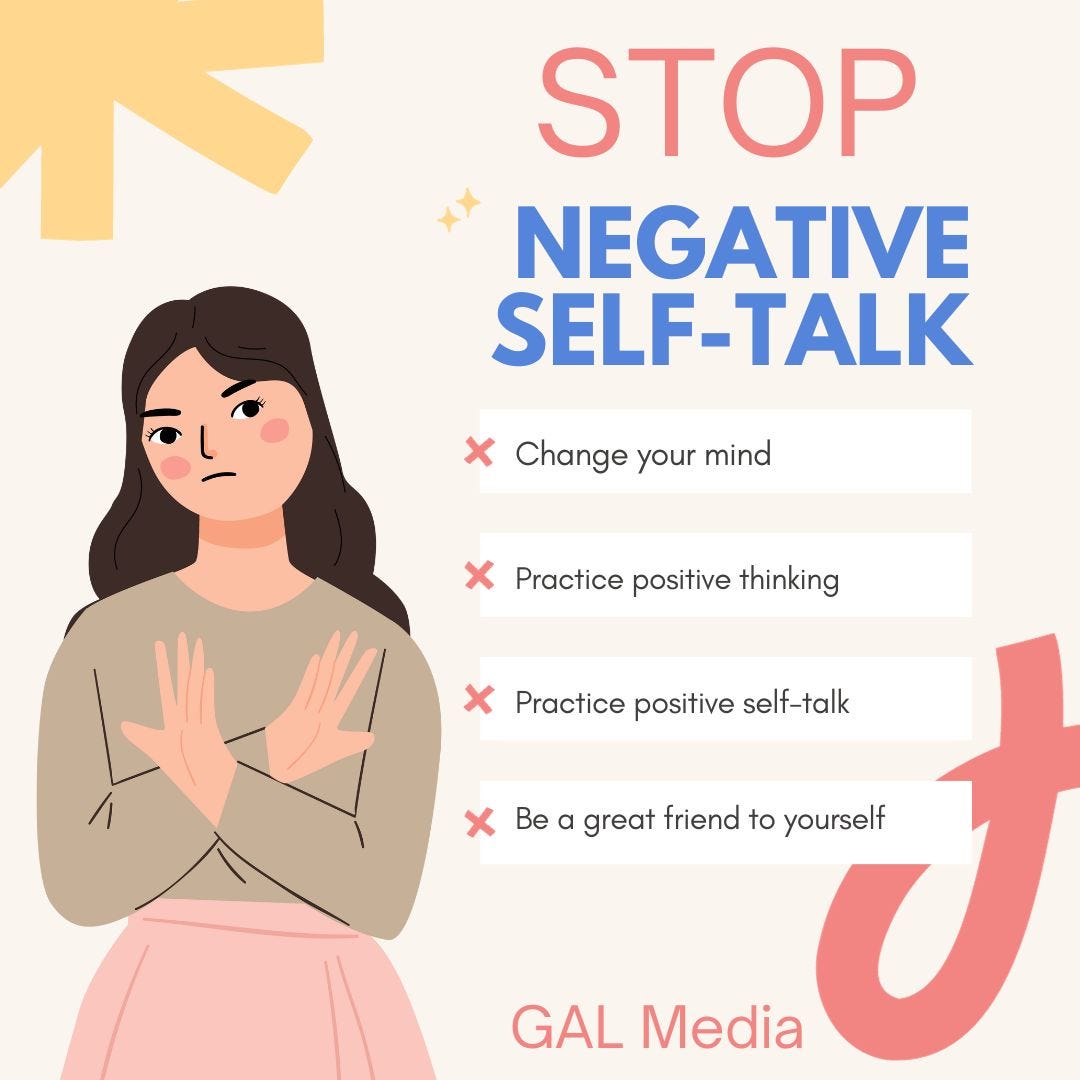
Negative self-talk can sound like:
- “I’m too tired to work out today.”
- “I don’t have time to eat healthy.”
- “I’ll never look like those fitness models.”
Have you noticed how these thoughts stop you from trying your best? Changing the way you talk to yourself can shift your mindset toward a more positive, productive approach.
Impact On Workout Consistency
A negative mindset often leads to skipping workouts or cutting sessions short. You might feel unmotivated or convince yourself that missing one day won’t matter—until those missed days add up. This inconsistency slows progress and chips away at your confidence.
Think about times you missed workouts. Was it because you felt overwhelmed or doubted your abilities? Recognizing these moments can help you create strategies to stay on track, like setting smaller goals or scheduling workouts at times you feel most energetic.
Effects On Physical Progress
When your mindset is negative, physical results may stall or even regress. Doubt and frustration can cause you to push too hard one day and then give up the next. This erratic approach makes it hard for your body to adapt and improve.
Have you ever hit a plateau and thought, “Maybe I’m just not meant to be fit”? That thought can stop you from trying new workouts or adjusting your nutrition. Instead, view plateaus as signals to change your routine, not reasons to quit.
Root Causes Of Negative Thinking
Negative thinking often stems from fear, past failures, or self-doubt. These thoughts can block progress and lower motivation in fitness. Recognizing these root causes helps shift the mindset toward a positive, healthier outlook.
Understanding the root causes of negative thinking in fitness can be your first step towards a healthier mindset. Negative thoughts can derail your progress and impact your motivation. Identifying where these thoughts stem from helps you tackle them head-on.Past Fitness Experiences
Your past experiences with fitness can significantly shape your current mindset. If you’ve faced failures or setbacks before, they might haunt you as you start a new regimen. Reflect on previous experiences and recognize that they don’t define your future success.External Influences
The opinions and expectations of others can weigh heavily on your mindset. Friends, family, or social media can unintentionally plant seeds of doubt. Ask yourself if you’re letting other people’s perceptions dictate your journey.Self-comparison Traps
Comparing yourself to others is a common trap that can foster negativity. Whether it’s comparing your body, progress, or abilities, it often leads to self-doubt. Focus on your unique path and celebrate small victories instead of measuring against others. How often do you find yourself caught in these thought patterns? Recognizing them is the first step to breaking free and fostering a positive outlook on your fitness journey.Techniques To Reframe Negative Thoughts
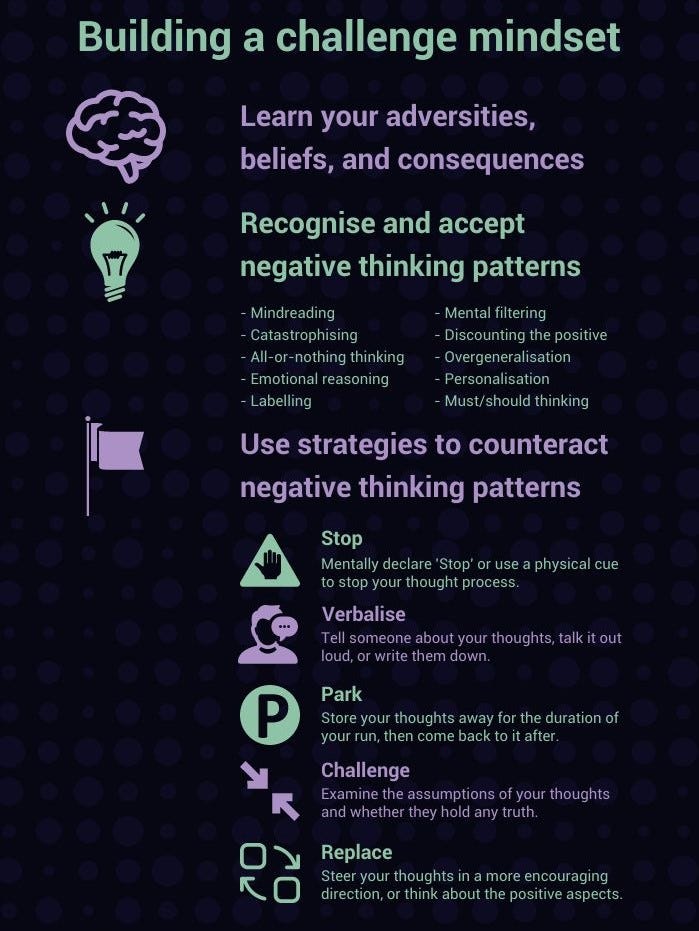
Changing a negative mindset in fitness begins with shifting how thoughts are seen and handled. Techniques that reframe negative thoughts help build a positive mental space. These techniques train the mind to focus on progress and strength rather than setbacks and doubts.
Using simple, consistent practices can make a big difference. They encourage a healthier attitude toward exercise and body image. Let’s explore some effective ways to reshape your thinking and boost motivation.
Positive Affirmations
Positive affirmations are short, encouraging statements repeated daily. They replace self-doubt with confidence. For example, saying “I am strong and improving” can help shift focus from failure to growth.
Use affirmations before workouts or during moments of doubt. Consistent repetition rewires the brain to expect success. This helps reduce negative self-talk and builds a positive mindset over time.
Mindfulness Practices
Mindfulness means paying full attention to the present moment without judgment. It helps you notice negative thoughts as they happen without getting stuck in them. Breathing exercises or body scans are simple mindfulness tools.
Practicing mindfulness during fitness routines increases awareness of your body and limits. This awareness reduces stress and creates space for positive thoughts. Mindfulness encourages patience and kindness toward yourself.
Journaling For Clarity
Writing thoughts down can clear mental clutter. Journaling helps identify negative patterns and understand their triggers. This creates a chance to challenge and change harmful beliefs.
Keep a fitness journal to track progress and feelings. Write about small wins and lessons learned. This habit shifts focus from what is lacking to what is achieved, fostering a positive mindset.

Credit: mattrpullen.medium.com
Setting Realistic Fitness Goals
Setting realistic fitness goals is key to shifting a negative mindset about your workouts. Unrealistic targets often lead to frustration and quitting. Instead, clear, achievable goals help you stay motivated and see real progress.
Short-term Milestones
Breaking your big fitness goal into short-term milestones makes the journey less overwhelming. If your aim is to run 5K, start with walking or jogging for 10 minutes daily. Small steps build confidence and keep you moving forward.
Ask yourself: What can I achieve this week that feels challenging but doable? This mindset turns effort into success rather than failure.
Tracking Progress
Keeping track of your workouts and improvements makes your progress visible. Use a simple journal or a fitness app to note down what you did and how you felt. Seeing numbers, like increased weights or longer distances, can boost your motivation.
Have you ever noticed how a simple progress chart can shift your attitude? It turns vague goals into concrete evidence of your hard work paying off.
Celebrating Small Wins
Don’t wait until the big goal is reached to celebrate. Every extra push-up, every healthy meal, every workout completed deserves recognition. These small wins create positive feedback loops that improve your mindset.
Reward yourself in ways that support your goals, like new workout gear or a relaxing stretch session. What small victory will you celebrate today?
Building A Supportive Environment
Creating a supportive environment can change the way you approach fitness. It shapes your mindset and keeps you moving forward even when motivation dips. Surrounding yourself with the right people and limiting negative influences plays a huge role in shifting your mindset from doubt to determination.
Finding Motivational Communities
Look for groups that share your fitness goals or values. Whether online or in person, these communities provide encouragement and advice. They help you realize you’re not alone in your struggles.
Think about joining local running clubs, fitness classes, or social media groups focused on health. The energy from others pushing toward similar goals can boost your confidence. Have you ever noticed how much easier it is to stick to workouts when others cheer you on?
Role Of Accountability Partners
Having someone to check in with makes a big difference. An accountability partner keeps you honest about your progress and helps you stay consistent. You don’t want to let them down, so you push yourself harder.
Choose someone who understands your challenges and supports your journey without judgment. Share your goals and update each other regularly. This simple habit can turn obstacles into opportunities for growth.
Limiting Negative Influences
Identify people or habits that drain your energy or discourage your efforts. Negative comments or toxic attitudes can quickly erode your motivation. You have the power to set boundaries and reduce exposure to these influences.
Try to replace negative interactions with positive ones. Even small changes, like muting certain social media accounts or spending less time with critical friends, can protect your mindset. What negative voices are you willing to quiet today?
Credit: medium.com
Incorporating Enjoyable Activities
Incorporating enjoyable activities into your fitness routine helps shift a negative mindset. Exercise feels less like a chore and more like fun. Enjoyable workouts boost motivation and keep you consistent. Finding joy in movement creates a positive connection with fitness.
Exploring Different Workouts
Trying various workouts keeps exercise fresh and exciting. Dance classes, swimming, hiking, or yoga offer new experiences. Different activities challenge your body in unique ways. Variety stops boredom and sparks curiosity about fitness. Explore what makes you happy and move your body.
Balancing Intensity And Fun
Exercise should challenge you without causing dread. Mix high-energy sessions with lighter, fun exercises. Play sports with friends or walk in nature. Balance hard workouts with activities that bring joy. This balance helps maintain a positive workout habit.
Listening To Your Body
Your body sends signals about your limits and needs. Pay attention to pain, fatigue, or discomfort during exercise. Adjust workouts to avoid injury and stay comfortable. Rest when needed and celebrate small progress. Listening to your body builds trust and enjoyment in fitness.
Maintaining Motivation Over Time
Maintaining motivation over time is one of the biggest challenges in fitness. Your initial excitement can fade, and the grind might start to feel like a chore. The key is to find ways to keep your energy and commitment alive, even when progress seems slow or obstacles appear.
Reward Systems
Setting up a reward system gives you something to look forward to beyond just the workout itself. It could be as simple as treating yourself to a favorite healthy snack after a tough session or buying new workout gear when you hit a milestone.
Rewards don’t have to be big or expensive. Small, frequent rewards keep your brain engaged and make the process enjoyable. What’s a reward that feels meaningful to you?
Adjusting Goals As Needed
Your goals should evolve with your progress and lifestyle changes. Holding onto rigid targets can lead to frustration if they become unrealistic or too demanding.
Try breaking down big goals into smaller, manageable steps. This helps you celebrate wins regularly and stay motivated. Have you checked recently if your goals still fit your current situation?
Embracing Setbacks As Learning
Setbacks happen. Maybe you missed workouts or your progress stalled. Instead of seeing these moments as failures, treat them as opportunities to learn what works and what doesn’t.
Ask yourself what caused the setback and how you can adjust. This mindset shift turns obstacles into valuable insights, helping you improve over time. How can you turn your last setback into a stepping stone?
Frequently Asked Questions
How Can I Identify A Negative Fitness Mindset?
Recognize thoughts that discourage progress or cause self-doubt. Notice if you focus on failures more than achievements. Awareness is the first step to change. Tracking your thoughts during workouts helps identify negative patterns effectively.
What Are Quick Ways To Shift Negative Thoughts In Fitness?
Use positive affirmations and visualize success regularly. Replace “I can’t” with “I will try. ” Set small, achievable goals to boost confidence. Practicing gratitude for your body’s abilities also improves mindset quickly.
How Does Mindset Affect Fitness Progress?
A positive mindset enhances motivation and consistency. Negative thinking can lead to quitting or reduced effort. Mental attitude influences how you handle challenges and setbacks during training.
Can Social Support Improve A Negative Fitness Mindset?
Yes, surrounding yourself with supportive people boosts encouragement and accountability. Sharing goals with friends or joining fitness groups creates a positive environment. Social support reduces feelings of isolation and increases motivation.
Conclusion
Shifting a negative mindset in fitness takes time and effort. Small steps build confidence and create lasting change. Focus on progress, not perfection, every day. Celebrate each success, no matter how small. Surround yourself with positive support and good habits.
Your mind will become stronger with practice. Keep moving forward and believe in yourself. Fitness is as much mental as physical. Stay patient and enjoy the journey ahead.







