
Are negative thoughts creeping into your fitness routine? You’re not alone.
Those doubts and harsh self-criticisms can drain your motivation and slow your progress. But what if you could change the way you think—and unlock a new level of energy and confidence? You’ll discover simple, powerful ways to reframe negative thoughts so they work for you, not against you.
Ready to shift your mindset and transform your fitness journey? Keep reading to find out how.
The Power Of Positive Thinking
Positive thinking holds incredible power when it comes to shaping your fitness journey. The way you frame your thoughts can either fuel your progress or hold you back. Shifting your mindset from negative to positive creates a foundation for motivation, resilience, and success in your workouts.
The Impact Of Your Inner Dialogue
Your inner voice shapes how you approach challenges in fitness. Instead of saying, “I can’t do this”, try telling yourself, “I am getting stronger every day.”This small change boosts your confidence and keeps you moving forward even when workouts get tough.
Ask yourself: What would happen if you spoke to yourself with encouragement rather than criticism?
Using Positive Affirmations To Build Momentum
Positive affirmations help rewire your brain to focus on your strengths. Repeat phrases like “I am capable,”or “Every step counts,”especially during moments of doubt. These statements reinforce your commitment and remind you why you started.
Try writing down your favorite affirmations and keep them where you see them often—on your water bottle, workout gear, or phone screen.
Turning Setbacks Into Opportunities For Growth
Negative thoughts often arise when progress stalls or setbacks occur. Instead of thinking, “I failed,”reframe it to “This is a chance to learn.”Each mistake teaches you something new about your body and limits, helping you improve smarter and stronger.
How can you view your recent challenges as stepping stones rather than roadblocks?
Identifying Negative Thought Patterns
Negative thoughts in fitness can block progress and lower motivation. Identifying these thoughts is the first step to changing them. Recognizing patterns helps you understand how your mind works during workouts or diet plans.
These thoughts often appear as doubts, fears, or self-criticism. Catching them early can stop them from growing stronger. Awareness creates space to choose better, positive thoughts.
Common Negative Thought Patterns In Fitness
- All-or-Nothing Thinking: Seeing efforts as total success or failure.
- Catastrophizing: Expecting the worst outcome from small setbacks.
- Personalizing: Blaming yourself for things beyond control.
- Overgeneralization: Using one bad experience to judge all future attempts.
- Discounting Positives: Ignoring achievements or progress made.
How To Notice Negative Thoughts
- Pay attention to your inner dialogue during workouts.
- Write down thoughts that lower your confidence.
- Notice feelings like frustration, anxiety, or discouragement.
- Ask yourself what triggers these thoughts.
- Observe if thoughts repeat in similar situations.
Tools To Track Thought Patterns
| Tool | Use | Benefit |
|---|---|---|
| Thought Journal | Record negative thoughts daily | Improves awareness of patterns |
| Mindfulness Practice | Observe thoughts without judgment | Helps detach from negative feelings |
| Self-Reflection Questions | Ask why and how of thoughts | Encourages deeper understanding |
Recognizing Triggers In Fitness
Recognizing triggers in fitness is the first step to changing negative thoughts. These triggers are events or feelings that cause doubt or frustration. Identifying them helps you prepare and respond better. It makes your fitness journey smoother and more positive.
Common Emotional Triggers During Workouts
Many people feel stressed or anxious before exercise. Fear of failure or embarrassment can lower motivation. Comparing yourself to others often brings negative thoughts. Feeling tired or sore might cause you to quit early. Recognizing these feelings helps you fight them.
Environmental Triggers That Affect Mindset
The gym atmosphere can impact your mood. Crowds or loud noises might distract or annoy you. Lack of equipment or space can cause frustration. Watching others’ progress may trigger self-doubt. Notice these surroundings to stay focused and calm.
Physical Signs That Signal Negative Thoughts
Body language shows mental state clearly. Slumped shoulders or shallow breathing indicate stress. Tension in muscles may reflect frustration or anger. Fatigue can lower willpower and increase negative thinking. Pay attention to these signs to adjust your mindset.
Tracking Triggers With A Fitness Journal
Writing down your feelings after workouts reveals patterns. Note what caused stress or sadness. Record times when you felt proud or strong. This practice helps find triggers quickly. A journal supports better control over your thoughts.
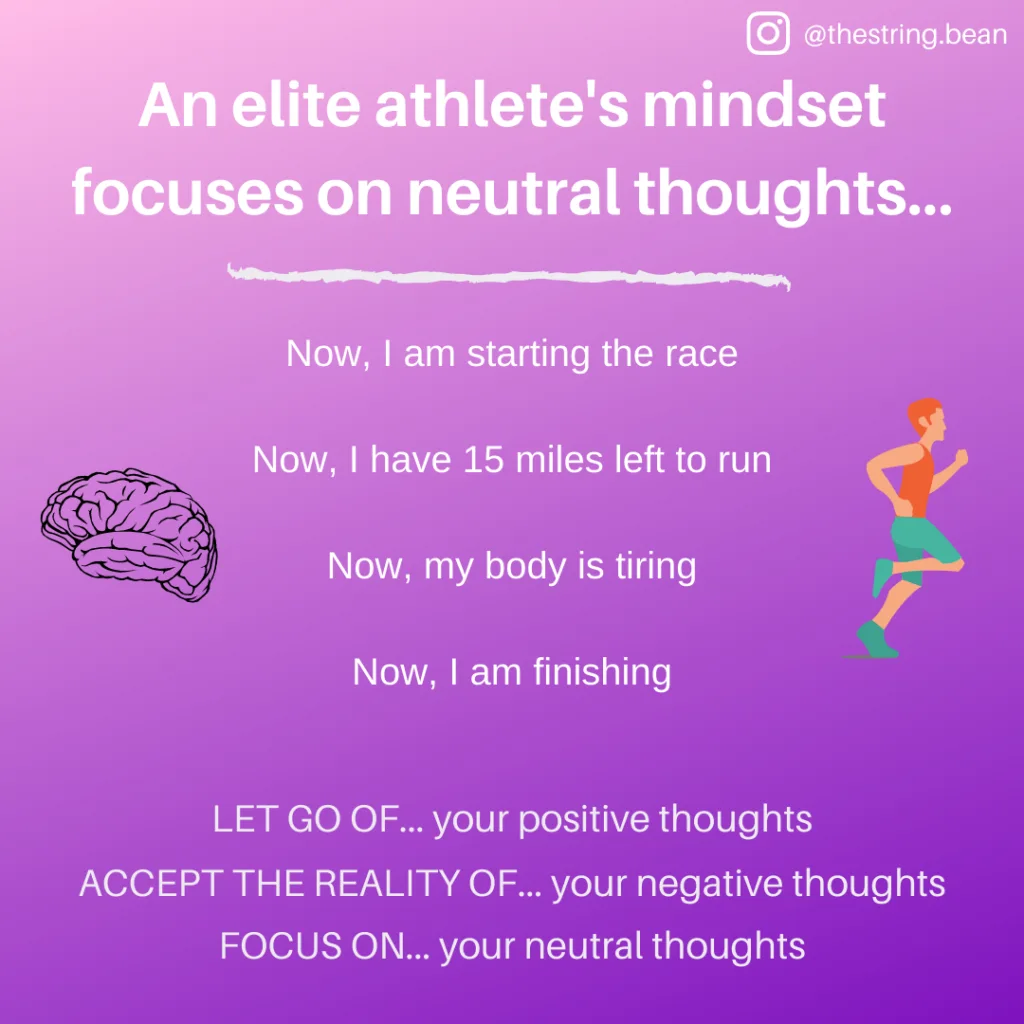
Credit: thestringbean.co
Techniques To Reframe Thoughts
Changing how you think about fitness can boost your progress. Negative thoughts often block motivation and focus. Using specific techniques helps shift these thoughts into positive, helpful ones. This shift makes workouts more enjoyable and goals easier to reach.
Cognitive Behavioral Strategies
These strategies help identify and change negative thinking patterns. Start by noticing your negative thoughts during exercise. Ask yourself if these thoughts are true or just fears. Replace wrong thoughts with realistic, positive ones. For example, change “I can’t do this” to “I am improving every day.”
Writing down thoughts also helps. Keep a journal of negative and positive thoughts. Review and challenge negative ideas regularly. This practice reduces self-doubt and builds confidence.
Mindfulness Practices
Mindfulness teaches awareness of your thoughts and feelings without judgment. Focus on the present moment during workouts. Notice your breathing, movements, and sensations. Let go of worries about past failures or future results.
Try deep breathing or short meditation sessions before exercise. These calm your mind and reduce stress. Mindfulness encourages acceptance and patience with your fitness journey.
Affirmations And Mantras
Affirmations are positive statements repeated to boost belief in yourself. Choose simple phrases like “I am strong” or “I can improve.” Say them aloud before or during workouts.
Mantras work similarly. Use short, rhythmic phrases to focus your mind. They help block out negative thoughts and increase motivation. Repeating affirmations and mantras builds a positive mindset for fitness success.
Setting Realistic Fitness Goals
Setting realistic fitness goals helps keep your motivation strong. Goals that are too big can feel overwhelming. This often leads to negative thoughts about your progress. Realistic goals make your fitness journey clear and manageable. They give you small wins to celebrate along the way.
Clear goals reduce stress and build confidence. They make it easier to stay committed. When goals fit your lifestyle, you feel more positive about exercise. This mindset change helps reframe negative thoughts into encouragement.
Understanding Your Starting Point
Know your current fitness level before setting goals. This helps avoid frustration later. Measure your strength, endurance, and flexibility. Use simple tests like how far you can walk or how many push-ups you can do. Honest self-assessment sets a solid foundation.
Setting Specific And Measurable Goals
Vague goals lead to confusion and doubt. Define what success looks like clearly. For example, “Walk 30 minutes three times a week” is better than “Exercise more.” Measurable goals help track progress easily. They turn effort into visible results.
Breaking Down Big Goals
Big goals can feel out of reach. Break them into smaller steps. Each step should be simple and quick to achieve. This creates a sense of progress. Small wins build positive thoughts and keep you motivated.
Adjusting Goals Based On Progress
Fitness is a journey with ups and downs. Check your progress regularly. Change your goals if they feel too hard or too easy. Adjusting goals helps maintain balance and positivity. Flexibility prevents frustration and negative thinking.

Credit: www.youtube.com
Building A Supportive Environment
Creating a supportive environment is essential when you want to shift your mindset about fitness. Negative thoughts often creep in when you feel isolated or unsupported. Surrounding yourself with positive influences can make a huge difference in how you view your progress and challenges.
Finding A Workout Buddy
Having someone to exercise with can change your entire approach to fitness. A workout buddy keeps you accountable and makes workouts more enjoyable.
Think about the last time you pushed yourself harder just because someone was counting on you. That motivation can help you replace thoughts like “I can’t do this” with “We can do this together.”
Look for someone with similar goals and a compatible schedule. Even a quick text check-in before a workout can boost your commitment.
Joining Fitness Communities
Being part of a group with shared fitness interests offers more than just motivation; it provides a space to share struggles and victories.
Online or in-person communities let you hear how others overcome self-doubt and setbacks. This perspective can help you reframe your own negative thoughts.
- Join local running clubs or gym classes
- Participate in social media groups focused on fitness
- Attend fitness challenges or workshops to meet like-minded people
What kind of support do you need to change your mindset? Finding your tribe could be the key to transforming how you think about your fitness journey.
Tracking Progress And Celebrating Success
Tracking progress and celebrating success are key to changing negative thoughts in fitness. Seeing improvements builds confidence and keeps motivation high. Small wins matter. They show effort pays off and help shift focus from doubts to achievements.
Recording progress creates a clear picture of how far you have come. It helps recognize positive changes even on tough days. Celebrating these moments fuels positive thinking and encourages a healthy mindset toward fitness goals.
Creating A Simple Progress Log
Use a notebook or app to note workouts, weights, and reps. Include how you feel after each session. This habit makes progress visible and real. It shows growth over time, breaking negative cycles of thinking you are not improving.
Setting Small, Achievable Goals
Break big fitness goals into smaller steps. Celebrate each step reached. This keeps motivation steady and boosts confidence. Every small success rewires the brain to focus on what is possible, not on what is hard.
Rewarding Yourself For Milestones
Choose rewards that encourage healthy habits. For example:
- A new workout outfit
- A relaxing massage
- A favorite healthy meal
These rewards make success feel special and reinforce positive feelings about fitness efforts.
Reflecting On Progress Weekly
Take time each week to review your log. Notice improvements and challenges. Reflecting helps keep a positive mindset. It turns focus toward strengths and solutions, reducing negative self-talk.
Credit: www.lemon8-app.com
Staying Consistent With Positive Habits
Staying consistent with positive habits is key to changing your mindset in fitness. Small, steady actions build strong mental habits. These habits help replace negative thoughts with encouraging ones. Consistency creates trust in yourself and your journey.
Positive habits keep motivation alive even on tough days. They create a routine that feels natural and rewarding. By focusing on good habits, you shift your mind from doubt to confidence.
Set Realistic And Clear Goals
Clear goals guide your actions and keep you focused. Realistic goals prevent frustration and help maintain motivation. Break big goals into small, achievable steps. Celebrate each small win to boost your confidence.
Create A Supportive Environment
Your surroundings affect your mindset deeply. Surround yourself with people who encourage your efforts. Remove distractions that lead to negative thoughts or laziness. A supportive environment makes positive habits easier to keep.
Use Positive Self-talk Daily
Talk to yourself kindly and with encouragement. Replace “I can’t” with “I will try” or “I am improving.” Positive self-talk rewires your brain to think more optimistically. Practice this habit daily to strengthen your mental resilience.
Track Progress And Adjust Habits
Keep a simple journal or use an app to track your fitness habits. Recording progress shows how far you have come. Adjust habits that don’t work and keep the ones that do. Tracking helps maintain focus and consistency.
Make Habits Enjoyable
Choose activities you like to avoid boredom. Mix different workouts to keep excitement alive. Enjoyment creates a positive association with your fitness routine. When habits feel good, sticking to them becomes easier.
Overcoming Setbacks In Fitness
Setbacks are a normal part of any fitness journey. Everyone faces challenges like injuries, missed workouts, or slow progress. These moments can feel discouraging and make it easy to give up. Changing how you think about setbacks helps you stay motivated and focused on your goals.
Seeing setbacks as chances to learn and grow builds stronger mental habits. It also keeps your fitness routine on track despite obstacles. Let’s explore ways to reframe negative thoughts during tough times.
Understanding The Cause Of Setbacks
Identify the reason behind the setback. It could be tiredness, poor planning, or external factors. Knowing the cause helps you create a better plan next time. Avoid blaming yourself or feeling defeated. Instead, see the setback as useful feedback.
Focusing On Small Wins
Celebrate every small achievement. Did you do any exercise today? That counts. Progress does not need to be perfect. Recognizing small wins builds confidence. It reminds you that effort matters more than perfection.
Adjusting Your Goals
Sometimes goals need to change. Setbacks may show that your plan was too hard or unrealistic. Adjust your goals to fit your current situation. Smaller, clear goals are easier to reach. This keeps your motivation alive and your progress steady.
Using Positive Self-talk
Replace negative thoughts with kind words. Instead of thinking “I failed,” say “I’m learning.” Positive self-talk encourages you to keep trying. It reduces stress and helps you feel stronger emotionally.
Seeking Support From Others
Talk to friends, trainers, or online groups. Sharing struggles makes them easier to handle. Support provides new ideas and encouragement. It reminds you that setbacks happen to everyone.
Frequently Asked Questions
What Is Reframing Negative Thoughts In Fitness?
Reframing negative thoughts means changing your mindset to see challenges positively. It helps improve motivation and workout consistency. Instead of focusing on failures, you focus on progress and growth, which boosts confidence and fitness results.
How Can I Identify Negative Thoughts During Workouts?
Notice thoughts that discourage or limit you, like “I can’t do this. ” Awareness is the first step to change. Journaling or mindfulness can help track and recognize these patterns during exercise sessions.
What Techniques Help Reframe Negative Fitness Thoughts?
Techniques include positive self-talk, visualization, and setting realistic goals. Replace “I’m too weak” with “I’m improving every day. ” These methods boost mental strength and make workouts more enjoyable and effective.
Why Is Reframing Thoughts Important For Fitness Success?
Reframing builds resilience and motivation, helping you overcome setbacks. Positive thinking enhances focus and energy, making fitness routines sustainable. It prevents burnout and supports long-term health goals.
Conclusion
Negative thoughts can slow down your fitness progress. Choose to see challenges as chances to grow. Small changes in thinking lead to big results. Stay patient and keep practicing positive self-talk. Your mind shapes your actions every day. Focus on what you can do, not what you can’t.
This way, fitness feels easier and more fun. Keep your thoughts kind and strong. You will feel better and reach your goals.







