
Change can feel overwhelming, especially when it shakes up your daily routine. You might find yourself stuck between wanting to move forward and fearing the unknown.
But what if adapting mentally to these lifestyle changes could become easier? Imagine feeling calm, confident, and in control no matter what shifts happen around you. You’ll discover simple yet powerful ways to train your mind to embrace change, reduce stress, and build resilience.
Keep reading to unlock the secrets that help you not just survive, but thrive through any lifestyle transformation.
Recognize The Need For Change
Recognizing the need for change is the first and most crucial step to mentally adapting to a new lifestyle. It means becoming aware of what isn’t working and being honest with yourself about how your current habits affect your well-being. This awareness creates a strong foundation for meaningful change because it shifts your mindset from resistance to readiness.
Identify Triggers
Triggers are the moments or feelings that push you toward habits you want to change. They might be stress, boredom, social situations, or even certain times of the day. Pay close attention to when you feel the urge to act in ways that don’t serve your new lifestyle goals.
For example, you might notice that you reach for unhealthy snacks when you’re tired after work. Recognizing this can help you prepare alternatives or strategies to cope better. Ask yourself: What usually leads me to fall back into old habits? Being specific about your triggers gives you power over them.
Assess Current Habits
Take a clear look at your daily routines and habits. Write down what you do, how often, and how each habit affects your life. This isn’t about judging yourself, but about understanding patterns that need to shift.
Think about habits that drain your energy or slow your progress. Maybe you spend hours on social media when you planned to exercise, or you skip meals during busy days. Seeing these habits on paper can surprise you and motivate change.
Ask yourself: Which habits support my goals, and which hold me back? This honest assessment helps you focus your energy on replacing or modifying habits that no longer fit your lifestyle.
Set Realistic Goals
Setting small, clear goals helps ease the mind into new routines. Realistic targets build confidence and keep motivation steady over time.
Adapting to lifestyle changes can be challenging. A crucial step is setting realistic goals. This helps in managing expectations and maintaining motivation. Start with achievable targets. They provide a sense of accomplishment. Realistic goals also prevent burnout. They make the journey more enjoyable. Let’s explore how to set these goals effectively.Break Down Objectives
Big goals can feel overwhelming. Breaking them down makes them manageable. Create smaller tasks that lead to the main goal. For instance, if you want to exercise regularly, start with short sessions. Gradually increase the duration. This method builds confidence and consistency. It also helps track progress easily. Smaller steps lead to success.Prioritize Small Wins
Celebrate every small achievement. Each win boosts confidence and motivation. Acknowledge the effort you put in. This practice keeps the momentum going. It reinforces positive behavior. Small wins accumulate to form significant progress. They are essential in maintaining focus. Remember, consistency is key. Keep celebrating your journey.Build A Support System
Building a support system is essential when adjusting to lifestyle changes. It helps you stay motivated and reduces feelings of isolation. A strong network offers encouragement and practical advice. Surrounding yourself with the right people can make the transition smoother and less stressful.
Find Like-minded Individuals
Connecting with people who share similar goals or interests creates a sense of belonging. These individuals understand your challenges and celebrate your successes. Join local groups, online forums, or community events that focus on your new lifestyle. Sharing experiences and tips can boost your confidence and keep you on track.
Seek Professional Guidance
Professionals like therapists, coaches, or counselors provide expert support. They help you manage stress and develop healthy habits. Professionals offer personalized strategies tailored to your needs. Their guidance can improve your mental resilience during change. Regular sessions keep you accountable and focused on your progress.
Credit: www.business.com
Develop Positive Mindsets
Changing your lifestyle can feel overwhelming, but shifting your mindset can make the process smoother and more rewarding. Developing positive mindsets helps you stay motivated and resilient. It allows you to face challenges without losing hope or focus.
Practice Self-compassion
Being kind to yourself is essential when adapting to new habits. You might slip up or feel frustrated, but treating yourself harshly only adds stress.
Try talking to yourself like you would to a close friend. Would you criticize them for a small mistake? Probably not.
Instead, remind yourself that change takes time and effort. Celebrate small victories and forgive setbacks quickly to keep moving forward.
Embrace Flexibility
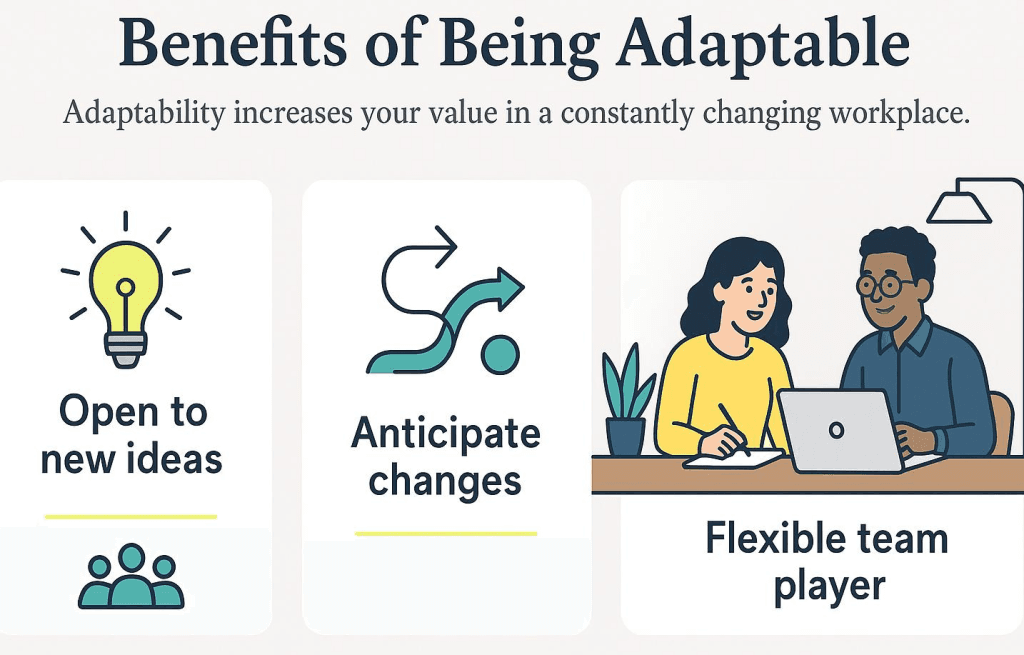
Rigid plans can break easily when life throws unexpected events your way. Flexibility lets you adjust your goals without guilt or disappointment.
Ask yourself: What can I change today that still aligns with my bigger goal? This question keeps you open to new approaches and solutions.
Be willing to try different routines or tweak your schedule. This adaptability often leads to discovering what truly works best for you.
Create Consistent Routines
Creating consistent routines plays a crucial role in helping your mind adjust to lifestyle changes. When your days have a clear structure, your brain knows what to expect, reducing anxiety and building confidence. This structure can turn daunting changes into manageable actions you perform almost automatically.
Establish Daily Habits
Start by identifying small, meaningful actions that support your new lifestyle. These habits should be simple enough to do every day without feeling overwhelming.
For example, if you’re adapting to a healthier lifestyle, commit to drinking a glass of water first thing in the morning or taking a 10-minute walk after lunch. These small habits create a foundation that supports bigger changes.
Think about how your current habits shape your day. What small habit could you add to make your new routine easier to follow?
Use Reminders And Tracking
Reminders can help you stay on track, especially when your new routine isn’t yet second nature. Use alarms, sticky notes, or apps to prompt you at key times.
Tracking your progress with a journal or an app gives you visual proof of your consistency. It can also reveal patterns, showing when you’re most likely to succeed or slip up.
Consider keeping a checklist for your new habits. How does seeing your progress each day affect your motivation to continue?
Credit: www.business.com
Manage Stress And Setbacks
Adjusting your mindset to handle stress and setbacks is key when you face lifestyle changes. These moments test your resolve, but how you respond can shape your progress. Managing stress isn’t about avoiding difficulties; it’s about building a mental toolkit to stay steady and bounce back.
Use Relaxation Techniques
Relaxation techniques help calm your mind and reduce the pressure that comes with change. Simple practices like deep breathing, progressive muscle relaxation, or guided imagery can lower stress levels quickly. I once felt overwhelmed switching careers, but spending five minutes on deep breathing helped clear my mind and regain focus.
Try setting aside a few minutes daily for these exercises. Even a short pause to breathe deeply can interrupt negative thought cycles. What small relaxation habit could you start today to ease your stress?
Learn From Challenges
Setbacks are not failures; they’re lessons wrapped in discomfort. When a plan doesn’t work out, ask yourself what the situation teaches you. This shift in thinking changes your experience from frustration to insight.
For example, if you slip up on a new diet, analyze what triggered the setback. Was it hunger, boredom, or social pressure? Understanding this helps you create a stronger plan moving forward.
How can you turn your latest challenge into a stepping stone rather than a stumbling block? Reflecting on your setbacks helps you adapt smarter and build resilience over time.
Celebrate Progress
Celebrating progress is a powerful way to keep your mind motivated during lifestyle changes. It shifts your focus from what’s still to be done to what you’ve already achieved. Recognizing even small victories can build momentum and boost your confidence.
Reward Milestones
Set clear milestones for yourself, no matter how small they seem. When you reach these points, give yourself a reward that feels meaningful. It could be a favorite treat, a relaxing day off, or buying something you’ve wanted for a while.
These rewards act as positive reinforcement. They remind your brain that change is worth the effort. What small reward can you give yourself today to mark a step forward?
Reflect On Growth
Take time regularly to look back and see how far you’ve come. Write down what you’ve learned and how your mindset has shifted. This reflection helps you appreciate progress beyond just physical or external changes.
Think about moments when you surprised yourself by handling challenges differently. How does recognizing this growth affect your motivation to keep going?

Credit: uninist.com
Frequently Asked Questions
How Can I Mentally Prepare For A Lifestyle Change?
Mentally prepare by setting clear goals and accepting change as a growth opportunity. Practice mindfulness and positive self-talk daily. Break changes into small, manageable steps to avoid overwhelm. Staying flexible and patient helps adapt faster and reduces stress during the transition.
What Are Effective Ways To Overcome Resistance To Change?
Recognize your fears and address them calmly. Focus on benefits rather than losses. Build a support system with friends or professionals. Practice self-compassion and reward small achievements. Gradually expose yourself to new routines to reduce anxiety and build confidence.
How Long Does It Take To Adapt Mentally To Change?
Adaptation varies but typically takes 3 to 6 weeks. Consistent effort and positive mindset speed the process. Regularly reflect on progress and adjust strategies if needed. Remember, mental adaptation is ongoing, and patience is key for lasting lifestyle changes.
Can Mindfulness Improve Mental Adaptation To Lifestyle Changes?
Yes, mindfulness increases awareness and reduces stress. It helps you stay present and manage negative emotions. Practicing mindfulness daily improves focus and emotional resilience. This makes adapting to lifestyle changes smoother and more manageable.
Conclusion
Adapting to lifestyle change takes time and patience. Small steps build strong habits. Stay positive and keep your goals clear. Challenges will come, but you can manage them. Focus on what you can control daily. Talk to others for support and ideas.
Mindset matters more than speed. Keep trying, even if progress feels slow. Change becomes easier with practice and care. Your mental strength grows as you adjust. Embrace the journey, and stay kind to yourself.







