
Struggling to fit workouts into your busy day? You’re not alone.
Finding time for exercise can feel impossible when work, family, and other responsibilities demand so much of your attention. But what if you could unlock simple strategies to make daily workouts a natural part of your routine? Imagine boosting your energy, improving your mood, and reaching your fitness goals without sacrificing your schedule.
Keep reading to discover practical, easy-to-follow tips that help you manage your time better—so you never have to skip a workout again. Your healthier, stronger self is just a few minutes away.
Credit: aliabdaal.com
Benefits Of Daily Workouts
Daily workouts offer numerous benefits that impact both body and mind. They can transform your life with improved health and well-being. Regular exercise boosts energy, enhances mood, and strengthens the body. Let’s explore these benefits in detail.
Physical Health Improvements
Engaging in daily workouts strengthens muscles and bones. It reduces the risk of chronic diseases like diabetes and heart issues. Regular exercise helps maintain a healthy weight. It improves cardiovascular health, enhancing overall body function.
Mental Well-being Boost
Workouts release endorphins, which improve mood. They reduce stress and anxiety, promoting mental clarity. Exercise can enhance memory and cognitive function. It provides a mental break from daily stressors.
Increased Energy Levels
Daily exercise boosts stamina and endurance. It improves sleep quality, leading to better rest. With regular workouts, fatigue decreases, making daily tasks easier. Enhanced energy levels lead to a more active lifestyle.
Common Time Management Challenges
Managing your time for daily workouts often runs into common challenges that can make consistency tough. Understanding these obstacles helps you find realistic ways to overcome them. Let’s look closely at what usually gets in your way and how you might tackle these issues head-on.
Busy Schedules
Balancing work, family, and social commitments can leave little room for exercise. You might feel like your day is packed from morning until night with no free moments. Have you ever tried fitting a workout in only to realize your calendar is already full?
One trick is to identify small pockets of time, even 10 to 15 minutes, that can be dedicated to quick workouts. Try waking up just 15 minutes earlier or using your lunch break effectively. The key is to plan workouts as appointments you cannot miss.
Lack Of Motivation
Sometimes, even when you have time, you just don’t feel like working out. Motivation can dip, especially after a long day or when results seem slow. You might wonder how to push through those moments when your energy is low.
Setting clear, achievable goals helps keep motivation alive. Celebrate small wins like completing a week of workouts or hitting a personal best. Also, mixing up your routine with different activities can keep things interesting and prevent boredom.
Distractions And Interruptions
Distractions can derail your workout plans quickly. Whether it’s your phone buzzing, kids needing attention, or unexpected work calls, interruptions break your focus. Have you noticed how a single distraction can turn a planned 30-minute session into just 10?
Create a dedicated workout space where interruptions are minimized. Turn off notifications or put your phone on “Do Not Disturb” mode. Communicating your workout time to family or coworkers can also reduce unexpected disruptions.
Effective Time Planning Techniques
Effective time planning techniques help you fit workouts into your busy day. Planning saves stress and keeps your fitness routine steady. With clear strategies, you use your time better and stay motivated.
Setting Realistic Goals
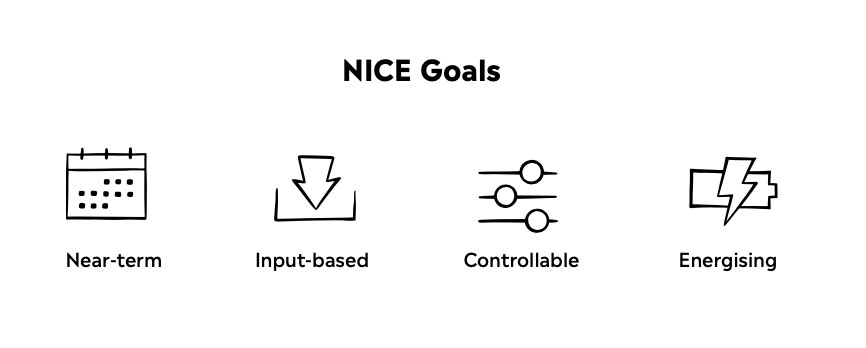
Set goals that match your daily schedule and energy. Choose simple targets like 20 minutes of exercise. Small goals build confidence and create good habits. Avoid setting goals that feel too hard or too long.
Write down your goals and track progress weekly. Adjust goals based on how your body feels. Realistic goals reduce burnout and keep you active longer.
Prioritizing Workout Sessions
Decide which workout sessions are most important. Focus on exercises that match your fitness goals. Put these sessions at the top of your daily plan. Treat workout time as non-negotiable, just like work or family.
Say no to less important tasks during workout time. This keeps your routine consistent and helps you avoid skipping exercise.
Using Time Blocks
Divide your day into chunks of time for different activities. Reserve specific blocks just for workouts. Use alarms or calendars to remind yourself of these blocks. Time blocks create a clear, stress-free workout routine.
Keep workout blocks short but frequent if needed. This helps fit exercise into tight schedules and improves focus during workouts.
Quick Workout Options
Finding time for workouts every day can feel impossible. Quick workout options help you stay consistent without needing hours at the gym. These focused routines maximize effort and results in minimal time, making it easier to fit fitness into your busy schedule.
High-intensity Interval Training
High-Intensity Interval Training (HIIT) packs a powerful punch in just 15 to 20 minutes. You alternate between short bursts of intense exercise and brief rest periods, which keeps your heart rate up and burns calories fast.
Try a simple HIIT routine like 30 seconds of sprinting followed by 30 seconds of walking, repeated 10 times. It’s tough but quick, and you’ll notice improved stamina and fat loss without long workouts.
Short Strength Training Routines
Strength training doesn’t have to take an hour. You can build muscle with just 20 minutes by focusing on compound exercises like squats, push-ups, and deadlifts.
Choose 3 to 4 exercises and perform 3 sets of 8-12 reps each. This approach targets multiple muscle groups quickly and effectively, saving time while boosting strength.
Efficient Stretching Exercises
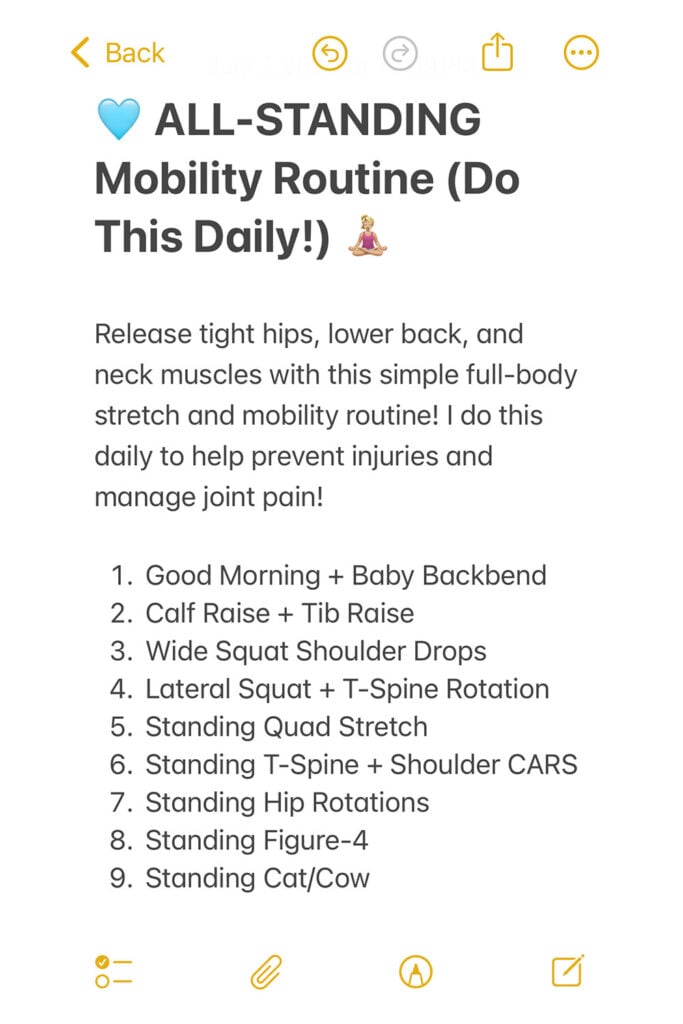
Stretching may seem slow, but efficient stretching routines improve flexibility and reduce injury risk in just 10 minutes. Focus on dynamic stretches like leg swings and arm circles to warm up or static stretches for cooldown.
Incorporate stretches that target tight areas you feel after sitting or working. This small habit can make a big difference in how your body feels and performs daily.
Incorporating Workouts Into Daily Life
Fitting workouts into daily life helps keep your body and mind healthy. Small changes can create lasting habits. You do not need hours to stay active. Even brief sessions add up and improve fitness. Choose times that suit your schedule and energy. Consistency beats intensity for long-term results.
Morning Exercise Benefits
Exercise in the morning boosts energy for the day. It improves focus and mood. Morning workouts help regulate your sleep cycle. You burn calories early and feel accomplished. Starting with light stretching or walking wakes the body gently. Morning workouts reduce stress and set a positive tone.
Lunchtime Activity Ideas
Use lunch breaks for quick workouts. A brisk walk outside refreshes the mind. Try simple bodyweight exercises like squats or push-ups. These need little space and no equipment. Lunchtime activity breaks sedentary habits and increases afternoon productivity. Even 10-15 minutes make a difference.
Evening Workout Strategies
Evening workouts help release daily tension. Choose calming activities like yoga or stretching. If energy is high, try cardio or strength training. Avoid intense exercise too close to bedtime. Plan workouts after work or dinner for better routine. Evening sessions improve sleep quality and relaxation.
Credit: www.nourishmovelove.com
Tools To Stay On Track
Staying consistent with daily workouts can be tough without the right tools. These tools help you track progress, remind you to move, and keep you motivated. They turn your workout routine into a habit that sticks.
Fitness Apps And Trackers
Fitness apps and trackers make managing your workout time easier. Apps like MyFitnessPal or Strava let you log workouts and monitor improvements. Wearable trackers, such as Fitbit or Apple Watch, provide real-time feedback on your activity and heart rate.
These tools give you data that can push you to do better each day. Seeing your progress visually can be surprisingly motivating. Have you ever noticed how a step count can turn a lazy day into a productive one?
Setting Reminders
Setting reminders on your phone or computer keeps your workouts from slipping through the cracks. Simple alerts prompt you to pause and exercise, even during a busy day. You can schedule these reminders for times when you know you’re free.
Use clear, action-oriented messages like “Time for your 20-minute workout!” instead of vague notes. This small change makes a big difference in your response. What kind of reminder message would inspire you to get moving?
Accountability Partners
Having someone to share your workout goals with can significantly boost your commitment. An accountability partner checks in on your progress and encourages you when motivation dips. You might find that a friend or family member works great for this role.
Try setting joint workout times or sharing daily updates. This creates a sense of responsibility and support. Could teaming up with someone help you keep your workout schedule on track?
Maintaining Consistency
Maintaining consistency in your daily workouts is key to seeing real progress. It’s easy to feel motivated at first, but sticking to your routine day after day requires more than just good intentions. The challenge lies in making exercise a natural part of your life without feeling like a chore.
Building Healthy Habits
Start by setting small, achievable goals that fit your schedule. You don’t need to work out for hours; even 10 to 15 minutes daily can create a strong habit over time. Choose a specific time each day for your workout to help your body and mind prepare for it automatically.
Try linking your workout to an existing habit. For instance, right after brushing your teeth in the morning, do a quick stretch or a set of bodyweight exercises. This simple pairing can make it easier to stay consistent because your brain connects the two actions.
Overcoming Setbacks
Missed workouts or low-energy days are normal. Instead of letting these setbacks derail your progress, treat them as learning moments. Ask yourself why you skipped a session and how you can adjust your routine to avoid the same issue.
Keep a workout journal or use an app to track your activity and mood. This can reveal patterns and help you plan better. Remember, a missed day doesn’t erase your efforts; it’s just part of the process.
Rewarding Progress
Recognize and celebrate your milestones, no matter how small. Did you complete a full week of workouts? Treat yourself to something enjoyable like a movie night or a favorite healthy snack. These rewards reinforce your commitment and make the journey more enjoyable.
Try setting non-food rewards to avoid conflicting with your fitness goals. New workout gear, a massage, or even extra rest time can motivate you to keep going. What reward will inspire you to stick with your workouts this week?

Credit: www.naukri.com
Frequently Asked Questions
How Can I Fit Workouts Into A Busy Schedule?
Prioritize workouts by scheduling them like meetings. Use short, effective routines and combine exercises with daily tasks. Consistency matters more than duration for results.
What Are The Best Times To Exercise Daily?
Morning workouts boost energy and metabolism. Evening sessions relieve stress and improve sleep. Choose times that fit your lifestyle and ensure regularity for success.
How Long Should Daily Workouts Be For Beginners?
Start with 20-30 minutes daily. Focus on moderate intensity and gradually increase duration. Short, consistent workouts build habits and prevent burnout or injury.
How Do I Stay Motivated To Exercise Daily?
Set realistic goals and track progress. Vary workouts to avoid boredom. Reward yourself and find a workout buddy for accountability and support.
Conclusion
Daily workouts improve health and boost energy. Start small and set clear goals. Plan your time like any important task. Keep your routine simple and flexible. Stay consistent, even on busy days. Remember, every bit of exercise counts. Enjoy the process and feel the change.
Small steps lead to big results. Make time for yourself and stay active. Your body and mind will thank you.







