
Are you ready to take control of your health and stay motivated every step of the way? Tracking your daily steps is one of the easiest and most effective ways to boost your fitness.
But how do you find the right fitness app to do this for you? You’ll discover simple tips to choose and use a fitness app that fits your lifestyle perfectly. By the end, you’ll have everything you need to start tracking your steps and reaching your goals faster than ever.
Let’s dive in and get you moving!
Choosing The Right Fitness App
Choosing a fitness app that accurately tracks your steps helps monitor daily activity easily. Look for apps with simple interfaces and reliable step counting features. Ensure compatibility with your device for smooth tracking throughout the day.
Choosing the Right Fitness App Selecting the perfect fitness app to track your steps can be a game-changer in your health journey. With numerous options available, it can be overwhelming to find the one that best suits your needs. But don’t worry, by focusing on a few key areas, you can make an informed decision that keeps you motivated and on track.Popular Apps For Step Tracking
Navigating through the sea of fitness apps, you’ll find some that stand out due to their popularity and features. Apps like MyFitnessPal, Fitbit, and Google Fit are well-known and have a large user base. Their popularity often means more frequent updates and community support, enhancing your overall experience.Features To Look For
It’s crucial to focus on what features matter most to you. Do you want an app that simply counts steps, or are you looking for something with advanced metrics like calorie tracking and heart rate monitoring? Some apps offer social features, allowing you to compete with friends, which can boost motivation. Consider your fitness goals and choose an app that aligns with them.Compatibility With Devices
Before you hit the download button, check the app’s compatibility with your devices. Does it sync effortlessly with your smartphone or smartwatch? For instance, Apple Health works seamlessly with iPhones and Apple Watches, offering a smooth user experience. Make sure the app integrates well with your existing tech to avoid any unnecessary hassle. Choosing the right fitness app is a personal journey. What works for one person might not work for another. Reflect on what keeps you motivated and what features are essential for your fitness journey. What do you prioritize in a fitness app?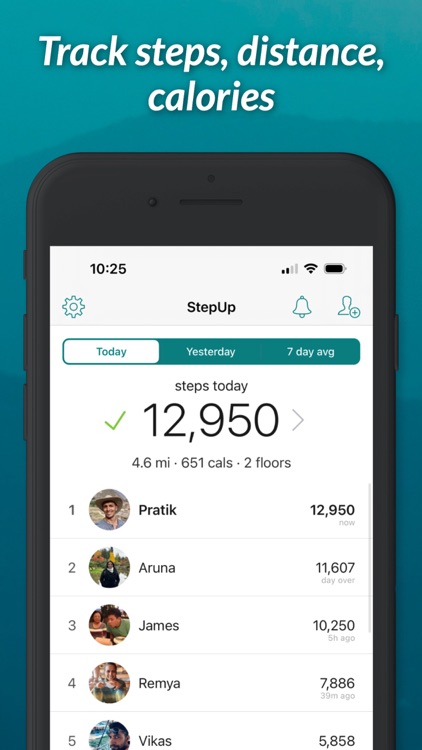
Credit: appadvice.com
Setting Up Your App Correctly
Setting up your fitness app correctly is key to tracking steps accurately. Proper configuration helps the app collect the right data. It also improves your overall fitness experience.
Follow these simple steps to ensure your app works well and gives you reliable results.
Granting Necessary Permissions
Your app needs access to sensors and data on your device. Without permissions, the app cannot track steps. Allow access to location, motion sensors, and health data.
Open your phone’s settings and find the app permissions section. Enable all required permissions for the app to work properly.
Calibrating Step Count
Calibrating ensures the app counts your steps correctly. Some apps ask you to walk a short distance. This helps the app learn your stride length.
Follow on-screen instructions to complete calibration. Regular calibration improves accuracy over time.
Syncing With Wearables
Wearables like smartwatches or fitness bands boost step tracking accuracy. Connect your fitness app with these devices for better data.
Use Bluetooth or the app’s built-in syncing feature. Check that your wearable updates step data in real time.
Syncing keeps your progress updated across all devices. It helps you stay motivated and on track.
Improving Step Accuracy
Improving step accuracy is key for reliable fitness tracking. Accurate step counts help you understand your daily activity better. Small adjustments can reduce errors and improve data quality. Focus on how you wear your device and maintain the app for best results.
Wearing Your Device Properly
Wear your fitness tracker snugly on your wrist or ankle. Loose devices may miss steps or count extra ones. Place it on the dominant hand if the app suggests. Follow the manufacturer’s instructions for the best position.
Avoiding False Step Counts
Keep your device away from activities that cause false steps. Avoid shaking your wrist or tapping the device to increase step count. Turn off step tracking when driving or using machinery. This reduces incorrect data and keeps your stats true.
Regularly Updating The App
Update your fitness app regularly to fix bugs and improve tracking. New versions often include better step detection algorithms. Check app settings after updates to ensure step tracking is enabled. Staying current helps keep your step count accurate and reliable.
Troubleshooting Common Issues
Troubleshooting common issues with fitness apps helps keep your step tracking accurate and reliable. Many users face problems like missing steps, sync failures, or battery drain. Fixing these issues improves app performance and your overall fitness experience.
Fixing Missing Steps
Missing steps happen when the app or device does not record all your movements. Check the app’s permissions to access motion and fitness data. Wear your device correctly for better detection. Restart the app or phone to refresh tracking. Keep the app updated for bug fixes.
Resolving Sync Problems
Sync problems stop your data from updating across devices. Ensure Bluetooth or Wi-Fi is on and working well. Open the app and manually sync your device. Clear cache or data from the app settings to fix glitches. Reinstall the app if syncing still fails.
Battery Optimization Tips
Fitness apps can drain your battery if not managed well. Turn off background app refresh for less battery use. Lower screen brightness and disable unnecessary notifications. Use power-saving mode but allow fitness tracking to run. Charge your device regularly to maintain performance.
Maximizing Step Tracking Benefits
Tracking your steps with a fitness app is more than just counting numbers. It’s about using that information to boost your health and motivate consistent movement. To truly benefit, you need to set clear targets, analyze your progress, and connect your step data with other health tools you use.
Setting Realistic Goals
Start by choosing goals that challenge you but are achievable. If your app shows you average 3,000 steps daily, aim for 4,000 or 5,000 instead of jumping straight to 10,000. Small increases keep you motivated and reduce the risk of burnout or injury.
Think about your daily routine and work schedule when setting targets. Could you add a 10-minute walk during lunch or take stairs instead of the elevator? These small changes add up and make your goals feel more manageable and less like a chore.
Using Data To Motivate
Your fitness app offers more than just step counts. Look at trends over days or weeks to see patterns. Are weekends slower? Does morning walking boost your mood? Understanding these details keeps you engaged and aware of what works best.
Celebrate progress by setting reminders to check your stats or share milestones with friends. Seeing improvement on your app can spark pride and push you to stay active. Ask yourself: What motivates me more—competing with others or beating my own record?
Integrating With Other Health Apps
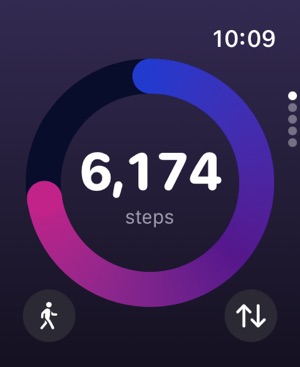
Connecting your step tracker with apps that monitor sleep, nutrition, or heart rate gives a fuller picture of your health. When your fitness app links with a sleep tracker, you might notice better rest on days with more steps. This insight encourages balanced habits.
Many apps allow syncing data automatically, so your progress is always updated. Check if your fitness app supports popular platforms like Apple Health, Google Fit, or MyFitnessPal. Combining data helps you make smarter decisions and stay committed to your goals.
Credit: apps.apple.com

Credit: apps.apple.com
Frequently Asked Questions
How Do I Enable Step Tracking On A Fitness App?
To enable step tracking, open your fitness app settings. Find the “Step Tracking” option and turn it on. Allow the app to access your phone’s motion sensors for accurate tracking.
Which Fitness Apps Are Best For Tracking Steps?
Popular step-tracking apps include Fitbit, Google Fit, and MyFitnessPal. They offer accurate step counts, easy syncing, and additional health features.
Can I Track Steps Without A Fitness Tracker Device?
Yes, most smartphones have built-in sensors. Fitness apps can track your steps using your phone alone, no extra device needed.
How Accurate Are Fitness Apps In Counting Steps?
Fitness apps are generally accurate but may vary by phone model. Holding your phone while walking improves accuracy.
Conclusion
Tracking your steps with a fitness app helps you stay active daily. Choose an app that fits your phone and needs. Make sure to allow the app to access your phone’s sensors. Keep your phone with you while walking or running.
Check your progress often to stay motivated. Small steps add up to better health over time. Start today and enjoy moving more each day. Simple habits lead to big changes.







