
You’ve probably felt frustrated when your workout results don’t show up as quickly as you hoped. Maybe you’re pushing hard but the scale isn’t moving, or your strength gains seem tiny.
It’s easy to want to give up or compare yourself to others who seem to progress faster. But what if slow progress is actually a good thing? What if embracing every small step could help you build lasting strength and confidence?
You’ll discover why slow progress matters and how to stay motivated when gains feel small. Keep reading to unlock the secret to steady, real results that last.
The Importance Of Patience In Fitness
Patience plays a key role in fitness success. Results rarely come overnight. Progress takes time, effort, and consistency. Without patience, frustration can build quickly. This often leads to giving up before seeing real changes. Embracing patience helps maintain motivation and focus. It allows the body to adapt and grow stronger at its own pace.
Patience also reduces the risk of injury. Pushing too hard too fast can cause setbacks. Slow, steady progress builds a solid fitness foundation. It leads to lasting habits and better health.
The Role Of Patience In Building Strength
Strength gains happen gradually. Muscles need time to repair and grow after workouts. Trying to lift heavier weights too soon can cause harm. Patience ensures proper recovery and steady improvements. It helps avoid burnout and injury. Over time, small increases add up to big strength gains.
Patience Supports Mental Well-being During Training
Fitness is not just physical; it affects the mind too. Patience helps manage stress and frustration. It encourages a positive mindset and self-compassion. Accepting slow progress reduces negative thoughts. This improves overall workout enjoyment and consistency. Mental patience strengthens focus and determination.
How Patience Helps Create Lasting Habits
Fitness success depends on long-term habits. Quick fixes often fail to stick. Patience allows habits to form naturally and steadily. Consistent small steps become part of daily life. This makes it easier to keep exercising over months and years. Patience builds a lifestyle, not just short-term results.

Credit: gmb.io
Setting Realistic Goals
Setting realistic goals helps keep motivation strong during slow workout progress. It creates clear direction and makes effort feel worthwhile. Realistic goals match your current fitness level and lifestyle. They prevent frustration and burnout. A balanced goal plan includes both short-term milestones and a long-term vision.
Short-term Milestones
Short-term milestones break big goals into smaller steps. These steps are easier to reach and track. For example, adding 5 extra minutes to your workout each week is a good short-term goal.
- Set targets you can achieve in days or weeks
- Celebrate small wins to boost confidence
- Adjust goals based on progress and challenges
Short-term milestones keep workouts interesting and manageable. They remind you that progress is happening, even if slow.
Long-term Vision
Long-term vision focuses on where you want to be months or years from now. It gives meaning to daily efforts. A clear vision helps you stay patient during slow progress periods.
- Define what success looks like for you
- Include health, strength, or endurance goals
- Keep your vision flexible to adapt to changes
Having a long-term vision creates a steady path forward. It helps you embrace slow progress as part of a bigger journey.
Tracking Progress Effectively
Tracking progress effectively can change how you view your workout journey. It helps you notice even the smallest wins that often get overlooked. By keeping a close eye on your progress, you stay motivated and better understand what works for your body.
Journaling Workouts
Writing down your workouts does more than just record numbers. It creates a personal log of your effort and improvements over time. Note details like the exercises you did, the weights you lifted, and how you felt during the session.
Journaling can reveal patterns you might miss otherwise. Maybe you perform better after a good night’s sleep or struggle after a busy day. Have you ever thought about how your mood or energy affects your workout results?
Use your journal to set small, clear goals for each session. That way, you can celebrate progress even when it feels slow. Seeing consistent entries builds a sense of achievement and keeps you accountable.
Monitoring Physical Changes
Tracking how your body changes is just as important as tracking workout stats. Simple actions like taking weekly photos or measuring key areas can show progress that the scale doesn’t reflect. Clothes fitting differently or more energy during the day are signs too.
Consider keeping a chart with measurements like waist, arms, or legs. This visual can be incredibly motivating when muscle growth or fat loss happens gradually. Are you paying attention to these subtle shifts in your body?
Don’t forget to note how your strength and endurance improve. Maybe you can lift heavier weights or do more reps without getting tired. Tracking these changes gives you proof that your slow progress is real and meaningful.
Understanding Your Body’s Signals
Understanding your body’s signals plays a vital role in embracing slow progress in workouts. Your body communicates through various signs that reveal how it handles exercise and recovery. Paying close attention helps avoid injury and supports steady improvement. It builds a stronger connection between your mind and muscles.
Listening to your body allows you to adjust workout intensity and rest periods. It also encourages patience and respect for your personal pace. This approach leads to long-term success and reduces frustration.
Recognizing Overtraining
Overtraining happens when your body does not get enough time to recover. Watch for constant fatigue, muscle soreness, and lack of motivation. Sleep problems and frequent illnesses also signal overtraining. Ignoring these signs can cause setbacks and injuries.
- Feeling tired even after rest
- Decreased workout performance
- Persistent muscle pain
- Increased irritability or mood swings
- Difficulty sleeping or insomnia
Reducing workout intensity or taking rest days helps the body heal. Proper nutrition and hydration support recovery too. Adjust your plan based on these signals to maintain steady progress.
Celebrating Small Victories
Small wins are important signs of progress. They keep motivation alive and show your body is adapting. Celebrate every achievement, no matter how minor it seems. Acknowledge improvements like better form, increased reps, or less fatigue.
- Completing a workout without pain
- Lifting slightly heavier weights
- Running longer or faster
- Feeling more energetic post-workout
Recognizing these moments boosts confidence and patience. It helps maintain a positive mindset for slow and steady growth. Embrace these signs as proof your body is on the right path.
Adopting A Growth Mindset
Adopting a growth mindset is key to embracing slow progress in your workouts. It means viewing challenges and setbacks not as failures but as opportunities to improve. Shifting your perspective can change how you experience every step of your fitness journey.
Learning From Setbacks
Setbacks are inevitable in any workout routine. Instead of feeling discouraged when you hit a plateau or miss a goal, ask yourself what the situation is teaching you.
Did you push too hard and need more rest? Are there techniques you can refine? Use these moments as feedback rather than final judgments.
When I struggled to increase my running distance, I started tracking small improvements like better breathing and pacing. Those wins kept me motivated even when the miles didn’t add up quickly.
Embracing The Journey
Slow progress forces you to focus on consistency and patience. Ask yourself: what small habits can I build today that will pay off over time?
Celebrate little victories like a few extra reps or improved form. These are signs of growth, even if the scale or stopwatch doesn’t reflect immediate change.
Remember, your workout journey isn’t just about the destination. It’s about how you develop resilience, discipline, and self-awareness along the way.

Credit: www.womenshealthmag.com
Finding Motivation And Support
Finding motivation and support is key to embracing slow progress in workouts. Progress may seem small at times, but the right mindset and encouragement keep you going. Support helps you stay positive and focused on your goals.
Building A Support Network
Surround yourself with people who understand your journey. Friends, family, or workout partners can offer encouragement and share experiences. Join fitness groups online or in your community. They provide advice and celebrate your small wins.
Having others to talk to makes workouts feel less lonely. They remind you that progress takes time and effort. A support network creates accountability and motivation to keep moving forward.
Staying Inspired
Find sources of inspiration that speak to you. Read success stories of people who made steady progress. Watch videos or listen to podcasts about fitness journeys. These stories show that slow progress leads to real results.
Set small, achievable goals to maintain enthusiasm. Celebrate each milestone, no matter how small. Keeping a workout journal helps track progress and stay motivated. Inspiration fuels your drive and helps you enjoy the process.
Balancing Patience With Progress
Balancing patience with progress is key in any workout journey. Progress may be slow, but steady effort yields results. Learning to accept small gains helps keep motivation alive. Patience builds resilience and prevents burnout. Understanding this balance creates a healthy mindset toward fitness goals.
Adjusting Expectations
Set realistic goals based on your current fitness level. Avoid expecting rapid changes overnight. Recognize that muscles need time to grow and strengthen. Celebrate small improvements, like better form or increased endurance. Adjust goals as you learn more about your body’s pace. This approach reduces frustration and keeps workouts enjoyable.
Maintaining Consistency
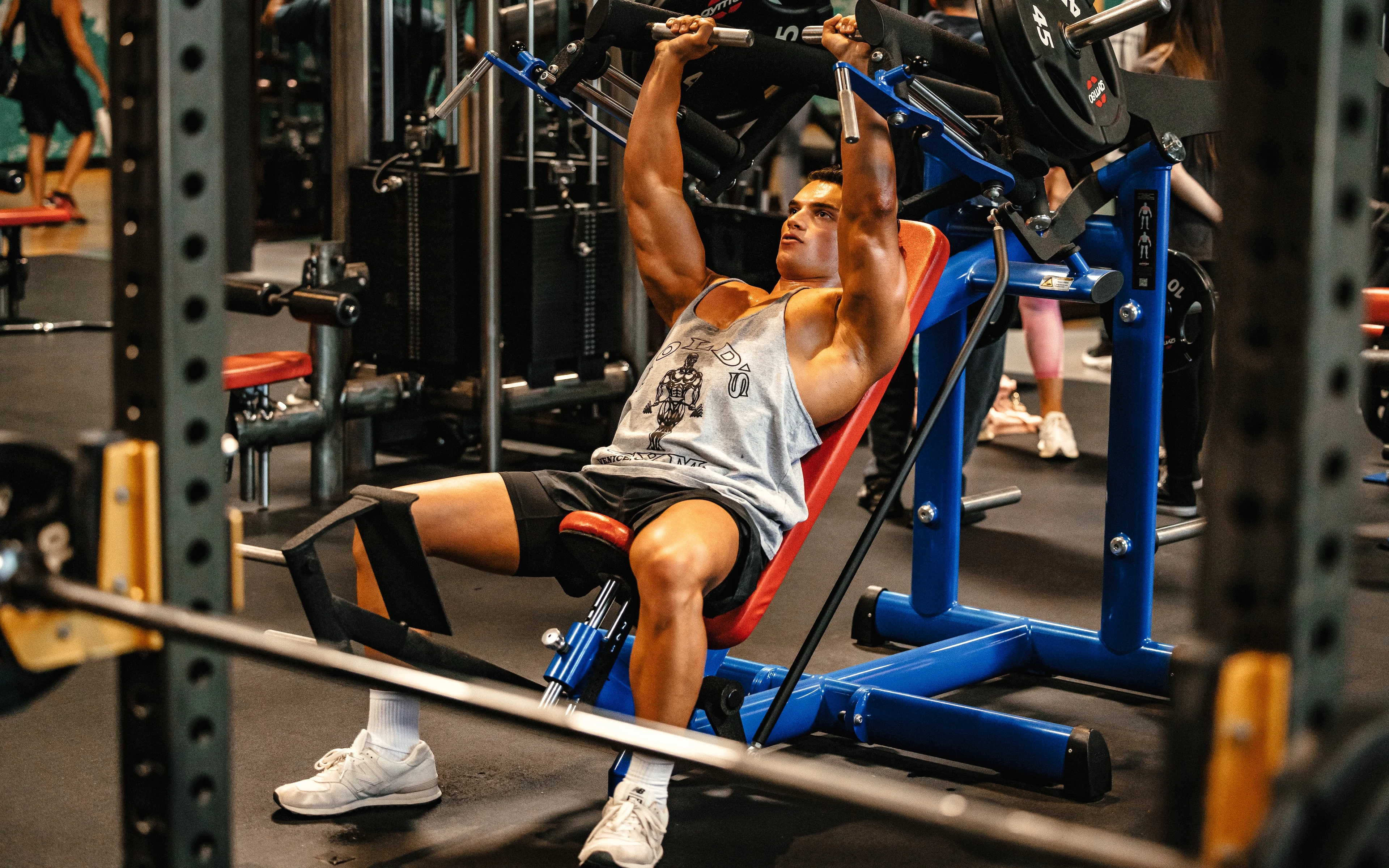
Consistency beats intensity over time. Regular workouts create lasting habits and steady progress. Skipping sessions slows growth and breaks momentum. Create a workout schedule that fits your lifestyle. Focus on showing up rather than pushing too hard. Consistency builds confidence and improves results gradually.
Credit: www.goldsgym.com
Frequently Asked Questions
Why Is Slow Progress In Workouts Normal?
Slow progress is normal because fitness gains take time. The body adapts gradually to new stresses. Consistent effort, patience, and recovery are key to long-term success.
How Can I Stay Motivated With Slow Progress?
Focus on small improvements and personal milestones. Celebrate consistency and effort, not just results. Tracking progress visually helps maintain motivation during slow gains.
What Are Benefits Of Embracing Slow Workout Progress?
Embracing slow progress reduces burnout and injury risk. It builds sustainable habits and a stronger foundation. This approach leads to lasting fitness and better overall health.
How Do I Measure Progress Besides Weight Or Reps?
Track energy levels, endurance, flexibility, and mood. Notice improvements in sleep quality and recovery time. These signs reflect positive changes beyond numbers.
Conclusion
Slow progress in workouts builds lasting strength and habits. Trust the process and stay patient. Small steps add up over time. Celebrate each improvement, no matter how small. Focus on consistency, not speed. Enjoy the journey, not just the goal.
Keep moving forward, even when progress feels slow. Your body and mind will thank you later. Embracing slow progress leads to real, lasting results. Stay committed and believe in your growth.







