
Are you ready to transform your body and feel stronger than ever? Building lean muscle is not just about looking toned—it’s about boosting your confidence, improving your health, and unlocking new energy levels.
But how do you do it without getting bulky or overwhelmed? This guide will show you simple, effective steps tailored just for women. By the end, you’ll have a clear plan to build lean muscle that fits your lifestyle and goals.
Let’s dive in and discover how you can start seeing real results—fast.

Credit: swolverine.com
Benefits Of Lean Muscle For Women
Building lean muscle offers many benefits for women’s health and fitness. It helps the body work better and feel stronger every day. Lean muscle supports daily activities and improves how the body looks and moves.
Boosting Metabolism
Lean muscle increases the number of calories the body burns at rest. This means more energy is used even when not exercising. A higher metabolism helps maintain a healthy weight and supports fat loss. Muscle tissue needs more energy, so the body burns more calories all day.
Enhancing Physical Strength
Strong muscles make everyday tasks easier. Carrying groceries, climbing stairs, and lifting objects require less effort. Building muscle improves endurance and reduces the risk of injury. Women feel more confident and capable in their bodies with increased strength.
Improving Body Composition
Lean muscle changes the shape and tone of the body. It reduces fat and creates a firmer, more sculpted look. Muscle takes up less space than fat, helping clothes fit better. Improving body composition boosts self-esteem and overall health.
Essential Nutrition For Muscle Growth
Nutrition plays a crucial role in building lean muscle, especially for women. Your muscles need the right fuel to recover and grow stronger after workouts. Without proper nutrition, your efforts in the gym might not show the progress you expect.
Protein Sources And Intake
Protein is the building block of muscle. Aim for about 1.2 to 2.0 grams of protein per kilogram of your body weight daily. This amount supports muscle repair and growth effectively.
Good protein sources include:
- Chicken breast, turkey, and lean beef
- Fish like salmon and tuna
- Plant-based options such as lentils, chickpeas, tofu, and quinoa
- Dairy products like Greek yogurt and cottage cheese
Don’t worry if you’re not a fan of meat; combining different plant proteins can provide all essential amino acids your muscles need. Have you tracked your protein intake lately? It’s a simple step that can highlight gaps in your diet.
Balancing Carbs And Fats
Carbohydrates give your body the energy to power through workouts and help with recovery. Focus on complex carbs such as sweet potatoes, brown rice, oats, and whole grains. These release energy slowly, keeping you fueled longer.
Healthy fats are also vital. They support hormone production, including those that help muscle growth. Include sources like avocados, nuts, seeds, and olive oil in your meals.
Think about your plate: is it colorful and balanced? Adding variety ensures you get a range of nutrients that help your muscles grow and keep your energy steady throughout the day.
Hydration And Supplements
Water is often overlooked but essential for muscle function and recovery. Staying hydrated helps prevent cramps and keeps your muscles working efficiently. Aim for at least 8-10 cups of water daily, more if you sweat a lot during workouts.
Supplements can support your nutrition but aren’t magic fixes. Whey protein powder can help meet protein goals when you’re busy. Creatine is another option that might improve strength and muscle gains.
Before adding supplements, ask yourself: are you consistent with your nutrition and hydration first? Solid eating habits are the foundation—supplements should fill gaps, not replace meals.
Effective Strength Training Techniques
Building lean muscle requires more than just lifting weights; it demands smart, targeted strength training techniques. The right approach helps you gain muscle without adding unwanted bulk. Let’s dive into key strategies that can transform your workouts and get you closer to your fitness goals.
Choosing The Right Exercises
Focus on exercises that engage multiple muscle groups at once. This approach saves time and boosts muscle activation. For example, squats, lunges, and push-ups work several muscles simultaneously, making your workouts more efficient.
Don’t ignore smaller, stabilizing muscles either. Adding movements like planks or resistance band exercises can improve balance and support your overall strength. Ask yourself: are your exercises challenging your body in different ways?
Progressive Overload
Your muscles need a reason to grow, and that reason is increasing challenge. Gradually add weight, repetitions, or sets over time to force your muscles to adapt. This doesn’t mean lifting heavy every session; small, consistent increases work best.
Tracking your progress helps you stay on course. Keep a workout journal or use an app to note weights and reps. If you’re not seeing improvement after a few weeks, it’s time to push a little harder.
Incorporating Compound Movements
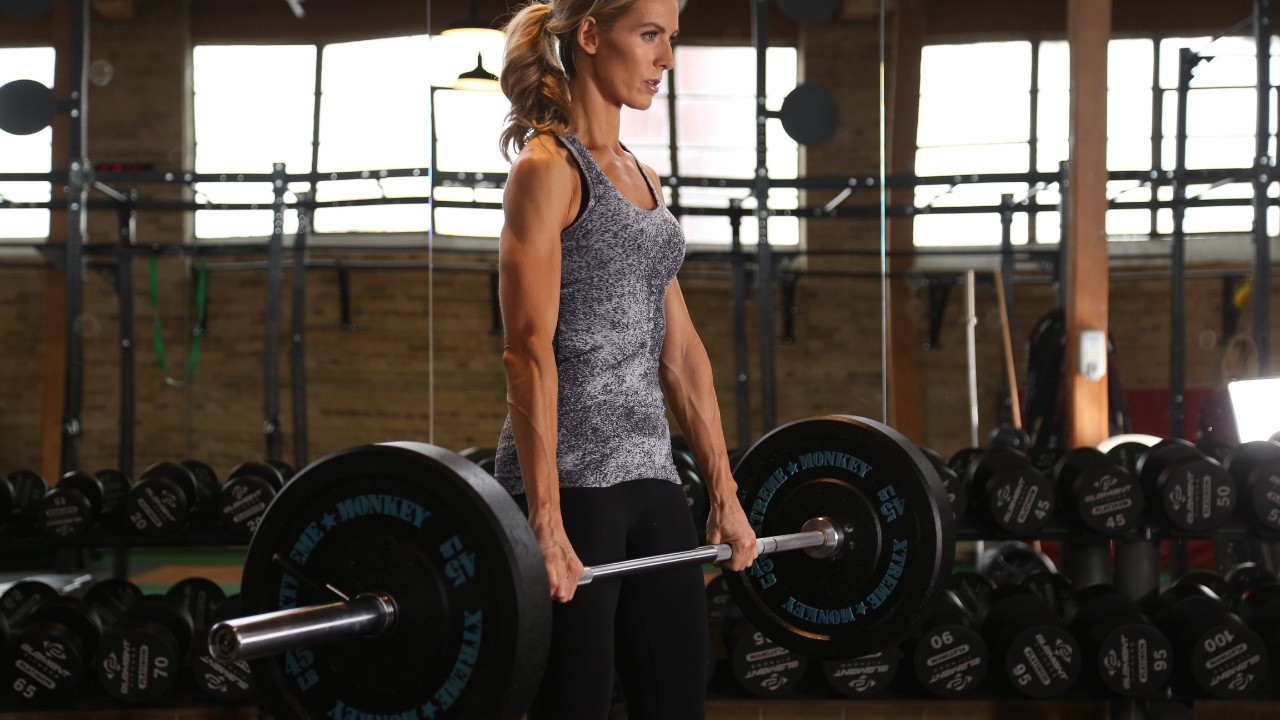
Compound movements involve multiple joints and muscle groups. They build strength faster and burn more calories compared to isolation exercises. Think deadlifts, bench presses, and rows—they recruit large muscles and improve coordination.
These exercises mimic real-life movements, making daily activities easier and reducing injury risk. How often do your workouts include these powerful moves? Adding just a few compound exercises can make a big difference in your lean muscle gains.

Credit: www.jefit.com
Cardio’s Role In Lean Muscle
Cardio plays an important role in building lean muscle for women. It helps burn fat while keeping the muscles defined. Cardio boosts heart health and improves endurance. The key is to balance cardio with strength training to avoid losing muscle. Choosing the right type and amount of cardio is essential.
Types Of Cardio For Toning
Not all cardio is equal for muscle tone. Low-impact cardio helps burn fat without stressing joints. Examples include:
- Walking
- Swimming
- Elliptical training
High-intensity cardio burns calories fast and can improve muscle definition. Try:
- HIIT (High-Intensity Interval Training)
- Jump rope
- Sprint intervals
Choose cardio types that fit your fitness level and goals.
Balancing Cardio And Strength
Both cardio and strength training are important for lean muscle. Cardio helps reduce fat, revealing muscle. Strength training builds and shapes muscle. Balance means:
- Doing cardio 3-4 times per week
- Strength training 2-3 times per week
- Resting properly between workouts
This balance supports muscle growth without overtraining.
Avoiding Muscle Loss
Too much cardio can lead to muscle loss. To protect muscle:
- Keep cardio sessions under 45 minutes
- Eat enough protein daily
- Stay hydrated
- Include strength exercises regularly
These habits help maintain muscle while burning fat.
Recovery And Rest Strategies
Recovery and rest are key for building lean muscle in women. These strategies allow muscles to repair and grow stronger. Without proper rest, progress slows and injury risk rises. Prioritizing recovery helps maintain energy and motivation for workouts.
Importance Of Sleep
Sleep is essential for muscle recovery and growth. During deep sleep, the body releases growth hormones that repair muscle tissue. Aim for 7 to 9 hours of quality sleep every night. Poor sleep can reduce strength and slow fat loss. Create a calm bedtime routine. Avoid screens and caffeine before sleeping.
Active Recovery Methods
Active recovery helps muscles heal without complete rest. Gentle activities improve blood flow and reduce stiffness. Examples include:
- Walking or light jogging
- Yoga or stretching
- Swimming or cycling at a low pace
These activities keep the body moving and speed up recovery. They also prevent muscle soreness from building up.
Managing Muscle Soreness
Muscle soreness is normal after workouts but can be managed well. Use these tips to ease discomfort:
- Apply ice or heat to sore areas
- Massage or foam roll tight muscles
- Stay hydrated to flush out toxins
- Eat protein-rich foods to support repair
Listen to your body and allow extra rest if pain worsens. Proper soreness management keeps workouts consistent and safe.
Credit: www.youtube.com
Tracking Progress And Staying Motivated
Tracking your progress and staying motivated are key factors in building lean muscle effectively. Without clear markers of growth, it’s easy to lose direction or feel discouraged. Keeping tabs on your achievements not only fuels your drive but also highlights areas that need adjustment.
Setting Realistic Goals
Set goals that challenge you but remain achievable. Instead of aiming to gain 10 pounds of muscle in a month, focus on smaller milestones like increasing your workout weight by 5% every two weeks.
Write down your goals and revisit them regularly. This keeps your ambitions tangible and helps prevent burnout. Ask yourself: Are my goals pushing me forward without overwhelming me?
Measuring Strength Gains
Track your strength improvements through simple records. Keep a workout journal where you note weights, reps, and sets for each exercise.
Notice if you can lift heavier or perform more reps over time. These changes are clear signals of muscle growth, even if the scale doesn’t reflect them immediately.
Consider using apps or photos to document your progress visually. Sometimes, the mirror shows what numbers don’t.
Maintaining Consistency
Consistency is the foundation of muscle building. Create a workout schedule that fits your lifestyle and stick to it.
When motivation dips, remind yourself why you started. Small habits like preparing your gym bag the night before or setting workout alarms can keep you on track.
Have you identified your biggest distractions? Eliminating these can help you maintain focus and commitment over the long haul.
Frequently Asked Questions
How Can Women Start Building Lean Muscle?
Women can start building lean muscle by incorporating strength training exercises. Focus on compound movements like squats, deadlifts, and bench presses. Maintain a balanced diet with enough protein to support muscle growth. Consistency and proper rest are crucial for muscle recovery and growth.
Consulting a fitness professional can be beneficial.
What Diet Helps In Building Lean Muscle?
A diet rich in protein, healthy fats, and complex carbohydrates aids muscle building. Include lean meats, fish, eggs, legumes, and whole grains. Ensure you consume enough calories to fuel workouts and recover. Stay hydrated and consider protein supplements if necessary.
Balance is key to support muscle growth and overall health.
How Often Should Women Train For Muscle Growth?
Training frequency depends on individual goals, but 3-5 times a week is ideal. Focus on different muscle groups each session to allow recovery. Ensure workouts are challenging but not overly intense. Rest days are essential for muscle repair and growth.
Listen to your body to avoid overtraining.
Is Cardio Important For Lean Muscle Gain?
Yes, cardio is important as it aids in fat loss, improving muscle definition. However, excessive cardio can hinder muscle growth. Incorporate moderate cardio sessions like brisk walking or cycling. Aim for 2-3 sessions weekly, maintaining a balance with strength training.
Prioritize strength workouts to maximize muscle gain.
Conclusion
Building lean muscle takes time and steady effort. Focus on good workouts and healthy eating. Rest well to help your muscles grow strong. Track your progress and stay patient with yourself. Small steps add up to big results. Keep going, and you will see changes.
Strength and confidence grow together. This journey is about feeling better every day. Stay consistent and enjoy the process. You have the power to build the body you want.







