
Do you ever find yourself dragging through your workouts, wishing you had more energy to push harder and go longer? You’re not alone.
Building natural energy for your workouts can change everything—from how you feel during exercise to the results you see afterward. Imagine powering through your routine with strength and focus, without relying on caffeine or energy drinks. You’ll discover simple, effective ways to boost your energy naturally.
Keep reading, and unlock the secret to workouts that leave you feeling energized and ready for whatever comes next.
Fuel With Balanced Nutrition
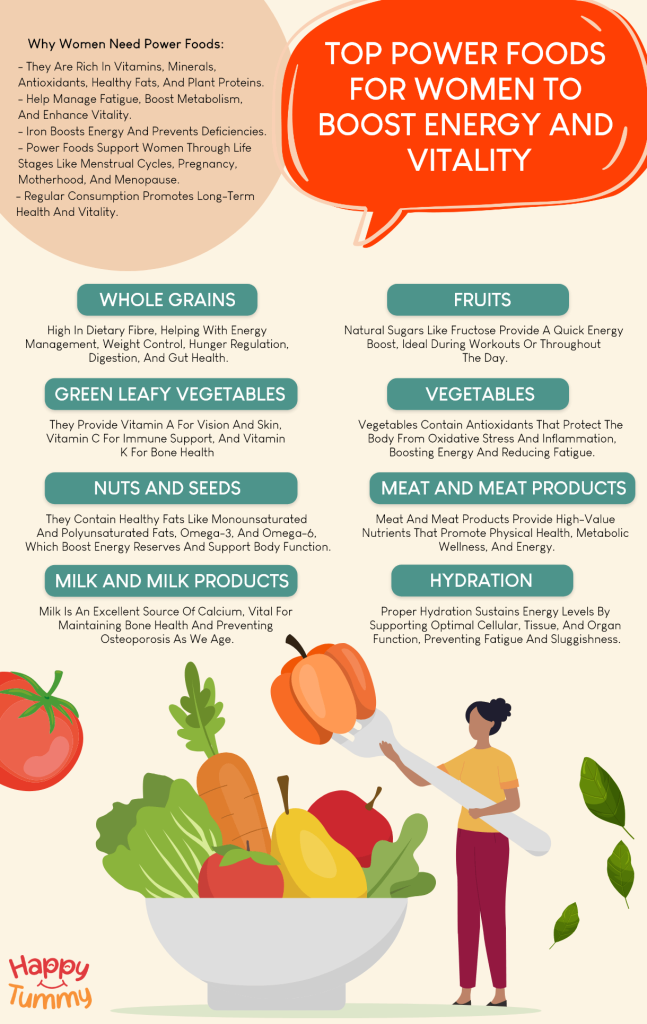
Fueling your body with balanced nutrition is key to building energy for workouts naturally. What you eat directly impacts how strong and energized you feel during exercise. Paying attention to carbs, proteins, fats, and hydration can make a big difference in your performance and recovery.
Carbs For Quick Energy
Carbohydrates are your body’s favorite source of quick energy. They break down into glucose, which muscles use immediately during workouts. Simple carbs like fruit or a slice of toast before exercise can give you a fast energy boost.
Complex carbs, found in whole grains and vegetables, provide sustained energy over a longer period. Have you ever noticed feeling sluggish during a workout after skipping meals? That’s your body running low on carbs.
Proteins And Muscle Repair
Protein helps repair and build muscles after your workout. It doesn’t provide immediate energy but supports recovery and strength gains. Think of lean meats, eggs, beans, and dairy as your muscle’s best friends.
Adding protein to your post-workout meal reduces muscle soreness and prepares you for the next session. Have you tried eating a protein-rich snack after exercising? It could speed up how quickly you bounce back.
Healthy Fats Role
Healthy fats may not give you quick energy, but they provide a steady fuel source for longer workouts. Foods like avocados, nuts, and olive oil support brain function and hormone balance, which affect your overall energy levels.
Including moderate amounts of fats in your diet keeps you feeling full and focused. Do you sometimes crash mid-workout? Fats might help you avoid those energy dips.
Hydration Tips
Water is essential for maintaining energy during any workout. Even slight dehydration can cause fatigue and reduce your performance. Drink small amounts frequently before, during, and after exercise.
Electrolytes like sodium and potassium also play a role in hydration and muscle function. Coconut water or sports drinks can help replenish these after intense sweating. Are you tracking your water intake on workout days? You might be surprised how much it affects your energy.

Credit: www.amazon.com
Optimize Sleep Quality
Optimizing sleep quality boosts energy for workouts. Quality sleep aids muscle recovery, hormone balance, and mental clarity. This section explores how optimizing sleep can enhance your workout performance.
Sleep Cycles And Recovery
Understanding sleep cycles is crucial for recovery. Each cycle has stages: light, deep, and REM sleep. Deep sleep promotes muscle repair and growth. REM sleep helps with mental recovery and mood regulation. Aim for 7-9 hours of sleep to complete these cycles.
Tips For Better Rest
Establish a consistent sleep schedule. Go to bed and wake up at the same time daily. Create a relaxing bedtime routine. Consider activities like reading or meditating. Ensure your bedroom environment is conducive to sleep. Keep it cool, dark, and quiet. Invest in a comfortable mattress and pillows.
Avoiding Sleep Disruptors
Limit caffeine and alcohol intake before bed. They can interfere with sleep quality. Reduce screen time an hour before sleeping. Blue light from screens can disrupt your sleep hormones. Manage stress with relaxation techniques. Practice deep breathing or gentle yoga before bed.
Incorporate Effective Warm-ups
Effective warm-ups are a game changer for your workout energy. They prepare your body and mind, making your exercise feel easier and more powerful. Think of warm-ups as the fuel that gets your engine running smoothly before you hit full throttle.
Dynamic Stretching Benefits
Dynamic stretching wakes up your muscles by moving them through a full range of motion. This type of stretching boosts blood flow, which helps deliver oxygen and nutrients to your muscles right before exercise.
Unlike static stretching, dynamic moves keep your body active and ready. You’ll notice improved flexibility and less stiffness, which means better performance and lower injury risk. Have you ever felt sluggish starting a workout? Dynamic stretching can fix that.
Pre-workout Movement Ideas
Choose movements that mimic your workout but at a lower intensity. This primes your muscles and nervous system for the work ahead, so you don’t waste energy ramping up mid-session.
- Leg swings and arm circles help loosen joints and increase mobility.
- Light jogging or brisk walking raises your heart rate gradually.
- Bodyweight exercises like squats or lunges activate your large muscle groups.
Try mixing these into a quick 5-10 minute routine before every workout. Notice how your energy spikes and your focus sharpens. What small warm-up can you add tomorrow to boost your workout energy?
Credit: lifewaykefir.com
Use Natural Energy Boosters
Natural energy boosters can enhance your workout without harsh chemicals. They support your body’s own energy systems. Using natural methods helps maintain steady energy levels. These boosters reduce fatigue and improve focus. Here are some effective natural energy boosters for your workouts.
Herbal Supplements
Herbal supplements can increase stamina and alertness. Some popular options include:
- Ginseng:Known to improve energy and reduce tiredness.
- Ashwagandha:Helps the body handle stress and boosts endurance.
- Maca Root:Supports physical strength and stamina.
Choose high-quality supplements and follow recommended doses. These herbs work best when taken regularly over time.
Caffeine Alternatives
Caffeine is common for quick energy, but alternatives offer smoother boosts. Consider these options:
- Green Tea:Contains less caffeine and antioxidants for steady energy.
- Yerba Mate:Provides energy with added vitamins and minerals.
- Matcha:A powdered green tea rich in antioxidants and mild caffeine.
These alternatives avoid sudden crashes and support longer energy release.
Breathing Techniques
Breathing properly increases oxygen flow to your muscles and brain. Try these simple techniques:
- Deep Belly Breathing:Breathe deeply through your nose, filling your belly.
- Box Breathing:Inhale, hold, exhale, and hold again for equal counts.
- Alternate Nostril Breathing:Breathe through one nostril at a time to balance energy.
Practice these before and during workouts for natural energy and calm focus.
Manage Stress Levels
Managing stress levels plays a vital role in building natural energy for workouts. Stress drains your mental and physical strength. Lower stress helps your body recover and stay active. Simple changes can reduce stress and boost workout energy.
Impact Of Stress On Energy
Stress triggers the release of hormones like cortisol. High cortisol causes fatigue and lowers motivation. It also disrupts sleep, which reduces energy for exercise. Chronic stress can weaken the immune system. This leads to slower recovery and less stamina. Stress makes muscles tense, causing discomfort during workouts. Lower stress improves focus and endurance.
Relaxation Methods
Relaxation techniques calm the mind and body. Try deep breathing to slow your heart rate. Meditation helps clear distracting thoughts. Gentle yoga stretches reduce muscle tension. Spending time in nature refreshes your energy. Listening to soothing music can lower stress. Consistent practice of these methods improves workout energy over time.
Credit: happytummy.aashirvaad.com
Build Endurance Gradually
Building endurance gradually is key to having enough energy for your workouts without burning out. It means increasing your workout intensity and duration in small, manageable steps. This approach helps your body adapt over time, making exercise feel easier and more enjoyable.
Progressive Training Plans
Start with a plan that fits your current fitness level. If you’re new to running, don’t jump into long distances right away. Instead, add a little more time or distance each week—like running an extra minute or half a mile.
Tracking your progress keeps you motivated and helps avoid injury. You can use apps or a simple journal to note how your endurance improves. Have you noticed how a small increase can make a big difference after a few weeks?
- Begin with 20-minute sessions and add 5 minutes weekly.
- Alternate between easy and slightly harder workouts.
- Include cross-training like cycling or swimming to mix things up.
Rest And Recovery Importance
Rest days are not a sign of weakness—they’re essential for building endurance. Your muscles need time to repair and grow stronger after workouts. Skipping recovery can lead to fatigue and even injury, cutting your progress short.
Listen to your body and schedule regular rest. Quality sleep and hydration also play a huge role in how well you recover. Do you give yourself permission to take a break, or do you push through every session?
- Take at least one full rest day each week.
- Use active recovery like gentle yoga or walking.
- Focus on sleep quality—aim for 7-9 hours nightly.
Stay Consistent And Motivated
Staying consistent and motivated is key to building lasting energy for your workouts. It’s easy to feel pumped at the start but keeping that momentum takes more than just willpower. Understanding how to set achievable goals and track your progress can transform your approach and keep your energy levels steady over time.
Setting Realistic Goals
Setting realistic goals means knowing what you can achieve without overwhelming yourself. Instead of aiming to work out for two hours every day, try starting with 20 to 30 minutes of exercise a few times a week. This approach helps you build a habit without burning out early.
Think about what motivates you personally. Is it improving your stamina, lifting heavier weights, or simply feeling more energetic? Tailoring your goals to what excites you makes it easier to stay focused. What small change can you commit to this week that feels doable?
Tracking Progress
Tracking your progress doesn’t have to be complicated. Use a simple journal, an app, or even photos to see how far you’ve come. Recording each workout and noting how you feel before and after can reveal patterns that boost your motivation.
Seeing improvement, no matter how small, creates a positive feedback loop. For example, noticing that you can run an extra minute or lift a bit more weight can spark a sense of achievement. How do you currently measure your workout success, and could a new method help you stay motivated?
Frequently Asked Questions
How Can I Boost Workout Energy Naturally?
To boost workout energy naturally, focus on balanced meals, proper hydration, and consistent sleep. Include complex carbs, lean proteins, and healthy fats. Avoid processed sugars that cause energy crashes. Regular exercise also improves stamina and energy levels over time.
What Foods Increase Energy For Exercise?
Foods like bananas, oats, nuts, and yogurt provide sustained energy for workouts. These foods offer complex carbohydrates, protein, and healthy fats. They help maintain blood sugar levels and improve endurance during exercise.
How Does Hydration Affect Workout Energy?
Proper hydration keeps muscles working efficiently and prevents fatigue. Drinking water before, during, and after workouts maintains energy levels. Dehydration reduces strength and endurance, making workouts feel harder.
Can Sleep Improve Workout Energy?
Yes, quality sleep is crucial for energy and recovery. It helps repair muscles and replenish energy stores. Aim for 7-9 hours of sleep to enhance workout performance and reduce fatigue.
Conclusion
Building energy for workouts takes time and good habits. Eat balanced meals with whole foods to fuel your body. Stay hydrated by drinking plenty of water throughout the day. Get enough sleep to help your muscles recover and grow. Try simple breathing exercises to increase oxygen flow and focus.
Small changes add up and improve your strength and stamina. Keep your routine steady and listen to your body’s needs. Natural energy boosts work best when you care for yourself daily. Keep moving, stay positive, and enjoy your workout journey.







