
Do you want stronger, more defined calf muscles that turn heads and improve your overall performance? Building your calf muscles isn’t just about looks—it helps with balance, power, and endurance too.
But if you’ve been struggling to see results, you’re not alone. The secret lies in the right exercises and techniques that target your calves effectively. Keep reading, and you’ll discover simple, proven steps to sculpt your calves faster than you thought possible.
Your journey to impressive calves starts here.
Calf Muscle Basics
Understanding the basics of your calf muscles is key to building them effectively. Knowing what these muscles do and how they respond to exercise helps you target your workouts better. Let’s break down the essentials so you can train smarter and see real progress.
Anatomy Of The Calf
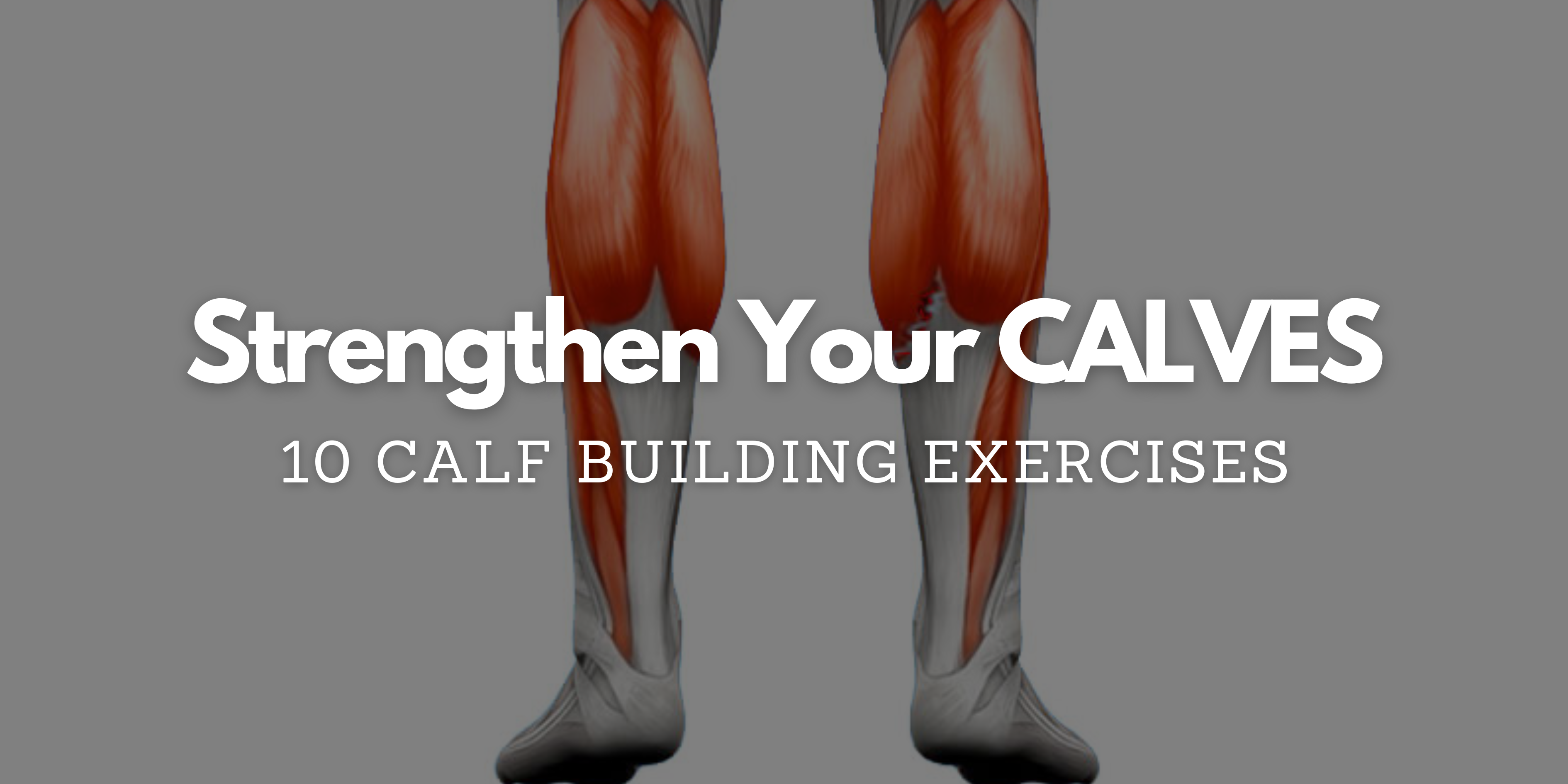
Your calf is made up of two main muscles: the gastrocnemius and the soleus. The gastrocnemius is the larger, more visible muscle, giving your calf its shape. The soleus lies underneath and plays a big role in endurance activities.
Both muscles connect to your Achilles tendon, which attaches to your heel bone. This setup lets your calf muscles lift your heel and push your body forward. Knowing this helps you focus on exercises that hit both muscles for balanced growth.
Role In Movement
Your calves are essential for walking, running, jumping, and even standing on your toes. Every time you push off the ground, your calves contract to power your movement. This means strong calves improve your athletic performance and reduce injury risk.
Have you noticed how your calves get tired during long runs or hikes? That’s because they work hard to stabilize your ankles and absorb shock. Training them can make those activities feel easier and less painful.
Common Growth Challenges
Building calf muscles isn’t always straightforward. Many people find their calves stubborn to grow, even with regular training. This happens because calves are used to constant movement and have a high proportion of slow-twitch muscle fibers, which resist growth.
To overcome this, you need to vary your training with different exercises, rep ranges, and intensities. Have you tried mixing seated calf raises with standing ones? Changing your approach can shock your muscles into growth.

Credit: www.menshealth.com
Effective Exercises
Building strong calf muscles requires exercises that target both the gastrocnemius and soleus muscles effectively. You want movements that challenge these muscles through different angles and types of resistance. The following exercises are proven to help you develop powerful, well-defined calves with consistent effort.
Standing Calf Raises
Standing calf raises are a fundamental exercise that focuses on the gastrocnemius muscle. You can do them using just your body weight or add resistance with dumbbells or a barbell. Try to pause at the top of the movement and slowly lower your heels for maximum muscle engagement.
Have you noticed how a controlled tempo makes a big difference? Slowing down helps you squeeze the calf muscles more intensely, leading to better growth.
Seated Calf Raises
Seated calf raises target the soleus muscle, which lies underneath the gastrocnemius. This exercise is often overlooked but critical for building calf size and endurance. Use a seated calf raise machine or place a weight on your knees while raising your heels.
Adding this movement to your routine fills out your calves and improves your overall strength. Don’t rush through the reps—focus on feeling the stretch at the bottom and the contraction at the top.
Jump Rope Workouts
Jump rope workouts provide a dynamic way to strengthen your calves while improving cardiovascular fitness. The quick, repetitive bouncing forces your calves to contract repeatedly, building both power and endurance. Start with short intervals and gradually increase your jump time.
Have you tried varying your jump style? Switching between single-leg hops and double-leg jumps can keep your calves challenged and prevent plateaus.
Hill And Stair Sprints
Sprinting uphill or on stairs activates your calves under heavy load and explosive conditions. This exercise not only builds muscle but also enhances your overall athleticism. Focus on pushing off your toes powerfully with every step to maximize calf recruitment.
Next time you’re outside, why not sprint up a hill or a flight of stairs? The natural resistance will push your calves harder than flat running ever could.
Training Techniques
Building strong and defined calf muscles requires more than just random workouts. The right training techniques push your muscles to grow while avoiding plateaus. Let’s break down some powerful ways to train your calves effectively.
Progressive Overload
Progressive overload means gradually increasing the weight or resistance you use during your calf exercises. This challenges your muscles to adapt and grow stronger over time.
If you’ve been doing calf raises with the same weight for weeks, your muscles stop growing. Try adding small increments, like 5 pounds, every week or two.
Have you tracked your progress lately? Keeping a workout log can help you consistently add weight and avoid stagnation.
High-volume Sets
Calf muscles respond well to high-volume training because they are used to endurance activity in daily life. This means doing more sets and reps than you might for other muscles.
Try doing 4-6 sets of 15-20 reps per exercise. You can even add drop sets where you reduce weight and keep going until failure.
Does pushing through those extra reps feel tough? That’s often where muscle growth begins.
Time Under Tension
Time under tension focuses on slowing down each movement to keep your calf muscles working longer during each rep. This increases muscle fatigue and encourages growth.
Try counting to three on the way up and three on the way down during your calf raises. Avoid bouncing or rushing through reps.
Have you noticed how slower reps make your calves burn more intensely? That burn signals effective muscle engagement.
Varied Foot Positions
Changing your foot position targets different parts of the calf muscles. Pointing your toes inward, outward, or straight ahead activates the calves from various angles.
- Toes pointed straight: targets the overall calf.
- Toes pointed inward: emphasizes the outer calf.
- Toes pointed outward: works the inner calf.
Mix these positions during your sets to develop balanced and well-defined calves. Have you ever tried switching foot angles mid-workout?
Nutrition For Growth
Nutrition plays a crucial role in building your calf muscles. Without the right fuel, your workouts won’t translate into growth and strength. Paying attention to what you eat and drink can make a huge difference in how quickly and effectively your calves develop.
Protein Intake
Protein is the building block of muscle. Aim to eat enough protein daily to repair and grow your calf muscles after exercise. Good sources include chicken, fish, eggs, beans, and dairy products.
Try spreading your protein intake evenly throughout the day. Eating 20-30 grams of protein every few hours supports continuous muscle repair. Have you noticed how your recovery feels better on days when you prioritize protein?
Hydration Importance
Water is often overlooked but essential for muscle growth. Staying hydrated helps your muscles perform better and reduces cramping during calf exercises. Dehydrated muscles don’t grow as effectively, so drink water consistently throughout the day.
Adding electrolytes during intense workouts can support hydration and muscle function. Consider if your current water intake supports your training demands—could you be drinking more?
Supplements That Help
Some supplements can support your calf muscle growth when combined with good nutrition and training. Creatine, for example, helps increase strength and power, allowing you to push harder in your workouts.
Branched-chain amino acids (BCAAs) may reduce muscle soreness and improve recovery. However, supplements aren’t magic—they work best when your diet and exercise are already solid.
Have you tried any supplements? Tracking how they affect your performance might help you decide what works for your calves.
Recovery Strategies
Recovery strategies play a crucial role in building your calf muscles effectively. Without proper recovery, your muscles can become tight, sore, and prone to injury, which slows down progress. Let’s look at some practical ways to help your calves bounce back stronger after workouts.
Rest Days
Giving your calves time off is not a sign of weakness; it’s a smart move to let muscles repair and grow. You don’t need to rest completely every day, but avoid intense calf exercises on back-to-back days. Have at least one full rest day or focus on other muscle groups to keep active without overloading your calves.
Have you noticed how skipping rest days makes your calves feel tighter or weaker? That’s your body signaling it needs a break. Planning rest days can actually speed up your gains.
Stretching And Mobility
Stretching helps maintain flexibility in your calves, preventing stiffness and improving your range of motion. Spend 5 to 10 minutes after workouts stretching key calf muscles like the gastrocnemius and soleus. Simple stretches, like standing calf stretches against a wall, can make a big difference.
Try adding mobility exercises such as ankle circles or toe raises to your routine. These movements keep your joints healthy and prepare your calves for the next workout.
Massage And Foam Rolling
Massage and foam rolling increase blood flow to your calves, reducing muscle tightness and soreness. Using a foam roller or a massage ball on your calves for 5-10 minutes after workouts helps break up knots and improves recovery speed.
If you’ve ever tried foam rolling and felt instant relief, you know how effective it can be. Consistent self-massage can improve muscle quality and prevent injury over time.
Credit: worldfitness.com.au
Tracking Progress
Tracking your progress is essential when building calf muscles. It helps you stay motivated and ensures your efforts are effective. Without monitoring, you might miss signs that your workout needs tweaking or that you’re making gains.
Measuring Calf Size
Use a flexible tape measure to track the size of your calves. Measure at the widest point while standing and keep your leg relaxed. Record this measurement every two weeks to notice even small changes.
Consistency matters—measure the same calf each time, at the same time of day. This way, you avoid fluctuations caused by temporary swelling or muscle pump after workouts. Have you checked how much your calves have grown since starting?
Recording Workouts
Write down your calf exercises, sets, reps, and weights each session. Tracking these details helps you spot trends and plateaus. For example, if your reps stay the same but your muscle size stalls, it might be time to increase weight.
Use a notebook or a fitness app that suits you. The key is to keep your records simple yet precise. What patterns do you see in your workout that could explain your progress or lack of it?
Adjusting Plans
Based on your measurements and workout logs, make small changes to your routine. If your calves aren’t growing, try adding more reps, sets, or heavier weights. Sometimes, just changing the exercise angle or foot position can spark new growth.
Don’t hesitate to rest or swap exercises if you feel pain or boredom creeping in. Your progress depends on how well you listen to your body and adapt. Are you ready to tweak your plan for better results?

Credit: www.youtube.com
Frequently Asked Questions
How Can I Effectively Build Calf Muscles?
To effectively build calf muscles, focus on exercises like calf raises and seated calf presses. Incorporate both high-rep and low-rep sets. Ensure a full range of motion and proper form. Regularly increase weights and include progressive overload. Consistency and a balanced diet rich in protein will support muscle growth.
What Is The Best Exercise For Calf Muscles?
Calf raises are the best exercise for calf muscles. They target both the gastrocnemius and soleus muscles. Stand with feet shoulder-width apart and lift your heels off the ground. Hold the position briefly before lowering. Incorporate variations such as seated calf raises for comprehensive development.
How Often Should I Train My Calves?
Train your calves 2-3 times a week for optimal results. Allow for rest days in between workouts. Consistency is key, but overtraining can lead to injury. Listen to your body and adjust frequency as needed. Ensure you’re combining exercises targeting both calf muscle groups.
Are Genetics Important In Calf Muscle Growth?
Yes, genetics play a role in calf muscle growth. Some individuals naturally have larger or more responsive calves. However, consistent training and proper nutrition can significantly improve calf size and strength. While genetics set a baseline, dedication and technique can greatly enhance results.
Conclusion
Building calf muscles takes time and steady effort. Keep practicing exercises like calf raises and stretches daily. Rest well to help muscles grow stronger. Eat healthy foods to support your workouts. Track your progress to stay motivated and focused. Small steps add up to big results.
Stay patient and consistent for the best outcome. Strong calves improve balance, strength, and overall fitness. Keep pushing forward, and you will see change soon.







