
Have you ever felt stuck in your strength training, like no matter how hard you try, you just can’t push past a certain point? That invisible wall holding you back isn’t just physical—it’s mental.
Breaking through these mental barriers can unlock new levels of power and progress you didn’t think were possible. You’ll discover simple yet powerful strategies to overcome the doubts and fears that slow you down. Ready to change the way you think and train?
Keep reading, because the breakthrough you’ve been waiting for starts here.
Identify Common Mental Barriers
Before you can push past mental blocks in strength training, you need to recognize the barriers holding you back. These mental barriers often hide in plain sight, quietly influencing your progress. Identifying them is the first step toward changing your mindset and breaking through plateaus.
Fear Of Failure
Fear of failure can stop you before you even begin a lift or try a new workout. You might hesitate to add weight because you worry about not succeeding or looking weak. But what if you saw failure as a step forward instead of a setback? Each attempt, successful or not, teaches you something valuable.
Self-doubt
Self-doubt whispers that you aren’t strong enough or that others are better than you. This voice can sneak in during tough sessions or when progress slows. Ask yourself: Is this doubt based on facts or just your fears talking? Remind yourself of your past wins, no matter how small.
Negative Self-talk
Negative self-talk can be like an internal critic that drains your energy. Phrases like “I can’t do this” or “I’m not cut out for strength training” create real barriers in your mind. Challenge these thoughts by replacing them with positive statements such as “I am improving every day” or “I have the power to grow.”
Plateaus And Frustration
Hitting a plateau often feels like a wall you can’t climb. Frustration builds when gains stall despite your efforts. Instead of giving up, consider what small changes you can make—whether it’s adjusting your routine, focusing on recovery, or setting new goals. How can you use this frustration as fuel rather than a stop sign?
Build A Strong Mindset
Building a strong mindset is crucial in breaking mental barriers in strength training. Your mind can be your greatest ally or your toughest adversary. By developing mental toughness, you can push past limitations and achieve your fitness goals.
Set Realistic Goals
Start with setting goals that are challenging yet achievable. Setting unrealistic goals can lead to frustration and burnout. Instead, focus on small, incremental steps that lead to larger achievements.
Think about what you want to accomplish in the next month. Is it lifting a certain weight, or mastering a new exercise? Write down your goals and track your progress. Seeing your improvements can motivate you to keep pushing forward.
Visualize Success
Visualization is a powerful tool in strength training. Picture yourself completing that last rep or hitting a personal best. This mental rehearsal prepares your mind for success and can boost your confidence.
Spend a few minutes each day visualizing your success. Make it vivid. Feel the weights in your hands and the sense of accomplishment as you achieve your goals. This practice can enhance your performance and remove self-doubt.
Develop Consistent Routines
Consistency is key in building strength. Establish a routine that works for you and stick to it. This doesn’t mean you can’t have flexibility, but having a structured plan helps in creating habits.
Find a time that fits your schedule and commit to it. Whether it’s early morning or late evening, make it a non-negotiable part of your day. Consistency breeds familiarity, reducing mental resistance over time.
Practice Positive Affirmations
What you say to yourself matters. Replace negative self-talk with positive affirmations. Instead of “I can’t do this,” say, “I am capable and strong.”
Create a list of affirmations that resonate with you. Repeat them daily, especially during workouts. This practice can shift your mindset, empowering you to overcome mental barriers and reach new heights in your training.
Use Mental Techniques To Boost Performance
Mental techniques play a key role in improving strength training performance. They help you stay focused, calm, and ready for challenges. Using these methods can break mental blocks that limit progress. Training the mind supports the body’s effort, leading to better results. Below are some effective mental strategies to boost your performance.
Mindfulness And Focus
Mindfulness means paying full attention to the present moment. In strength training, this means focusing on each lift or movement. Avoid distractions like worries or phone notifications. Concentrate on your form and breathing. This sharp focus improves muscle control and reduces injury risk. Practicing mindfulness daily can increase mental clarity and strength.
Breathing Exercises
Proper breathing calms the mind and supplies muscles with oxygen. Try deep, slow breaths before and during workouts. Inhale through the nose, hold briefly, then exhale through the mouth. This lowers stress and boosts endurance. Controlled breathing also helps you stay calm during tough sets. Simple breathing exercises can enhance workout intensity.
Mental Rehearsal
Mental rehearsal means imagining your workout or lift before doing it. Visualize every step, from setup to completion. Picture yourself strong and confident. This builds a positive mindset and reduces fear of failure. Mental rehearsal strengthens neural pathways used in real training. It prepares your body and mind for success.
Stress Management Strategies
Stress can block progress and reduce energy. Use simple stress relief techniques to stay balanced. Try stretching, meditation, or listening to calming music. Keep a regular sleep schedule for better recovery. Managing stress improves focus and motivation. Lower stress levels help maintain consistency in training.

Credit: www.fittrend.com
Leverage Support Systems
Breaking mental barriers in strength training becomes easier with strong support systems. Support helps keep motivation high and fear low. It builds confidence and pushes limits safely.
Support systems offer encouragement, advice, and accountability. They create a sense of belonging and shared goals. This network can turn struggles into achievements.
Find A Training Partner
A training partner shares workouts and goals. They provide motivation during tough sessions. Partners spot each other, ensuring safety and confidence. Friendly competition pushes both to improve. Training becomes more fun and less lonely.
Seek Coaching And Feedback
Coaches offer expert guidance and personalized plans. They correct form to prevent injuries. Feedback helps identify weak spots and track progress. Coaches boost confidence by celebrating small wins. Their experience turns confusion into clear steps.
Join Strength Communities
Communities connect people with similar goals. They share tips, stories, and encouragement. Online or local groups create a sense of belonging. Members celebrate milestones and support during setbacks. This network keeps motivation steady and spirits high.
Share Progress And Challenges
Sharing progress builds accountability and pride. Talking about challenges invites advice and support. Openness reduces isolation and mental blocks. Celebrating small victories fuels further effort. Communication strengthens resolve and keeps focus sharp.
Overcome Setbacks And Plateaus
Hitting a setback or plateau during strength training can feel frustrating and discouraging. However, these moments don’t have to stop your progress. They can be powerful signals to rethink your strategy and strengthen your mental approach.
Analyze And Adjust Training Plans
When progress stalls, take a close look at your current routine. Are you pushing too hard without enough rest, or maybe not challenging yourself enough? Small tweaks like changing rep ranges, adding variety, or adjusting rest days can make a big difference.
Ask yourself: Is your body adapting to the same exercises? If so, your muscles might need a new stimulus to grow stronger. Tracking your workouts and results helps you spot patterns and make smarter adjustments.
Celebrate Small Wins
Strength training is a journey filled with tiny victories that often go unnoticed. Did you add an extra pound to your lift? Or complete an extra rep? These moments are signs you’re moving forward, even if slowly.
Recognizing these small wins keeps your motivation alive. Try keeping a journal or sharing your achievements with a workout buddy. How often do you pause to acknowledge your progress?
Maintain Patience And Persistence
Strength gains don’t happen overnight, and plateaus are a natural part of the process. Staying patient prevents frustration from sneaking in and sabotaging your efforts. Persistence means showing up consistently, even when results seem invisible.
Think about a time you pushed through a tough phase and eventually broke through. What kept you going? Use that same mindset now to stay committed to your goals.
Learn From Mistakes
Setbacks often come with valuable lessons. Maybe you lifted with poor form or ignored signs of fatigue. Instead of beating yourself up, analyze what went wrong and how to fix it.
Each mistake is a chance to improve your technique, recovery, or mindset. What have your past training errors taught you about your limits and strengths?

Credit: warriormindcoach.com
Track Progress And Stay Motivated
Tracking progress is key to breaking mental barriers in strength training. Seeing improvements builds confidence and keeps you motivated. It shows how far you have come and what still lies ahead. Staying motivated helps push through tough workouts and plateaus.
Keep A Training Journal
Write down exercises, weights, reps, and how you feel after each session. A journal helps spot patterns and progress over time. It also lets you set clear goals and track if you meet them. Reflecting on past workouts can boost your confidence and focus.
Use Technology And Apps
Fitness apps and devices make tracking easy and fun. They can record your lifts, rest times, and calories burned. Some apps offer reminders and workout plans tailored to your goals. Using technology helps keep your progress visible and organized.
Reward Milestones
Set small goals and celebrate when you reach them. Rewards can be new workout gear, a rest day, or a healthy treat. Recognizing achievements keeps motivation high and makes training enjoyable. It creates positive habits and encourages consistency.
Stay Inspired With Role Models
Follow athletes or trainers who inspire you. Watch their videos or read their stories. Role models show what is possible with hard work and dedication. Their journey can motivate you to push through challenges and keep training hard.
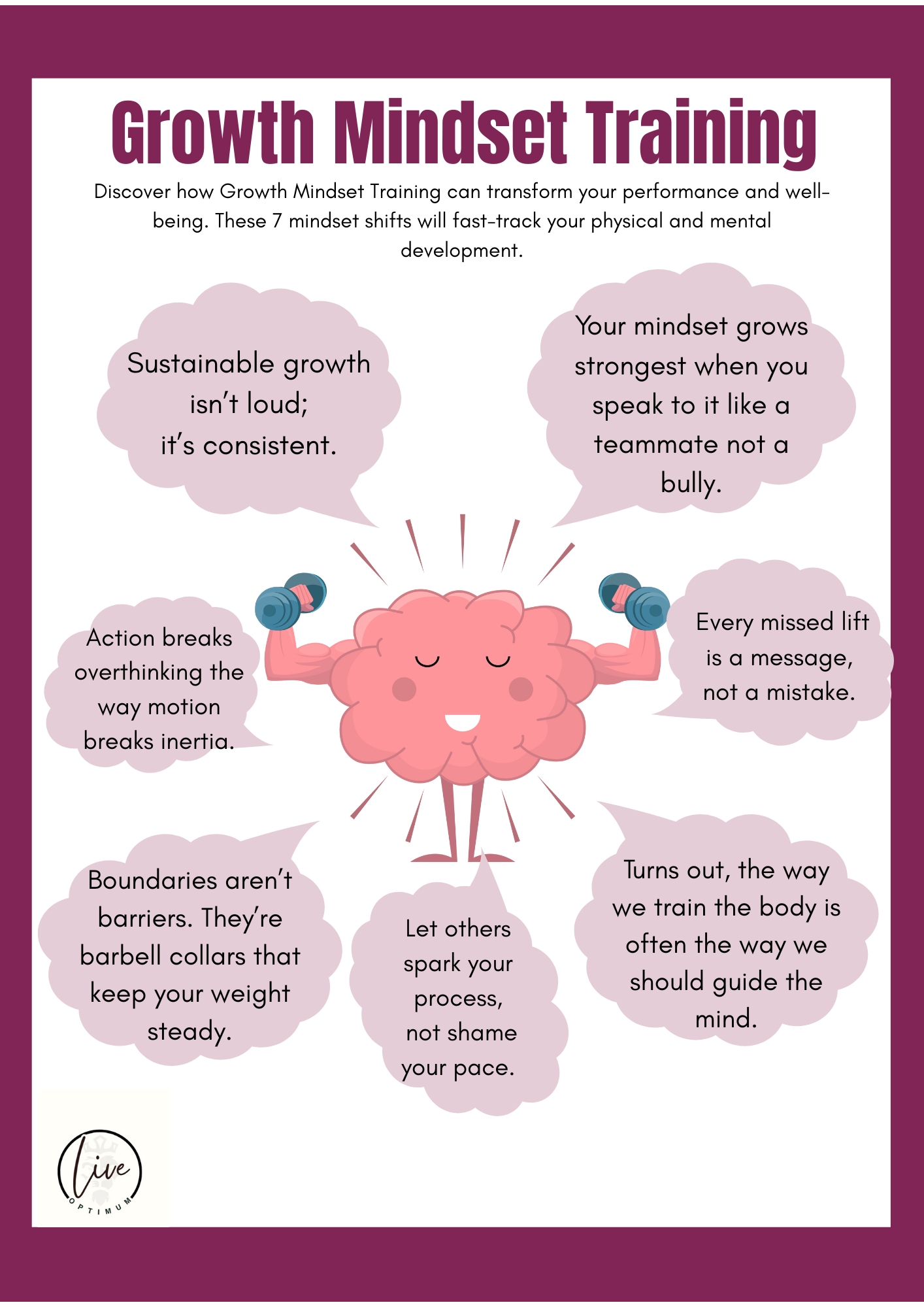
Credit: liveoptimum.com
Frequently Asked Questions
How Can I Overcome Fear In Strength Training?
Fear in strength training is common but manageable. Start with lighter weights and proper form. Gradually increase intensity to build confidence. Mental visualization and positive self-talk help reduce anxiety. Consistent practice strengthens both mind and body, making fear less impactful over time.
What Mental Techniques Boost Strength Training Performance?
Techniques like visualization, goal setting, and positive affirmations enhance focus and motivation. Mindfulness helps reduce distractions and improve concentration. Breaking workouts into smaller goals makes progress measurable. These methods build mental toughness, enabling better performance and overcoming training plateaus effectively.
Why Do Mental Barriers Affect Lifting Progress?
Mental barriers create self-doubt and limit effort. Fear of failure or injury can reduce training intensity. Negative thoughts lower motivation and consistency. Addressing mindset is essential for breaking plateaus. A strong mental approach supports physical gains and long-term progress.
How Important Is Mindset In Strength Training Success?
Mindset is crucial; it drives motivation and persistence. A positive mindset encourages pushing limits safely. It helps handle setbacks and maintain consistency. Mental resilience often determines how well you stick to training goals. Strength training success relies as much on mind as on muscles.
Conclusion
Breaking mental barriers in strength training takes time and effort. Small steps lead to big progress. Stay focused on your goals and trust the process. Believe in yourself and push past doubts. Consistency builds strength both in mind and body.
Challenges will come, but you can overcome them. Keep learning, stay positive, and never give up. Your mind is as strong as your muscles. Keep moving forward and enjoy the journey.







