
Are you feeling stuck in your fitness journey? Maybe you’re not seeing the results you expected, or perhaps your workouts have become a little too predictable.
You’re not alone, and there’s a simple fix: changing your workout routine. But how often should you make these changes? This is a common question that many fitness enthusiasts face, and getting the timing right can make all the difference in your progress.
You’ll discover the secrets to keeping your workouts fresh and effective, ensuring you stay motivated and on track. So, if you’re ready to unlock new levels of fitness success, read on to find out how often you should switch things up in your routine. Your future gains might just depend on it!

Credit: health.clevelandclinic.org
Signs You Need A Change
Recognizing the signs that your workout routine needs a change can save you time and frustration. Sticking to the same exercises without adjustment might seem productive, but your body and mind can signal when it’s time to switch things up. Paying attention to these signs helps you stay on track and reach your fitness goals more effectively.
Plateauing Progress
You might notice your strength, endurance, or muscle gains have stalled despite consistent effort. This plateau means your body has adapted to the current routine and needs new challenges. Changing your workout intensity, exercises, or volume can push you past this barrier.
Ask yourself: Are you still seeing improvements, or have your results flattened? Tracking your progress weekly can reveal subtle stalls before they become frustrating.
Loss Of Motivation
Feeling bored or uninterested in your workouts often signals it’s time for a change. When exercises feel repetitive, your enthusiasm drops, and skipping sessions becomes easier. Introducing new movements or switching training styles can rekindle your excitement.
Think about your last workout—did you look forward to it, or did it feel like a chore? Finding variety can turn exercise back into something you want to do, not have to do.
Persistent Fatigue
Constant tiredness or soreness that doesn’t improve with rest may indicate your body is struggling to recover. This fatigue can result from overtraining or doing the same intense workouts repeatedly. Adjusting your routine to include more rest or different types of exercises can help your body bounce back.
Listen to your body’s signals—are you dragging through workouts or feeling unusually drained? Changing your plan can protect you from injury and burnout, keeping your fitness journey sustainable.
Credit: www.youtube.com
Factors Influencing Routine Change
Changing your workout routine depends on several key factors. These elements affect how often you should update your exercises. Understanding them helps keep your progress steady and your workouts effective.
Fitness Goals
Your fitness goals shape how often you change routines. For weight loss, variety prevents boredom and plateaus. For building muscle, switching every 6 to 8 weeks helps stimulate growth. Endurance goals might need longer periods of consistent training. Align changes with your specific targets for best results.
Workout Experience
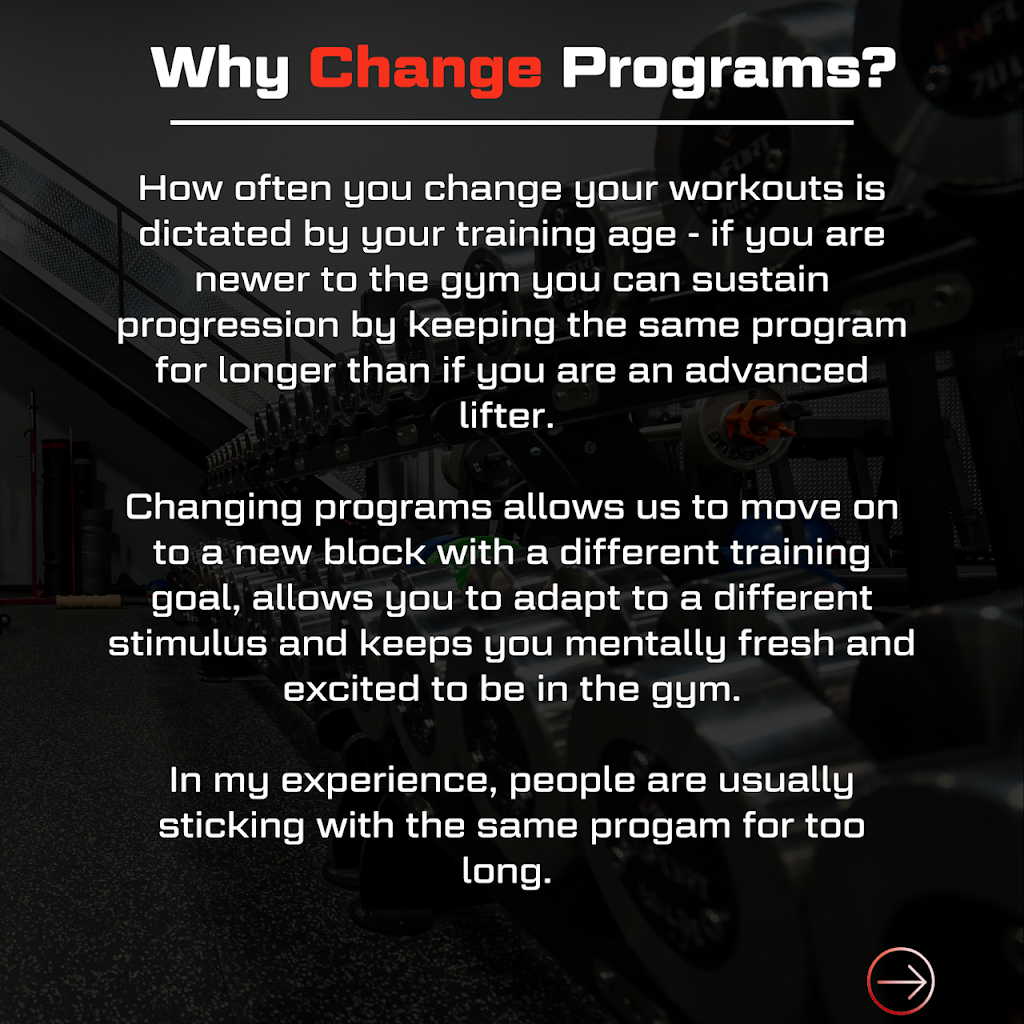
Beginners benefit from sticking to a routine longer. This builds a strong foundation and good form. Experienced exercisers need more frequent changes to challenge their bodies. Advanced lifters often alter routines every 4 to 6 weeks. This avoids adaptation and keeps gains coming.
Training Intensity
High-intensity training can demand more recovery time. Changing routines too often may cause fatigue or injury. Moderate intensity allows for more frequent adjustments. Pay attention to your body’s signals. Adjust the routine timing to balance effort and rest effectively.
Optimal Timeframes For Switching
Changing your workout routine at the right time helps avoid plateaus. It keeps your muscles challenged and your progress steady. The timing varies based on your experience and goals. Understanding the best timeframe to switch routines can boost your results and keep workouts fresh.
Beginners
New exercisers should focus on learning proper form first. Sticking to a routine for 6 to 8 weeks works well. This period allows the body to adapt to new movements. After this, small changes can be made to increase difficulty or variety. Beginners benefit from steady progress and consistent habits.
Intermediate Lifters
Intermediate lifters often see progress slow down around 4 to 6 weeks. Switching routines every 6 to 8 weeks helps overcome this plateau. Changing exercises, sets, or intensity keeps the muscles growing. It also prevents boredom and maintains motivation. Careful adjustments help avoid injury while improving strength.
Advanced Athletes
Advanced athletes need frequent changes to continue improving. Switching routines every 4 to 6 weeks suits their high level of adaptation. These athletes can handle complex variations and heavier loads. Cycling intensity, volume, and focus areas supports peak performance. Strategic changes help target weaknesses and refine skills.
Benefits Of Changing Workouts
Changing your workout routine isn’t just about keeping things interesting—it has real benefits that can boost your progress and keep your body healthy. Sticking to the same exercises for too long can cause plateaus and even lead to injury. Switching up your workouts challenges your muscles, improves endurance, and helps prevent injuries.
Muscle Growth
Your muscles adapt quickly to the exercises you do regularly. If you keep doing the same moves, your muscles won’t be challenged enough to grow. Changing your routine introduces new stresses, forcing your muscles to repair and grow stronger.
For example, swapping from regular squats to Bulgarian split squats targets muscles differently. Have you ever noticed how a fresh workout can make you feel sore in new places? That’s a sign your muscles are adapting and growing.
Improved Endurance
Doing the same cardio or strength exercises repeatedly can limit your stamina gains. Mixing in different types of workouts—like switching between running, cycling, and swimming—helps your body improve endurance in various ways.
This variety pushes your heart and lungs to work harder and recover faster. Could your current routine be holding back your endurance without you realizing it?
Injury Prevention
Repeating the same movements over and over can lead to overuse injuries. Changing your workout routine allows different muscles and joints to get a break while others work.
By balancing your exercises, you reduce the risk of strains and stress injuries. Think about how your body feels after a week of doing the exact same workout—is there any nagging pain that might be a warning sign?
How To Change Your Routine
Changing your workout routine keeps your body challenged and avoids boredom. It helps you grow stronger and reach your goals faster. Small tweaks can make a big difference. Focus on what you do, how much you do, and the style of training.
Adjusting Exercises
Swap out some exercises for new ones targeting the same muscles. Try different angles or equipment to keep muscles guessing. For example, replace barbell squats with goblet squats or lunges. This stops your body from adapting too quickly.
Varying Sets And Reps
Change the number of sets and reps to boost progress. Use heavier weights with fewer reps for strength. Or lighter weights with more reps to improve endurance. Mixing these patterns challenges muscles in new ways and helps avoid plateaus.
Incorporating New Training Styles
Add different training methods to your routine. Try circuit training, HIIT, or bodyweight workouts. Each style offers unique benefits and keeps workouts exciting. This variety improves overall fitness and prevents mental burnout.
Tracking Progress Effectively
Tracking progress effectively helps decide when to change your workout routine. It shows if your exercises bring results or if changes are needed. Good tracking keeps workouts fresh and goals clear. It also prevents plateaus and injuries.
Using Workout Logs
Workout logs record exercises, sets, reps, and weights. Writing details down helps see progress over time. Logs show if you lift more or do more reps. They also reveal patterns, like which workouts work best. Keeping a log motivates consistency and focus.
Monitoring Performance Metrics
Track key numbers such as strength, endurance, and speed. Use simple tools like timers, scales, or apps. Metrics show improvements or plateaus clearly. They help adjust intensity or volume to keep progressing. Monitoring metrics gives clear signs for routine changes.
Listening To Your Body
Your body sends signals about how workouts affect it. Notice soreness, fatigue, or pain levels after sessions. Good progress feels challenging but not harmful. Persistent pain or tiredness means it’s time to rest or change. Trusting your body helps avoid injury and burnout.
Common Mistakes To Avoid
Changing your workout routine is essential for progress, but it’s easy to fall into some common traps. Avoiding these mistakes can help you stay on track and get the results you want. Let’s look at what often goes wrong and how to fix it.
Changing Too Often
Switching your workouts every week might sound like a good idea, but it can backfire. Your body needs time to adapt to new exercises before you see improvement. If you change too quickly, you won’t build strength or endurance effectively.
Think about the last time you felt stronger after a workout. That happened because you gave your muscles time to adjust. How can you expect progress without consistency?
Neglecting Recovery
Some people focus so much on changing workouts that they forget to rest. Recovery is when your muscles repair and grow stronger. Without it, you risk injury and burnout.
Try scheduling rest days or lighter sessions after intense workouts. Ask yourself: Are you allowing your body enough time to heal?
Ignoring Proper Form
It’s tempting to rush through exercises when you switch routines, but poor form can cause setbacks. Incorrect technique reduces effectiveness and increases injury risk.
Focus on mastering each movement before adding weight or speed. How well do you know the correct form for your exercises? Getting guidance or watching tutorials can make a huge difference.

Credit: www.goodrx.com
Frequently Asked Questions
How Often Should I Change My Workout Routine?
You should change your workout routine every 6 to 8 weeks. This prevents plateaus and keeps progress steady. Regular changes challenge muscles and improve overall fitness.
What Signs Indicate It’s Time To Change Workouts?
Signs include lack of progress, boredom, or recurring injuries. If workouts feel too easy or motivation drops, it’s time to switch. Listening to your body helps optimize results.
Can Changing Routines Too Often Be Harmful?
Yes, frequent changes can hinder muscle growth and recovery. Your body needs time to adapt to new exercises. Aim for consistency but vary intensity and exercises strategically.
How Do I Know Which Routine Changes Are Effective?
Track your strength, endurance, and body changes over weeks. Effective changes improve performance or physique. Adjust exercises, sets, or weights based on your goals and progress.
Conclusion
Changing your workout routine helps your body stay strong and avoid boredom. Aim to switch exercises every 4 to 8 weeks. This keeps your muscles guessing and growing. Listen to your body and adjust as needed. Small changes can bring big results over time.
Stay consistent and enjoy the process. Your fitness journey will feel fresh and rewarding. Keep moving forward, one step at a time.







