
Thinking about setting up a home gym but worried about the cost? You’re not alone.
Knowing exactly how much a home gym will set you back can help you plan better and avoid surprises. Whether you want a simple space to stretch or a full setup with all the gear, understanding the price range is key.
You’ll discover what factors affect the cost, how to choose equipment that fits your budget, and smart tips to save money without sacrificing quality. Keep reading to find out how affordable your dream home gym can really be.
Factors Affecting Home Gym Costs
Several factors influence the overall cost of setting up a home gym. Understanding these elements helps you plan a budget that fits your needs. Costs vary widely based on choices related to equipment, space, and upkeep.
Equipment Types And Prices
Different gym equipment comes at different price points. Basic items like dumbbells and yoga mats cost less. Machines such as treadmills and ellipticals have higher prices. Premium brands and advanced technology increase costs further.
- Free weights: $20 to $200+
- Cardio machines: $300 to $3,000+
- Strength machines: $200 to $2,500+
- Accessories (mats, benches): $10 to $300
Space And Setup Expenses
The size and condition of the workout area affect costs. A spare room may need minimal changes. A garage or basement might require flooring or lighting upgrades. Renting additional space increases the budget too.
- Floor protection and mats
- Mirrors and lighting
- Ventilation and heating/cooling
- Room renovation and soundproofing
Installation And Maintenance Fees
Some gym equipment needs professional installation. This adds to initial expenses. Regular maintenance keeps machines safe and functional. Repairs and replacement parts require ongoing spending.
- Assembly costs for complex machines
- Lubrication and calibration
- Replacement of worn parts
- Periodic professional servicing
Credit: www.newsbreak.com
Budgeting For Essential Equipment
Estimating costs for a home gym depends on essential equipment needs and budget limits. Basic gear like weights and mats usually costs less than machines. Planning helps balance price and quality for effective workouts.
Creating a home gym can be an exciting project, but it’s essential to budget wisely. By focusing on essential equipment, you can build an effective workout space without overspending. Let’s dive into how you can allocate your budget across various categories of gym equipment.Cardio Machines
Cardio machines can be a significant investment, but they are often the cornerstone of a home gym. Consider starting with affordable options like a jump rope or a set of resistance bands. If you have more to spend, a stationary bike or a treadmill can offer a versatile cardio solution. Look for second-hand deals online to stretch your budget further.Strength Training Gear
Strength training doesn’t have to break the bank. Begin with basic tools like dumbbells and kettlebells, which are versatile and space-efficient. Adjustable dumbbells can be a cost-effective alternative, providing multiple weight options in one. If you’re looking to expand, a bench and barbell set can enhance your strength training routine.Flexibility And Recovery Tools
Flexibility and recovery are crucial for a balanced fitness regimen. A yoga mat is a must-have for stretching and core exercises. Foam rollers and massage balls are affordable options that can aid in muscle recovery. These tools not only enhance performance but also prevent injuries, making them a smart investment for any home gym. How do you prioritize your home gym purchases? Allocating your budget wisely ensures you get the most out of your investment. Remember, the goal is to create a space that meets your fitness needs without unnecessary expenses.Cost Breakdown By Gym Size
Understanding the cost of a home gym depends on its size and equipment. Different gym sizes require different budgets. This section breaks down costs based on small, mid-range, and luxury home gyms. It helps you plan according to your space and needs.
Small Home Gym Budget
A small home gym fits limited space and basic workouts. Expect to spend around $300 to $1,000.
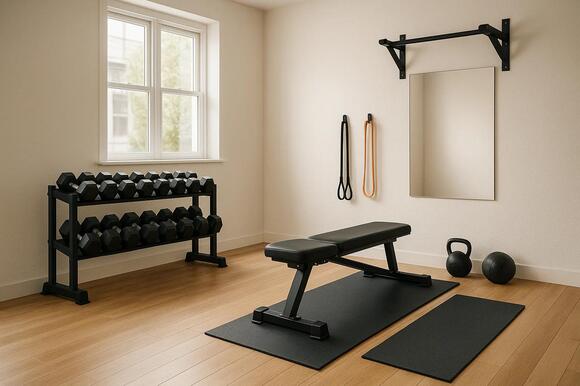
- Essential equipment: yoga mat, dumbbells, resistance bands.
- Compact cardio options: jump rope, mini stepper.
- Simple storage solutions to save space.
This setup suits beginners and those with tight budgets. It covers strength and cardio basics without large machines.
Mid-range Setup Costs
Mid-range gyms offer more variety and better quality. The budget ranges from $1,000 to $5,000.
- Free weights set with adjustable dumbbells.
- Cardio machines like treadmills or stationary bikes.
- Multi-functional benches and racks.
- Additional accessories such as kettlebells and medicine balls.
This setup fits most fitness goals and moderate space. It balances cost and functionality well.
Luxury Gym Investments
Luxury home gyms cost $5,000 and above. They include premium equipment and advanced features.
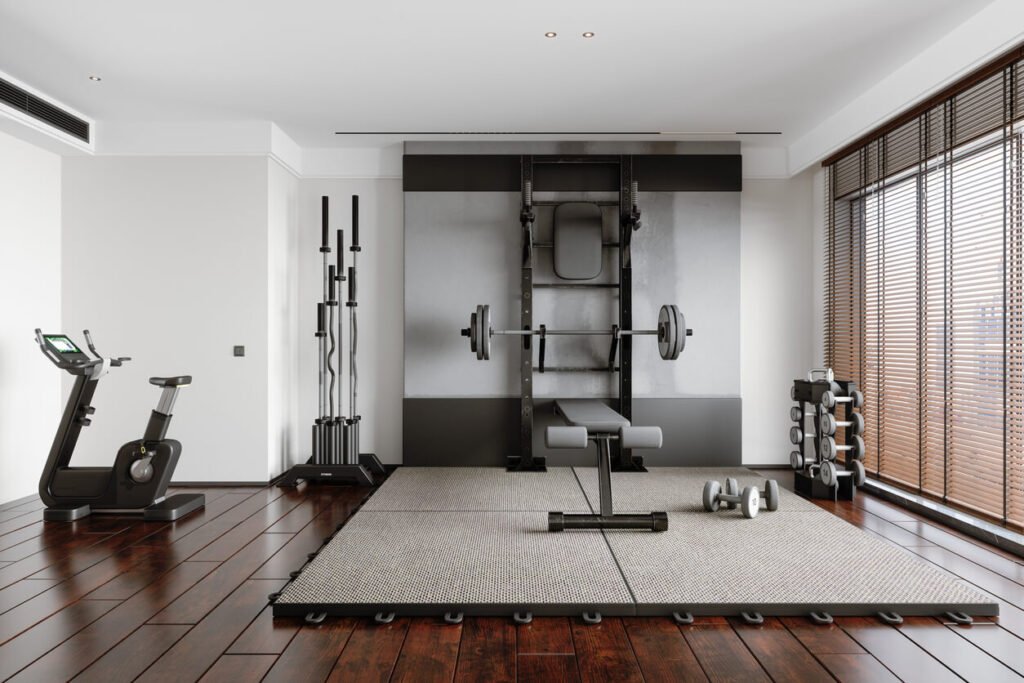
- High-end cardio machines with digital screens.
- Commercial-grade weightlifting equipment.
- Specialized machines like cable systems and smith machines.
- Extra amenities like mirrors, sound systems, and flooring.
This option suits serious athletes and large spaces. The investment delivers professional-level workouts at home.
Ways To Save On Home Gym Expenses
Creating a home gym can be expensive, but many ways exist to cut costs. Smart choices help build a gym without spending too much. Focus on saving without losing quality or function.
Buying Used Or Refurbished Equipment
Used equipment often costs much less than new gear. Check online marketplaces, local gyms, or community sales. Refurbished machines come with a warranty and good condition. Inspect items carefully before buying. You can find weights, benches, and cardio machines for less.
Diy Gym Setup Tips
Building your own gym space saves money on professional help. Use free weights and simple gear instead of complex machines. Create workout stations with household items like sturdy chairs or ropes. Organize a small area with mats and mirrors for motivation. Keep your setup flexible and easy to change.
Taking Advantage Of Sales And Discounts
Sales offer chances to buy quality equipment at lower prices. Watch for holiday deals, clearance sales, and special promotions. Sign up for store newsletters to get discount alerts. Compare prices online before purchasing. Buying during sales seasons saves significant money.
Comparing Home Gym Vs. Gym Membership Costs
Deciding between setting up a home gym or investing in a gym membership often boils down to cost. But the expenses involved are more than just the upfront fees. Understanding the differences in ongoing costs, convenience, and how often you’ll actually use the facilities can help you make a smarter choice for your fitness journey.
Long-term Financial Benefits
Gym memberships usually come with monthly fees that add up over time. Even if the price seems low at first, it can easily surpass the cost of home gym equipment after a year or two.
Buying equipment for your home gym might feel expensive upfront, but it’s a one-time investment. Over several years, this investment often ends up costing less than a continuous gym membership.
Think about how long you plan to work out regularly. If you see yourself exercising for many years, owning equipment can save you a lot of money in the long run.
Convenience And Accessibility
Having a home gym means you can work out anytime without worrying about gym hours or travel time. This convenience can make exercising fit easily into your daily routine.
On the other hand, a gym membership offers access to a variety of equipment and classes that might be hard to replicate at home. But getting there and waiting for machines during peak hours can eat into your workout time.
Ask yourself: Does the convenience of exercising at home outweigh the benefit of a wider range of equipment at a gym? Your answer will influence which option provides the best value.
Motivation And Usage Frequency
Paying for a gym membership often motivates people to go regularly, simply because they want to get their money’s worth. However, some find the commute or gym environment discouraging.
With a home gym, you remove those barriers but also lose the social aspect and variety of classes that gyms offer. The key question is whether you’ll stay consistent working out alone.
Your personal motivation style matters most. If you struggle to stay active without external accountability, a gym membership might push you more. But if you’re self-driven, a home gym could be the better investment.
Credit: homegymmentor.com
Additional Costs To Consider
Setting up a home gym involves more than just buying equipment. There are several additional costs that can affect your overall budget. Considering these expenses upfront helps you avoid surprises and ensures your gym is both safe and enjoyable.
Flooring And Safety Accessories
Good flooring is essential for protecting your floors and reducing injury risks. Rubber mats or foam tiles typically cost between $2 to $5 per square foot. They also help absorb impact and reduce noise, which is important if you live with others or in an apartment.
Don’t forget safety gear like mirrors, wall padding, or even a first aid kit. These items add to your comfort and security while working out. Think about the space you have and choose flooring and accessories that fit your workout style.
Technology And Entertainment
Technology can make workouts more motivating and effective. You might want to invest in a good sound system, a smart TV, or fitness apps that require subscriptions. These extras can range from $50 for basic setups to several hundred dollars for advanced options.
Consider how you prefer to exercise—do you like following online classes or watching TV shows while lifting weights? Adding these elements can keep your sessions fun and help you stick to your routine.
Storage And Organization
Keeping your gym tidy is crucial for safety and efficiency. Storage racks, shelves, and hooks help manage your equipment and prevent clutter. Prices vary widely, from simple wall hooks costing under $20 to full storage units that can run several hundred dollars.
Ask yourself how much gear you have or plan to buy. Investing in smart storage solutions can save you space and time, making your workout environment more inviting and easier to maintain.

Credit: www.reddit.com
Frequently Asked Questions
How Much Does A Basic Home Gym Cost?
A basic home gym typically costs between $200 and $1,000. It includes essential equipment like dumbbells, resistance bands, and a yoga mat. This setup suits beginners and small spaces, offering effective workouts without a large investment.
What Factors Affect Home Gym Costs Most?
Home gym costs depend on equipment type, quality, and quantity. Space size and customization needs also impact expenses. Higher-end machines and personalized setups increase total costs significantly.
Can I Build A Home Gym On A Budget?
Yes, building a budget home gym is possible by choosing affordable gear. Focus on versatile equipment like adjustable dumbbells and resistance bands. Buying secondhand items can also reduce costs while maintaining workout quality.
How Much Do Mid-range Home Gym Setups Cost?
Mid-range home gyms usually cost between $1,000 and $5,000. They often include cardio machines, weight benches, and free weights. This range balances quality and variety for more comprehensive fitness routines.
Conclusion
Building a home gym can fit many budgets and needs. You can start small with basic gear or invest more in advanced machines. Think about space, goals, and how often you will use it. A home gym saves time and gym fees in the long run.
Choose equipment that matches your fitness plan. Planning well helps avoid extra costs later. Your health and comfort matter most. A home gym can make exercise easy and fun every day.







