
Are you eager to build muscle and enhance your strength but unsure how many pushups you should actually do? You’re not alone.
Pushups are a timeless exercise, revered for their simplicity and effectiveness in building upper body strength. Yet, the question of how many pushups it takes to truly build muscle can feel overwhelming. Maybe you’ve tried a few routines, seen some results, but you’re still left wondering if you’re doing enough—or perhaps too much.
We’ll dive into the nitty-gritty of pushups and uncover the secrets to maximizing muscle growth. Stick around, because unlocking the right number of pushups could be the key to transforming your workout—and your results.

Credit: www.youtube.com
Pushups And Muscle Growth
Pushups are a classic exercise known for building upper body strength. They help increase muscle size and tone. Understanding how pushups contribute to muscle growth can guide your workout routine. Proper form and consistency play key roles in muscle development.
Muscle Groups Targeted
Pushups engage several major muscles. The chest muscles (pectorals) work hard during the movement. The shoulders (deltoids) assist in lifting the body. The triceps in the back of your arms extend during the push. Core muscles stabilize your body throughout the exercise. Even the lower back and legs get slight activation.
- Pectorals (chest)
- Deltoids (shoulders)
- Triceps (back of arms)
- Core muscles (abs and lower back)
- Leg muscles (to a lesser extent)
How Pushups Stimulate Muscles
Pushups create tension in muscles by lifting your body weight. This tension causes tiny muscle fibers to break down. The body repairs these fibers, making muscles stronger and bigger. Repeated pushups increase muscle endurance and size. The key is enough reps and proper form to challenge muscles.
Muscle growth occurs when your body adapts to the stress. Over time, muscles get thicker and firmer. Varying pushup styles can target muscles differently. This variety can help avoid plateaus in muscle growth.

Credit: www.youtube.com
Determining Your Starting Point
Determining your starting point is key to building muscle with pushups. It helps set realistic goals and prevents injury. Knowing your current strength and choosing the right pushup type ensures steady progress. Pushups vary in difficulty, so picking the correct variation matters.
Assessing Current Strength
Test how many pushups you can do without stopping. This shows your baseline strength. Count your maximum reps with good form. If you reach 15 or more easily, you may need a harder variation.
Note any struggle or poor form during the test. Fatigue or shaky muscles signal the limit of your current strength. Record your number for future comparison. This simple test helps track your muscle growth over time.
Choosing The Right Pushup Variation
Select a pushup style that matches your strength level. Standard pushups suit many beginners. Knee pushups reduce load and help build strength safely. Incline pushups use a raised surface to make the move easier.
For more challenge, try decline pushups or diamond pushups. These target different muscles and add intensity. Changing pushup types helps avoid plateaus and keeps muscles growing. Find a variation that feels tough but doable for 8–12 reps.
Optimal Pushup Reps For Muscle Gain
Finding the right number of pushups for muscle growth depends on your fitness goal. Different rep ranges target strength, size, or endurance. Knowing the optimal pushup reps helps you train smarter and see results faster.
Low Reps For Strength
Performing pushups with low repetitions builds muscle strength. Aim for 3 to 6 reps per set. This range challenges your muscles with maximum effort. Rest between sets for full recovery. Use variations like weighted pushups for added resistance.
Moderate Reps For Hypertrophy
Moderate reps between 8 and 12 stimulate muscle growth best. This range creates muscle tension and fatigue. Push your muscles close to failure but keep good form. Shorter rest periods increase muscle stress. This balance promotes size gains effectively.
High Reps For Endurance
High repetitions, 15 or more, improve muscle endurance. This range strengthens muscle stamina and tone. Use slower tempo and controlled movements. It helps muscles resist fatigue during longer activities. High reps are less effective for bulk but great for lean muscle.
Progressive Overload With Pushups
Progressive overload is key to building muscle with pushups. It means gradually making your muscles work harder. This forces your body to adapt and grow stronger. Without increasing the challenge, your muscles will stop growing. Pushups offer many ways to apply progressive overload.
You can increase reps, add resistance, or change the tempo. Each approach targets your muscles differently. Using them together keeps workouts fresh and effective. This section explains how to use these methods to build muscle with pushups.
Increasing Reps
Doing more pushups over time stresses your muscles. Start with a number you can do with good form. Add one or two reps each workout. This small change forces your muscles to adapt. It builds endurance and strength.
Set realistic goals. For example, increase reps every week. Track your progress to stay motivated. Avoid rushing to prevent injury. Controlled increases lead to steady muscle growth.
Adding Resistance
Adding weight makes pushups harder and builds muscle faster. Use a weighted vest, backpack, or resistance bands. Place the weight on your back carefully. This adds extra load to your muscles.
Start with light resistance. Increase weight gradually as you get stronger. Adding resistance targets your muscles in new ways. It improves strength and muscle size effectively.
Changing Tempo
Altering the speed of pushups changes muscle tension. Slow down the lowering phase to increase time under tension. Pause at the bottom before pushing up. This forces your muscles to work harder.
Try different tempos like slow down, fast up or controlled pauses. Changing tempo improves muscle control and growth. It also helps break through strength plateaus.
Frequency And Recovery
Frequency and recovery play a crucial role in how effectively pushups help you build muscle. Training too often without enough rest can stall your progress and increase injury risk. On the other hand, giving your muscles time to repair allows them to grow stronger and bigger.
How Often To Train
Training pushups about three to four times a week usually hits the sweet spot for muscle growth. This schedule gives your muscles enough stimulus without overloading them. If you push yourself every day, you might feel stronger temporarily, but your muscles won’t have the chance to fully recover and grow.
Think about how your body feels after a pushup session. Are your muscles still sore or tired the next day? If yes, it’s a sign you should wait before your next workout. On lighter days, you can try fewer reps or focus on perfecting your form instead of maxing out.
Importance Of Rest
Rest is where the real muscle building happens. When you do pushups, you create tiny tears in your muscle fibers. Your body uses rest time to repair these tears, making your muscles stronger and larger.
Ignoring rest can lead to overtraining, which often causes fatigue, decreased performance, and even injury. Sleep also plays a big role in recovery—aim for at least 7-8 hours each night to support muscle growth.
Have you ever felt stuck in your progress despite doing pushups regularly? You might need to focus more on recovery. Try scheduling rest days and listen carefully to your body’s signals to maximize your gains.
Common Mistakes To Avoid
Building muscle with pushups can be effective, but many people fall into common traps that limit their progress. Avoiding these mistakes can make your workouts more efficient and safer. Let’s look at some key errors that might be holding you back.
Poor Form
Doing pushups with poor form reduces the muscle engagement you need to grow. If your hips sag or your hands are placed too wide, you might be stressing your joints instead of your muscles.
Focus on keeping your body in a straight line from head to heels. Lower yourself until your chest nearly touches the floor and push up using your chest and triceps, not your shoulders.
Have you ever noticed how much harder it feels when you keep perfect form? That’s because you’re actually working the right muscles.
Overtraining
Doing pushups every day without rest can lead to overtraining, which stalls muscle growth and increases injury risk. Muscles need time to recover and rebuild stronger after workouts.
Try spacing your pushup sessions with rest days or alternate with lighter activities. Quality beats quantity when it comes to muscle building.
Ask yourself if your muscles feel sore or fatigued beyond normal tiredness. If yes, it might be time to rest before pushing again.
Ignoring Other Muscle Groups
Focusing only on pushups targets mainly your chest, shoulders, and triceps. Neglecting your back, legs, and core can cause muscle imbalances and limit overall strength.
Add exercises like rows, squats, and planks to your routine. These will build a balanced physique and support your pushup performance.
Have you checked if other parts of your body feel weaker or tighter? That’s a clue to include more variety in your workouts.
Supplementing Pushups For Better Gains
Pushups are a solid start for building muscle. Yet, they alone might not deliver the best results. Supplementing pushups with other strategies can boost muscle growth and strength. This section explores ways to enhance your routine for better gains.
Incorporating Other Exercises
Adding variety helps target muscles from different angles. Include exercises like:
- Dumbbell presses for chest and shoulders
- Planks to strengthen the core
- Pull-ups to work the back and arms
- Tricep dips for arm definition
Changing exercises prevents plateaus and encourages continuous muscle growth.
Nutrition Tips
Muscle building needs proper nutrition. Focus on:
- Eating enough protein to repair muscles
- Consuming healthy fats for energy
- Including complex carbs to fuel workouts
- Staying hydrated throughout the day
Balanced meals support recovery and muscle development effectively.
Using Equipment
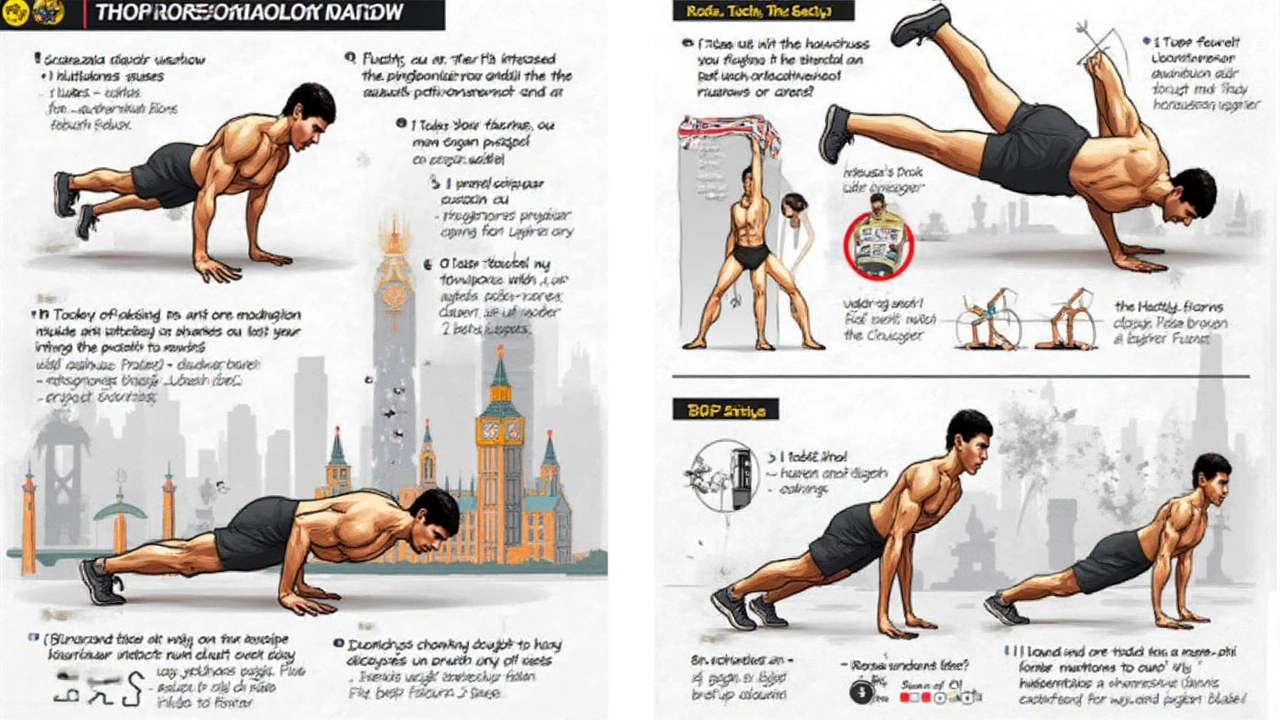
Equipment can increase pushup difficulty and target muscles better.
- Pushup bars reduce wrist strain and allow deeper movement
- Weighted vests add resistance for muscle overload
- Resistance bands increase tension during each pushup
- Medicine balls improve balance and core activation
Incorporating tools challenges muscles in new ways for improved strength.
Credit: scarletstate.co.uk
Frequently Asked Questions
How Many Pushups Build Muscle Effectively?
Perform 15-30 pushups per set to build muscle effectively. Aim for 3-4 sets with proper form. Gradually increase reps as strength improves to stimulate muscle growth.
Can Pushups Alone Build Significant Muscle?
Pushups can build muscle but have limits. Combining pushups with other strength exercises yields better muscle growth. Variation and progressive overload are key for significant gains.
How Often Should I Do Pushups To Build Muscle?
For muscle growth, do pushups 3-4 times weekly. Allow rest days between sessions for muscle recovery. Consistency and gradual intensity increase are essential.
Does Doing More Pushups Increase Muscle Size?
Increasing pushup reps helps, but adding resistance boosts muscle size more. Use weighted vests or advanced pushup variations for greater muscle challenge.
Conclusion
Building muscle with pushups takes time and effort. Start with a number that feels right for you. Gradually increase reps as your strength improves. Consistency matters more than doing too many at once. Rest days help your muscles grow stronger.
Combine pushups with good nutrition and sleep. Watch your body and avoid pain or injury. Small steps lead to steady progress. Keep pushing, and you will see results. Simple, steady workouts bring lasting muscle gains.







