
Are you wondering how many push-ups you need to do each day to build muscle? You’re not alone.
Many people, just like you, are looking for the right number to unlock their strength potential. Push-ups are a simple yet powerful exercise that can transform your upper body. But there’s a catch—doing too few might not give you the results you want, and doing too many can lead to burnout or injury.
So, how do you find the perfect balance? Stick around, and you’ll discover the sweet spot that can lead to real muscle gains without overwhelming your body. Ready to take your fitness to the next level? Let’s dive in and find out how push-ups can become your ultimate muscle-building ally.
Benefits Of Daily Push-ups
Daily push-ups offer many benefits for your body and overall fitness. They are simple to do and need no equipment. Doing push-ups every day can help you build muscle, improve strength, and support joint health. This makes push-ups a great choice for anyone wanting to stay active and fit.
Muscle Groups Targeted
Push-ups work several key muscles at once. They mainly target the chest, shoulders, and triceps. The core muscles also engage to keep the body stable. This combination helps build balanced upper body strength. Your back and legs get some support work too. Regular push-ups help tone and strengthen many muscles together.
Improved Strength And Endurance
Doing push-ups daily boosts your muscle strength over time. The repeated movement trains muscles to work harder and longer. This builds endurance, letting you do more without getting tired. Stronger muscles improve your performance in other activities. Endurance gains help with daily tasks and sports alike.
Enhanced Joint Health
Push-ups help keep your shoulder and elbow joints healthy. The controlled motion strengthens the muscles around these joints. This support reduces the risk of injuries and joint pain. Regular movement also increases joint flexibility. Healthy joints improve your overall mobility and comfort.
Determining Your Push-up Capacity
Determining your push-up capacity is the first step toward building muscle effectively with this exercise. Understanding how many push-ups you can do now helps you plan a routine that challenges your muscles without causing injury. This process involves honest self-assessment, goal-setting, and consistent tracking.
Assessing Your Current Strength
Start by doing as many push-ups as you can with proper form until you feel muscle fatigue. Count the total number completed without resting. This number tells you where you stand and sets a baseline for your training.
If you struggle with standard push-ups, try easier versions like knee push-ups or incline push-ups first. This adjustment ensures you build strength safely and avoid frustration. Remember, quality matters more than quantity here.
Setting Realistic Goals
Think about what you want to achieve—muscle growth, endurance, or both. Set a target that pushes you just beyond your current capacity, such as adding 2-3 extra push-ups every week. Small, steady increases keep your muscles adapting and growing.
Ask yourself: How much time can you realistically dedicate to push-ups daily? Setting achievable goals keeps motivation high and reduces the risk of burnout.
Tracking Progress
Keep a simple log of your daily push-up count. Write down the number of reps and note how you feel after each session. This habit helps you spot trends and adjust your routine as needed.
Tracking also reveals plateaus early, signaling when to increase difficulty or change variations. Have you considered using apps or fitness journals to make this easier? Consistent tracking turns vague goals into clear milestones.
Optimal Push-up Volume For Muscle Growth
Finding the right number of push-ups to build muscle effectively is crucial. Too few won’t challenge your muscles enough, while too many can lead to fatigue without growth. The key lies in matching your push-up volume to your fitness level and gradually pushing your limits.
Beginners: Starting With Low Reps
If you’re new to push-ups, focus on quality rather than quantity. Start with sets of 5 to 10 reps, ensuring you maintain proper form throughout. This helps build a solid foundation without risking injury.
Doing 2 to 3 sets daily is enough to stimulate your muscles early on. As you get stronger, your muscles will adapt, signaling it’s time to increase reps or sets. Have you noticed how even a few push-ups can leave your chest and arms feeling worked?
Intermediate: Increasing Sets And Reps
Once you can comfortably do 15 to 20 push-ups per set, it’s time to add volume. Aim for 3 to 4 sets, with 15 to 25 reps each, depending on your endurance. This level challenges your muscles more and promotes noticeable growth.
Try mixing in variations like incline or decline push-ups to target different muscle areas. You might also add short rest periods between sets to maintain intensity. Are you pushing yourself enough to feel that burn without losing form?
Advanced: High Volume And Intensity
At the advanced stage, your muscles crave both volume and challenge. Push for 4 to 6 sets of 25 to 50 reps, or include weighted push-ups for extra resistance. This high volume paired with intensity maximizes muscle breakdown and growth.
Incorporate explosive push-ups or slower eccentric movements to keep your muscles guessing. Tracking your progress daily can help you avoid plateaus. How far can you push your limits while still keeping perfect technique?
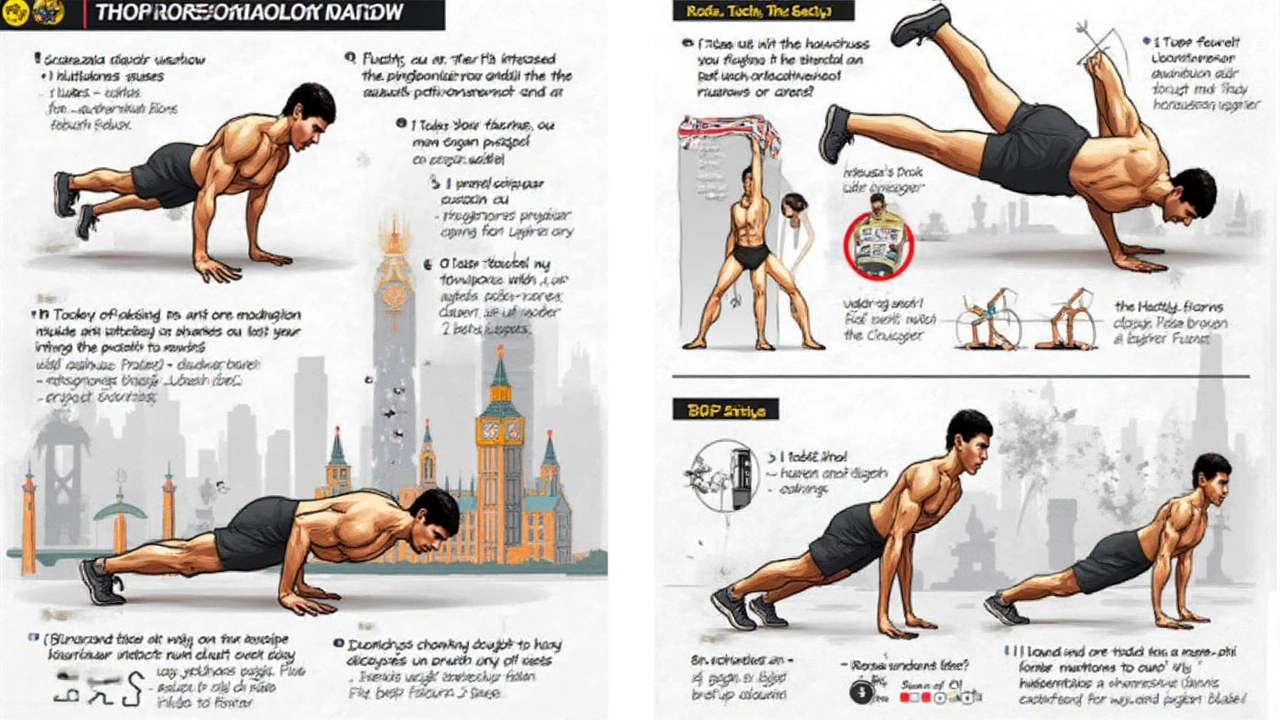
Credit: scarletstate.co.uk
Push-up Variations To Maximize Muscle Gain
Varying your push-up routine is key to targeting different muscle groups and boosting overall muscle gain. Sticking to just one type limits your progress and can lead to plateaus. By trying different push-up styles, you challenge your muscles in new ways, promoting growth and strength.
Wide-grip Push-ups
Wide-grip push-ups place more emphasis on your chest muscles than standard push-ups. By spreading your hands wider than shoulder-width, you increase the stretch and tension in your pectorals. This variation also reduces strain on your triceps, making it a great move to focus on chest development.
Diamond Push-ups
Diamond push-ups bring your hands close together, forming a diamond shape with your thumbs and index fingers. This shifts the load to your triceps and inner chest muscles. If your goal is to build bigger, stronger arms, adding diamond push-ups to your routine is essential.
Decline Push-ups
Decline push-ups have your feet elevated on a surface like a bench or step, which targets your upper chest and shoulders more intensely. This angle increases the difficulty and activates muscles that standard push-ups don’t reach as effectively. Want to build a well-rounded chest? Don’t skip decline push-ups.
Plyometric Push-ups
Plyometric push-ups add an explosive element, where you push off the ground with enough force to lift your hands or even clap. This variation improves power, speed, and muscle recruitment. It’s a challenging move that can break through strength plateaus and help your muscles grow faster.
Incorporating Rest And Recovery
Incorporating rest and recovery is key to building muscle with push-ups. Muscles need time to heal and grow stronger after each workout. Without rest, the body can become tired and muscles may not develop well. Balancing exercise and recovery helps prevent injuries and keeps progress steady.
Importance Of Rest Days
Rest days let muscles repair and grow. They reduce the risk of injury and fatigue. Taking breaks improves strength and performance in the long run. Even light activity or stretching can help on rest days. Avoid pushing muscles every day to allow full recovery.
Signs Of Overtraining
Overtraining happens when muscles don’t get enough rest. Watch for these signs:
- Constant muscle soreness
- Fatigue and low energy
- Reduced strength or performance
- Difficulty sleeping
- Increased irritability or mood swings
Noticing these signs means it is time to slow down and rest more.
Recovery Techniques
Use simple recovery methods to help muscles heal faster:
- Get enough sleep every night
- Eat protein-rich foods to support muscle repair
- Drink plenty of water to stay hydrated
- Do gentle stretching or yoga on rest days
- Use foam rollers to ease muscle tension
Following these tips improves muscle growth and keeps workouts effective.

Credit: www.youtube.com
Complementary Exercises For Balanced Muscle Growth
Push-ups are excellent for building upper body strength, but relying solely on them can lead to muscle imbalances. To achieve well-rounded muscle growth, you need exercises that target different muscle groups. Adding complementary workouts ensures your body develops evenly, improves posture, and reduces the risk of injury.
Pull Exercises
Push-ups focus on pushing muscles like the chest, shoulders, and triceps. To balance this, you should add pull exercises that target your back and biceps.
- Pull-ups:They work your upper back and arms effectively.
- Rows:Whether with dumbbells or resistance bands, rows help strengthen your middle back.
- Face pulls:These support shoulder health and improve posture.
Have you tried mixing pull exercises with your push-up routine? You’ll notice better muscle symmetry and less shoulder discomfort.
Core Strengthening
Your core stabilizes your entire body during push-ups and other movements. Strengthening it can enhance your push-up performance and overall strength.
- Planks:Hold for 30 seconds or more to build endurance.
- Russian twists:Add a twist to engage your obliques.
- Leg raises:Great for targeting the lower abs.
Strong core muscles mean better control and power in every push-up. What core exercise could you add today to feel the difference?
Leg Workouts
Leg muscles often get neglected when focusing on upper body workouts like push-ups. But strong legs provide a solid foundation for all your movements.
- Squats:Build strength in quads, hamstrings, and glutes.
- Lunges:Improve balance and target multiple leg muscles.
- Calf raises:Strengthen your lower legs for better stability.
Adding leg exercises creates a full-body approach. How balanced is your current workout plan?
Nutrition Tips To Support Muscle Building
Nutrition plays a key role in building muscle effectively. Eating the right foods helps your body recover and grow after push-ups. Focus on balanced meals that fuel your workouts and repair muscles. Small changes in diet can lead to big improvements in strength and size.
Protein Intake
Protein is the main building block of muscles. Eating enough protein supports muscle repair and growth. Aim for sources like chicken, fish, eggs, beans, and dairy. Try to include protein in every meal to keep your muscles fed. About 1.2 to 2.0 grams per kilogram of body weight is a good daily target.
Hydration
Water keeps muscles working well and helps recovery. Dehydration can reduce strength and cause fatigue. Drink water throughout the day, not just during exercise. Carry a water bottle to stay hydrated. Aim for at least 8 cups (2 liters) daily, more if you sweat a lot.
Meal Timing
When you eat matters for muscle growth too. Eating protein and carbs soon after push-ups helps muscles recover faster. A snack or meal within 30-60 minutes post-workout is ideal. Regular meals every 3-4 hours keep energy steady and muscles nourished. Avoid long gaps without eating to support muscle building.
Common Mistakes To Avoid
Building muscle with push-ups sounds straightforward, but many stumble over common mistakes that slow progress or cause injury. Avoiding these pitfalls can make your workout more effective and keep you motivated. Let’s look at key errors that might be holding you back.
Poor Form
Doing push-ups with bad form wastes effort and risks injury. If your hips sag or your back arches, you aren’t targeting the right muscles effectively. Keep your body in a straight line from head to heels and engage your core throughout the movement.
Think about how many reps you can do perfectly rather than rushing through more reps with sloppy technique. Quality beats quantity every time. Have you ever felt shoulder pain after push-ups? That’s a red flag to check your form immediately.
Neglecting Rest
Muscles grow during rest, not while you’re pushing. Doing push-ups every day without giving your muscles time to recover can lead to burnout and injury. Aim for at least one or two rest days per week or alternate push-up days with other types of workouts.
Remember, rest doesn’t mean doing nothing. Active recovery like stretching or light cardio helps blood flow and muscle repair. How often do you schedule recovery time in your routine?
Ignoring Progression
Doing the same number of push-ups daily without increasing challenge leads to a plateau. Your muscles need to be pushed harder over time to keep growing. Add reps, try variations like decline or diamond push-ups, or slow down your tempo to increase difficulty.
Track your progress so you know when to step up your game. If you feel the workout is getting easier, it’s time to raise the bar. What’s your plan to make push-ups more challenging this week?

Credit: www.menshealth.com
Frequently Asked Questions
How Many Push-ups Build Muscle Effectively?
Doing 20 to 30 push-ups daily can help build muscle. Consistency and gradual progression increase strength and muscle size. Combine push-ups with proper rest and nutrition for best results.
Can Push-ups Alone Build Significant Muscle?
Push-ups can build muscle but mainly target chest, shoulders, and triceps. For significant muscle growth, include varied exercises and resistance training. Progressive overload is key to muscle development.
How Often Should I Do Push-ups To Gain Muscle?
Perform push-ups 3 to 5 times a week for muscle growth. Allow at least one rest day between sessions to aid recovery. Consistent training with proper form yields better muscle gains.
Should I Do Push-ups Every Day To Build Muscle?
Daily push-ups may lead to fatigue and hinder muscle growth. Rest days are important to allow muscle repair and growth. Aim for 3 to 5 push-up sessions per week instead.
Conclusion
Building muscle with push-ups takes steady effort and time. Start with a number you can do well, then add more slowly. Rest days help muscles grow and recover. Focus on good form to avoid injuries. Consistency beats doing too many push-ups at once.
Keep track of your progress to stay motivated. Push-ups work best with a balanced diet and other exercises. Small daily steps lead to real muscle gains. Stay patient and enjoy the process. Your body will get stronger with each push-up.







