
Are you tired of spending endless hours at the gym without seeing the muscle gains you desire? You’re not alone.
Many people struggle to find the perfect workout duration that maximizes muscle growth while fitting into their busy schedules. The good news is, you don’t need to spend your entire day lifting weights to achieve the results you want. Understanding the ideal workout length can transform your fitness routine and skyrocket your progress.
You’ll discover the secrets behind how long your workout should be to effectively build muscle, helping you optimize your time and effort. Ready to unlock the key to faster gains and a more efficient workout? Keep reading to find out how!

Credit: www.marieclaire.co.uk
Ideal Workout Duration
Finding the ideal workout duration is key to building muscle effectively. Too short, and muscles won’t get enough stimulus. Too long, and fatigue can reduce strength and gains. The right balance helps muscles grow while avoiding overtraining. This section covers typical workout times and how to balance workout length with effort.
Typical Time Frames For Muscle Growth
Most muscle-building workouts last between 30 and 60 minutes. This range allows enough time for multiple sets and exercises. Workouts shorter than 30 minutes may miss key muscle groups. More than 60 minutes can lead to exhaustion and less focus.
- 30-45 minutes: Good for beginners or those with limited time.
- 45-60 minutes: Ideal for most serious muscle-building routines.
- 60+ minutes: Suitable only if rest periods and intensity are well managed.
Shorter, intense sessions often build muscle faster than longer, less focused workouts. Quality over quantity matters most for muscle growth.
Balancing Intensity And Duration
Intensity is the force applied during exercise. Duration is how long you keep going. Both affect muscle growth. High intensity with proper rest leads to better results.
- Keep sets challenging but manageable.
- Rest between sets for 30 to 90 seconds.
- Focus on form to avoid injury during longer sessions.
Long workouts with low intensity can cause fatigue and reduce muscle gains. Short, intense workouts push muscles harder and build strength faster.
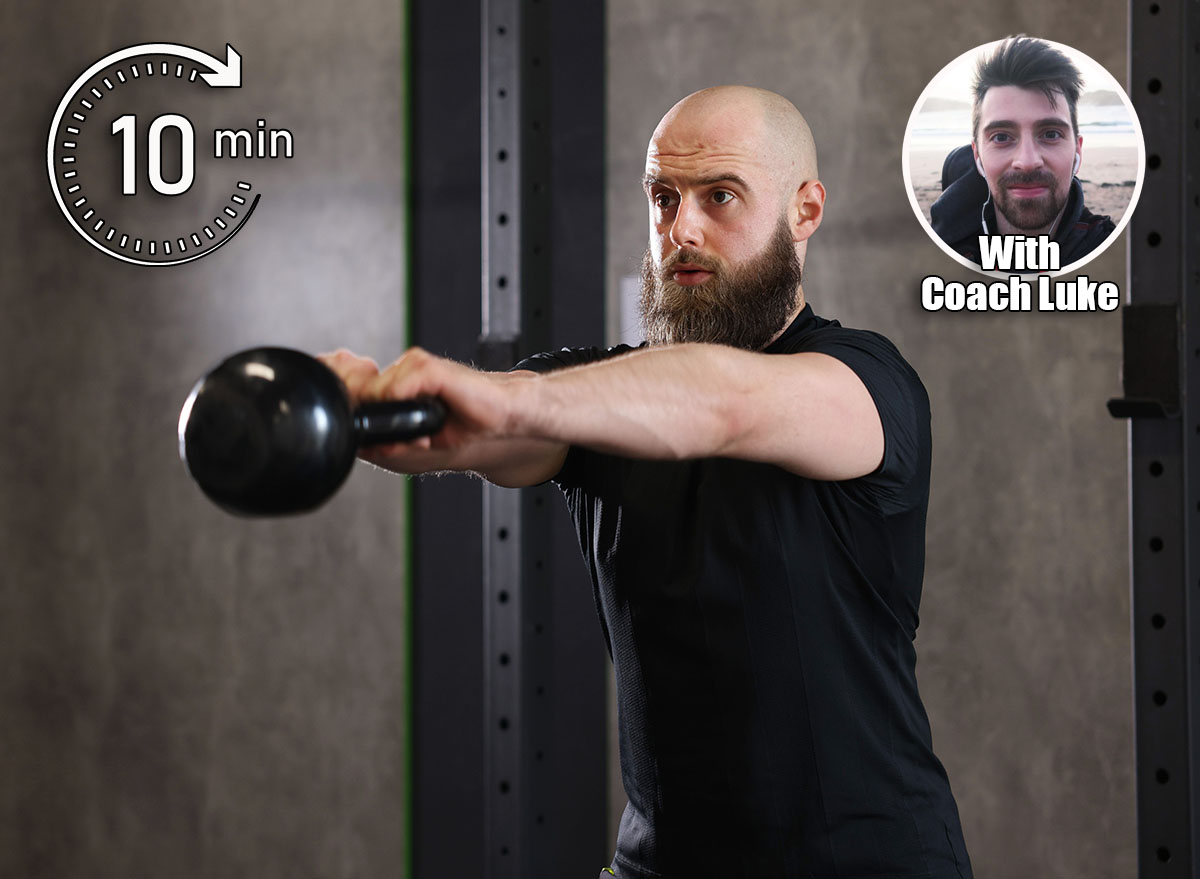
Credit: www.eatthis.com
Factors Affecting Workout Length
Several factors influence how long your workout should last to build muscle effectively. These elements shape the intensity, volume, and recovery needed during training sessions. Understanding them helps tailor your workout to fit personal needs and goals.
Training Experience Level
Beginners often need shorter workouts to avoid fatigue and injury. Their muscles require time to adapt to new stresses. Experienced lifters can handle longer sessions with more volume. Their bodies recover faster and respond better to higher intensity training.
Workout Type And Goals
Strength training with heavy weights usually demands shorter, intense workouts. Muscle endurance or hypertrophy goals might require longer sessions with moderate weights. Different exercises also affect workout length. Compound movements take more time than isolation exercises.
Recovery And Rest Periods
Rest between sets impacts total workout time significantly. Longer rest periods help with heavy lifting and strength gains. Shorter rest periods increase workout density and support muscle growth. Recovery outside the gym affects how often and how long you can train.
High-intensity Vs. Volume Training
High-intensity and volume training are two popular ways to build muscle. Both methods have unique benefits and suit different fitness goals. Choosing between them depends on your workout style and how your body responds. Understanding each approach helps plan your workout length effectively.
Short Intense Sessions
Short intense sessions focus on heavy weights and fewer reps. These workouts last about 30 to 45 minutes. The goal is to push muscles to their limit quickly. High intensity causes muscle fibers to break down, which helps growth during recovery.
- Use heavier weights with 6-12 reps per set
- Rest longer between sets, about 1-2 minutes
- Limit workout time to avoid fatigue
This approach saves time and improves strength fast. It suits those with busy schedules or who prefer quick, powerful workouts.
Longer Volume-based Workouts
Volume training means doing more sets and reps with moderate weights. These sessions last 60 to 90 minutes or more. They increase muscle endurance and size by targeting more muscle fibers over time.
- Perform 3-5 sets of 12-20 reps
- Shorter rest periods, around 30-60 seconds
- Focus on muscle fatigue through higher volume
Volume training requires more time but can lead to bigger muscles. It works well for those who enjoy longer workouts and steady progress.
Signs Of Overtraining
Recognizing the signs of overtraining is crucial to building muscle safely and effectively. Pushing your body too hard without enough recovery can set you back rather than help you progress. Paying attention to how your body and mind respond will guide you in adjusting your workout length and intensity.
Physical Symptoms
Your body often sends clear signals when it’s overworked. Persistent muscle soreness that doesn’t improve after rest, frequent injuries, or unusual joint pain can all be red flags. You might also notice changes in your sleep patterns or a drop in your overall energy levels throughout the day.
Have you ever felt exhausted even after a full night’s sleep? That’s a common sign your muscles and nervous system need more recovery time.
Performance Decline
If your workout times are increasing or your strength is dropping, it’s not just bad luck. Overtraining can cause a decline in performance, making it harder to lift weights you used to handle easily. This plateau or regression is a clear message to dial back your training volume or intensity.
Think about the last time you struggled to finish a routine that used to feel manageable. That struggle might be your body asking for a break.
Mental Fatigue
Muscle building isn’t just physical—it’s mental too. Feeling unmotivated, irritable, or mentally drained can mean you’re overtraining. When your brain is tired, it affects your focus during workouts and your ability to push through tough sets.
Ask yourself: Are you excited to train, or is it feeling like a chore lately? This mental check can help you avoid burnout and keep your progress steady.
Optimizing Workout Efficiency
Optimizing workout efficiency is key to building muscle without wasting time. Short, focused sessions often yield better results than long, unfocused ones. Planning exercises to target multiple muscle groups and reduce rest can speed up progress. Efficient workouts help maintain energy and motivation. They also fit better into busy schedules.
Supersets And Circuit Training
Supersets involve doing two exercises back-to-back with no rest. This keeps muscles working and heart rate up. You can pair exercises for opposing muscles, like biceps and triceps, to save time. Circuit training moves through a set of exercises quickly, targeting different muscles. Both methods cut rest periods and increase workout intensity. This boosts muscle growth and burns more calories in less time.
Time Management Tips
- Set a clear workout time limit, usually 45-60 minutes.
- Prepare all equipment before starting.
- Use a timer to track rest periods strictly.
- Focus on quality over quantity for each set.
- Keep distractions away during workouts.
These simple habits keep workouts productive and on schedule.
Focusing On Compound Movements
Compound exercises work several muscles at once. Examples include squats, deadlifts, and bench presses. These moves build muscle faster than isolation exercises. They also improve strength and coordination. Prioritize compound lifts to maximize workout results. This approach reduces total workout time while increasing muscle gain.

Credit: health.yahoo.com
Role Of Nutrition And Rest
Nutrition and rest play a crucial role in building muscle. Exercise alone is not enough. Muscles need proper fuel and time to repair and grow stronger. Without good nutrition and rest, workouts may not give the desired results. Understanding these factors helps in planning your workout duration and recovery.
Protein Intake
Protein is the building block of muscles. Consuming enough protein supports muscle repair and growth. Aim for lean sources like chicken, fish, eggs, and beans. Spread protein intake evenly throughout the day. This keeps muscles fueled and ready for recovery.
Sleep And Muscle Repair
Sleep is when the body repairs itself most effectively. During deep sleep, muscle tissues recover and grow. Lack of sleep can slow down muscle growth and increase injury risk. Aim for 7-9 hours of quality sleep every night to support your workout efforts.
Hydration Importance
Water keeps muscles hydrated and functioning well. Dehydration can cause muscle cramps and reduce workout performance. Drink water before, during, and after exercise. Staying hydrated helps muscles recover faster and improves overall strength.
Sample Workout Plans
Sample workout plans help guide your exercise time to build muscle effectively. Different plans fit different schedules and goals. Some focus on quick, intense sessions, while others allow more time for balanced training. Choose a plan that matches your fitness level and daily routine.
30-minute Muscle Building Routine
This short workout targets major muscle groups fast. Perfect for busy days or beginners. Focus on compound exercises like squats, push-ups, and rows. Use moderate to heavy weights with 3 sets of 8-12 reps. Rest 30-60 seconds between sets to keep intensity high.
- Warm-up: 5 minutes of light cardio
- Squats: 3 sets of 10 reps
- Push-ups: 3 sets of 12 reps
- Dumbbell rows: 3 sets of 10 reps per arm
- Plank: Hold for 30 seconds, 3 times
45 To 60-minute Balanced Workout
This plan offers time to train all muscle groups with more volume. Good for intermediate lifters. Combine strength and hypertrophy exercises. Include 4-5 exercises per session, 3-4 sets each. Rest 60-90 seconds to allow muscle recovery and growth.
- Warm-up: 10 minutes of dynamic stretching
- Deadlifts: 4 sets of 8 reps
- Bench press: 4 sets of 10 reps
- Leg press: 4 sets of 12 reps
- Shoulder press: 3 sets of 12 reps
- Core work: 10 minutes of mixed exercises
When To Extend Your Sessions
Longer workouts suit advanced lifters or those focusing on muscle size. Add more sets or isolation exercises to hit smaller muscles. Use 60-90 seconds rest for strength, 30-60 seconds for endurance. Listen to your body and avoid overtraining. Extend sessions only if recovery is adequate.
Frequently Asked Questions
How Long Should A Muscle-building Workout Last?
A muscle-building workout should last 45 to 60 minutes. This duration balances intensity and recovery. It helps maximize muscle growth without overtraining or fatigue.
Does Workout Length Affect Muscle Growth Results?
Yes, workout length affects muscle growth. Too short may limit gains, while too long can cause fatigue. Aim for 45-60 minutes for optimal results.
How Often Should I Work Out To Build Muscle?
For muscle growth, train each muscle group 2-3 times weekly. This frequency supports recovery and muscle repair. Rest days are essential to avoid overtraining.
Can Short Workouts Build Muscle Effectively?
Yes, short workouts can build muscle if intense. Focus on compound exercises and proper form. High intensity in 30-45 minutes can yield good results.
Conclusion
Building muscle needs consistent effort and the right workout length. Aim for 45 to 60 minutes per session for best results. Focus on quality, not just time spent in the gym. Rest and nutrition play a big role too. Keep your workouts steady and avoid rushing through exercises.
Small steps add up to bigger gains over time. Stay patient and listen to your body’s signals. This approach helps you grow stronger safely and effectively. Keep moving forward, one workout at a time.







