
Have you ever struggled to stick to your goals or keep promises to yourself? Imagine a simple habit that could strengthen your willpower and help you stay on track in every area of your life.
That habit is fitness. When you commit to regular exercise, you’re not just building muscles—you’re training your mind to be more disciplined. You’ll discover how fitness can transform your self-discipline, making it easier to tackle challenges and reach your dreams.
Keep reading, and find out how taking care of your body can unlock a stronger, more focused you.
Link Between Fitness And Self Discipline
Fitness and self discipline share a close relationship. Regular exercise demands commitment and focus. These qualities strengthen self control in daily life. Fitness routines teach the mind to push limits. Over time, this builds strong habits that improve discipline.
Building Consistency Through Exercise
Exercise requires doing activities regularly. This creates a routine that becomes a habit. Sticking to a workout plan builds consistency. Consistency in fitness helps develop willpower. This willpower carries over to other areas. Overcoming the urge to skip workouts trains discipline. Small daily efforts lead to long-term habits.
Mental Toughness Gained From Workouts
Workouts challenge the body and mind. They teach how to manage discomfort and fatigue. Mental toughness grows by facing these challenges. Tough workouts build resilience and self control. This mental strength improves decision making. It helps resist distractions and temptations. Fitness creates a stronger, more disciplined mindset.

Credit: www.healthline.com
Daily Habits That Strengthen Discipline
Building self-discipline is a daily commitment that gets stronger with consistent habits. Fitness naturally pushes you to develop this skill because it demands regular effort and focus. What daily actions can you take to sharpen your discipline through fitness?
Setting Realistic Fitness Goals
Setting goals that match your current fitness level keeps you motivated and prevents burnout. If you aim too high, you risk frustration and giving up early. Start with achievable targets like walking 10 minutes daily or doing three workout sessions a week.
Track your progress to see real improvement. When I began running, I set a goal to run just 1 kilometer without stopping. That small win gave me the confidence to keep pushing.
Ask yourself: Are your goals clear and doable? Break big ambitions into smaller milestones you can hit regularly. This builds a steady sense of accomplishment and discipline.
Creating A Structured Routine
A planned routine turns fitness into a habit rather than a choice. Decide on specific times for workouts and stick to them like appointments. This reduces the chance of skipping sessions when motivation dips.
Structure can be as simple as:
- Morning stretches before breakfast
- Evening walks after work
- Workout classes on fixed days
Consistency is key. I found that exercising at the same time daily helped my mind accept it as non-negotiable. What part of your day can you dedicate to fitness without interruptions?
Benefits Of Enhanced Self Discipline
Enhanced self-discipline brings many benefits to daily life. It helps create strong habits and improves decision-making. With better self-control, challenges become easier to face. Fitness routines build this skill naturally. The rewards affect many areas beyond exercise.
Improved Focus And Productivity
Self-discipline sharpens the mind and reduces distractions. It trains you to stay on task longer. This leads to better work and faster results. Completing tasks without procrastination feels rewarding. Over time, productivity increases and stress from unfinished work drops.
Better Stress Management
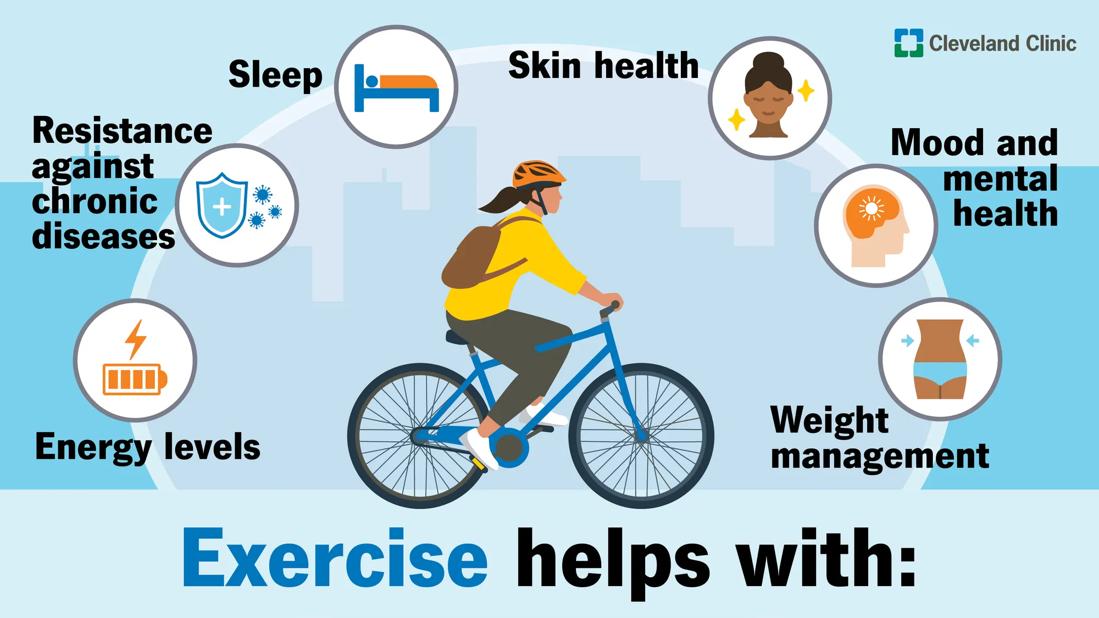
Discipline helps maintain calm in tough situations. Regular exercise lowers stress hormones and clears the mind. Controlled routines create stability and confidence. This balance helps handle pressure without feeling overwhelmed. Self-discipline supports a peaceful, more resilient mindset.
Credit: health.clevelandclinic.org
Overcoming Challenges In Fitness
Facing challenges is a natural part of any fitness journey. It tests your commitment and pushes your limits. Overcoming these obstacles builds your self-discipline and helps you grow stronger both physically and mentally.
Dealing With Setbacks
Setbacks like injuries, missed workouts, or slow progress can feel discouraging. Instead of giving up, see these moments as chances to learn about your body and mind. Adjust your goals and plans when needed, and remember that consistency beats perfection.
When I once injured my knee, I shifted to low-impact exercises instead of stopping completely. This kept me active and motivated while protecting my injury. How can you modify your routine to stay on track despite obstacles?
Staying Motivated Over Time
Motivation often fades, especially when results take time. To keep going, focus on small wins like lifting a bit more or running a little farther. Celebrate these victories—they fuel your discipline.
- Set clear, achievable goals and revisit them regularly.
- Track your progress visually, such as through charts or photos.
- Find a workout buddy or join a community for support.
- Mix up your exercises to avoid boredom.
Ask yourself: What made you start this journey, and how can you reconnect with that reason today? Staying motivated isn’t about a constant high; it’s about showing up even when excitement wanes.
Practical Tips To Boost Discipline Through Fitness
Building a fitness routine helps strengthen focus and self-control. Regular exercise teaches commitment and improves willpower in daily life. Small fitness goals boost confidence and encourage consistent discipline.
Engaging in fitness activities does more than just keep you in shape; it serves as a powerful tool to enhance self-discipline. By integrating fitness into your daily routine, you can cultivate habits that foster greater self-control and perseverance. Let’s explore some practical tips that can help you boost your discipline through fitness.Tracking Progress Effectively
One of the most motivating aspects of fitness is seeing your progress over time. Start by setting specific, measurable goals that are realistic and achievable. Use a fitness journal or app to track your workouts, noting improvements in performance, weight lifted, or distance run. Seeing tangible results can be a huge motivator. It reinforces your efforts and encourages you to stay consistent. Regularly reviewing your progress helps you stay focused and can ignite a sense of accomplishment.Incorporating Accountability Partners
Having someone to hold you accountable can dramatically increase your discipline. Find a workout partner or join a fitness group where members encourage each other to stay committed. An accountability partner can provide the extra push you need on days when motivation is low. They can also offer fresh perspectives and share new ideas to keep your routine exciting. Consider scheduling regular check-ins with your partner to discuss progress and challenges. This not only strengthens your discipline but also builds a sense of community and shared success. How do you plan to leverage these tips to enhance your self-discipline through fitness? Remember, the journey to self-discipline is personal and unique to you.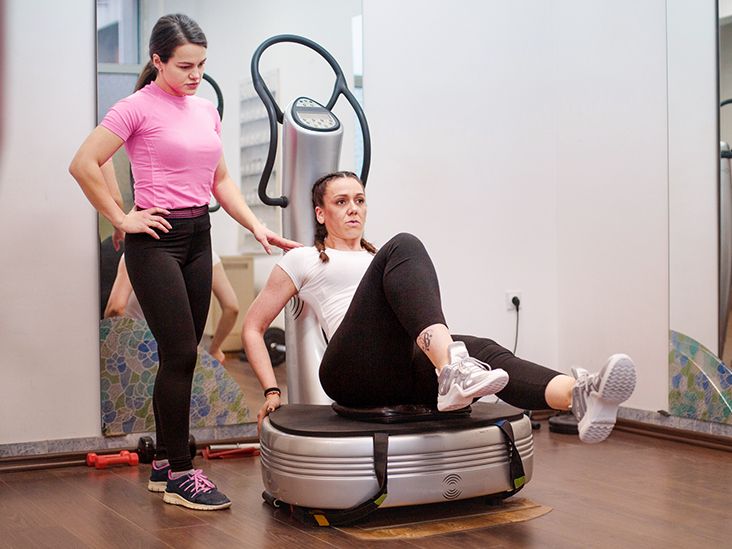
Credit: www.healthline.com
Frequently Asked Questions
How Does Fitness Build Self Discipline?
Fitness requires consistent effort and routine. Regular workouts teach commitment, time management, and goal setting. These habits improve self discipline over time, making it easier to maintain other positive behaviors in life.
Can Exercise Improve Mental Focus And Discipline?
Yes, exercise boosts brain function by increasing blood flow and releasing endorphins. This enhances concentration, memory, and mental clarity, which strengthens overall self discipline and decision-making skills.
What Role Does Goal Setting In Fitness Play?
Setting fitness goals creates clear targets to work toward. Achieving these goals builds confidence and motivation, reinforcing discipline. Goal setting also helps track progress, encouraging persistence and self-control.
How Long Does It Take Fitness To Improve Discipline?
Improvements can be noticed within weeks of consistent exercise. However, building strong self discipline through fitness is a gradual process that typically takes a few months of regular commitment.
Conclusion
Fitness builds strong habits that help control your daily choices. Regular workouts teach you to set goals and stick to them. This discipline grows over time and shapes your mindset. Small efforts in fitness lead to big improvements in self-control.
The focus and patience gained spill over into other life areas. Staying active makes you feel confident and motivated every day. Fitness is more than exercise; it’s training your willpower too. Keep moving, stay consistent, and watch your self-discipline grow steadily.







