
Have you ever noticed how a quick workout can lift your mood or clear your mind? That’s not just in your head—fitness plays a powerful role in improving your mental health.
When you make exercise a part of your routine, you’re not just building muscles or losing weight; you’re also boosting your brain’s ability to handle stress, anxiety, and even depression. Imagine feeling more focused, calmer, and happier every day simply by moving your body.
Keep reading to discover how fitness can transform your mental well-being and why it might be the best thing you do for yourself today.
Connection Between Fitness And Mental Health
Understanding the connection between fitness and mental health can change how you view your workouts. Physical activity does more than just shape your body—it actively reshapes your mind. Recognizing this link can motivate you to prioritize movement not just for physical goals but for emotional balance and clarity.
Physical Activity And Brain Chemistry
Exercise triggers the release of chemicals like dopamine, serotonin, and endorphins. These natural mood boosters help regulate emotions and improve focus.
Think about a time you felt a sudden lift in mood after a walk or a run. That’s your brain chemistry responding to movement.
Regular activity rewires your brain to handle challenges better and enhances memory and learning capacity.
Exercise And Stress Reduction
Physical activity lowers the body’s stress hormones such as cortisol. It also stimulates the production of endorphins, which act as natural painkillers and stress relievers.
When you’re caught in a stressful situation, even a short workout can reduce tension and clear your mind.
Ask yourself: How often do you use exercise as a tool to calm your mind instead of just working on your body?
Mood Enhancement Through Movement
Movement increases blood flow and oxygen to the brain, which helps improve your mood and energy levels.
Try different types of exercise—yoga, dancing, swimming—to find what lifts your spirits the most.
Small, consistent doses of physical activity can create a positive feedback loop, encouraging you to keep moving because you feel better emotionally.

Credit: news.uga.edu
Types Of Exercise That Benefit Mental Health
Exercise plays a crucial role in boosting mental health. Different types of exercises provide unique benefits. Each type can help reduce stress, improve mood, and increase overall well-being. Let’s explore how aerobic activities, strength training, and mind-body exercises positively impact mental health.
Aerobic Activities
Aerobic exercises, like running or cycling, elevate heart rate. This releases endorphins, natural mood lifters. Regular aerobic activity reduces anxiety and depression. It also boosts self-esteem and improves sleep quality. Just 30 minutes a day can make a difference.
Strength Training
Strength training strengthens muscles and mental health. Lifting weights or using resistance bands helps. It increases confidence and reduces symptoms of anxiety. Strength training enhances brain function and lowers stress levels. Aim for sessions twice a week for optimal benefits.
Mind-body Exercises
Mind-body exercises combine movement with relaxation. Yoga and tai chi are excellent choices. These exercises promote mindfulness and focus. They reduce stress and improve mood. Breathing techniques in these practices calm the mind. Just a few sessions can bring noticeable changes.
How Fitness Boosts Cognitive Function
Fitness doesn’t just change your body; it reshapes your brain. Engaging in regular physical activity can sharpen your mind and enhance how you think every day. You might notice better clarity, quicker thinking, and a stronger ability to tackle complex tasks.
Improved Memory And Focus
Exercise increases blood flow to the brain, delivering more oxygen and nutrients. This boost helps improve your memory and ability to concentrate. Have you ever experienced a workout that made it easier to focus on work or remember details later?
Activities like walking, running, or cycling can stimulate the growth of new brain cells in areas responsible for memory. This means your brain gets stronger and more efficient over time. Try adding short, consistent workouts to your routine and watch your mental sharpness improve.
Neuroplasticity And Exercise
Your brain can change and adapt—that’s called neuroplasticity. Exercise encourages this process by promoting the release of chemicals that help form new neural connections. This makes learning new skills and adapting to challenges easier.
Think about the last time you learned something new after a workout. Many people find that physical activity helps them absorb information better and solve problems faster. You can support your brain’s ability to grow by moving regularly.
Exercise And Sleep Quality
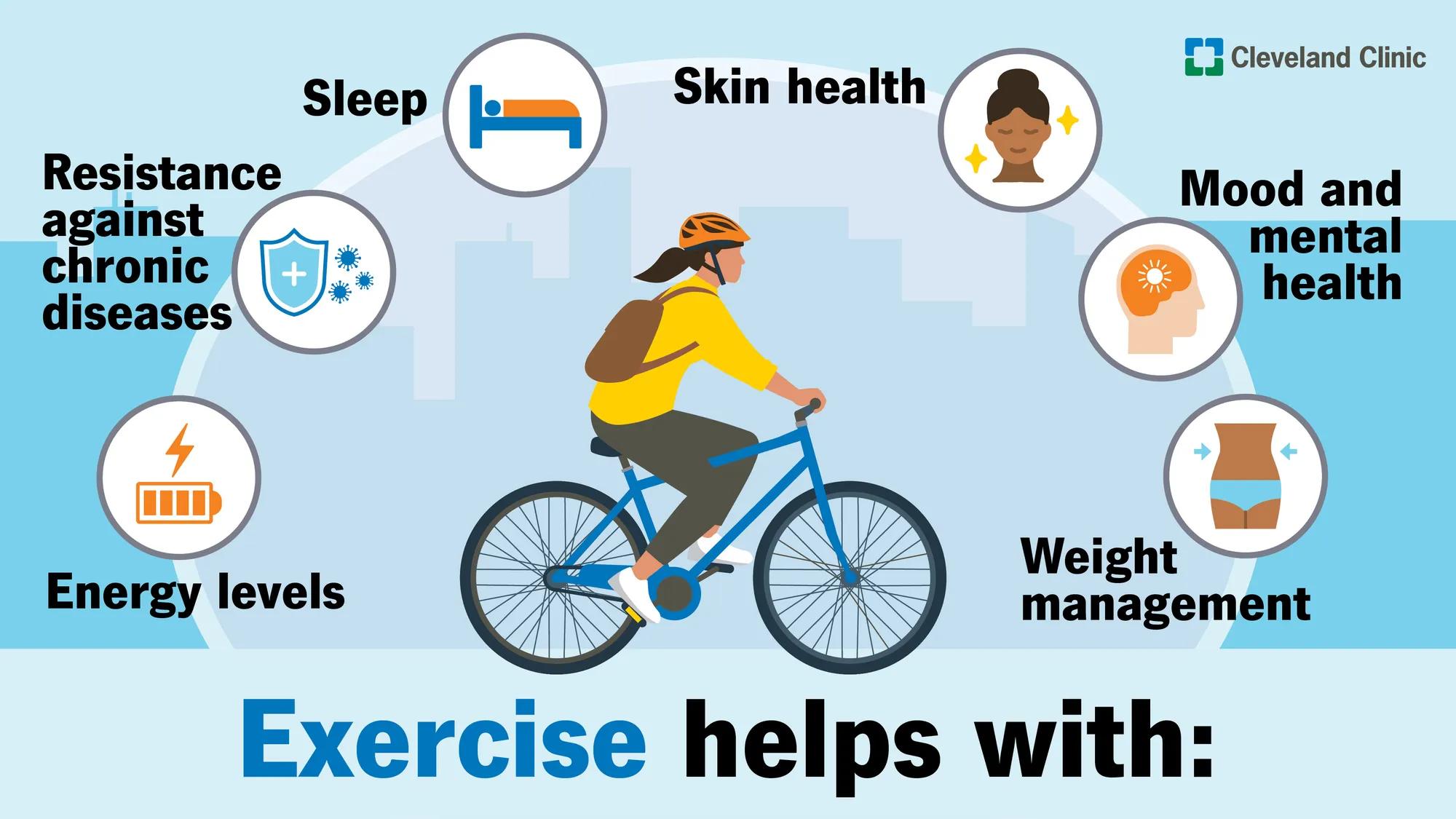
Good sleep is crucial for clear thinking and emotional balance. Exercise helps regulate your sleep patterns, making it easier to fall asleep and stay asleep. Have you noticed feeling more rested after days you’ve been physically active?
Better sleep improves your brain’s ability to process and store information. It also boosts your mood and reduces stress. Try scheduling your workouts earlier in the day to maximize these benefits and wake up feeling refreshed.
Credit: health.clevelandclinic.org
Fitness As A Tool Against Anxiety And Depression
Using fitness as a tool against anxiety and depression can transform how you manage your mental health. Physical activity affects your brain chemistry and mood, providing a natural boost without medication. It’s not just about sweating it out—fitness helps you regain control, reduce stress, and find moments of calm.
Exercise As Natural Antidepressant
Exercise triggers your brain to release endorphins, often called “feel-good” hormones. These chemicals improve your mood and create a sense of well-being almost immediately after activity.
You don’t need intense workouts to feel the benefit. Even a 20-minute walk can lift your spirits and clear your mind.
Have you noticed how a simple jog or bike ride can brighten your day? That’s your brain responding to exercise as a natural antidepressant.
Reducing Anxiety Symptoms
Fitness helps calm your nervous system by lowering the body’s stress hormones like cortisol. This reduction can ease the physical symptoms of anxiety such as rapid heartbeat and muscle tension.
Regular movement also distracts your mind from worries and negative thoughts. When you focus on your body’s rhythm during exercise, it’s harder for anxious thoughts to take over.
Try mindful activities like yoga or swimming to combine physical exercise with relaxation techniques, giving anxiety less space to grow.
Building Resilience Through Fitness
Fitness teaches you to push through challenges and discomfort, which builds mental strength. Over time, this resilience helps you face everyday stress and emotional struggles more confidently.
Setting small, achievable fitness goals can boost your self-esteem and give you a clear sense of progress. These wins translate into better coping skills outside the gym.
Ask yourself: How can your fitness routine help you handle life’s ups and downs with more ease? Your body and mind are stronger together.
Creating A Sustainable Fitness Routine
Creating a sustainable fitness routine is key to improving mental health. It helps build habits that support long-term well-being. A routine that fits your lifestyle feels less like a chore and more like a natural part of your day. This makes it easier to keep moving forward and enjoy the mental benefits of exercise.
Setting Realistic Goals
Start with small, clear goals that feel achievable. Goals should match your current fitness level and schedule. For example, walking 10 minutes a day or doing light stretching three times a week. Realistic goals build confidence and reduce stress. They help keep motivation high without causing frustration.
Finding Enjoyable Activities
Choose exercises you like. Enjoyment makes it easier to stick with your routine. Try different activities such as dancing, biking, swimming, or yoga. Variety prevents boredom and keeps your mind engaged. Fun workouts boost your mood and reduce anxiety more effectively.
Staying Consistent For Mental Benefits
Consistency matters more than intensity. Regular exercise supports brain health and lowers stress hormones. Aim for a steady schedule, even if sessions are short. Consistency helps develop a positive mindset and improves sleep quality. Over time, these changes lift your mood and sharpen focus.
Social And Emotional Benefits Of Group Fitness
Group fitness offers more than just physical improvements—it brings powerful social and emotional benefits that can transform your mental health. When you work out with others, you tap into a network of support that encourages you to keep going. The shared experience of overcoming challenges together creates a unique bond that lifts your mood and sharpens your resilience.
Community Support And Motivation
Being part of a fitness group means you’re never alone in your journey. The encouragement from others can push you to reach goals you might have thought were out of reach. Have you noticed how a simple “You got this!” from a fellow participant can boost your energy during a tough workout?
This community support also builds accountability. Knowing that others expect you to show up makes it easier to stay consistent. Plus, seeing others improve motivates you to keep improving too.
Enhancing Self-esteem
Group fitness helps you recognize your own progress in a supportive environment. As you achieve new milestones, the positive feedback from the group reinforces your self-worth. This boost in confidence often spills over into other parts of your life.
Think about the last time you nailed a challenging move in class and the group cheered you on. That moment isn’t just about physical success—it’s a reminder that you’re capable and strong. How often do you give yourself credit for these wins?
Building Positive Relationships
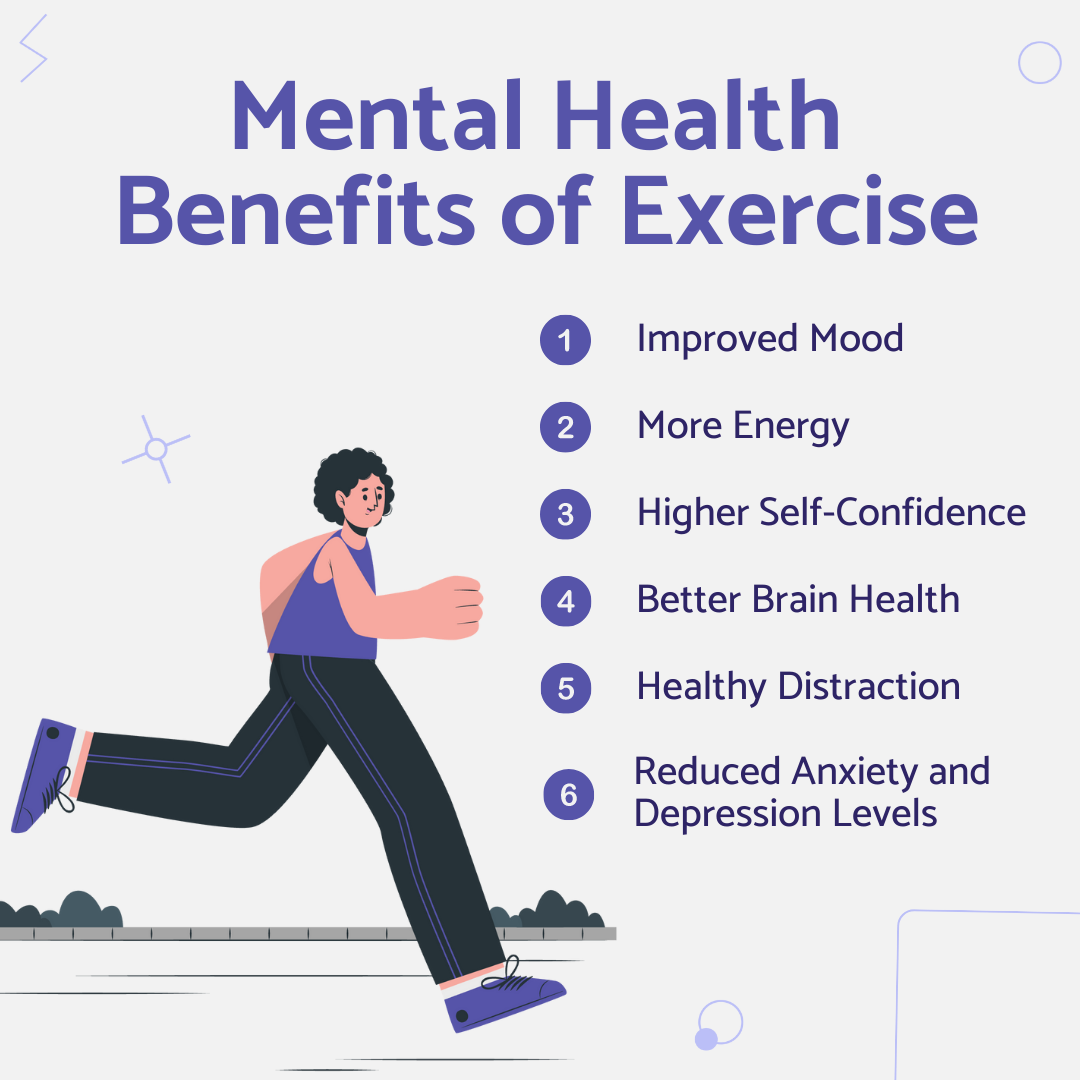
Joining group fitness classes is a great way to meet new people who share your interests. These connections can grow into friendships that extend beyond the gym. Sharing your fitness journey with others creates a sense of belonging that’s vital for emotional well-being.
Positive relationships act as a buffer against stress and anxiety. They provide a safe space to share your thoughts and feelings. Could your next workout buddy become someone who supports you through life’s ups and downs?
Credit: medium.com
Frequently Asked Questions
How Does Fitness Boost Mental Health?
Regular exercise increases endorphins and serotonin, improving mood and reducing anxiety. It also enhances brain function and memory, supporting overall mental well-being.
Can Exercise Reduce Stress And Anxiety?
Yes, physical activity lowers cortisol levels, the stress hormone. It promotes relaxation, improves sleep, and helps manage anxiety symptoms effectively.
What Types Of Exercise Improve Mental Health Best?
Aerobic exercises like running, swimming, and cycling are highly effective. Yoga and strength training also enhance mood and reduce depression symptoms.
How Often Should I Exercise For Mental Benefits?
Aim for at least 30 minutes of moderate exercise most days. Consistency is key to maintaining improved mental health and emotional balance.
Conclusion
Fitness supports your mind as much as your body. Regular exercise helps reduce stress and lifts your mood. It improves sleep, making you feel more rested. Physical activity also boosts focus and sharpens your thinking. Small steps can lead to big changes in mental health.
Choose activities you enjoy for lasting benefits. Remember, your mental well-being grows with every move you make. Start today and feel the difference tomorrow.







