
Have you ever wondered why you feel happier and more energized after a workout? That’s dopamine at work—your brain’s natural “feel-good” chemical.
When you exercise, your body releases dopamine, lifting your mood and sharpening your focus. Imagine boosting this powerful chemical naturally, without medication or supplements. You’ll discover exactly how exercise triggers dopamine and how you can use this knowledge to feel better every day.
Keep reading, because what you learn here could change the way you think about fitness and your mental well-being.

Credit: oscarsegurado.medium.com
Dopamine And Its Role
Dopamine is a vital chemical in the brain. It acts as a messenger between nerve cells. This chemical controls many important functions in the body. Understanding dopamine helps explain how exercise improves well-being. It plays a key role in motivation, pleasure, and movement. The natural release of dopamine can enhance mental and physical health.
What Dopamine Does
Dopamine helps send signals in the brain. It affects how we feel pleasure and pain. The chemical controls reward-driven learning and focus. It also regulates movement and coordination. Low dopamine levels can cause fatigue and lack of motivation. High levels increase alertness and drive.
Dopamine’s Impact On Mood And Energy
Dopamine directly influences mood and energy levels. It creates feelings of happiness and satisfaction. When dopamine rises, mood improves and stress decreases. It boosts energy by enhancing brain activity. This makes tasks feel easier and more enjoyable. Regular dopamine release supports emotional balance and vitality.
Exercise And Brain Chemistry
Exercise is not just about building muscle or losing weight; it’s a powerful tool to enhance your brain chemistry. Regular physical activity can lead to significant changes in your brain’s neurotransmitters, including dopamine. This “feel-good” chemical plays a crucial role in how happy and motivated you feel. But how exactly does exercise impact your brain chemistry, and which types of exercise are most effective?
How Exercise Stimulates Dopamine
When you exercise, your brain releases more dopamine, which can boost your mood and motivation. This process starts with physical activity that increases your heart rate, encouraging the production of dopamine. Have you ever felt an immediate mood lift after a brisk walk or run? That’s dopamine in action.
Even simple exercises like stretching or yoga can elevate dopamine levels. It’s all about finding activities that you enjoy and can consistently incorporate into your routine. Consistency is key, as regular exercise maintains elevated dopamine levels over time.
Types Of Exercise That Boost Dopamine
Different types of exercise can have varied impacts on dopamine production. Aerobic exercises like running, swimming, or cycling are particularly effective. They increase your heart rate, which is directly linked to dopamine release.
Strength training is another excellent option. Lifting weights or engaging in resistance exercises has been shown to enhance dopamine receptors in the brain. This means your brain can process dopamine more efficiently, leading to greater feelings of happiness and satisfaction.
Don’t overlook the benefits of mind-body exercises like yoga and tai chi. These activities not only boost dopamine but also reduce stress, enhancing overall mental well-being. So, what type of exercise will you choose to boost your dopamine levels today?
Benefits Of Elevated Dopamine
Elevated dopamine levels have a powerful impact on your daily life. This neurotransmitter plays a key role in how you feel, think, and act. When exercise boosts your dopamine naturally, it triggers a chain reaction of positive effects that go beyond just feeling good for a moment.
Increased Energy Levels
Have you ever noticed feeling more awake and ready to take on the day after a workout? That’s dopamine at work. It helps increase your energy by stimulating brain areas that regulate alertness and stamina.
This boost can make even routine tasks feel less tiring. Instead of dragging through your day, you might find yourself moving with more purpose and vitality.
Enhanced Motivation And Focus
Struggling to stay on track? Higher dopamine levels can sharpen your focus and drive. It fuels your brain’s reward system, making it easier to set goals and stick to them.
Think about times when you felt “in the zone.” That intense concentration and motivation often come from dopamine surges triggered by physical activity. It helps you push through distractions and complete tasks efficiently.
Improved Mood And Joy
Feeling down? Exercise-induced dopamine release can lift your spirits naturally. It encourages feelings of happiness and satisfaction without relying on external factors.
Instead of waiting for something to make you happy, you can create joy through movement. This natural mood boost often lasts longer than a quick sugar rush or a momentary thrill.
Credit: revivedetoxlosangeles.com
Exercise Routines For Dopamine Boost
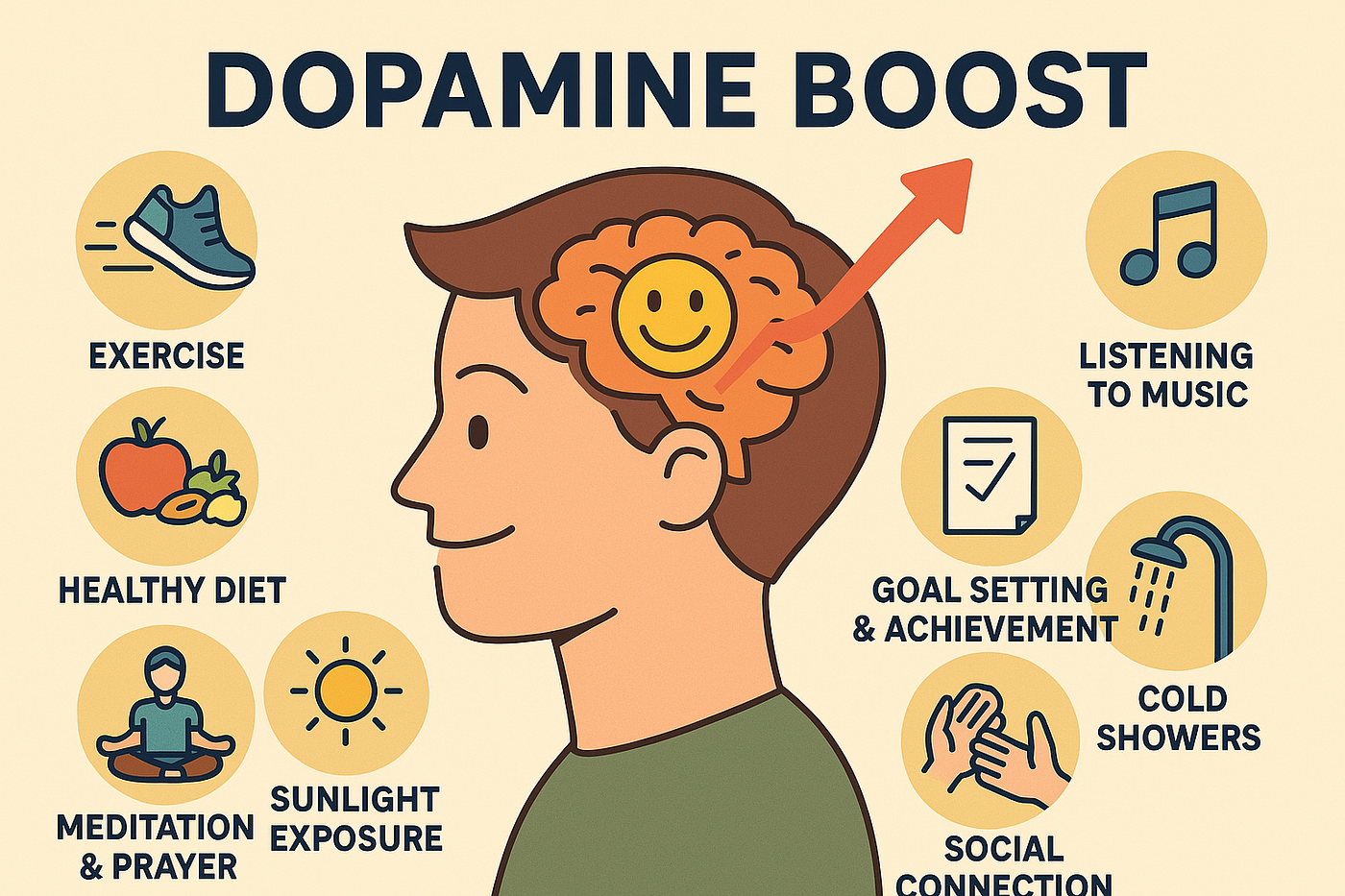
Exercise plays a key role in increasing dopamine levels naturally. Different routines target dopamine production in unique ways. Choosing the right exercise can lift mood and improve focus. This section explores effective workout types to boost dopamine.
Cardio Workouts
Cardio exercises raise your heart rate and stimulate dopamine release. Activities like running, cycling, and swimming are great options. Aim for at least 20 minutes to feel the benefits. Regular cardio helps reduce stress and enhances motivation.
Strength Training
Strength training also boosts dopamine through muscle activity and effort. Lifting weights or using resistance bands triggers dopamine production. It improves confidence and mental clarity. Short sessions with moderate weights work well for beginners.
Mind-body Exercises
Mind-body workouts combine movement with mental focus to increase dopamine. Yoga, tai chi, and Pilates calm the mind and stimulate reward centers. These exercises lower anxiety and improve emotional balance. Practicing regularly supports steady dopamine levels.
Lifestyle Tips To Support Dopamine
Supporting dopamine through lifestyle choices enhances the natural boost from exercise. Simple habits create a strong foundation for brain health. These habits help maintain steady dopamine levels. A balanced approach to daily living can uplift mood and energy.
Nutrition And Dopamine
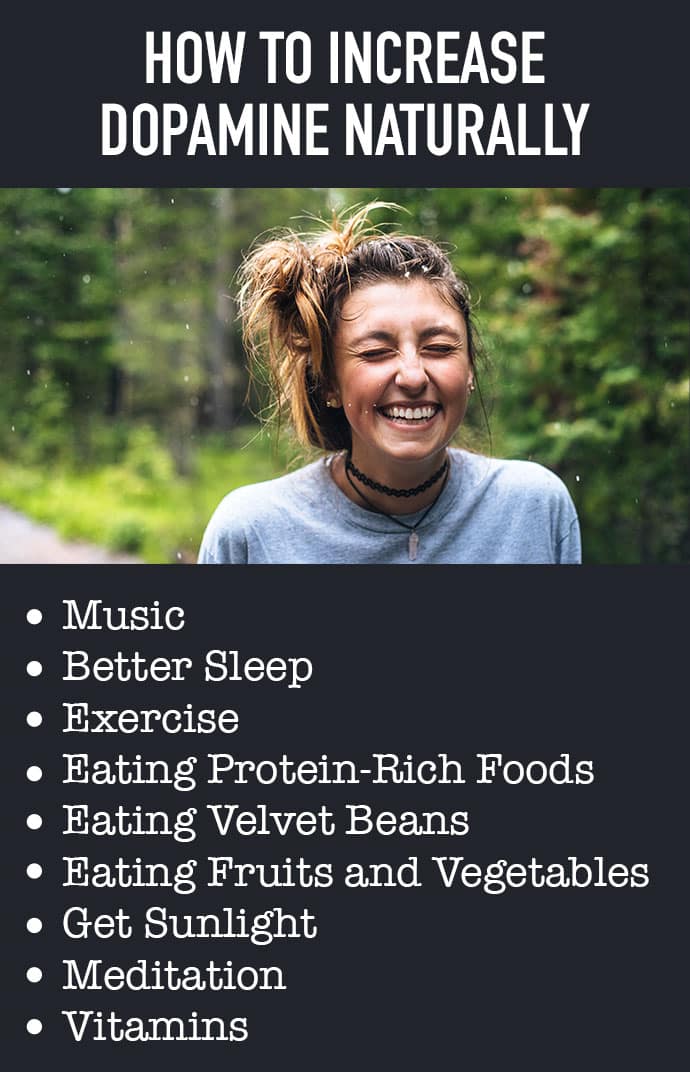
Eating foods rich in tyrosine helps dopamine production. Tyrosine is an amino acid found in protein sources like chicken, fish, eggs, and dairy. Fruits and vegetables supply antioxidants that protect brain cells. Avoid excessive sugar and processed foods. These can lower dopamine and cause energy crashes.
Sleep And Recovery
Quality sleep restores dopamine receptors in the brain. Aim for 7 to 9 hours of restful sleep each night. Keep a regular sleep schedule to support brain chemistry. Avoid screens and bright lights before bedtime. Good rest improves mood and sharpens focus.
Stress Management
Chronic stress reduces dopamine levels and harms brain function. Practice relaxation techniques such as deep breathing or meditation daily. Physical activities like yoga help calm the mind. Managing stress keeps dopamine balanced and improves mental clarity.
Credit: medium.com
Frequently Asked Questions
How Does Exercise Increase Dopamine Levels Naturally?
Exercise stimulates dopamine production by activating brain reward pathways. It enhances mood, motivation, and focus by boosting dopamine synthesis and release. Regular physical activity also improves dopamine receptor sensitivity, promoting better neural communication and mental well-being.
Which Types Of Exercise Boost Dopamine The Most?
Aerobic exercises like running, cycling, and swimming effectively raise dopamine. Strength training and yoga also contribute by reducing stress and enhancing dopamine balance. Consistency matters more than intensity for sustained dopamine increase and mood improvement.
How Long After Exercise Does Dopamine Increase?
Dopamine levels typically rise during and immediately after exercise. The boost can last several hours, depending on exercise intensity and duration. Regular workouts create longer-lasting dopamine improvements, supporting better mood and cognitive function.
Can Exercise Help With Dopamine-related Mood Disorders?
Yes, exercise helps manage mood disorders like depression and anxiety. It naturally increases dopamine, serotonin, and endorphins, improving emotional stability. Regular physical activity supports brain health and reduces symptoms linked to dopamine imbalance.
Conclusion
Exercise raises dopamine levels in a natural way. This helps improve mood and focus each day. Small workouts can make a big difference. Your brain feels happier and more alive. Regular movement supports mental health and well-being. It’s simple, free, and good for you.
Try to add exercise into your daily life. Feel the boost in energy and joy. Keep moving to stay balanced and strong. A healthy body means a healthy mind too.







