
Are you ready to discover a car that changes everything you thought about small vehicles? The Honda Fit Track Car is not just another compact ride—it’s a powerhouse packed into a sleek, nimble frame.
Imagine taking your daily driver and turning it into a thrilling track-ready machine that responds to your every move. If you want to learn how this little giant can bring excitement and precision to your driving experience, keep reading. Your next adrenaline rush might just be a Honda Fit away.
Honda Fit As A Track Car
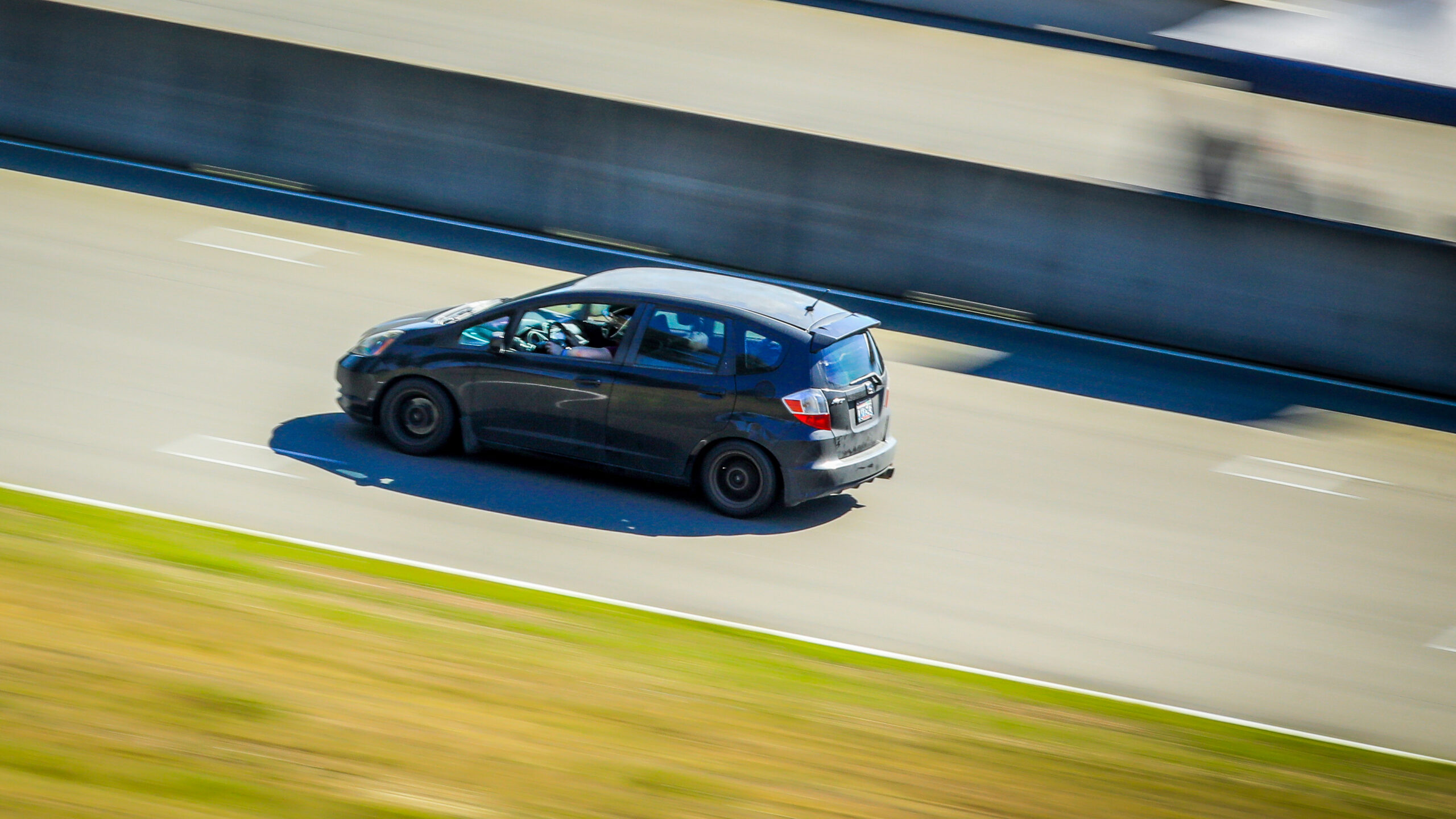
The Honda Fit might surprise you on the track. Though it’s known as a practical city car, it has qualities that make it a fun and capable track vehicle. Its lightweight design and nimble handling give you a unique driving experience that many racers appreciate.
Why Choose Honda Fit For Racing
Are you looking for a track car that’s affordable and easy to maintain? The Honda Fit fits that description perfectly. Its compact size helps you maneuver tight corners with precision, giving you an edge over heavier competitors.
Many drivers find the Fit’s naturally aspirated engine responsive and predictable. This lets you focus on perfecting your driving technique instead of worrying about complex electronics or turbo lag. Plus, parts are widely available and inexpensive, which keeps repair and upgrade costs low.
Have you ever struggled to find a car that balances fun and practicality? The Fit offers that balance, making it an excellent choice for beginners and experienced racers alike.
Key Features For Track Performance
- Lightweight Chassis:The Fit’s light frame improves acceleration and braking, crucial for quick lap times.
- Responsive Steering:Its tight steering ratio allows for sharp cornering and excellent feedback.
- Flexible Suspension:The suspension can be tuned for different track conditions, enhancing grip and stability.
- Fuel Efficiency:While on track, this means fewer pit stops and more time pushing your limits.
- Modular Interior:You can easily remove rear seats to reduce weight and add a roll cage for safety.
What if you could customize a car that’s already well-balanced? The Fit lets you tailor upgrades to your style without breaking the bank. Its versatility is a major plus for anyone serious about track days.
Engine Upgrades
Upgrading the engine of your Honda Fit track car can dramatically change its performance and driving experience. Engine modifications allow you to push the limits of speed and responsiveness, making your track sessions more thrilling. Understanding the different upgrade paths helps you choose the best options for your goals and budget.
Boosting Power Output
Increasing your Honda Fit’s power output starts with tuning the engine to deliver more horsepower and torque. You can achieve this by improving the engine’s breathing and optimizing fuel delivery.
Simple upgrades like installing a high-performance ECU tune can adjust air-fuel ratios and ignition timing for better combustion. Many drivers notice immediate gains in throttle response and mid-range power without heavy modifications.
Forced Induction Options
Adding forced induction, such as a turbocharger or supercharger, is a popular way to significantly boost engine power. These systems compress air into the engine, allowing more fuel to burn and increasing horsepower.
Turbo kits designed specifically for the Honda Fit can push power well beyond stock levels. However, forced induction demands careful supporting mods like upgraded cooling and fuel systems to maintain reliability.
Have you considered how much extra power your Fit’s engine can handle before needing internal reinforcements? This is key to avoiding costly damage down the road.
Exhaust And Intake Improvements
Upgrading your exhaust and intake systems helps your engine breathe easier, improving efficiency and power. A performance exhaust reduces backpressure, letting exhaust gases exit faster.
Meanwhile, a cold air intake pulls cooler, denser air into the engine, which enhances combustion quality. Many Honda Fit track car owners report smoother acceleration and a more aggressive engine sound after these upgrades.
- Choose a cat-back exhaust system for a balance of power and street legality.
- Look for reusable air filters that improve airflow and are easy to maintain.
- Combine intake and exhaust upgrades with a tune to maximize gains.
Suspension And Handling
Suspension and handling are the backbone of any track car, and the Honda Fit is no exception. Upgrading these components transforms the Fit from a practical hatchback into a nimble, responsive machine that hugs corners and delivers confidence on every lap. How your car handles can make or break your track day experience, so it’s crucial to choose the right suspension setup to match your driving style and track conditions.
Coilovers And Springs
Coilovers give you control over ride height, damping, and stiffness, allowing you to fine-tune your Fit’s suspension for sharper turns and better stability. Adjustable coilovers let you dial in the perfect balance between comfort and performance. I found that switching from stock springs to a quality coilover setup immediately improved cornering grip and reduced body roll, making high-speed corners feel more predictable.
Pairing coilovers with progressive springs can help absorb bumps without sacrificing handling. Think about where you drive most: tight, technical tracks benefit from stiffer springs, while smoother circuits can handle a slightly softer setup to maintain grip.
Strut Bars And Chassis Reinforcement
Strut bars stiffen the chassis by connecting suspension mounting points, reducing flex during aggressive cornering. Adding a front or rear strut bar to your Fit can sharpen steering response and improve overall stability. I noticed my car felt more planted and responsive after installing a front strut bar, especially when pushing through tight corners.
Chassis reinforcement isn’t just about strut bars; options like underbody braces and roll cages further reduce chassis flex and improve safety. These upgrades help your Fit maintain alignment under load, so your suspension setup works as intended without losing effectiveness due to chassis flex.
Tire And Wheel Selection
Your tires and wheels are the only contact points between your Fit and the track, so they directly impact handling. Opt for lightweight wheels to reduce unsprung weight, which improves suspension response and acceleration. High-performance tires with sticky rubber compounds increase grip, helping you carry more speed through corners.
Consider the tire width and profile carefully; wider tires offer more contact patch but can affect steering feel and weight distribution. I learned that matching tire choice to your coilover settings maximizes traction and balance. Have you experimented with different tire setups to find what gives your Fit the edge on your favorite track?

Credit: nasaspeed.news
Braking Enhancements
Braking enhancements are vital for a Honda Fit track car. Strong brakes improve safety and lap times. They help the driver control the car better on the track. Upgrades focus on increasing stopping power and heat resistance. These changes prevent brake fade during long sessions. Let’s explore key areas where braking upgrades matter most.
Upgraded Brake Pads And Rotors
Track use demands brake pads that handle high temperatures. Racing pads offer better grip and last longer under stress. They provide consistent stopping power without fading. Upgraded rotors are thicker and made from stronger materials. This improves heat dissipation and reduces warping. Slotted or drilled rotors help remove dust and gas. These features maintain brake performance during hard driving.
Brake Lines And Fluid
Steel braided brake lines replace rubber ones for better feel. They reduce line expansion and deliver firmer pedal response. High-performance brake fluid resists boiling at high heat. This prevents vapor lock and keeps brakes working well. Using the right brake fluid grade matches track demands. Regular fluid changes ensure consistent braking performance.
Heat Management Techniques
Heat buildup causes brake fade and component damage. Cooling ducts direct airflow to brake discs and pads. This lowers temperatures and improves performance. Heat-resistant coatings on rotors protect against corrosion. Some setups use heat shields to protect sensitive parts. Managing heat helps maintain braking power lap after lap.
Weight Reduction Strategies
Cutting down the weight of your Honda Fit track car can make a huge difference in its performance on the track. Less weight means quicker acceleration, sharper handling, and better braking. But it’s not just about removing everything heavy—you need smart strategies that keep the car balanced and safe.
Interior Stripping And Lightweight Components
Start by removing non-essential items inside the car. Take out the rear seats, carpeting, sound deadening materials, and even the glove box if you want to save pounds. You’ll be surprised how much weight these parts add up to.
Next, replace heavy seats with lightweight racing buckets. This switch improves driver support and trims down weight simultaneously. Also, swap out the stock steering wheel for a smaller, lighter one to reduce weight further.
Material Choices For Panels
Switching to lighter materials for body panels can cut significant weight without compromising strength. Carbon fiber or fiberglass hoods and doors are popular options. They offer durability and a sleek look while shaving off pounds.
Consider replacing metal panels with aluminum versions where possible. Aluminum is lighter but still tough enough for the track. Have you checked if your local aftermarket supplier offers these parts? It could be an easy upgrade.
Balancing Weight Distribution
Removing weight isn’t enough if it throws off your car’s balance. You want the front and rear to share the load evenly for optimal handling. That means carefully planning which parts to remove or replace and where to add lightweight components.
Try moving heavy items like the battery closer to the center or rear of the car. This tweak improves cornering and traction. Have you tested your Fit’s weight distribution after modifications? Small shifts can make big differences in lap times.
Credit: www.hagerty.com
Aerodynamics And Exterior Mods
The Honda Fit Track Car benefits greatly from smart aerodynamic and exterior modifications. These changes help the car cut through air with less resistance. They also improve stability and handling at high speeds. Careful design of the exterior parts directs airflow and boosts performance.
Every small detail counts in making the Fit faster and more balanced on the track. The right mods reduce drag and increase downforce, keeping the car glued to the road. Let’s explore the key exterior upgrades that enhance aerodynamics.
Spoilers And Splitters
Spoilers help control airflow around the car. They reduce lift by pushing the rear tires down. This improves traction during fast corners. Splitters, placed at the front, stop air from going under the car. This reduces lift and increases front-end grip.
- Spoilers add stability on straightaways and curves.
- Splitters improve steering response and balance.
- Both parts reduce drag, helping top speed.
Body Kits For Downforce
Body kits change the shape of the car to boost downforce. Side skirts stop air from flowing under the car’s sides. Rear diffusers manage airflow leaving the car, creating a suction effect. This pulls the car closer to the track surface.
- Improved downforce means better tire contact.
- Enhanced cornering speeds and braking power.
- Body kits also give the car an aggressive look.
Cooling And Airflow Management
Track driving heats the engine and brakes quickly. Cooling vents and ducts guide air to hot parts. This keeps temperatures safe and prevents power loss. Proper airflow management also reduces drag by smoothing air movement.
- Front vents cool brakes for better stopping power.
- Side ducts direct air to the engine bay.
- Well-placed vents balance cooling and aerodynamics.
Tuning And Electronics
The Honda Fit Track Car offers a great platform for tuning and electronic upgrades. These enhancements help improve performance and driver control. The car’s lightweight design pairs well with smart electronic tuning. Adjusting the electronics can fine-tune engine behavior and monitor key systems. This section covers important tuning and electronic options for the Fit Track Car.
Ecu Remapping And Custom Tuning
The Engine Control Unit (ECU) controls fuel, ignition, and timing. Remapping the ECU lets you adjust these settings for better power and response. Custom tuning tailors the engine to specific track needs. It improves throttle response and torque delivery. ECU remapping also helps optimize fuel efficiency under racing conditions. Many tuners offer software for safe, track-focused remaps. This process unleashes hidden potential in the Honda Fit engine.
Data Logging And Performance Monitoring
Data logging tracks engine and vehicle performance in real time. Sensors collect data on speed, RPM, throttle position, and more. Reviewing this data helps identify areas for improvement. Performance monitoring tools alert drivers to overheating or mechanical issues early. This reduces the risk of breakdowns during a race. Some systems display live data on dashboards or smartphones. Effective data logging supports precise tuning and consistent track performance.
Aftermarket Gauges And Controls
Standard gauges may not show all vital information for track racing. Aftermarket gauges provide detailed readings for boost, oil pressure, and exhaust temperature. These help drivers monitor engine health closely. Additional controls, like adjustable boost controllers or traction control switches, give fine control over the car. These upgrades improve safety and enhance driving confidence. Installing clear, reliable gauges is key to a well-prepared Honda Fit Track Car.

Credit: www.hagerty.com
Safety Upgrades
Safety upgrades are crucial for any Honda Fit track car. They protect the driver during high-speed runs and sharp turns. These enhancements reduce injury risk and improve confidence on the track.
Track racing pushes a car to its limits. Without proper safety gear, accidents can be severe. Every safety upgrade adds a layer of protection that matters on the track.
Roll Cages And Harnesses
Roll cages strengthen the car’s frame to prevent collapse during crashes. They create a protective shell around the driver. Made from steel tubing, roll cages absorb impact forces effectively.
Harnesses secure the driver firmly in the seat. They reduce movement during sudden stops or spins. A 5-point or 6-point harness offers better restraint than a standard seatbelt.
Fire Suppression Systems
Fire suppression systems stop fires quickly in case of fuel leaks or crashes. They spray a special agent that cools flames and cuts oxygen supply. Installing one increases safety and protects the car’s interior.
These systems often include nozzles placed near the engine and fuel tank. Activation can be manual or automatic, ensuring fast response times.
Helmet And Driver Gear
Wearing a helmet is mandatory for track safety. It shields the head from impact and flying debris. Choose helmets certified by safety organizations for best protection.
Driver gear includes fire-resistant suits, gloves, and shoes. These items protect against burns and abrasions. Proper gear enhances comfort and focus during racing.
Track Day Preparation
Preparing a Honda Fit for track day demands careful attention. This small car can perform well on the track with proper preparation. Ensuring the car is safe and ready helps improve lap times and driver confidence.
Track day preparation involves checking the car thoroughly, honing driver skills, and maintaining the vehicle between runs. Each step plays a key role in achieving a smooth and enjoyable track experience.
Pre-race Inspection Checklist
- Check tire pressure and tread for grip and safety.
- Inspect brakes for wear and fluid levels.
- Verify all fluid levels: oil, coolant, and brake fluid.
- Ensure suspension components are tight and functional.
- Test steering for any play or unusual noises.
- Secure all loose items inside and outside the car.
- Confirm battery and electrical connections are solid.
Driver Training Tips
- Practice smooth steering and braking to maintain control.
- Learn the racing line for each track corner.
- Focus on consistent lap times instead of speed alone.
- Use proper seating position for better car feel.
- Develop good throttle control to avoid wheel spin.
- Stay calm and focused to react quickly on track.
Maintenance Between Runs
- Allow brakes to cool to prevent fade or damage.
- Check tire temperatures and adjust pressure if needed.
- Inspect oil and coolant levels for any drops.
- Look for leaks or loose parts after each session.
- Clean debris from radiators and brake ducts.
- Reset data loggers or timers for accurate tracking.
Budgeting Your Build
Budgeting your Honda Fit track car build can make or break your project. Knowing where to spend and where to save keeps your build on track without emptying your wallet. The key is balancing upgrades that deliver real gains while managing costs smartly.
Cost Breakdown Of Upgrades
Start by listing the major upgrades you want—suspension, brakes, tires, and engine tweaks usually top the list.
| Upgrade | Estimated Cost Range | Purpose |
|---|---|---|
| Suspension (coilovers, sway bars) | $800 – $2,000 | Improves handling and stability |
| Brakes (pads, rotors, calipers) | $400 – $1,200 | Enhances stopping power |
| Tires (performance tires) | $600 – $1,200 | Better grip and cornering |
| Engine tuning & intake | $500 – $1,500 | Boosts power output |
| Safety gear (roll cage, harness) | $1,000 – $3,000 | Tracks requirements and driver protection |
Seeing these numbers upfront helps you prioritize and avoid surprises. What upgrade will give you the biggest bang for your buck?
Finding Quality Used Parts
Used parts can save you hundreds, sometimes thousands, if you know where to look. Forums, local car meets, and online marketplaces are gold mines for decent-condition components.
Always ask for detailed photos and history. If possible, test-fit or inspect parts in person before buying.
Buying used does carry risks, but many builders swear by it. Have you reached out to your local Honda Fit community yet?
Balancing Performance And Expense
Maxing out every upgrade isn’t always the smartest move. Sometimes, a moderate suspension paired with good tires can outperform a full race setup on a tight budget.
Think about your track goals and driving style. Are you aiming for lap times or just weekend fun? This focus will guide your spending.
Remember, the best build is the one you can afford to finish and maintain. What compromises are you willing to make to keep your budget in check?
Frequently Asked Questions
What Makes The Honda Fit Ideal For A Track Car?
The Honda Fit offers a lightweight design and agile handling. Its compact size ensures quick cornering, making it perfect for track use. Modifications enhance its performance further, boosting speed and control on the race track.
How Much Does It Cost To Build A Honda Fit Track Car?
Building a Honda Fit track car can cost between $5,000 to $20,000. Costs vary based on parts, upgrades, and labor. Budget-friendly builds focus on suspension and safety, while full race setups include engine tuning and roll cages.
What Upgrades Improve Honda Fit Track Performance?
Key upgrades include suspension kits, performance tires, and brake enhancements. Engine tuning and weight reduction also boost speed and handling. Safety equipment like roll cages and racing seats improve driver protection and track readiness.
Is The Honda Fit Reliable For Track Racing?
Yes, the Honda Fit is reliable due to its durable engine and solid build. Regular maintenance and quality upgrades ensure consistent performance. Its reliability makes it a favorite among amateur track racers.
Conclusion
Transforming a Honda Fit into a track car is exciting and rewarding. It’s compact, light, and agile. Perfect for racing enthusiasts on a budget. With some modifications, it delivers impressive performance. Think suspension upgrades, better tires, and improved brakes. These changes enhance handling and speed.
Safety is crucial, so consider roll cages and harnesses. A Honda Fit track car is unique and fun. It offers thrilling experiences without breaking the bank. Whether you’re racing for fun or competition, it’s a great choice. Start your journey with a Honda Fit and enjoy the track!







