
Are you tired of skipping workouts because you can’t make it to the gym? What if you could get a full, effective workout right in your own home?
A home gym workout routine can save you time, money, and stress—while helping you build strength and stay fit. In this post, you’ll discover simple steps to create a routine that fits your space, your schedule, and your goals. Keep reading to unlock the secrets to making your home workouts something you actually look forward to.
Your best fitness journey starts here.
Benefits Of A Home Gym
Setting up a home gym can change how you approach fitness every day. It offers more than just a place to exercise—it creates a convenient, personalized space that fits your lifestyle perfectly. You might find yourself more motivated and consistent when your workout area is just steps away.
Convenience And Time Savings
One of the biggest benefits of a home gym is how much time you save. No more commuting to the gym or waiting for machines to free up. You can squeeze in workouts whenever you want—early morning, late night, or even between tasks at home.
Have you noticed how skipping travel time could add up to extra workouts each week? That’s real progress.
Cost-effective Over Time
While setting up your home gym might require an initial investment, it often pays off in the long run. Gym memberships, travel expenses, and extra gear purchases add up quickly. At home, you control what equipment you buy and how you use it.
Think about how much you spend monthly on fitness outside. Could that money build your own space instead?
Privacy And Comfort
Working out at home means no distractions or feeling self-conscious. You can focus fully on your routine without worrying about others watching or judging. It also allows you to play your favorite music or take breaks whenever you need.
Have you ever felt more relaxed exercising alone? That comfort can boost your performance.
Customizable Workout Environment
Your home gym can be tailored to fit your exact preferences and goals. Whether you want free weights, a treadmill, yoga mats, or resistance bands, you decide what to include. This control lets you create the perfect setup for your workout style.
Imagine a space that motivates you every day because it’s built around your needs.
Encourages Consistency And Habit Building
Having a dedicated workout area at home reduces excuses. When your gym is always ready, it’s easier to stick to your routine. Over time, this builds strong habits that support your health and fitness goals.
What small changes can you make today to keep your fitness routine steady?
Essential Equipment For Home Workouts
Creating an effective home gym requires the right equipment. The essential tools help you build strength, improve flexibility, and stay active. You do not need a lot of space or expensive machines. A few key items can make your workouts productive and enjoyable. Choose equipment based on your fitness goals and available space.
Resistance Bands
Resistance bands are versatile and affordable. They come in different strengths. Use them for strength training and stretching. They are easy to store and carry. Bands add resistance without heavy weights. Great for all fitness levels.
Adjustable Dumbbells
Adjustable dumbbells save space and money. Change the weight quickly during workouts. Perfect for strength training and muscle toning. They suit beginners and advanced users. Dumbbells allow many exercise variations.
Yoga Mat
A yoga mat provides comfort and support. Use it for floor exercises and stretching. It protects your joints from hard surfaces. Mats improve balance and stability. Choose a non-slip, cushioned mat for safety.
Jump Rope
A jump rope is excellent for cardio exercise. It improves coordination and burns calories fast. Jump ropes are affordable and take little space. Suitable for quick workouts and warm-ups. Helps increase endurance and agility.
Stability Ball
A stability ball enhances core strength and balance. Use it for various exercises and stretches. It supports proper posture during workouts. Balls come in different sizes for comfort. Ideal for beginners and advanced fitness levels.
Creating A Dedicated Workout Space
Creating a dedicated workout space at home is more than just setting aside a corner. It’s about designing an area that motivates you to stick with your routine day after day. The right space can make your workouts feel like a priority rather than a chore.
Choosing The Right Location
Pick a spot that you can access easily and won’t disturb others. Basements, spare bedrooms, or even a quiet section of your living room can work well.
Think about natural light and ventilation to keep the space fresh and inviting. Have you noticed how much better you feel exercising in a bright, airy room?
Selecting Essential Equipment
Start with basics that fit your workout style and available space. Dumbbells, resistance bands, and a yoga mat can cover most exercise needs without crowding the room.
Don’t overload your space with equipment you rarely use. Focusing on a few versatile tools keeps your area neat and functional.
Keeping The Space Organized
Storage solutions like shelves, hooks, or bins keep equipment off the floor and easy to find. A clutter-free area helps you focus and reduces the risk of injury.
Try to put your gear back in place after each session. Building this small habit makes your workout space ready and welcoming every time you enter.
Adding Personal Touches
Include items that inspire you, such as motivational posters, plants, or your favorite workout playlist. These simple additions can boost your mood and energy.
Have you ever noticed how a few personal touches can turn a dull room into a space you actually look forward to using?
Designing An Effective Workout Routine
Creating a home gym workout routine that truly works means thinking carefully about how each part of your fitness journey fits together. You want a plan that keeps you motivated and helps you improve without causing burnout or injury. Let’s break down the key elements that make a workout routine effective and sustainable.
Setting Fitness Goals
Start by defining what you want to achieve. Are you aiming to lose weight, build muscle, increase endurance, or simply stay active? Clear goals give your workout direction and purpose.
Write down specific targets like “run 3 miles without stopping” or “do 10 push-ups in a row.” These goals help you measure progress and stay motivated.
Think about how much time you can realistically dedicate each week. Setting achievable goals prevents frustration and keeps your routine consistent.
Balancing Cardio And Strength Training
Both cardio and strength exercises have unique benefits, so your routine should include a mix of both. Cardio improves heart health and burns calories, while strength training builds muscle and boosts metabolism.
Try alternating days or combining them in one session—for example, 20 minutes of jogging followed by 20 minutes of weightlifting. This keeps your workouts varied and effective.
Ask yourself: Are you giving equal attention to both areas, or is one dominating? Adjust your routine to cover all bases for well-rounded fitness.
Incorporating Flexibility And Mobility
Flexibility and mobility exercises often get overlooked, but they are crucial for preventing injury and improving overall movement. Stretching after workouts and adding mobility drills can keep your body agile.
Simple moves like yoga stretches or foam rolling can make a big difference in how you feel during and after exercise. They also help your muscles recover faster.
Consider dedicating a few minutes before and after your workouts to these exercises. How often do you check in with your body’s flexibility? This small habit can transform your fitness journey.
Sample Weekly Workout Plan
Creating a weekly workout plan helps you stay consistent and balanced. It targets different muscle groups and energy systems. This approach improves strength, endurance, and recovery.
Below is a sample weekly workout plan for your home gym. It combines strength, cardio, core, and rest days. Each day focuses on specific goals to maximize results.
Day 1: Full-body Strength
Start with a full-body strength session to engage all major muscles. Use bodyweight exercises or dumbbells if available. Include squats, push-ups, lunges, and planks. Aim for 3 sets of 10-12 reps each.
Day 2: Cardio And Core
Focus on cardiovascular fitness and core strength today. Perform 20-30 minutes of cardio like jumping jacks or running in place. Follow with core exercises such as crunches, leg raises, and Russian twists.
Day 3: Active Recovery
Allow your body to recover with light activities. Try yoga, stretching, or a gentle walk. This helps reduce muscle soreness and improves flexibility. Keep the intensity low to promote healing.
Day 4: Upper Body Focus
Target upper body muscles with exercises like push-ups, dumbbell rows, and shoulder presses. Perform 3 sets of 10-15 reps. Include arm and back workouts to build strength and tone.
Day 5: Lower Body Focus
Concentrate on legs and glutes. Use squats, lunges, glute bridges, and calf raises. Complete 3 sets of 12-15 reps. This boosts lower body strength and endurance.
Day 6: High-intensity Interval Training
Push your limits with HIIT workouts. Alternate between 30 seconds of intense exercise and 30 seconds of rest. Exercises can include burpees, mountain climbers, and jump squats. Repeat for 15-20 minutes.
Day 7: Rest And Relaxation
Take a full rest day. Let your muscles recover and rebuild. Focus on hydration, nutrition, and sleep. Use this time to relax and prepare for the next week.

Credit: darebee.com
Nutrition Tips For Optimal Results
Nutrition plays a crucial role in getting the most out of your home gym workouts. Without the right fuel, your body can’t perform at its best, and recovery slows down. Adjusting what you eat can make a big difference in how quickly you see results and how you feel during exercise.
Understanding Your Macronutrient Needs
Proteins, carbs, and fats each serve different purposes in your workout routine. Protein helps repair and build muscles after tough sessions. Carbs provide the energy you need to push through workouts, while fats support long-term energy and hormone balance.
Think about what you eat before and after workouts. A balanced meal with protein and carbs before exercise can boost your energy. After your session, focus on protein and some carbs to help muscles recover quickly.
Hydration And Its Impact On Performance
Water is often overlooked but essential for workout success. Dehydration can make you feel weak and reduce your endurance. Drinking water throughout the day and during workouts keeps your muscles working efficiently.
Try to sip water regularly, not just when you’re thirsty. You might be surprised how much better your workouts feel when you stay properly hydrated.
Timing Your Meals For Maximum Effect
When you eat can be just as important as what you eat. Eating a small meal or snack 30 to 60 minutes before your workout can prevent low energy. After your session, eat within an hour to help muscles recover and grow stronger.
Have you noticed a difference in your energy levels based on when you eat? Experiment with timing to find what works best for you.
Choosing Whole Foods Over Processed Snacks
Whole foods like fruits, vegetables, lean meats, and whole grains give your body the nutrients it really needs. Processed snacks often contain empty calories that don’t support your fitness goals. Focus on natural foods to fuel your workouts and recovery.
Next time you reach for a snack, ask yourself if it’s helping your progress or holding you back. Small changes here can have a big impact on your energy and results.
Tracking Progress And Staying Motivated
Tracking your progress and staying motivated are key to making your home gym workout routine effective and enjoyable. Without clear markers of improvement, it’s easy to lose interest or feel stuck. By keeping track and celebrating small wins, you build momentum that pushes you forward.
Keeping A Workout Journal
Write down your workouts, weights, reps, and how you feel after each session. This simple habit shows you how far you’ve come and highlights areas to improve. When I started logging my workouts, I noticed steady progress that kept me motivated during tough weeks.
Use a notebook or a digital app—whatever feels easiest. Seeing numbers change, even slightly, can be a powerful motivator to stick with your routine.
Setting Realistic And Specific Goals
Goals give your workouts purpose. Instead of vague aims like “get fit,” try setting clear targets such as “do 15 push-ups in a row” or “hold a plank for 60 seconds.”
Breaking down big goals into smaller milestones makes it easier to track progress and celebrate achievements. Have you set goals that excite you and feel within reach?
Using Visual Progress Tools
Photos and charts are great for visual feedback. Take pictures every few weeks to notice physical changes you might miss day-to-day.
Create a progress chart to log your workouts or strength improvements. This visual evidence can boost your confidence and remind you why you started.
Rewarding Yourself For Milestones
Motivation fades without rewards. Plan small treats for hitting your goals, like a new workout outfit or a relaxing day off.
These incentives make the journey enjoyable and reinforce positive behavior. What reward would make your next milestone feel truly special?
Finding A Support System
Even at home, you don’t have to go solo. Share your goals with a friend or join online fitness communities.
Support and encouragement from others can keep you accountable and motivated. Have you found someone to cheer on your home gym journey?

Credit: www.majorfitness.com
Overcoming Common Home Workout Challenges
Working out at home comes with unique challenges. Many people struggle with distractions, lack of space, and staying motivated. These problems can stop progress quickly. Understanding common hurdles helps create solutions. Small changes bring big results. Let’s explore ways to overcome these obstacles and keep your home workouts effective and enjoyable.
Designate a specific area for exercise only. This helps your mind switch to workout mode. It reduces distractions and keeps equipment organized. Even a small corner works well. Make sure the space is clean and free from clutter. Good lighting and ventilation improve your workout mood.
Staying Motivated Without A Trainer
Set clear, simple goals to track progress. Use a workout journal or app to record achievements. Mix exercises to avoid boredom. Try online classes or videos for guidance. Reward yourself after reaching milestones. Share your journey with friends for support.
Dealing With Limited Equipment
Use bodyweight exercises like push-ups, squats, and planks. Household items can replace weights, such as water bottles or backpacks. Resistance bands are affordable and versatile. Focus on form and control to maximize benefits. Regularly change routines to challenge your muscles.
Managing Time Effectively
Schedule workouts like important appointments. Short sessions of 20-30 minutes are effective. Use high-intensity interval training (HIIT) for quick results. Prepare clothes and equipment in advance. Combine workouts with daily tasks, such as stretching during breaks.
Adapting Workouts For Different Fitness Levels
Adapting your home gym workout routine to match your fitness level helps you stay motivated and avoid injury. Beginners need easier exercises and slower progress. Advanced exercisers require more challenge to keep improving. Adjusting workouts boosts results and keeps sessions enjoyable.
Assessing Your Current Fitness Level
Start by understanding your strength and stamina. Try simple tests like how many push-ups or squats you can do. Note how long you can keep moving without getting too tired. This helps pick exercises that suit your body today.
Modifying Exercises For Beginners
Choose low-impact moves that build basic strength. Use body weight instead of heavy weights. Perform fewer repetitions and sets. Rest longer between exercises. Focus on correct form to prevent injuries. Gradually increase difficulty as you gain confidence.
Challenging Intermediate Workouts
Add moderate weights or resistance bands. Increase reps and sets slightly. Try circuit training to raise heart rate. Mix strength and cardio exercises. Shorten rest times for more intensity. Track progress to know when to advance further.
Intensifying Routines For Advanced Fitness
Use heavier weights or complex movements. Include explosive exercises like jump squats or burpees. Add supersets or drop sets to tire muscles. Push limits but listen to your body. Incorporate variety to avoid plateaus and boredom.
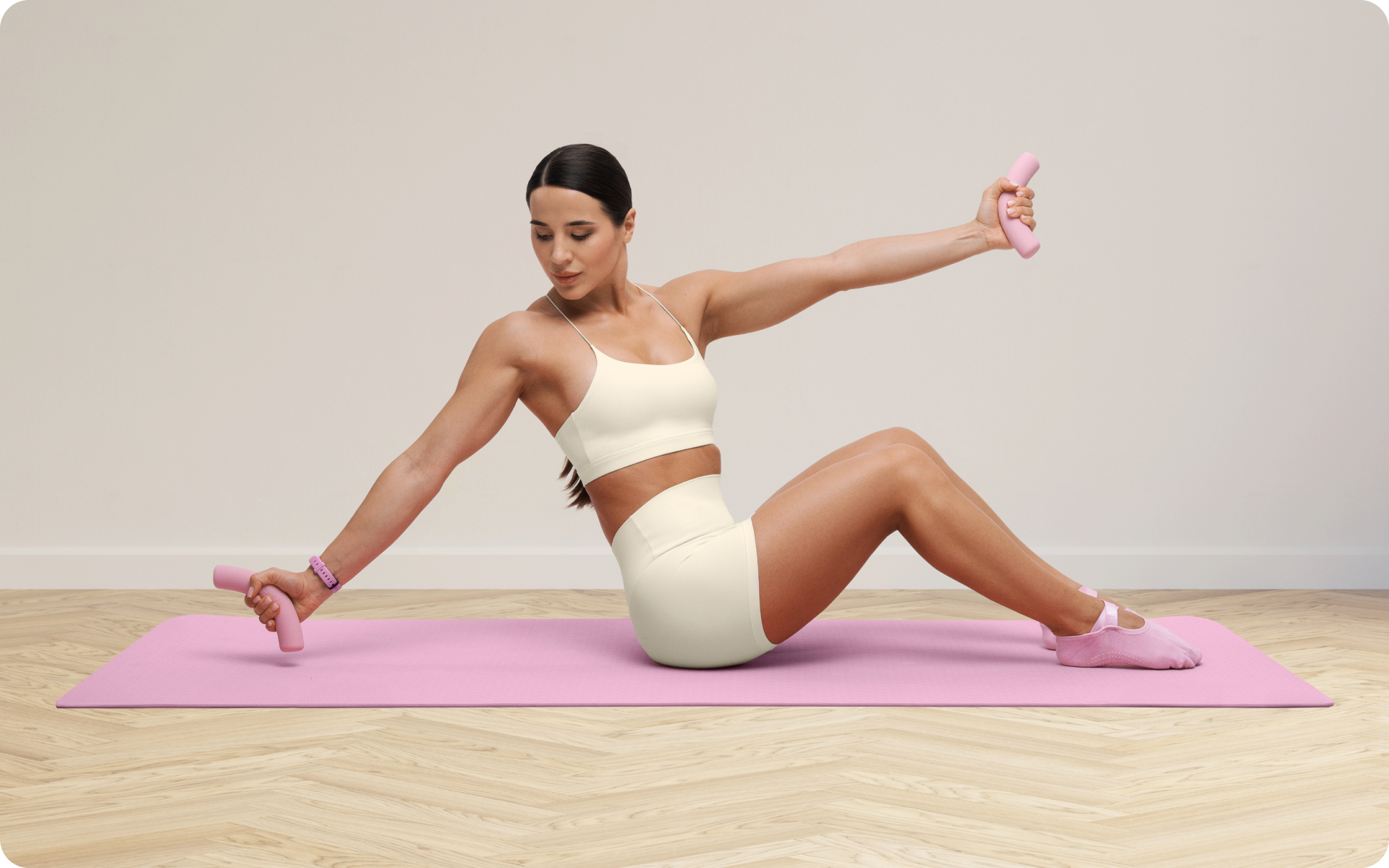
Using Equipment To Scale Workouts
- Resistance bands for adjustable tension
- Dumbbells for varying weight levels
- Stability balls to engage core muscles
- Step platforms to increase cardio intensity
Choose tools that fit your fitness level and goals. Swap or combine equipment for balanced workouts.
Credit: betterme.world
Frequently Asked Questions
What Equipment Is Essential For A Home Gym Workout Routine?
Basic equipment includes dumbbells, resistance bands, a yoga mat, and a stability ball. These tools allow diverse exercises targeting strength, flexibility, and balance. They are affordable, space-saving, and effective for full-body workouts at home.
How Often Should I Do A Home Gym Workout Routine?
Aim for 3 to 5 sessions per week. Consistency is key for progress and fitness gains. Each workout should last 30 to 60 minutes, balancing cardio, strength, and flexibility exercises for best results.
Can I Build Muscle Effectively With A Home Gym Routine?
Yes, with proper resistance training using weights or bands, you can build muscle. Progressive overload and balanced nutrition are crucial. Bodyweight exercises also help tone and strengthen muscles without heavy equipment.
How Do I Stay Motivated For Home Gym Workouts?
Set clear goals, track progress, and vary your routine to avoid boredom. Create a dedicated workout space and schedule sessions like appointments. Listening to music or following virtual classes boosts motivation.
Conclusion
Creating a home gym workout routine helps you stay fit and healthy. Small steps each day lead to big results. Consistency matters more than intensity or fancy equipment. Choose exercises you enjoy and can do safely. Track your progress to stay motivated and focused.
A simple routine fits any schedule and space. Remember, your health is worth the effort. Start today, and feel stronger tomorrow.







