
Are you ready to take control of your fitness without leaving your house? A home gym workout plan can help you build strength, boost energy, and feel great—all on your own schedule.
Imagine having a clear, simple routine that fits your space and your goals. This guide will show you exactly how to create a workout plan that keeps you motivated and delivers real results. Keep reading, and discover how easy it can be to transform your home into the ultimate fitness zone just for you.
Benefits Of A Home Gym
Creating a home gym offers many benefits that improve workout habits. It changes how you exercise and fits your lifestyle. A home gym saves money, adds comfort, and gives freedom to work out anytime.
Cost Savings Compared To Gym Memberships
Buying equipment once costs less than monthly gym fees. No travel expenses or parking fees add to savings. You keep control over spending and avoid surprise charges. Investing in a home gym pays off over time.
Convenience And Flexibility
Work out anytime without schedule limits. No waiting for machines or classes frees your time. You create your own routine that fits your day. This ease helps build a consistent exercise habit.
Privacy And Comfort
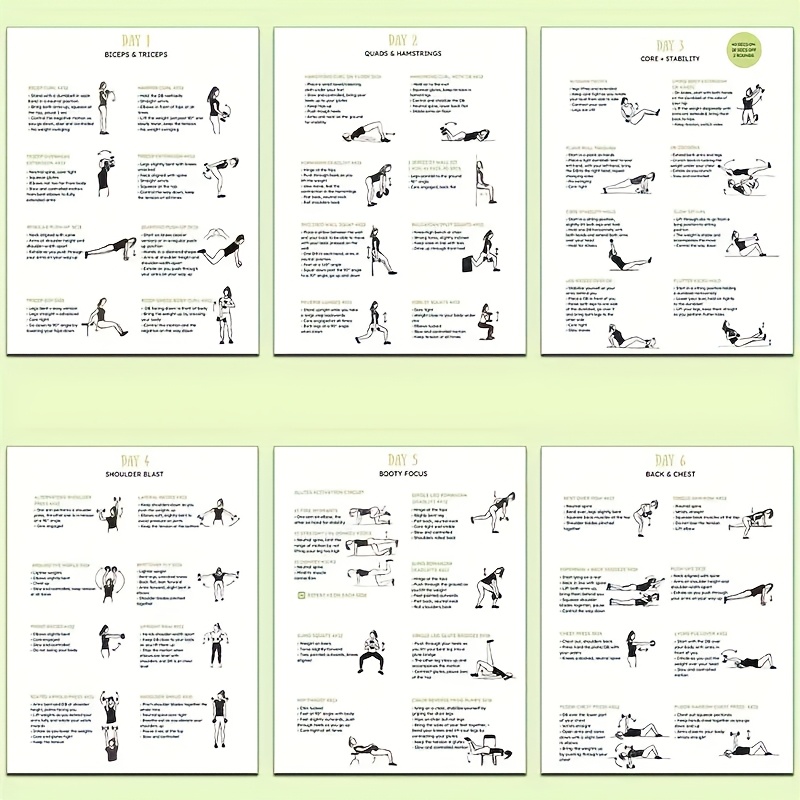
Exercise in a private space without feeling watched. No crowds or noise make workouts more relaxing. Dress how you want and take breaks easily. The comfort of home motivates regular training sessions.
Credit: www.temu.com
Essential Equipment For Home Workouts
Basic gear like dumbbells, resistance bands, and a yoga mat make home workouts easy and effective. These tools fit small spaces and help build strength and flexibility. A simple setup keeps you motivated and consistent in your fitness routine.
Creating a home gym workout plan can be both exciting and challenging. Selecting the right equipment is crucial to ensure your workouts are effective and enjoyable. Whether you’re limited on space or on a budget, investing in the right essentials can make all the difference. Let’s dive into the must-have equipment for your home workouts.Free Weights And Resistance Bands
Free weights like dumbbells and kettlebells are incredibly versatile. They allow you to perform a wide range of exercises targeting different muscle groups. If you’re just starting out, adjustable dumbbells can save both space and money. Resistance bands are another fantastic option. They’re affordable, space-saving, and perfect for adding variety to your workout. They also offer varying levels of resistance, making them suitable for all fitness levels.Cardio Machines And Alternatives
If you have the space, a treadmill or stationary bike can be a great addition. They provide excellent cardio workouts and can be used regardless of the weather outside. However, these machines can be expensive and bulky. Consider alternatives like jump ropes or step platforms. They offer great cardio benefits and are much easier on the wallet. Plus, they can be easily stored away when not in use.Storage Solutions And Space Optimization
A cluttered workout space can be discouraging. Use storage solutions like wall-mounted racks or under-bed storage boxes to keep your equipment organized. This also helps in optimizing the space, making your home gym more inviting. Think about multipurpose furniture or foldable equipment. These can double as workout aids and home decor, blending seamlessly into your living space. How can you creatively use your space to fit your fitness needs?Designing Your Workout Plan
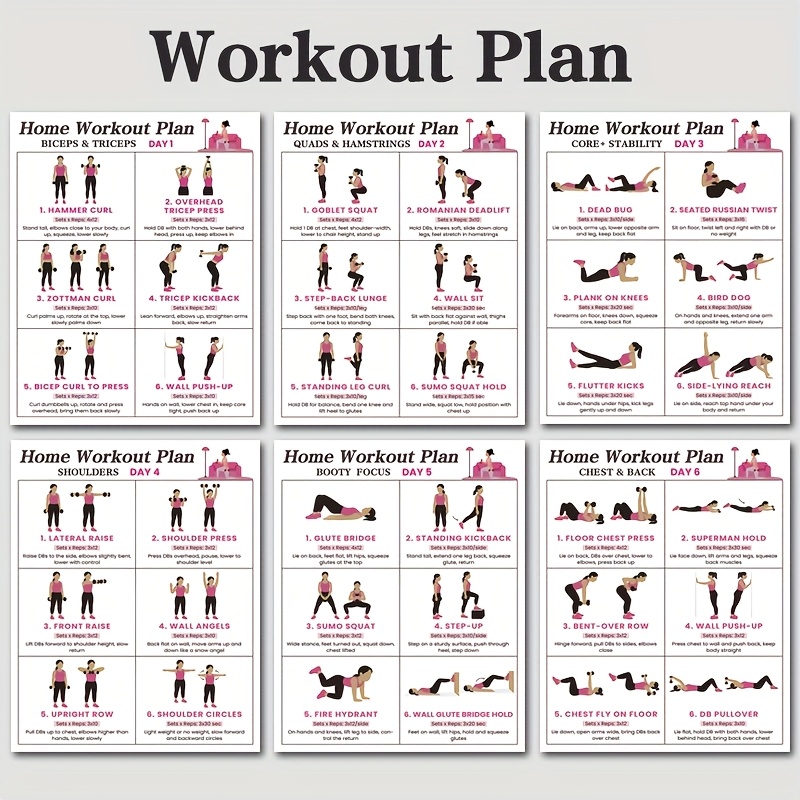
Designing your home gym workout plan sets the path for success. A clear plan helps keep focus and motivates progress. Tailoring workouts to fit your needs saves time and avoids frustration. This section guides you through building a balanced and doable routine that fits your lifestyle.
Setting Realistic Fitness Goals
Start with simple and clear goals. Think about what you want to achieve, like losing weight, gaining strength, or improving endurance. Set targets that match your current fitness level. Small goals build confidence and keep you moving forward. Write down your goals to track progress and stay motivated.
Balancing Cardio And Strength Training
Include both cardio and strength exercises for a full-body workout. Cardio improves heart health and burns calories. Strength training builds muscle and tones the body. Aim for at least 150 minutes of moderate cardio each week. Add two to three strength sessions targeting different muscle groups. Vary exercises to avoid boredom and injury.
Scheduling Workouts For Consistency
Create a workout schedule that fits your daily routine. Pick specific days and times to exercise. Consistency helps form a lasting habit. Mix workout types to keep energy high. Include rest days for recovery and injury prevention. Use a calendar or app to remind you and track your workouts.
Credit: www.temu.com
Effective Home Workout Routines
Effective home workout routines save time and boost fitness. They fit into busy schedules. These routines use simple exercises and little or no equipment. Each workout targets multiple muscle groups. Consistency helps build strength, endurance, and flexibility.
Choosing the right routine depends on your goals and fitness level. Mixing different workouts prevents boredom and plateaus. This section explores popular, effective home workout routines anyone can try.
Full-body Workouts For Beginners
Full-body workouts train all major muscle groups in one session. They improve overall strength and coordination. Beginners benefit from basic moves like:
- Bodyweight squats
- Push-ups
- Plank holds
- Glute bridges
- Jumping jacks
Perform each exercise for 30 seconds, rest 15 seconds, repeat 2-3 rounds. This routine builds a solid foundation without overwhelming the body.
High-intensity Interval Training (hiit)
HIIT alternates short bursts of intense effort with rest. It boosts metabolism and burns fat fast. Try exercises like:
- Burpees
- Mountain climbers
- High knees
- Jump squats
Work hard for 20-40 seconds, rest 10-20 seconds, repeat 4-6 cycles. HIIT sessions last 15-20 minutes, perfect for tight schedules.
Strength Training For Muscle Building
Strength training increases muscle mass and tones the body. Use dumbbells, resistance bands, or bodyweight. Key exercises include:
- Bicep curls
- Tricep dips
- Lunges
- Deadlifts
- Push-ups
Perform 3 sets of 8-12 repetitions for each exercise. Rest 30-60 seconds between sets. Gradually increase weight or reps for steady progress.
Nutrition Tips For Faster Results
Nutrition plays a crucial role in speeding up your progress with a home gym workout plan. Without the right fuel, your body cannot perform at its best or recover properly. Paying attention to what you eat can make a noticeable difference in how quickly you see results.
Balanced Diet Essentials
A balanced diet is the foundation of any effective workout plan. Focus on eating a variety of foods that provide protein, carbohydrates, and healthy fats.
- Protein:Supports muscle repair and growth. Include sources like chicken, beans, tofu, or fish.
- Carbohydrates:Provide energy for your workouts. Choose whole grains, fruits, and vegetables.
- Healthy fats:Help with hormone production and overall health. Think avocados, nuts, and olive oil.
Have you noticed how skipping meals or eating only one type of food affects your energy during workouts? Balancing your meals keeps you energized and ready to push harder.
Pre- And Post-workout Nutrition
What you eat before and after your workout can change how well you perform and recover. A small meal or snack before exercise should combine carbs and protein to give you energy and protect your muscles.
- Try a banana with peanut butter or yogurt with berries about 30-60 minutes before training.
After working out, your body needs nutrients to repair muscles and replenish energy stores. Aim to eat a meal rich in protein and carbs within two hours of finishing your workout.
- Grilled chicken with quinoa and vegetables is a great option.
- A smoothie with protein powder, fruit, and spinach works well too.
Hydration Strategies
Hydration is often overlooked but is key to getting faster results. Water helps transport nutrients and keeps your muscles working efficiently.
Drink water throughout the day, not just during your workout. Thirst can be a late sign of dehydration, so stay ahead by sipping regularly.
- Consider drinking 16-20 ounces of water 1-2 hours before exercise.
- Keep a water bottle nearby during your workout and take small sips often.
- If you sweat a lot or exercise longer than an hour, adding an electrolyte drink can help replace lost minerals.
Have you tracked your water intake during workouts? You might find your energy and endurance improve simply by drinking more.
Tracking Progress And Staying Motivated
Tracking your progress and staying motivated are key to making your home gym workout plan successful. Without clear markers of improvement, it’s easy to lose sight of how far you’ve come. Keeping motivation high can be challenging, but with the right tools and mindset, you can maintain steady momentum and reach your fitness goals.
Using Fitness Apps And Journals
Fitness apps offer a simple way to log workouts, track calories, and monitor your body metrics over time. Many apps provide visual progress charts that make improvements clear, which can boost your motivation to keep going.
If apps aren’t your style, a workout journal works just as well. Writing down your exercises, weights, sets, and reps helps you stay accountable and identify patterns. Reflecting on your entries can reveal what works best and where you need to push harder.
Setting Milestones And Rewards
Breaking your big fitness goal into smaller milestones keeps you focused and energized. For instance, set a target to add 5 more push-ups or run an extra five minutes every two weeks.
Pair each milestone with a reward that feels meaningful to you. It could be a new workout outfit, a relaxing massage, or a cheat meal. These rewards create positive associations and make your journey enjoyable.
Overcoming Common Challenges
Stuck in a workout rut? It happens to everyone. Changing your routine or trying new exercises can spark excitement and prevent boredom.
Another challenge is time management. If you struggle to find time, try shorter, high-intensity workouts that fit easily into your day. What’s one small change you can make to your schedule to prioritize fitness?
Lastly, don’t ignore mental blocks. Sometimes motivation dips because you’re tired or stressed. Acknowledge these feelings and remind yourself why you started. Taking a day off or doing a light activity can help you come back stronger.
Safety Tips For Home Workouts
Working out at home offers flexibility and comfort. Safety must be a priority to avoid injuries and get the best results. Following simple safety tips can protect your body and keep your workouts effective.
Proper Form And Technique
Using the correct form ensures exercises work the right muscles. It also prevents strain on joints and ligaments. Start with lighter weights or no weights to practice movements. Watch tutorials or use a mirror to check your posture. Avoid rushing through exercises to maintain control.
Warm-up And Cool-down Practices
Warming up prepares your muscles and heart for exercise. Spend 5 to 10 minutes doing light cardio or dynamic stretches. Cooling down helps your body recover and reduces soreness. End with gentle stretches focusing on muscles worked during the session. These steps improve flexibility and reduce injury risks.
Preventing Injuries
- Clear your workout space from obstacles and hazards.
- Wear proper footwear to support your feet.
- Stay hydrated before, during, and after exercise.
- Listen to your body and stop if you feel pain.
- Gradually increase workout intensity and duration.
- Rest between sessions to allow muscle recovery.

Credit: www.amazon.ca
Frequently Asked Questions
What Equipment Is Essential For A Home Gym Workout Plan?
Basic equipment includes dumbbells, resistance bands, a yoga mat, and a stability ball. These tools allow versatile workouts targeting all muscle groups effectively at home.
How Often Should I Follow A Home Gym Workout Routine?
Aim for 3 to 5 sessions per week. Consistency helps build strength, endurance, and overall fitness without overtraining or injury risk.
Can I Build Muscle Using Only Bodyweight Exercises?
Yes, bodyweight workouts can build muscle by increasing reps, sets, and exercise difficulty progressively. They improve strength and endurance efficiently.
How Do I Stay Motivated With A Home Gym Workout Plan?
Set clear goals, track progress, and vary exercises regularly. Creating a dedicated workout space also boosts motivation and consistency.
Conclusion
Creating a home gym workout plan helps you stay fit and healthy. It saves time and money by exercising at home. You can choose exercises that suit your goals and space. Consistency is key to seeing progress and feeling stronger.
Small steps lead to big changes over time. Remember to warm up and cool down each session. Stay motivated by setting simple, clear goals. Enjoy the freedom of working out whenever you want. Your health is worth the effort. Start today and feel the difference soon.







