
Creating the perfect home gym layout can transform the way you work out every day. Imagine stepping into a space designed just for you—where every piece of equipment is exactly where you need it, making your exercise routine smooth and enjoyable.
Whether you have a small corner or an entire room, the right layout can boost your motivation and help you reach your fitness goals faster. Ready to design a home gym that fits your lifestyle and keeps you moving? Keep reading to discover simple tips and ideas that will make your workout space both functional and inspiring.

Credit: sportova.co
Choosing The Right Space
Choosing the right space for a home gym sets the foundation for effective workouts. The area should fit your needs and feel comfortable. A well-selected spot motivates regular exercise and keeps equipment organized.
Consider the space’s size, layout, and how it suits your workout style. Small or large, the right space supports your fitness goals. Think about lighting, air flow, and flooring to ensure safety and comfort.
Assessing Available Areas
Check all possible rooms or corners in your home. Basements, spare rooms, garages, or even large closets can work. Measure the space carefully to fit your equipment and movement.
Choose a spot with enough room to stretch and move freely. Avoid cramped or cluttered areas that limit exercises. Think about noise levels and privacy for a focused workout.
Considering Lighting And Ventilation
Good lighting boosts mood and energy. Natural light is best, so pick spaces near windows. If natural light is limited, add bright, soft lights to avoid strain.
Proper air flow keeps the gym fresh and cool. Open windows or use fans to improve ventilation. Avoid stuffy spaces to prevent discomfort during exercise.
Flooring Options For Home Gyms
Choose flooring that protects your body and equipment. Hard floors like wood or tile need mats for cushioning. Rubber mats are popular for shock absorption and grip.
Foam tiles offer comfort but may wear quickly under heavy weights. Carpet can reduce noise but may trap sweat and odors. Pick flooring that matches your workout type and budget.
Essential Equipment Selection
Creating the perfect home gym starts with choosing the right equipment. Selecting the essential gear ensures effective workouts without overwhelming your space. Focus on versatile, compact, and budget-friendly options. This makes working out at home convenient and enjoyable.
Space-saving Machines
Limited space shouldn’t limit your fitness goals. Space-saving machines maximize efficiency. Consider foldable treadmills. They provide cardio without occupying permanent space. Compact rowing machines offer full-body workouts. Vertical design allows easy storage. Opt for a stationary bike with a slim profile. It fits in tight corners. Wall-mounted pulley systems save floor space. They offer multiple exercise options.
Multi-functional Gear
Multi-functional gear offers variety in workouts. Adjustable dumbbells replace an entire rack. They are perfect for strength training. Resistance bands are versatile and portable. They suit both beginners and pros. Look for power towers. They support pull-ups, dips, and leg raises. Consider a weight bench with adjustable angles. It adds diversity to your exercises.
Budget-friendly Choices
Fitness shouldn’t break the bank. Budget-friendly choices make home gyms accessible. Kettlebells are affordable and versatile. They suit cardio and strength training. Jump ropes provide excellent cardio workouts. They are inexpensive and easy to store. Yoga mats enhance comfort for floor exercises. They are cost-effective and essential. Choose a stability ball. It aids balance and core workouts without high costs.
Optimizing Layout Design
Optimizing your home gym layout is key to making workouts smoother and more enjoyable. A well-planned design helps you move easily between exercises and keeps your space safe and inviting. Let’s look at ways you can arrange your gym to fit your routine perfectly.
Zoning Workout Areas
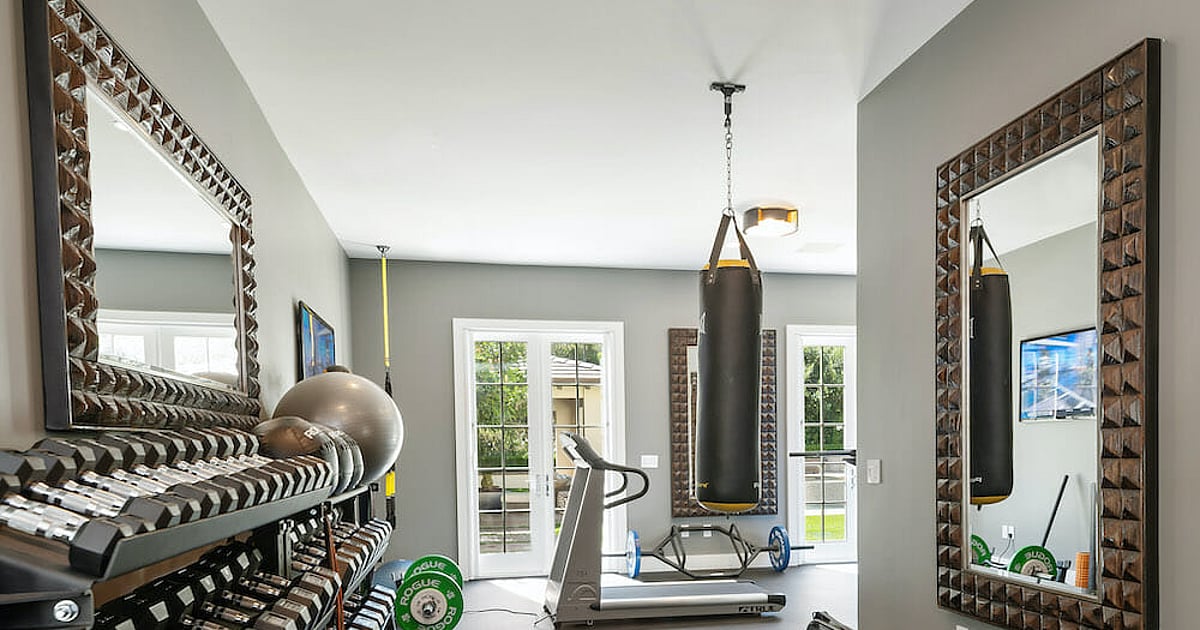
Divide your gym into clear zones based on the type of exercise. Create a cardio corner with your treadmill or bike, a strength area with weights and machines, and a stretching or yoga space with mats.
This separation keeps your workout organized and reduces clutter. Have you noticed how switching between different workouts feels easier when each has its own spot?
Maximizing Vertical Space
Use walls to free up floor space. Mount shelves for storing smaller equipment like dumbbells, resistance bands, and yoga blocks.
Hooks can hold jump ropes or towels, while wall racks keep barbells and plates off the ground. This approach not only saves space but also keeps your gym tidy and accessible.
Creating Clear Pathways
Make sure there’s enough room to move safely between zones. Avoid placing equipment too close together to prevent accidents and allow smooth transitions during workouts.
Think about how you move through your routine—can you walk easily from your weights to your mat? Clear pathways reduce interruptions and keep your focus on the workout itself.
Storage Solutions
Effective storage solutions keep your home gym tidy and safe. Cluttered spaces can cause accidents and slow down workouts. Smart storage helps protect your equipment and makes your gym inviting. It also saves space, which is often limited in home gyms.
Organizing gear properly makes it easy to find what you need. It encourages consistent exercise habits and keeps your room looking neat. Consider various storage options to fit your space and equipment types.
Wall-mounted Racks
Wall-mounted racks free up floor space. They hold weights, bars, and resistance bands securely. Installing racks at different heights maximizes vertical space.
- Keep dumbbells and kettlebells off the floor.
- Use hooks for jump ropes and bands.
- Store barbells horizontally or vertically.
Strong wall anchors are essential for safety. Choose racks that match your equipment size and weight.
Under-bench Storage
Under-bench storage utilizes the empty area below workout benches. It works well for small items like mats, towels, and small weights.
- Slide baskets or bins under benches.
- Use drawers or cubbies for better organization.
- Keep frequently used items within easy reach.
This method keeps the floor clear and helps maintain a clean look.
Using Cabinets And Shelves
Cabinets and shelves offer closed and open storage options. They protect equipment from dust and damage.
- Store heavier items on lower shelves.
- Use labeled bins inside cabinets for small gear.
- Open shelves display items like water bottles or towels.
Choose sturdy furniture that fits your gym’s style and size. This adds functionality and a polished appearance to your space.
Incorporating Technology
Technology makes home gyms more effective and fun. It helps users stay motivated and track their progress. Smart devices and digital tools fit well in any gym space. They improve workouts by offering feedback and entertainment.
Smart Equipment Integration
Smart gym equipment connects to apps and devices. This connection allows real-time data tracking. Machines like treadmills, bikes, and weights have digital screens. These show workout stats such as speed, calories, and heart rate. Some equipment adjusts resistance automatically based on your goals.
Entertainment Setup
Entertainment keeps workouts enjoyable and less boring. Install a TV, speakers, or tablet holder in your gym. Stream videos, music, or workout classes easily. A good sound system boosts energy and focus. Choose devices that fit your space and budget.
Tracking Workout Progress
Tracking progress helps maintain workout consistency. Use apps or fitness trackers to log exercises and results. Visual charts and reports show improvements over time. Set goals and receive reminders to stay active. This technology encourages healthy habits and better results.
Safety And Comfort
Creating a home gym is exciting, but safety and comfort must come first. A safe environment reduces injury risks. Comfort keeps you motivated to work out regularly. Thoughtful design helps you enjoy every session without strain or hazards.
Proper Ventilation And Temperature
Good airflow prevents stuffiness and keeps the air fresh. Open windows or use a fan to circulate air well. Maintain a comfortable temperature to avoid overheating or chills. A cool room helps you exercise longer and feel better.
Non-slip Surfaces
Choose flooring that prevents slips and falls. Rubber mats or textured surfaces offer good grip. Avoid smooth or wet floors that cause accidents. Secure loose rugs or cables to keep the floor clear. Safe footing helps you focus on exercises without worry.
Adequate Lighting
Bright, even lighting reduces eye strain and improves safety. Use natural light if possible to boost energy levels. Avoid harsh shadows or glare that can distract or hide hazards. Proper lighting makes your gym inviting and easier to navigate.
Maintaining Your Home Gym
Keeping your home gym in top shape goes beyond just working out. Regular upkeep ensures your space stays inviting and your equipment lasts longer. It also motivates you to stick with your fitness routine without interruptions.
Regular Cleaning Tips
Clean your gym floor and mats frequently to prevent dust and sweat buildup. Use a mild disinfectant on surfaces that you touch often, like handles and benches. Wiping down equipment after every use keeps germs at bay and extends the life of your gear.
Don’t forget the air quality. Open a window or use a fan to keep fresh air circulating. This small habit can make your workouts more comfortable and keep odors away.
Equipment Maintenance
Check your machines and weights regularly for any signs of wear or damage. Tighten loose bolts and lubricate moving parts as needed to avoid unexpected breakdowns. If you notice a strange noise or resistance, address it immediately to prevent bigger problems.
Have you ever skipped maintenance only to find your treadmill suddenly stops working? That frustration is avoidable with a little routine care. Treat your equipment like an investment—it pays off in reliability and safety.
Updating Your Layout
Your fitness goals and space needs can change over time. Reassess your gym layout every few months to make sure it still fits your routine. Maybe you want to add new equipment or create more open space for stretching.
Try moving your weights closer to your cardio machines or rearranging your mats to improve flow. What small change could you make today that would boost your workout comfort or efficiency?
Credit: www.indulgexpress.com

Credit: www.drewandjonathan.com
Frequently Asked Questions
What Is The Best Home Gym Layout For Small Spaces?
A compact layout maximizes small spaces by using vertical storage and multi-functional equipment. Focus on open areas for movement and prioritize essential gear like dumbbells and resistance bands.
How To Design A Home Gym Layout For Cardio Workouts?
Place cardio machines near a power source and allow enough space for safe movement. Use mirrors and good lighting to enhance motivation and monitor form during workouts.
What Equipment Suits A Versatile Home Gym Layout?
Include free weights, resistance bands, a bench, and a cardio machine. This combination supports strength, flexibility, and endurance training in a limited space.
How To Optimize Home Gym Layout For Safety?
Keep pathways clear and store equipment properly to prevent accidents. Use non-slip flooring and ensure adequate lighting for a safe workout environment.
Conclusion
A well-planned home gym helps you stay fit every day. Choose equipment that fits your space and needs. Keep your layout simple and easy to use. Organize tools so you can move freely and safely. A good design makes workouts more fun and less stressful.
Start small and add more as you go. Your home gym can grow with your fitness goals. Enjoy the comfort and privacy of your own space. Consistency matters most for better health and strength.







