
Are you looking for a simple, effective way to boost your workouts without leaving home? Home gym exercise bands might be exactly what you need.
These small, stretchy tools pack a powerful punch, helping you build strength, improve flexibility, and burn calories—all in your own space. Whether you’re a beginner or want to add variety to your routine, exercise bands offer endless possibilities. Keep reading to discover how these easy-to-use bands can transform your fitness journey and fit perfectly into your daily life.
Types Of Exercise Bands
Exercise bands come in various types, each designed for specific workouts and fitness levels. Choosing the right band helps target different muscle groups effectively. These bands are lightweight, portable, and ideal for home gym setups.
Understanding the types of exercise bands can improve your workout routine. Each type offers unique resistance and versatility. They suit strength training, stretching, and rehabilitation exercises.
Loop Bands
Loop bands are continuous circles made from latex or fabric. They provide resistance for legs, hips, and glute exercises. They vary in thickness and length, offering different resistance levels. Loop bands are perfect for squats, lunges, and side steps.
Tube Bands
Tube bands have handles on both ends for a firm grip. They resemble traditional resistance bands but add comfort and control. These bands work well for upper body workouts like bicep curls and shoulder presses. The handles help maintain form and improve exercise precision.
Therapy Bands
Therapy bands are flat, long strips without handles. They are often used in physical therapy and rehabilitation. These bands provide light to moderate resistance for gentle stretching and muscle recovery. Therapy bands help improve flexibility and joint mobility safely.
Figure-8 Bands
Figure-8 bands have a unique shape resembling the number eight. They offer targeted resistance for arm and shoulder exercises. Their size and design make them easy to hold and control. Figure-8 bands are great for toning and strengthening upper body muscles.

Credit: www.walmart.ca
Benefits Of Using Bands
Exercise bands offer a simple way to build strength and improve flexibility at home. They are lightweight, easy to store, and fit all fitness levels. Using bands helps target different muscles with low risk of injury.
Exercise bands are rapidly becoming a staple in home gyms, offering a myriad of benefits that cater to fitness enthusiasts of all levels. Whether you’re looking to boost your strength, improve your flexibility, or simply enjoy a convenient workout option, exercise bands have something to offer. Let’s dive into the specific benefits they bring to your fitness journey.Improving Strength
Exercise bands are excellent for strength training. They provide resistance throughout the entire range of motion, unlike weights that rely on gravity. This means you engage your muscles more effectively, leading to greater strength gains. Have you ever noticed how heavy weights can sometimes feel uneven? Bands eliminate this issue by ensuring consistent tension. You can target specific muscle groups with precision, making them perfect for building strength in a balanced way.Enhancing Flexibility
Bands are not just for building muscle; they can also significantly enhance your flexibility. Stretching with bands allows you to reach further, giving you a deeper stretch. This is especially useful for areas like hamstrings and shoulders. Using bands in your warm-up routine can help prepare your muscles for more intensive exercises. You’ll find that a flexible body responds better to workouts and recovers faster.Portability And Convenience
One of the standout features of exercise bands is their portability. They are lightweight and can easily fit into a bag, making them ideal for travel workouts. No more excuses for missing your workout when you’re on the go. Consider this: Would you rather lug around a set of dumbbells or slip a few bands into your suitcase? Their convenience means you can maintain your fitness routine anywhere, anytime.Low Impact Workouts
If you’re seeking a low-impact workout, exercise bands are your best friend. They minimize stress on your joints while still providing an effective workout. This makes them an excellent option for those with joint concerns or who are recovering from injury. Low-impact doesn’t mean low results. By using bands, you can still challenge your muscles and achieve your fitness goals without the risk of strain. Are you ready to give your joints a break while still making progress?Choosing The Right Band
Choosing the right exercise band can make a big difference in your home workouts. The right band helps you build strength without risking injury. It also keeps your routine interesting and effective.
Resistance Levels
Exercise bands come in various resistance levels, usually color-coded. Light resistance is perfect for beginners or for warming up. Medium to heavy resistance challenges your muscles more and is great for strength building.
Think about your current fitness level and goals. Are you aiming to tone muscles or build serious strength? Picking a range of bands with different resistances can keep your workouts flexible.
Material Quality
The material affects durability and comfort. High-quality latex bands stretch well and last longer without snapping. If you have a latex allergy, look for bands made from synthetic materials like TPE.
Check the texture too. Some bands have a smooth finish, while others have a fabric cover for extra grip and comfort. Investing in well-made bands saves you from frequent replacements.
Band Length And Size
Band length influences the type of exercises you can do. Shorter bands work well for targeted muscle groups like arms and shoulders. Longer bands allow for full-body movements and stretches.
Consider your height and arm span. If you’re taller, a longer band prevents overstretching and snapping. Trying different sizes helps you find what feels right and safe during workouts.
Budget Considerations
Exercise bands vary widely in price, from budget-friendly options to premium sets. Sometimes, cheaper bands can be less durable or have inconsistent resistance levels. Spending a bit more upfront often means better quality and a longer lifespan.
Think about how often you will use the bands. If you plan frequent workouts, investing in a set with multiple resistance levels might be more cost-effective. What’s your comfort level with replacing worn-out equipment?

Credit: www.amazon.ca
Basic Exercises With Bands
Basic exercises with home gym exercise bands offer a simple way to build strength and improve flexibility. These bands provide resistance that challenges your muscles without needing heavy equipment. You can easily fit these moves into your daily routine and see real progress.
Squats And Lunges
Adding a resistance band around your thighs during squats and lunges increases the challenge. This forces your glutes and thighs to work harder, helping tone your lower body effectively.
Try standing with the band just above your knees, then squat down keeping your knees aligned with your toes. For lunges, step forward or backward with the band in place, maintaining tension. Feel the difference in muscle engagement?
Chest Press And Rows
Exercise bands can mimic gym machines for your upper body. Anchor the band behind you to perform chest presses that target your chest and triceps.
For rows, secure the band in front and pull it towards your torso, squeezing your shoulder blades together. This works your back and biceps, balancing your upper body strength.
Shoulder Press And Lateral Raises
Stand on the band and press it overhead to strengthen your shoulders with the shoulder press. This movement builds stability and power in your deltoids.
Lateral raises with the band at your feet help tone the sides of your shoulders. Lift your arms out to the side, keeping resistance steady. Have you noticed how bands keep tension even at the top of the movement?
Leg Abductions And Extensions
Place the band around your ankles to perform leg abductions, moving your leg outward against resistance. This targets hip muscles that often get neglected.
For leg extensions, sit and loop the band around your ankle, then extend your leg forward. This isolates your quadriceps and strengthens your knees. How often do you focus on these small but important muscles?
Advanced Band Workouts
Advanced band workouts push your fitness beyond basic moves, challenging your muscles in new ways. These exercises boost strength, improve coordination, and enhance endurance. Whether you’re aiming to tone up or recover from injury, these workouts offer versatility and effectiveness right at home.
Full Body Circuits
Full body circuits with exercise bands keep your heart rate up while working multiple muscle groups. Try combining squats with overhead presses, followed by banded rows and glute bridges. This sequence builds strength and stamina simultaneously.
Perform each exercise for 30 seconds, rest for 15, and repeat the circuit 3-4 times. You’ll feel your muscles working hard and your energy soaring. Have you ever noticed how band resistance challenges your stability more than weights?
Plyometric Training
Adding bands to plyometric exercises increases power and speed. Attach a resistance band around your thighs for jump squats or lateral hops. The extra tension forces your muscles to fire harder and faster.
Start with low jumps and focus on landing softly to protect your joints. How often do you train explosive movements that mimic real-life activities? This method trains your body to react quickly and efficiently.
Core Strengthening
Exercise bands can intensify your core workouts by adding resistance to common moves. Try banded Russian twists, resisted leg raises, or plank shoulder taps with a band around your wrists. These exercises target your abs, obliques, and lower back.
Use slow, controlled movements to maximize engagement. Have you felt how a small band can create a big challenge for your core muscles?
Rehabilitation Movements
Bands are excellent for gentle rehab exercises that rebuild strength without strain. Use light resistance bands for shoulder external rotations, ankle dorsiflexion, or knee extensions. These movements help restore function after injury.
Perform slow, steady reps and increase resistance gradually as you improve. Are you giving your body the care it needs to heal while staying active?
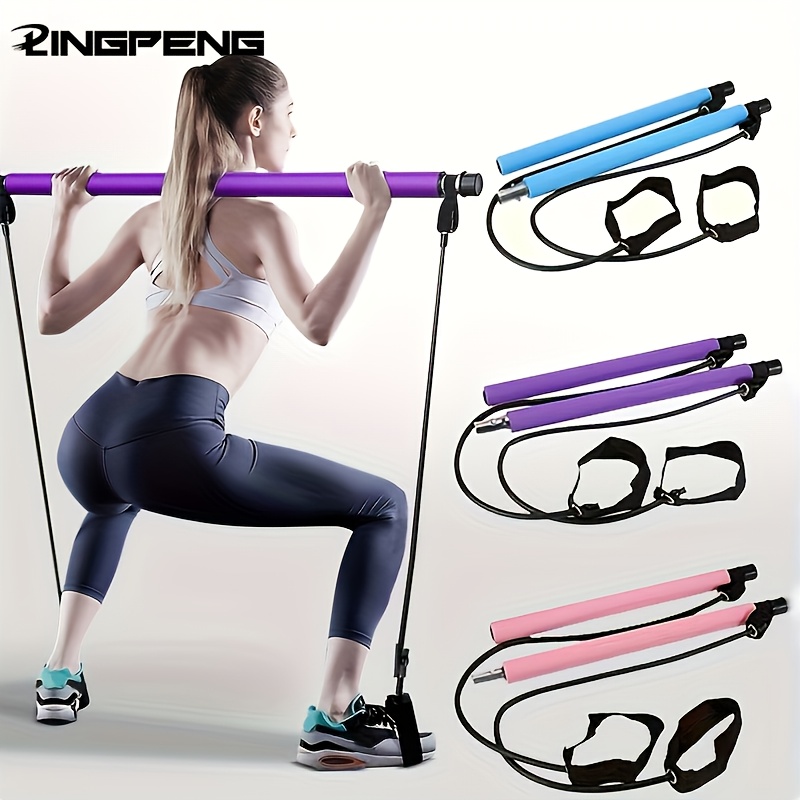
Credit: www.temu.com
Maintaining And Storing Bands
Keeping your exercise bands in good shape is key to getting the most from your home workouts. Proper maintenance and storage not only extend their life but also keep your workouts safe and effective. Let’s look at simple ways to care for your bands so they stay strong and ready whenever you are.
Cleaning Tips
After each use, wipe your bands with a damp cloth to remove sweat and dirt. Avoid using harsh chemicals or alcohol-based cleaners as they can damage the material. Instead, a mild soap solution works well—just rinse with water and let them air dry completely before storing.
Have you noticed your bands feeling sticky or smelling odd? That’s a sign they need a gentle clean. Regular cleaning helps prevent bacteria buildup and keeps your bands fresh and safe.
Storage Solutions
Store your bands in a cool, dry place away from direct sunlight. Heat and UV rays can weaken the material over time. Hanging them on hooks or placing them in a drawer specifically for workout gear helps prevent tangling and accidental damage.
If space is tight, rolling your bands loosely instead of folding can avoid creases that cause weak spots. Would you rather keep them visible or out of sight? Choose a spot that reminds you to use them regularly but protects them from environmental damage.
Avoiding Wear And Tear
Check your bands often for signs of cracks, tears, or thinning areas before each workout. Using bands with damage can lead to unexpected snapping and injury. Avoid overstretching beyond their recommended length, as this stresses the material and shortens their lifespan.
Think about how you use your bands: are you anchoring them on rough surfaces like metal edges or concrete walls? These can cause cuts and abrasions. Instead, use door anchors or smooth surfaces to protect your bands and keep your exercises safe.
Combining Bands With Other Equipment
Combining exercise bands with other home gym equipment can boost your workout’s effectiveness and keep your routine fresh. Using bands alongside items like dumbbells, stability balls, or bodyweight exercises adds resistance and challenges your muscles in new ways. This mix not only helps you build strength but also improves coordination and balance.
Using Bands With Dumbbells
Adding bands to your dumbbell exercises increases resistance throughout the movement. For example, looping a band around your wrists while doing bicep curls with dumbbells forces your muscles to work harder to control both the dumbbells and the band tension.
You can also anchor bands under your feet while pressing dumbbells overhead. This combination targets stabilizer muscles that dumbbells alone might miss. Have you tried this? It’s a simple tweak that makes your arms and shoulders burn more intensely.
Incorporating Stability Balls
Stability balls challenge your balance and core strength, and adding bands makes exercises even more effective. Try sitting on a stability ball and using resistance bands to perform rows or chest presses. The band tension combined with the unstable surface forces your body to engage multiple muscles at once.
This setup helps improve posture and coordination. Plus, it’s a fun way to keep your workouts interesting. How often do you bring new elements into your routine to avoid plateaus?
Bands And Bodyweight Training
Bodyweight exercises are great, but adding bands can push your limits further. For instance, place a band around your thighs during squats or glute bridges to activate your outer hips more effectively.
Using bands with push-ups or planks increases upper body resistance, making these familiar moves tougher. This combination lets you progress without adding heavy weights or machines. Are you ready to challenge your bodyweight exercises with bands and feel the difference?
Frequently Asked Questions
What Are The Benefits Of Home Gym Exercise Bands?
Exercise bands improve strength, flexibility, and muscle tone. They are portable, affordable, and suitable for all fitness levels. Bands provide resistance for effective workouts without heavy equipment. They enhance rehabilitation and injury prevention by supporting controlled movements. Bands also allow versatile, full-body workouts at home.
How Do I Choose The Right Resistance Band?
Select a band based on your fitness level and exercise goals. Light bands suit beginners and rehabilitation, while heavier bands challenge advanced users. Consider band length and thickness for comfort and versatility. Look for durable, high-quality materials to ensure safety during workouts.
Can Exercise Bands Replace Traditional Gym Equipment?
Yes, exercise bands can effectively substitute many gym machines. They provide resistance training for strength, flexibility, and endurance. Bands are versatile and allow a wide range of exercises. However, some heavy lifting or specific machines may still require gym access.
How Do I Maintain And Clean Exercise Bands?
Clean bands regularly with mild soap and water to remove sweat and dirt. Avoid harsh chemicals that degrade the material. Store bands in a cool, dry place away from direct sunlight. Inspect bands for tears before use to ensure safety.
Conclusion
Exercise bands fit easily into any home gym setup. They offer a wide range of workouts for all fitness levels. Bands are light, cheap, and easy to store. You can build strength, improve flexibility, and tone muscles with them. Consistent use leads to better health and fitness results.
Try adding exercise bands to your routine today. Small changes bring big benefits over time. Keep moving, stay strong, and enjoy your workouts.







