
Thinking about setting up a home gym but worried about the costs? You’re not alone.
Building a workout space at home can save you time and gym fees, but it’s important to know what to expect. How much will you really spend? What equipment should you prioritize? This guide breaks down the true costs of creating your own home gym, so you can make smart choices that fit your budget and fitness goals.
Keep reading to discover how to get the most value without overspending.
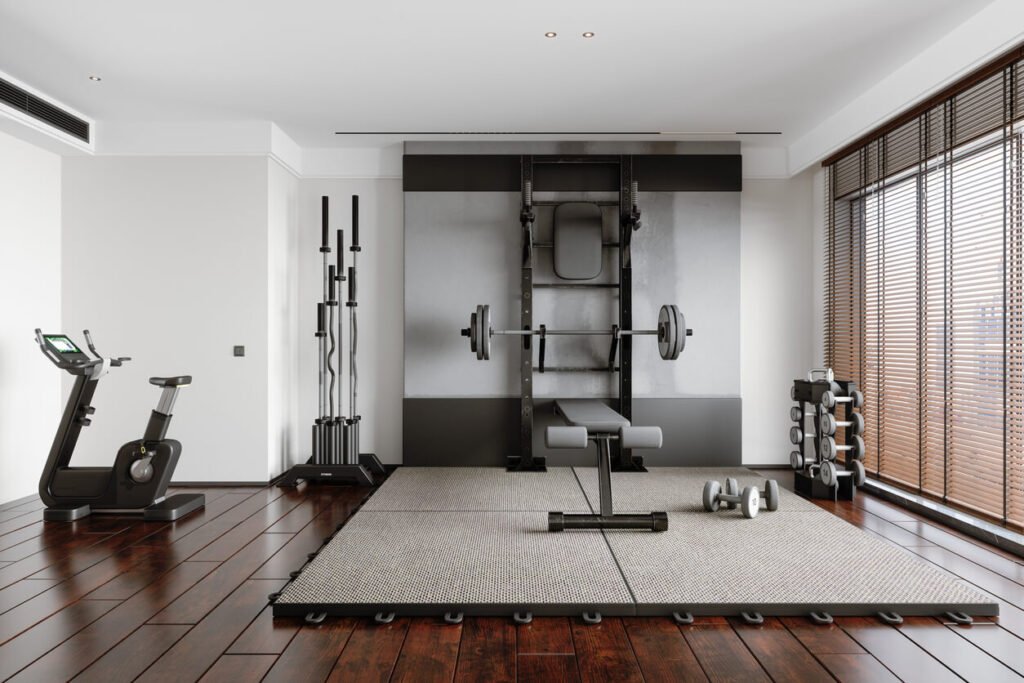
Credit: homegymmentor.com
Cost Factors For Home Gyms
Building a home gym involves various costs. These depend on the choices made about equipment, space, and ongoing care. Understanding these factors helps plan a budget that fits personal needs and goals.
Equipment Prices
Equipment price varies widely. Basic items like dumbbells and mats cost less. Machines such as treadmills or ellipticals are more expensive. Quality and brand affect the price too. Buying used gear can save money. However, new equipment often lasts longer and has warranties.
Space And Setup Expenses
Space matters for a home gym. A spare room or garage needs clearing and preparation. Flooring may require special mats to protect surfaces. Lighting and ventilation add comfort but increase costs. Sometimes, simple changes like mirrors or shelves improve the workout space.
Maintenance And Upkeep
Equipment needs regular care to work well. Cleaning and occasional repairs keep machines safe. Some parts wear out and require replacement. Maintenance costs depend on equipment type and usage. Planning for these helps avoid surprise expenses.
Budget Equipment Options
Setting up a home gym doesn’t need to break the bank. You can find budget-friendly equipment that fulfills your fitness goals. With smart choices, you can create an effective workout space at home. Let’s explore some budget equipment options that won’t empty your wallet.
Essential Gear For Beginners
Starting with the basics is key. A yoga mat offers comfort and grip. Dumbbells provide versatile strength training. Resistance bands add flexibility to workouts. These are affordable and effective for beginners.
Affordable Cardio Machines
Cardio machines can be pricey. But there are budget options. Consider a jump rope for quick cardio. A foldable treadmill is space-saving and cost-effective. Stationary bikes offer great cardio at a low price.
Multipurpose Strength Tools
Invest in tools with multiple uses. Kettlebells engage various muscle groups. Adjustable dumbbells save space and money. Pull-up bars fit door frames and add upper-body strength.
Diy And Secondhand Solutions
Creating a home gym doesn’t have to drain your wallet. DIY and secondhand options offer smart ways to save money while customizing your workout space. You can build some of your own equipment and find quality gear at a fraction of retail prices.
Building Your Own Equipment
Building your own gym equipment lets you tailor tools to your exact needs. Simple items like plyometric boxes, weight racks, or sandbag weights can be made with basic materials and tools.
Using wood, metal pipes, or even recycled materials can bring your ideas to life. For example, constructing a pull-up bar from sturdy steel pipe cost me under $30 and works perfectly. What small piece of equipment could you create yourself?
Finding Quality Used Gear
Secondhand markets are treasure troves for gym equipment. Check local classifieds, online marketplaces, or community groups for deals on dumbbells, benches, and cardio machines.
Look for brands known for durability and inspect items carefully before buying. Sometimes a well-maintained used treadmill or set of kettlebells costs half as much as new ones. How often do you think used equipment gets overlooked despite being in great shape?
Safety Tips For Diy Equipment
Safety must come first when making your own gear. Always use strong, reliable materials and double-check your construction for stability and balance.
Test homemade equipment gently before full use to avoid accidents. Don’t hesitate to seek advice from experienced DIYers or fitness pros. Would you rather spend extra time ensuring safety or risk injury with a poorly made setup?
Maximizing Small Spaces
Creating a home gym in a small space might seem challenging, but it’s far from impossible. You can build an effective workout area without needing a large room. The key lies in smart choices and clever arrangements that make every inch work for you.
Compact Equipment Choices
Choosing the right equipment makes a huge difference in a small gym. Look for items that serve multiple purposes, like adjustable dumbbells or resistance bands. These take up less room but still offer a full range of exercises.
Think about foldable or stackable gear, such as a foldable bench or mats that roll up easily. These can be stored away when you’re not using them. Have you tried using kettlebells instead of bulky machines? They pack a punch without demanding floor space.
Organizing Your Gym Area
Keeping your gym area tidy improves your workout experience. Use wall-mounted racks or hooks to store weights and bands vertically. This frees up floor space and keeps equipment accessible.
Consider clear bins or baskets for smaller items, like jump ropes or yoga blocks. Labeling them helps you find what you need quickly. When every item has a home, your space feels larger and less cluttered.
Creative Space-saving Ideas
Look beyond traditional setups to maximize your space. Mirrors on walls create an illusion of depth and help you check your form during exercises. A corner shelf can hold towels, water bottles, or small gear without eating into your workout zone.
Try placing your gym in unconventional spots like under the stairs or in a closet with the door removed. Have you thought about using furniture that doubles as workout gear, like an ottoman with storage for weights? Small changes like these can make a big impact.
Smart Shopping Strategies
Shopping smart for your home gym can save you a lot of money without sacrificing quality. Knowing when and where to buy, plus understanding the fine print, can make your investment worthwhile. Let’s look at strategies that help you get the best deals and avoid common pitfalls.
Seasonal Sales And Discounts
Timing your purchases around seasonal sales can cut costs significantly. Many fitness stores offer big discounts during New Year, Black Friday, and summer clearance events.
Keep an eye on holiday weekends and end-of-season sales, as retailers often clear out inventory to make room for new models. Signing up for newsletters from your favorite brands can alert you to exclusive deals.
Have you noticed how some items drop in price right after the launch of a new model? Patience can pay off if you wait for these price adjustments.
Online Vs. In-store Purchases
Deciding between online and in-store shopping depends on what you value most—convenience or hands-on experience. Online stores often have lower prices due to reduced overhead costs.
You can easily compare prices and read customer reviews online, which helps avoid buyer’s remorse. However, trying equipment in person can reveal comfort and build quality that photos can’t show.
Consider combining both methods: research online first, then test your top picks in-store before committing. This approach balances savings with confidence in your choice.
Warranty And Return Policies
Don’t overlook warranty and return policies when buying expensive gym equipment. A solid warranty protects you against defects and unexpected repairs.
Always check how long the warranty lasts and what it covers. Some stores offer extended warranties or service plans—these might be worth the extra cost if you plan to use the equipment heavily.
Return policies vary widely. Understand the terms before you buy, especially for bulky items that might be hard to return. Have you ever bought something that didn’t fit your space or workout style? Knowing your options in advance can save hassle and money.
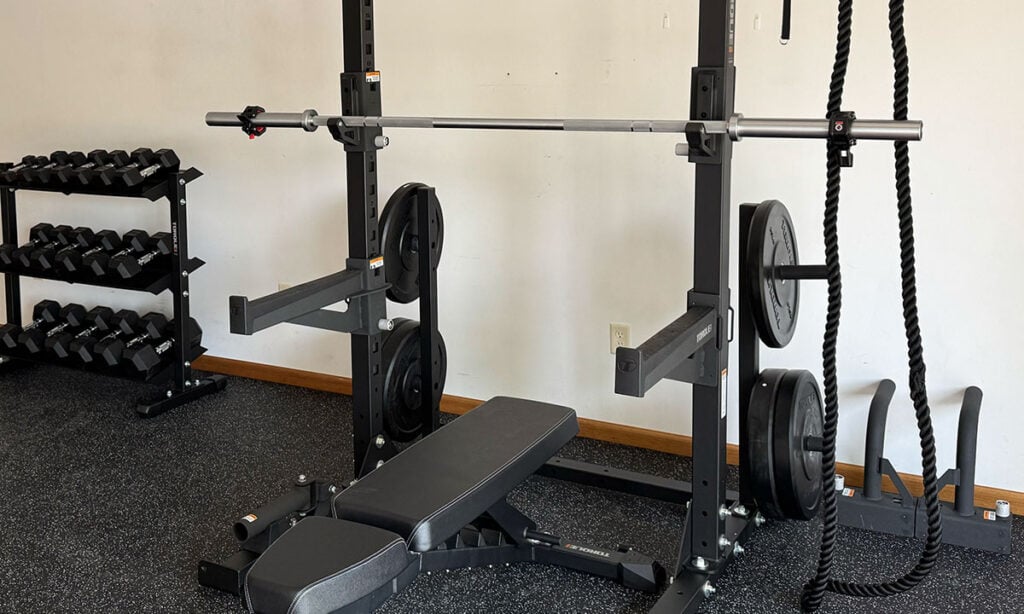
Credit: www.nourishmovelove.com
Budget-friendly Workout Plans
Creating an effective workout routine at home doesn’t have to drain your wallet. Budget-friendly workout plans can keep you fit and motivated without expensive equipment or gym memberships. By focusing on smart choices and accessible resources, you can get great results while saving money.
Bodyweight Exercises
Bodyweight exercises are a fantastic way to build strength and endurance without any equipment. Moves like push-ups, squats, lunges, and planks use your own body as resistance. You can adjust the difficulty by changing the number of reps or adding variations.
When I started my home workouts, I was surprised how much challenge simple push-ups provided. You don’t need weights to feel the burn or see progress. Are you ready to try a full-body workout using just your body weight?
Low-cost Workout Programs
Many affordable workout programs offer structured routines that fit your goals and schedule. These often come as downloadable PDFs or video series priced under $20. Some programs specialize in fat loss, muscle gain, or flexibility, so you can pick what suits you best.
Look for programs with clear instructions and progress tracking. Some even offer community support through social media groups or forums. Have you checked out budget-friendly plans that align with your fitness level?
Using Technology And Apps
Fitness apps can guide your workouts with minimal or no cost. Many free apps provide daily routines, exercise libraries, and reminders. Some offer premium versions, but the basic features are often enough to keep you on track.
Technology also allows you to join virtual classes or follow trainers on YouTube. This variety keeps things fresh and helps prevent boredom. Which app or online resource have you found most helpful for staying consistent?
Long-term Savings And Investments
Investing in a home gym can save money over time compared to gym memberships and travel costs. The initial cost may seem high but quality equipment lasts longer. Home workouts also save time and increase workout consistency. Smart choices in equipment help balance cost and value.
Quality Vs. Cost Tradeoffs
Cheap equipment may break quickly and need replacement. Durable machines cost more upfront but save money later. Consider brands with good warranties and reviews. Quality gear offers better safety and comfort during workouts. Avoid low-cost options that lead to extra repair expenses.
Upgrading Over Time
Start with basic gear and add items as needed. This spreads out expenses and adapts to fitness goals. Upgrade one piece at a time to avoid overspending. Prioritize versatile equipment that supports various exercises. Regular upgrades keep your gym fresh and useful.
Tracking Your Fitness Budget
Keep a record of all fitness-related spending. Include equipment, maintenance, and any subscriptions. Use a simple spreadsheet or budget app for tracking. Review expenses monthly to find saving opportunities. Budgeting helps control costs and plan future purchases.
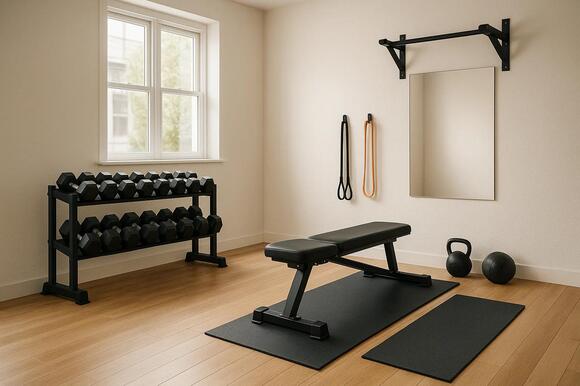
Credit: www.newsbreak.com
Frequently Asked Questions
How Much Does A Basic Home Gym Cost?
A basic home gym typically costs between $200 and $1,000. This includes essential equipment like weights, mats, and resistance bands. Prices vary depending on brand quality and features. Starting with affordable, versatile gear helps keep initial expenses low while meeting fitness needs effectively.
What Factors Affect Home Gym Costs?
Home gym costs depend on equipment type, quality, quantity, and space. Larger setups with machines cost more than minimalistic ones. Additional expenses include flooring, storage, and maintenance. Personal preferences and fitness goals also impact overall spending, making budgeting crucial for a tailored workout space.
Is Building A Home Gym Cheaper Than Gym Membership?
Building a home gym can be cheaper long-term compared to gym memberships. Initial costs are higher, but no recurring fees exist. Over time, savings accumulate, especially with consistent use. However, upfront investment and space availability should be considered before deciding.
What Budget Equipment Is Best For Home Gyms?
Budget-friendly equipment includes resistance bands, dumbbells, jump ropes, and yoga mats. These items are affordable, versatile, and require little space. They support strength, cardio, and flexibility training effectively. Investing in quality basics ensures durability and a solid workout foundation without overspending.
Conclusion
Building a home gym can fit many budgets. Start small with basic equipment. Choose items that match your workout style. Think about space and how often you’ll use it. Costs vary, but staying within your limit helps. A home gym saves time and gym fees.
It supports your health and fitness goals. Plan carefully and enjoy your personal workout space. Small steps lead to big results.







