
Are you ready to get the most out of your gym sessions? Knowing how to use gym exercise equipment correctly can make all the difference in reaching your fitness goals faster and safer.
Whether you’re new to the gym or want to improve your routine, this guide will walk you through the essential machines and tools you need to master. Imagine feeling confident every time you step up to a piece of equipment, knowing exactly how to use it for maximum results.
Keep reading, and you’ll discover simple tips that turn confusion into clarity and frustration into progress. Your best workout starts here.
Common Gym Equipment
Understanding the common gym equipment is essential for maximizing your workouts and avoiding injury. Each type of equipment serves a specific purpose and suits different fitness goals. Knowing how to use these tools effectively can make your exercise routine more efficient and enjoyable.
Cardio Machines
Cardio machines like treadmills, ellipticals, and stationary bikes help improve your heart health and burn calories. You can adjust speed, resistance, and incline to match your fitness level and goals. Have you ever tried interval training on a treadmill? It’s a quick way to boost endurance and keep workouts interesting.
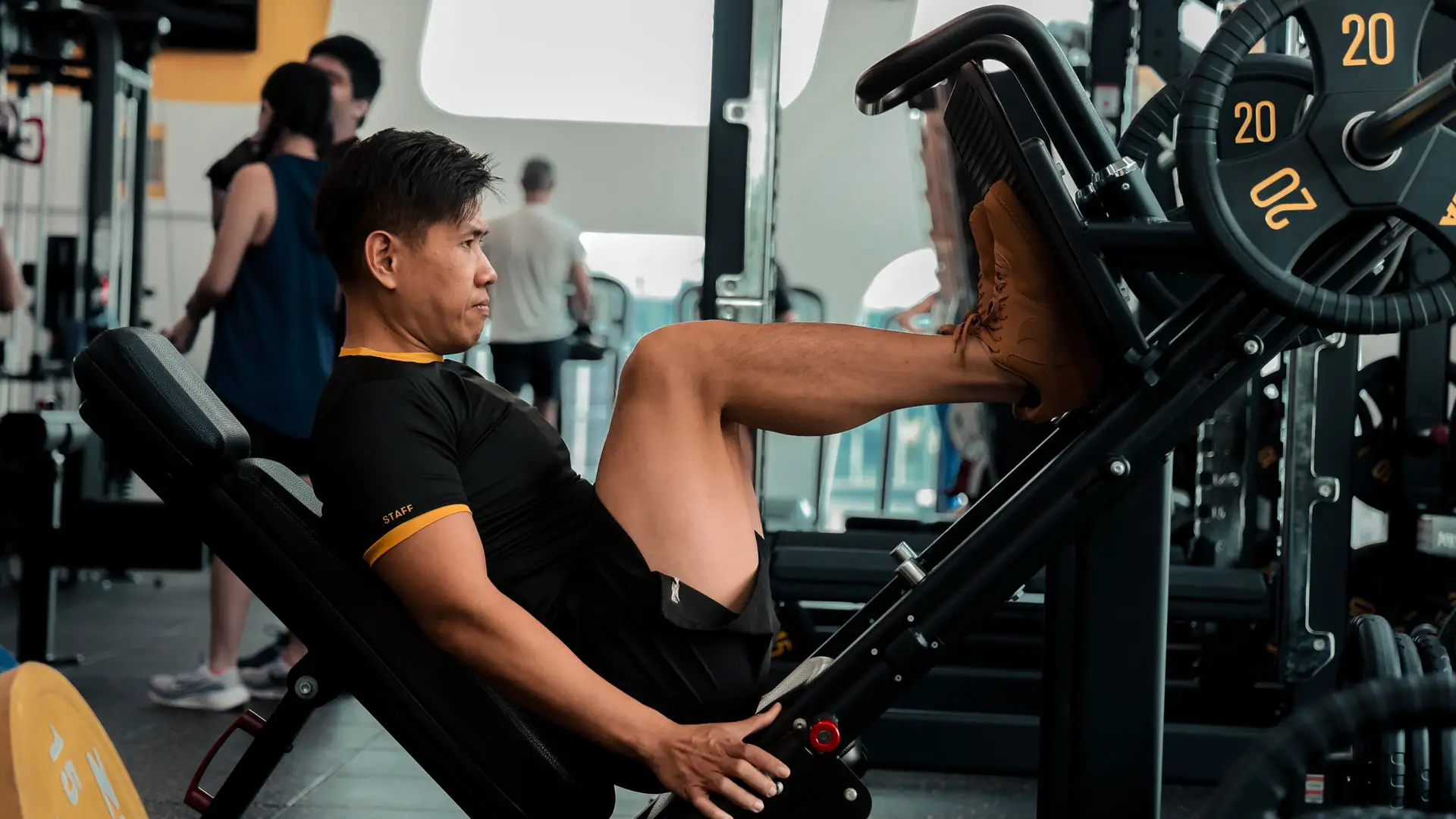
These machines guide your movements, making them great for beginners learning proper form. Examples include the leg press, chest press, and lat pulldown machines. They isolate muscle groups, allowing you to focus on building strength safely. Do you pay attention to adjusting the seat and weights before starting? Proper setup is key to avoiding strain.
Free Weights
Dumbbells, barbells, and kettlebells offer versatile options for strength training and functional exercises. Unlike machines, they require you to control balance and coordination, which engages more muscles. Have you noticed how free weights can target smaller stabilizer muscles that machines often miss?
Functional Training Gear
This category includes equipment like resistance bands, medicine balls, and stability balls. They help improve your overall movement, balance, and core strength. Using these tools can add variety to your workouts and challenge your body in new ways. What’s your favorite piece of functional gear to mix into your routine?

Credit: econofitness.ca
Using Cardio Machines
Cardio machines are a fantastic way to boost your heart rate, burn calories, and improve your overall fitness. Whether you’re a seasoned gym-goer or just starting, these machines offer a versatile workout experience. Understanding how to use each piece of equipment effectively can maximize your results and keep you motivated.
Treadmill Tips
Start with a warm-up by walking at a comfortable pace for five minutes. Gradually increase the speed, keeping a steady posture and ensuring your feet land under your body. Use the incline feature to challenge your muscles, and remember to cool down with a slow walk at the end.
Elliptical Techniques
Step onto the elliptical and begin pedaling, ensuring your feet stay flat on the pedals. Adjust the resistance to add intensity as needed. Focus on pushing and pulling the handlebars to engage your upper body, and maintain a straight posture to prevent strain.
Stationary Bike Setup
Adjust the seat height so your knee is slightly bent at the bottom of the pedal stroke. Keep your back straight and grip the handlebars lightly. Vary the resistance and speed to simulate different terrains and intensities, making sure to keep your core engaged throughout.
Rowing Machine Basics
Start with your knees bent and grip the handle firmly. Push with your legs first, then pull with your arms, keeping your back straight. Aim for a smooth, rhythmic stroke, and adjust the damper setting to control the resistance according to your fitness level.
Have you ever felt stuck in a cardio routine? Mixing up your machine workouts not only keeps things interesting but also targets different muscle groups. So, which cardio machine will you conquer next?
Strength Training Machines
Strength training machines provide a controlled way to build muscle and increase strength. These machines guide your movement and help maintain proper form. They suit beginners and experienced gym users alike. Using them correctly boosts workout efficiency and reduces injury risk.
Adjusting Settings
Start by setting the machine to fit your body size. Adjust the seat height and backrest so you can move comfortably. Check the weight stack to select the right resistance. Choose a weight that challenges you but allows smooth motion. Make small changes to avoid strain or injury.
Proper Form
Maintain a straight posture throughout the exercise. Keep your core engaged and avoid jerky movements. Move slowly and control the weight in both directions. Follow the machine’s path to prevent stress on joints. Focus on smooth, steady motions to maximize muscle work.
Target Muscle Groups
- Leg press targets quadriceps, hamstrings, and glutes.
- Chest press works the pectoral muscles and triceps.
- Lat pulldown focuses on the back muscles and biceps.
- Leg curl strengthens the hamstrings.
- Shoulder press builds deltoid muscles.
Knowing which muscles you want to strengthen helps you pick the right machine.
Safety Precautions
- Check the machine for damage before use.
- Start with light weights to warm up muscles.
- Avoid locking your joints at the end of movements.
- Use smooth, controlled motions to prevent injuries.
- Ask gym staff for help if unsure about settings or form.
Free Weights Guide
Free weights are a cornerstone of any effective gym routine. They offer versatile options for strength training and muscle growth. Understanding how to use them properly can make your workouts more efficient and reduce injury risks.
Dumbbells Usage
Dumbbells allow you to work each side of your body independently, which helps fix strength imbalances. Start with lighter weights to master form before increasing the load.
Try exercises like bicep curls, shoulder presses, and lunges. Pay attention to your grip and wrist alignment to avoid strain.
Have you noticed how dumbbells can target smaller muscles more effectively than machines? That’s because they require stability and balance, engaging more muscle fibers.
Barbells Techniques
Barbells are great for lifting heavier weights and building overall strength. Key lifts include squats, deadlifts, and bench presses.
Focus on keeping your back straight and core tight during each lift. Proper foot placement and controlled breathing improve your power and safety.
Think about how a slight change in your grip width can shift the focus to different muscle groups. Experiment safely to find what works best for your body.
Kettlebells Moves
Kettlebells add a dynamic element with their unique shape and handle. They are perfect for full-body workouts and improving functional strength.
Common moves include swings, goblet squats, and Turkish get-ups. These exercises combine strength and cardio, boosting endurance.
Have you tried kettlebell swings? They engage your hips, core, and shoulders in a way that traditional weights don’t.
Avoiding Common Mistakes
One of the biggest errors is using weights that are too heavy, leading to poor form and injuries. Start with manageable weights and increase gradually.
Another mistake is neglecting warm-ups and stretching. Preparing your muscles reduces soreness and enhances performance.
Are you rushing through reps? Slow, controlled movements yield better results and protect your joints.
Functional Training Tools
Functional training tools help you improve strength, balance, and coordination in ways that mimic real-life movements. These tools engage multiple muscle groups and challenge your stability, making workouts more effective and dynamic. Using them correctly can boost your overall fitness and make daily activities easier.
Resistance Bands
Resistance bands are simple but powerful. They add extra tension during exercises, helping you build strength without heavy weights.
Try attaching a band to a door or a pole and perform rows or chest presses. You’ll feel your muscles working harder, especially in your arms and back.
Have you noticed how resistance bands improve your control and muscle endurance over time? Keep varying the tension to avoid plateaus.
Medicine Balls
Medicine balls combine weight with movement for explosive power and core strength. You can toss, slam, or twist with them to challenge your whole body.
Use a medicine ball for exercises like wall throws or rotational twists. These moves engage your abs, shoulders, and legs simultaneously.
What’s your favorite way to add a medicine ball to your routine? Experiment with different weights and speeds to keep your workouts fresh.
Balance Boards
Balance boards train your stability and coordination by forcing you to stay upright on an unstable surface. They target your core and improve joint strength.
Start by simply standing on the board, then progress to squats or leg lifts. This will sharpen your balance and reduce the risk of injuries.
Do you find your balance improving after a few sessions? Consistency with this tool pays off in everyday movement and sports.
Trx Suspension Training
TRX suspension training uses your body weight and gravity to build strength, flexibility, and balance. The straps let you perform hundreds of exercises anywhere.
Focus on controlled movements like suspended push-ups or lunges. These engage your core and stabilize muscles more than traditional workouts.
How often do you challenge your muscles by adjusting the angle or foot placement? Small changes can make a big difference in difficulty and results.
Workout Planning With Equipment
Planning your workout with gym equipment helps you stay organized and reach your goals. It ensures you use machines and weights effectively for balanced training. A good plan includes exercises, rest, and tracking progress.
Combining Machines And Free Weights
Machines guide your movement and keep form safe. They are great for beginners and targeting specific muscles. Free weights allow more freedom and engage stabilizing muscles. Combining both offers strength and flexibility.
- Start with machines to warm up muscles.
- Use free weights for compound exercises like squats or presses.
- Switch between machines and free weights for variety.
Building Beginner Routines
Choose simple exercises to build confidence and strength. Focus on full-body routines that hit major muscle groups. Keep workouts short, about 30 to 45 minutes. Use light weights and increase slowly.
- Include machine exercises for safety and control.
- Add free weight moves like dumbbell curls or rows.
- Rest 30 to 60 seconds between sets.
Progress Tracking
Track your workouts to see improvement over time. Record weights, reps, and sets for each exercise. Note how you feel during and after workouts. Adjust your plan based on progress and goals.
- Keep a workout journal or use an app.
- Review progress every two weeks.
- Increase weights or reps gradually.
Rest And Recovery
Rest days are crucial for muscle growth and injury prevention. Allow 48 hours before working the same muscle group again. Sleep well to help recovery. Use light stretching or foam rolling on rest days.
- Plan rest days in your weekly schedule.
- Avoid overtraining to stay motivated.
- Listen to your body’s signals for rest.
Safety And Maintenance
Using gym exercise equipment safely and maintaining it well can make a huge difference in your workout experience. It not only protects you from injuries but also helps the machines last longer. Paying attention to safety and maintenance shows respect for your health and the shared gym space.
Equipment Inspection
Before you start any exercise, take a moment to check the equipment. Look for loose bolts, frayed cables, or worn-out padding. If you spot any damage, avoid using the machine until it’s fixed. This simple habit can prevent accidents and save you from unexpected downtime.
I once ignored a slight wobble in a bench and ended up with a minor injury. That moment taught me that a quick inspection is worth the effort every single time.
Proper Cleaning
Wiping down machines after use is more than just good manners; it helps keep germs away. Use gym-provided disinfectant sprays or wipes to clean handles, seats, and buttons. Regular cleaning prevents buildup of sweat and dirt, which can damage equipment over time.
Have you noticed how some gyms provide microfiber towels? These are great for absorbing moisture without scratching surfaces. Bringing your own cleaning supplies can also encourage others to follow your lead.
Preventing Injuries
Using equipment correctly is key to avoiding injuries. Always start with lighter weights to warm up and focus on your form rather than speed. If you’re unsure about a machine’s function, ask a trainer or watch tutorial videos.
Don’t push through pain. Your body sends signals for a reason. Recognizing discomfort early can stop minor strains from becoming serious injuries.
Gym Etiquette
Respecting others in the gym includes sharing equipment and cleaning up after yourself. Avoid monopolizing machines during busy hours by limiting your time or working in sets with others. Return weights to their racks and use towels on benches to keep things tidy.
Have you ever waited for a machine while someone scrolls on their phone? Staying focused on your workout helps everyone have a better gym experience.

Credit: orbitfitness.com.au
Credit: www.gofit-gym.com
Frequently Asked Questions
What Is The Best Way To Use Gym Exercise Equipment?
Start by learning the correct form for each machine. Adjust settings to fit your body. Begin with light weights. Gradually increase intensity. Follow instructions carefully to avoid injury. Ask gym staff for guidance when unsure.
How Do I Adjust Gym Machines For My Workout?
Most machines have adjustable seats, weights, and handles. Set the seat height to align with your joints. Choose appropriate weight resistance. Ensure comfortable grip and posture. Proper adjustments help maximize effectiveness and prevent injuries.
Can Beginners Safely Use All Gym Exercise Equipment?
Beginners should start with basic machines and low weights. Learn correct techniques before progressing. Use equipment with safety features first. Seek help from trainers for proper guidance. This approach reduces injury risks and builds confidence.
How Often Should I Clean Gym Exercise Equipment?
Wipe down machines before and after each use. Use disinfectant wipes to remove sweat and germs. Regular cleaning helps maintain hygiene and prevents infections. Most gyms provide cleaning supplies for members’ convenience.
Conclusion
Using gym equipment correctly helps you stay safe and get results. Start with light weights and simple machines. Watch your form and move slowly. Don’t rush or lift too much. Ask for help if you feel unsure. Regular practice builds strength and confidence.
Keep your workout routine balanced and steady. Enjoy the process and track your progress. Small steps lead to big changes. Stay patient and consistent every day. Your body will thank you.







