
Are you looking to build strength, tone your body, or simply stay fit? The right gym equipment weight can make all the difference in reaching your goals faster and safer.
Choosing the perfect weight isn’t just about lifting heavier—it’s about lifting smarter. You’ll discover how to pick the best weights for your workouts, avoid common mistakes, and get the most out of every session. Keep reading to unlock the secrets that will transform your fitness routine and help you see real progress.

Credit: www.amazon.com
Types Of Gym Equipment
Gym equipment varies widely to suit different workout goals and fitness levels. Choosing the right type helps build strength, improve endurance, and enhance overall health. Understanding these categories can guide you to effective training routines.
Free Weights
Free weights include dumbbells, barbells, kettlebells, and weight plates. They require balance and coordination during use. These tools engage multiple muscles and improve functional strength. Users can easily adjust weight loads to match their progress.
Resistance Machines
Resistance machines provide guided motion through pulleys and levers. They isolate specific muscles for targeted workouts. Machines often have adjustable weight stacks for easy changes. They offer safety and stability, especially for beginners.
Bodyweight Equipment
Bodyweight equipment includes pull-up bars, dip stations, and push-up handles. These tools use your body weight as resistance. They help improve strength, flexibility, and balance. This equipment is portable and ideal for small spaces.

Credit: www.yanrefitness.com
Factors Influencing Weight Selection
Selecting the right weight for gym equipment matters for safety and progress. Several factors influence this choice. Understanding these can improve workouts and reduce injury risk. Weight selection depends on personal goals, experience, and exercise type. Consider these elements carefully before starting.
Fitness Goals
Your fitness goals guide weight choice. For muscle building, heavier weights with fewer reps work best. For endurance, lighter weights with more reps suit well. Weight loss often combines moderate weights with cardio exercises. Choose weights that match your target results.
Experience Level
Beginners need lighter weights to learn proper form. This prevents injury and builds confidence. Intermediate users can increase weights gradually. Advanced users often lift heavier for strength gains. Adjust weights based on your skill and comfort.
Type Of Exercise
Different exercises require different weights. Compound movements like squats or deadlifts handle heavier weights. Isolation exercises like bicep curls use lighter weights. Machines might have fixed increments, so pick the closest suitable weight. Match weights to the exercise for best results.
Determining The Right Weight For Beginners
Choosing the right weight for gym equipment is vital for beginners. Using the correct weight helps avoid injury and builds strength effectively. It also keeps workouts safe and enjoyable. Understanding how to pick the right weight ensures steady progress and good form.
Starting With Light Weights
Beginners should begin with light weights to learn proper technique. Light weights reduce the risk of strain and injury. They allow focus on movement and control. Starting light helps build confidence before increasing weight.
Try weights that feel easy but still challenge muscles slightly. If you can lift without pain or discomfort, the weight is good.
Progressive Overload Principles
Progressive overload means gradually increasing weight or reps over time. This encourages muscle growth and strength gain. Increase weight in small steps to avoid injury. Track progress to know when to add more weight.
Focus on steady improvement rather than lifting heavy too soon. Consistency with progressive overload leads to better results.
Signs Of Correct Weight Choice
The right weight allows 8 to 12 clean reps without losing form. Muscles should feel tired but not sore immediately. You should feel muscle fatigue by the last reps.
Too light means no challenge; too heavy causes shaking or poor form. If you struggle to finish reps or feel joint pain, lower the weight.
Advanced Weight Selection Techniques
Advanced weight selection techniques help improve workout results. They add variety and challenge muscles differently. Using these methods can prevent plateaus and boost strength.
Periodization Strategies
Periodization means changing weight and reps over time. It breaks training into phases, like strength or endurance. Each phase has a specific goal and weight range.
This approach helps muscles recover and grow. It also reduces injury risk. For example, start with light weights and high reps. Then increase weight and lower reps in later phases.
Incorporating Drop Sets
Drop sets involve lowering the weight after muscle fatigue. Perform an exercise until failure, then reduce weight and continue. This pushes muscles beyond normal limits.
Drop sets increase muscle endurance and size. They are useful for advanced lifters seeking new challenges. Use them carefully to avoid overtraining.
Utilizing Supersets
Supersets combine two exercises with little rest. They target different or same muscle groups. This method saves time and increases workout intensity.
Supersets can help burn more calories and improve muscle tone. Pairing exercises smartly boosts strength and endurance. For example, do bicep curls followed by tricep dips.
Common Mistakes In Weight Selection
Selecting the right weight for gym equipment is crucial for effective workouts. Many beginners and even experienced lifters make common errors that slow progress or cause injury. Understanding these mistakes helps improve your training and keeps you safe.
Overestimating Capabilities
Choosing weights that are too heavy is a frequent error. It can lead to poor technique and increase injury risk. Start with lighter weights to build strength gradually. Focus on completing exercises with control and good form. Progressing slowly helps avoid burnout and muscle strain.
Ignoring Proper Form
Using incorrect form reduces workout benefits and strains muscles. Heavy weights often cause form to break down. Prioritize learning the correct movement before increasing weight. Proper form protects joints and targets muscles effectively. This habit builds a solid fitness foundation.
Neglecting Recovery
Skipping rest days or not allowing muscles to recover hinders strength gains. Overworking muscles with heavy weights leads to fatigue and injury. Rest and recovery help muscles repair and grow. Include recovery time in your routine to maintain progress and avoid setbacks.
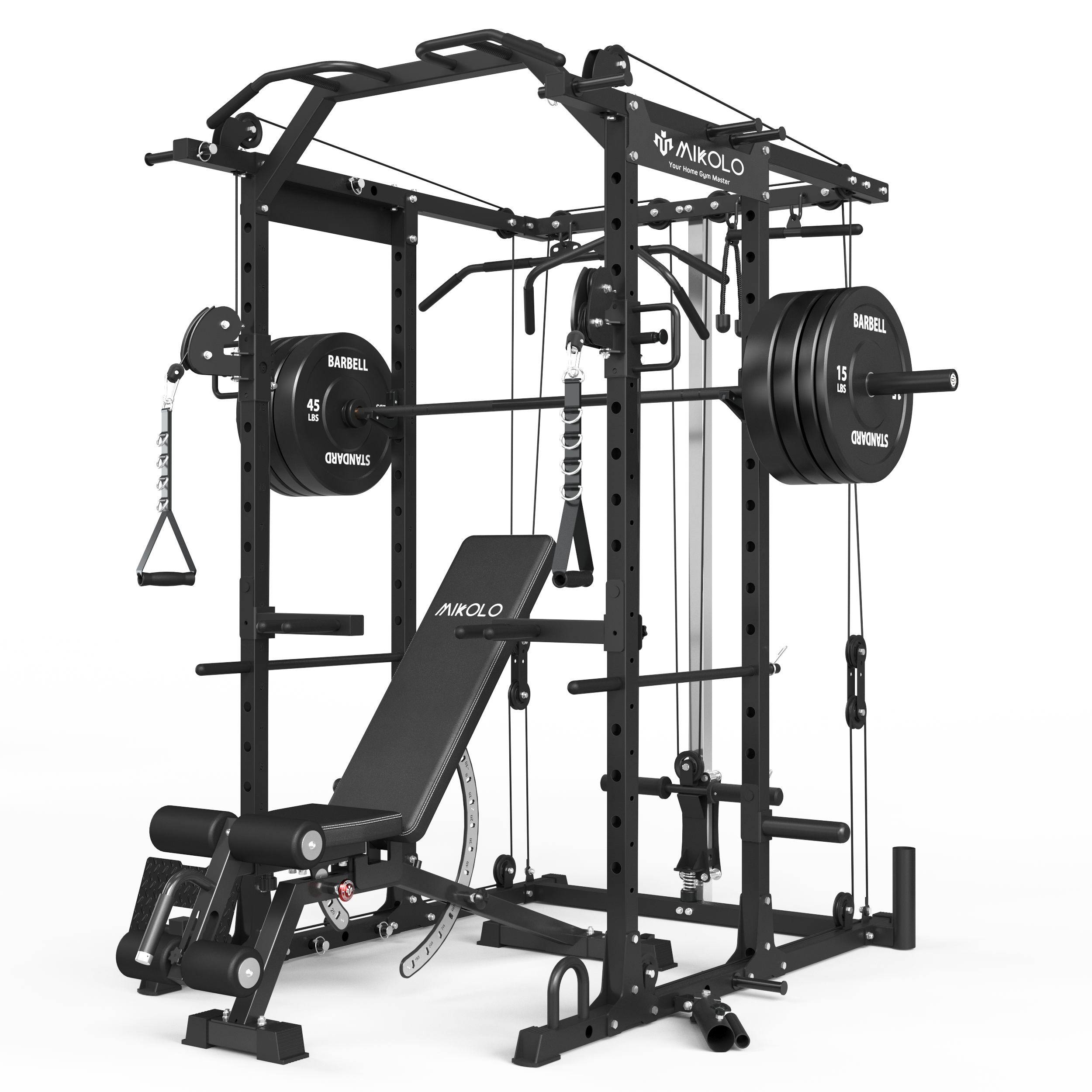
Credit: gym-mikolo.com
Safety Considerations
Handling gym equipment weight demands more than just strength; it requires a clear focus on safety. Every lifter must understand the risks and take steps to protect themselves and others in the gym. Overlooking safety can lead to injuries that might set back your progress for weeks or even months.
Using Spotters
Spotters are your safety net during heavy lifts. Having someone ready to assist can prevent accidents when the weight becomes too much to handle alone.
Don’t rely solely on your own strength; a spotter can help you push beyond your limits safely. Always communicate your plan and signals with your spotter before starting your set.
Ask yourself: Would you risk dropping a heavy barbell without someone watching your back? Spotters aren’t just for show—they’re essential for your safety.
Investing In Quality Equipment
Cheap or damaged gym equipment can be a hidden hazard. Equipment that is well-made and regularly maintained reduces the chances of malfunction during your workout.
Look for equipment with solid construction and reliable safety features like secure locking mechanisms. If you own home gym gear, inspect it regularly for wear and tear.
Is it worth saving money on equipment that might fail? Think about your long-term health and choose gear that supports safe lifting.
Proper Warm-up And Cool-down
Jumping into heavy lifting without warming up is a recipe for injury. A proper warm-up increases blood flow and prepares your muscles for the strain ahead.
Spend 5-10 minutes on light cardio and dynamic stretches before you start. After your workout, cool down with gentle stretches to help your muscles recover and reduce soreness.
Have you ever felt stiff or cramped after a workout? Skipping warm-up and cool-down might be why. Taking these simple steps can keep your body flexible and ready for your next session.
Customizing Weight Choices For Different Goals
Choosing the right weight for your workouts can make a huge difference in how quickly you reach your fitness goals. Not every weight is suitable for every purpose. Adjusting your weight selection based on what you want to achieve helps you train smarter, not just harder.
Strength Building
To build raw strength, you want to lift heavier weights with fewer repetitions. Aim for weights that challenge you within 3 to 6 reps per set.
Using too light weights won’t push your muscles enough. On the other hand, going too heavy can cause injury if your form breaks down.
Think about times when you pushed just a bit more weight and noticed your grip or posture slipping—this signals you’re at your limit. That’s where strength gains happen.
Endurance Training
Endurance training calls for lighter weights with higher reps, usually 12 to 20 or more per set. The goal is to keep your muscles working steadily over time.
This approach improves your stamina and helps your muscles resist fatigue. It’s perfect if you want to stay active longer without getting tired quickly.
Ever felt your arms shaking after many reps? That’s your endurance being tested and strengthened. Choose a weight that makes your muscles work but still allows you to complete the set.
Muscle Hypertrophy
If your goal is to increase muscle size, moderate weights with 6 to 12 reps per set work best. This range creates the muscle stress necessary for growth.
Finding the right weight means it should feel tough by the last few reps but not impossible. This balance encourages muscle fibers to grow bigger and stronger.
Reflect on workouts where you felt a deep burn but still maintained good form—those moments drive hypertrophy. Adjust your weights to keep hitting that sweet spot.
Frequently Asked Questions
What Is The Average Weight Of Gym Equipment?
Gym equipment weight varies by type and purpose. Dumbbells range from 1 to 50 pounds, while treadmills weigh 150 to 300 pounds. Weight machines can be heavier due to steel frames. Knowing equipment weight helps in planning space and workout routines effectively.
How Does Gym Equipment Weight Affect Workout Results?
Gym equipment weight influences muscle engagement and workout intensity. Heavier weights build strength, while lighter ones improve endurance. Proper weight selection prevents injury and maximizes gains. Adjusting weight based on goals ensures efficient and safe training sessions.
Why Is Knowing Gym Equipment Weight Important?
Knowing gym equipment weight aids in choosing the right resistance level. It helps track progress and avoid overtraining. It also ensures safe handling and storage. Accurate weight knowledge enhances workout efficiency and personalizes fitness plans.
Can Gym Equipment Weight Vary By Brand?
Yes, gym equipment weight can vary by brand and model. Differences arise from materials, design, and construction quality. Some brands use heavier steel, others lighter alloys. Comparing weights helps select equipment that fits user needs and space constraints.
Conclusion
Choosing the right gym equipment weight helps you train safely and effectively. Start with lighter weights to build strength and avoid injury. Gradually increase weight as your muscles get stronger. Pay attention to your body’s signals during workouts. Proper weight selection supports steady progress and better results.
Keep consistency in your routine for lasting benefits. Remember, smart choices lead to a healthier, stronger you. Stay focused and enjoy your fitness journey.







