
Are you ready to take your workouts to the next level? The right gym equipment for weight lifting can make all the difference in how quickly you see results.
Whether you’re just starting out or looking to boost your strength training routine, choosing the best tools for your goals is key. You’ll discover the essential equipment that can help you build muscle, increase endurance, and stay motivated every step of the way.
Keep reading to find out how to transform your fitness journey with the perfect weight lifting gear.
Benefits Of Weight Lifting
Weight lifting offers more than just a path to a stronger body. It changes how you feel, how your body functions, and even how you think. Understanding the benefits can motivate you to pick up those weights and stick with the routine.
Muscle Growth
Lifting weights challenges your muscles, causing tiny tears that your body repairs stronger than before. This process leads to muscle growth, improving your strength and endurance over time.
Think about the last time you felt proud after lifting a heavier weight or completing an extra rep. That progress is a clear sign your muscles are getting stronger. How much stronger could you get if you keep pushing yourself consistently?
Increased Bone Density
Weight lifting puts stress on your bones, prompting them to become denser and stronger. This reduces the risk of fractures and conditions like osteoporosis as you age.
Stronger bones mean more freedom to move and enjoy activities without worrying about injury. Have you considered how lifting weights might protect your bones decades from now?
Metabolic Boost
Building muscle with weight lifting increases your resting metabolism. More muscle means your body burns more calories even when you’re not active.
This boost can help with weight management and energy levels throughout the day. Could this be the key to breaking through a weight loss plateau?
Mental Health Improvement
Lifting weights doesn’t just change your body; it changes your mind. The focus required and the physical effort release endorphins, which improve your mood and reduce stress.
Many people find that weight lifting helps them manage anxiety and build confidence. How might your mental health improve if you made weight lifting a regular habit?

Credit: synergeefitness.ca
Essential Gym Equipment
Choosing the right gym equipment can make a huge difference in your weight lifting progress. Essential tools help you build strength safely and effectively. Knowing what equipment to invest in helps you stay consistent and motivated.
Barbells And Dumbbells
Barbells and dumbbells are the foundation of most weight lifting routines. Barbells allow you to lift heavier weights with both hands, perfect for squats, deadlifts, and bench presses. Dumbbells offer more freedom of movement and help fix muscle imbalances by working one side at a time.
Think about your goals: are you aiming for overall strength or muscle symmetry? Including both in your workouts gives you the best of both worlds. You don’t need dozens of weights—start with adjustable sets to save space and money.
Weight Plates
Weight plates are crucial if you’re using barbells or plate-loaded machines. They come in various sizes, usually measured in pounds or kilograms, allowing you to increase resistance gradually. This helps prevent injury by letting you add weight in small, manageable steps.
Have you noticed how progress slows when you skip smaller weight increments? Adding just 2.5 lbs can push your strength gains forward. Store plates properly to avoid damage and keep your workout space safe.
Benches And Racks
A sturdy bench is essential for exercises like bench presses and seated presses. Adjustable benches let you target muscles from different angles by changing the backrest position. Racks provide safety and support for heavy lifts like squats and overhead presses.
If you train alone, a power rack with safety bars is a smart investment. It gives you confidence to push heavier weights without a spotter. What’s your current setup missing that could improve your workout efficiency?
Resistance Bands
Resistance bands are versatile and affordable tools that complement weight lifting. They add extra tension during lifts or assist in movements like pull-ups. Bands are also great for warming up muscles and improving flexibility.
Try adding bands to your squats or bench presses to challenge your muscles differently. They’re easy to carry and perfect if you want to train anywhere. How often do you switch up your routine to keep your muscles guessing?
Choosing The Right Weights
Choosing the right weights is crucial for effective and safe weight lifting. Picking weights that match your current strength and goals can make all the difference in your progress and injury prevention. How do you know which weights suit you best? Let’s break it down.
Assessing Fitness Level
Start by honestly evaluating your current strength and experience. If you’re new to weight lifting, lighter weights that allow you to complete 12-15 reps with good form are ideal.
Experienced lifters should challenge themselves but avoid weights that cause poor technique or strain. Ask yourself: Can you maintain control through each movement? If not, the weight is too heavy.
Progressive Overload
Progressive overload means gradually increasing the weight to build strength and muscle over time. You don’t need to jump to heavy weights immediately; small increments work best.
Try increasing your weights by 2.5-5 pounds once your current weight feels manageable for 12 reps. This steady challenge pushes your muscles to adapt without risking injury.
Safety Considerations
Safety must come first when choosing weights. Avoid weights that compromise your form or cause pain beyond typical muscle fatigue.
- Use collars or clips on barbells to prevent plates from sliding off.
- Have a spotter for heavy lifts to reduce the risk of accidents.
- Listen to your body and rest if you feel sharp or unusual pain.
Choosing weights isn’t just about lifting more; it’s about lifting smart. What weight will challenge you while keeping you safe today?
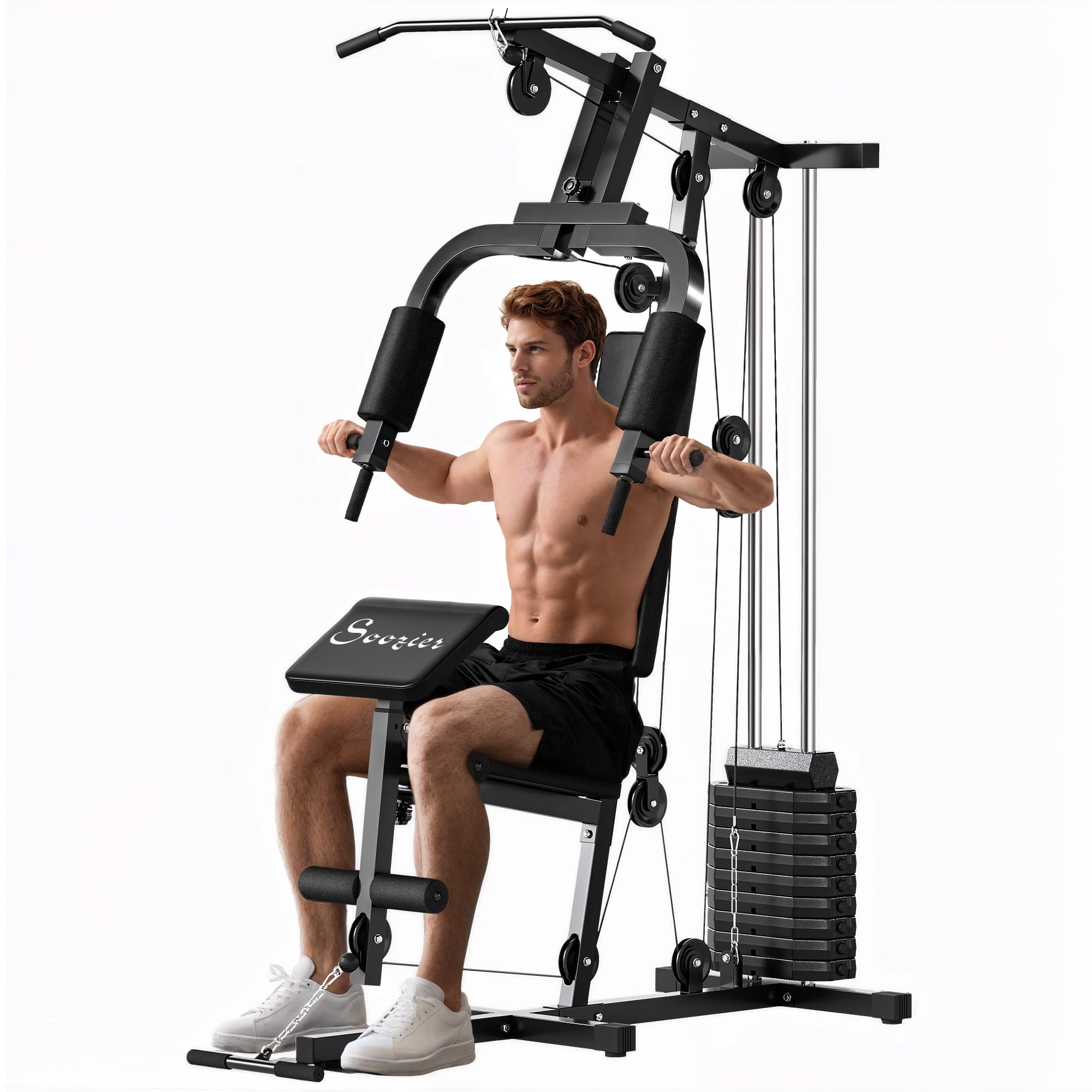
Credit: www.amazon.ca
Effective Weight Lifting Techniques
Effective weight lifting techniques are essential for building strength safely and efficiently. Using the right methods helps prevent injuries and improves muscle growth. This section covers key aspects to focus on during your workouts.
Proper Form And Posture
Maintaining correct form and posture protects your body. Keep your back straight and avoid slouching. Engage your core to support your spine. Use controlled movements instead of rushing through exercises. Proper form targets muscles better and reduces strain on joints.
Breathing Techniques
Breathing correctly enhances your performance and endurance. Inhale deeply before lifting the weight. Exhale slowly while exerting force. This pattern helps stabilize your core and increases oxygen flow. Avoid holding your breath to prevent dizziness or fatigue.
Repetition And Sets
Repetitions and sets define your workout intensity and volume. Choose a weight that challenges you but allows proper form. Perform 8 to 12 repetitions per set for muscle growth. Rest for 30 to 90 seconds between sets. Adjust the number of sets based on your fitness goals.
Creating A Balanced Workout Plan
Creating a balanced workout plan is essential for making steady progress in weight lifting. It helps you avoid plateaus, reduce the risk of injury, and ensures your muscles develop evenly. A well-rounded routine keeps you motivated and challenges your body in the right ways.
Targeting Different Muscle Groups
Focusing on one muscle group repeatedly can cause imbalances and lead to injuries. Make sure your workout hits all major muscle groups: chest, back, legs, shoulders, arms, and core.
Try splitting your routine across days—for example, work on upper body one day and lower body the next. This approach allows each muscle group enough time to recover before you train it again.
Have you noticed any weak spots in your strength? Paying attention to those areas will help you create a more effective plan.
Rest And Recovery
Rest days are just as important as your workout days. Your muscles need time to repair and grow stronger after lifting weights.
Ignoring rest can lead to fatigue and even injury. Aim for at least 48 hours between working the same muscle group.
Think about how your body feels after workouts. Are you constantly sore or tired? That might be a sign you need more recovery time.
Incorporating Cardio
Cardio workouts improve your heart health and increase endurance, which helps during weight lifting sessions. Adding 20-30 minutes of cardio a few times a week can boost your overall fitness.
You don’t have to choose between cardio and weights—they complement each other. For example, doing a light jog or cycling on rest days keeps you active without overloading your muscles.
What type of cardio do you enjoy? Picking something fun will make it easier to stick with your balanced workout plan.
Common Mistakes To Avoid
Weight lifting can transform your fitness journey, but avoiding common mistakes is key to making consistent progress and preventing injuries. Many gym-goers push too hard or skip essential steps, which can stall results or cause setbacks. Let’s break down some frequent pitfalls and how you can steer clear of them.
Overtraining
It’s tempting to hit the gym every day, thinking more is better. However, overtraining can lead to fatigue, reduced strength, and even injury. Your muscles need time to recover and grow stronger, so schedule rest days and listen to your body’s signals.
Have you ever felt worn out but pushed through anyway, only to feel weaker the next session? That’s your body telling you to slow down. Balance intense workouts with recovery to keep progressing safely.
Ignoring Warm-up And Cool-down
Skipping warm-ups or cool-downs can seem like a time saver, but it’s a huge mistake. Warming up increases blood flow to muscles, reduces injury risk, and prepares your body for lifting. Cooling down helps your heart rate return to normal and reduces muscle soreness.
- Spend 5-10 minutes on dynamic stretches or light cardio before lifting.
- After your session, stretch major muscle groups or use foam rolling.
Do you notice stiffness or soreness after workouts? Adding these steps might be the simple fix you need.
Neglecting Nutrition
Your muscles need fuel to perform and repair. Without proper nutrition, your efforts in the gym won’t yield the best results. Protein supports muscle growth, carbs provide energy, and fats help hormone balance.
Think about your last workout day. Did you eat enough protein or carbs? If not, your body may struggle to recover or gain strength. Aim to eat balanced meals around your workouts to maximize gains.
Tracking Progress
Tracking progress in weight lifting is essential to stay motivated and see real improvement. Without monitoring your workouts, it’s easy to lose direction or miss out on gains. Keeping a clear record helps you understand what works and where you need to push harder.
Maintaining A Workout Journal
Writing down your workouts might sound old school, but it’s one of the most effective ways to track progress. Note the weights, reps, and sets you complete each session. Over time, you’ll spot patterns—maybe you’re consistently stronger on certain exercises or need to focus on others.
I once kept a simple notebook for a month and realized I was skipping warm-ups. That small insight helped me avoid injuries and lift heavier safely. Your journal can also include how you felt during workouts, which helps identify days when rest is needed.
Setting Realistic Goals
Goals give your training purpose and a target to aim for. Make sure your goals are specific and achievable, like adding 5 pounds to your bench press in four weeks. Unrealistic goals only lead to frustration and burnout.
Ask yourself: Are you focusing on strength, endurance, or muscle size? Setting clear priorities helps tailor your workouts and track progress meaningfully. Break larger goals into smaller milestones and celebrate each win to keep motivation high.
Using Technology And Apps
Technology can simplify tracking and add precision to your workouts. Apps like Strong or MyFitnessPal let you log exercises, weights, and reps quickly. Some even offer progress graphs and reminders to keep you consistent.
Wearable devices can monitor your heart rate and calories burned, giving you deeper insights into your overall fitness. Have you tried using an app or device during your workouts? It might reveal trends you hadn’t noticed before.

Credit: www.ebay.ca
Frequently Asked Questions
What Gym Equipment Is Best For Weight Lifting Beginners?
Beginners should start with dumbbells, barbells, and resistance machines. These provide controlled movements and adjustable weights. They help build strength safely and improve form gradually.
How Often Should I Use Weight Lifting Equipment Weekly?
For muscle growth, use weight lifting equipment 3 to 4 times per week. Allow rest days between sessions for recovery. Consistency is key to seeing strength improvements.
What Are The Benefits Of Using Free Weights Vs Machines?
Free weights improve balance and engage more muscles. Machines provide guided motion, reducing injury risk. Combining both offers a balanced and effective workout routine.
How Do I Choose The Right Weight For Lifting?
Select a weight you can lift with proper form for 8-12 reps. It should challenge muscles but not cause strain. Gradually increase weight as strength improves.
Conclusion
Choosing the right gym equipment helps improve weight lifting results. Simple tools like dumbbells and barbells work well for most people. Consistency and proper form matter more than fancy machines. Start with light weights and increase slowly to avoid injuries.
Remember, patience and effort bring steady progress. Keep your goals clear and enjoy the process. Stay active and make weight lifting part of your routine. Stronger muscles and better health will follow.







