
Are you ready to take your workouts to the next level? Understanding the different gym equipment types can make a huge difference in how effective and enjoyable your exercise routine becomes.
Whether you want to build strength, improve endurance, or simply stay active, choosing the right equipment is key. You’ll discover the main types of gym gear and how each one can help you reach your fitness goals faster. Keep reading, and get ready to transform your workout experience!

Credit: www.yanrefitness.com
Cardio Machines
Cardio machines are essential for heart health and burning calories. They provide an effective way to enhance cardiovascular fitness. Each machine offers unique benefits and caters to different fitness levels. Let’s explore the most popular cardio equipment available in gyms.
Treadmills
Treadmills simulate walking, jogging, or running indoors. They are user-friendly and adjustable for various speeds and inclines. Treadmills help improve endurance and strengthen leg muscles. They are ideal for any weather, ensuring consistent workouts.
Ellipticals
Ellipticals offer a low-impact workout. They are gentle on joints and perfect for those with joint issues. The smooth motion mimics natural walking or running. Ellipticals engage both upper and lower body muscles.
Stationary Bikes
Stationary bikes provide a great cardiovascular workout. They are excellent for building leg strength. Bikes come in upright and recumbent styles. Each offers different seating positions and levels of comfort.
Rowing Machines
Rowing machines offer a full-body workout. They target legs, arms, and core muscles. Rowers are effective for improving cardiovascular endurance. They simulate the action of rowing a boat and are great for burning calories.
Strength Training Equipment
Strength training equipment plays a vital role in building muscle and improving overall fitness. This gear helps target specific muscle groups and boosts endurance. It suits beginners and experts alike, offering various options to suit different workout styles.
Using the right equipment can make exercises safer and more effective. It also adds variety to workouts, keeping routines interesting and motivating.
Free Weights
Free weights include dumbbells, barbells, and weight plates. They allow natural movement and engage multiple muscles. These weights improve balance and coordination. Users can adjust the weight to fit their strength level. Free weights work well for exercises like squats, presses, and curls.
Weight Machines
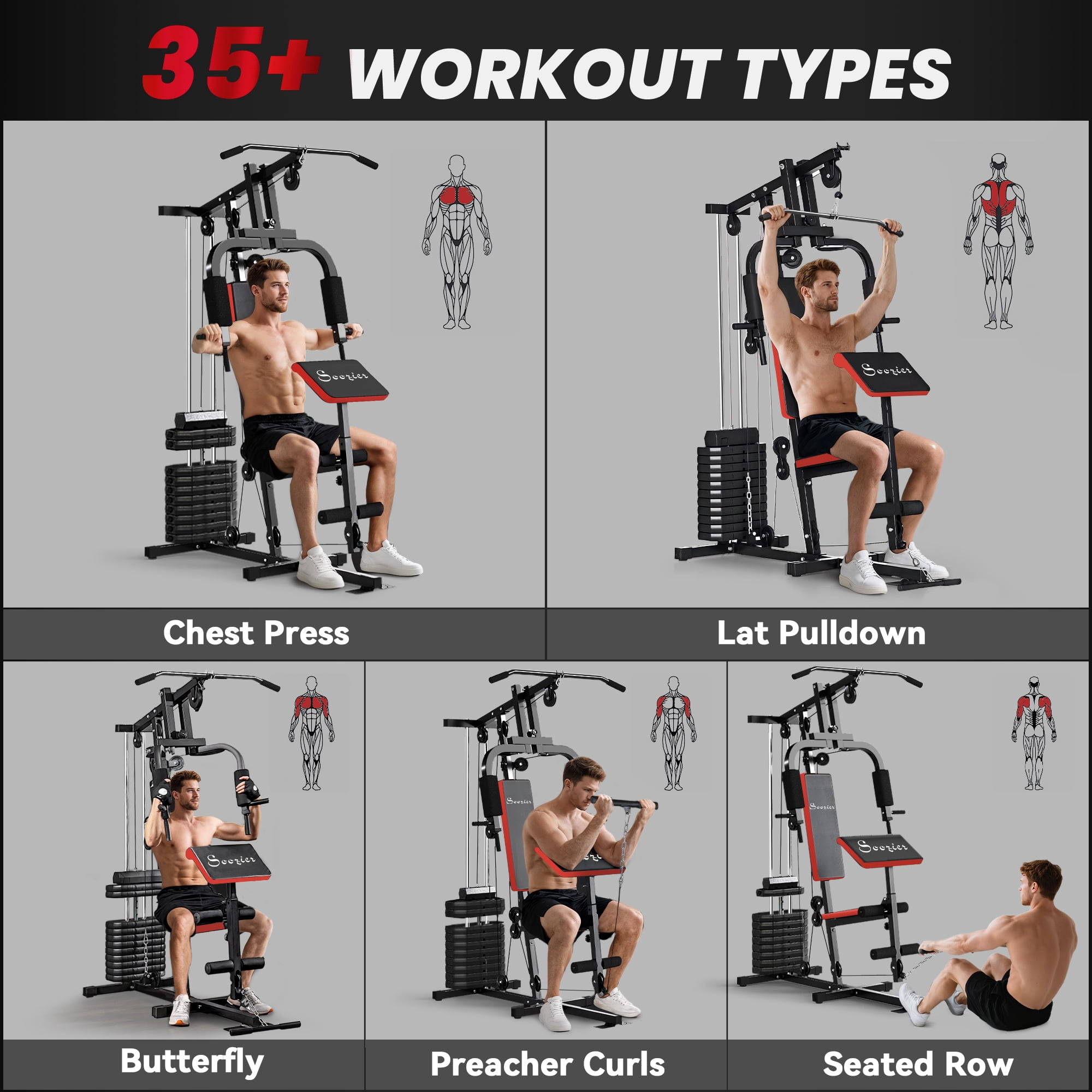
Weight machines guide your motion through fixed paths. They provide support and reduce injury risk. These machines are easy to use, making them ideal for beginners. They target specific muscles precisely. Common machines include leg presses, chest presses, and lat pulldowns.
Resistance Bands
Resistance bands are elastic bands that add tension during exercises. They are lightweight and portable. Bands come in various resistance levels for different strengths. They help improve muscle tone and flexibility. These bands suit rehabilitation and home workouts perfectly.
Kettlebells
Kettlebells are cast iron weights with handles. They combine strength and cardio training in one. Kettlebell exercises improve power, balance, and endurance. Movements like swings and snatches engage the whole body. They are versatile tools for dynamic workouts.
Functional Training Tools
Functional training tools help improve strength, balance, and coordination. They mimic real-life movements and enhance overall fitness. These tools engage multiple muscles and promote natural body motion. Using functional tools boosts athletic performance and daily activity ease.
Medicine Balls
Medicine balls are weighted balls used for strength and power exercises. They come in various sizes and weights. You can throw, catch, or slam them to train muscles. Medicine balls improve core strength and hand-eye coordination.
Battle Ropes
Battle ropes are thick, heavy ropes anchored to a point. You move them in waves, slams, or circles to build endurance. They work arms, shoulders, and core together. Battle ropes also increase heart rate quickly for cardio benefits.
Trx Suspension Trainers
TRX suspension trainers use straps and handles for bodyweight workouts. You adjust your body angle to change difficulty. TRX trains strength, balance, and flexibility at once. It is easy to use anywhere with a strong anchor point.
Plyometric Boxes
Plyometric boxes are sturdy platforms for jump training. They come in different heights for various skill levels. Jumping on and off these boxes improves power and agility. Plyometric boxes help develop fast, explosive leg muscles.

Credit: insights.made-in-china.com
Flexibility And Recovery Gear
Flexibility and recovery gear plays a crucial role in enhancing your workout routine. These tools help reduce muscle soreness, improve range of motion, and speed up recovery after intense exercise. Investing time in recovery gear can make your workouts more effective and keep you injury-free.
Foam Rollers
Foam rollers are simple yet powerful tools that target muscle tightness and knots. Rolling over sore areas increases blood flow and breaks up muscle adhesions. You can use a foam roller before or after workouts to ease tension and improve flexibility.
Have you noticed how a few minutes with a foam roller can make your muscles feel looser? Try focusing on your calves or IT bands, which often get tight but are hard to stretch properly.
Stretching Straps
Stretching straps help you achieve deeper stretches safely. They provide extra reach and control, especially when working on hamstrings, shoulders, or hips. Using a strap allows you to hold stretches longer without strain, improving your flexibility over time.
If you struggle to touch your toes or hold poses, a stretching strap can be a game changer. It encourages proper form and helps you gradually increase your stretch limits.
Massage Guns
Massage guns deliver targeted vibration therapy to sore muscles. They reduce pain and stiffness by promoting circulation and relaxing tight tissue. Using a massage gun after workouts can speed up recovery and prepare your body for the next session.
Ever felt like your muscles just won’t relax after a hard workout? A quick session with a massage gun can melt away that tension. Just remember to adjust the intensity to suit your comfort level.
Choosing Equipment For Your Goals
Choosing the right gym equipment depends heavily on what you want to achieve. Your goals will guide you to the most effective tools, saving time and avoiding frustration. Think about what motivates you and what results you expect. This focus helps you pick gear that keeps you engaged and progressing.
Weight Loss
If shedding pounds is your aim, cardio machines like treadmills, ellipticals, and stationary bikes are excellent choices. These tools help burn calories efficiently and improve heart health. Adding a jump rope or rowing machine can keep workouts varied and fun, making it easier to stick with your routine.
Have you noticed how steady-paced cardio helps you stay consistent? That consistency is key for weight loss. Don’t forget to combine cardio with some light resistance training; it boosts metabolism and preserves muscle.
Muscle Building
For muscle growth, focus on resistance equipment such as free weights, weight machines, and resistance bands. Free weights offer versatility and challenge your stabilizer muscles, while machines provide controlled movement, which is great for beginners. Mixing both can speed up your progress and prevent plateaus.
Think about your favorite exercises and find equipment that supports those movements. Isolate muscle groups with machines or target multiple muscles with compound free weight lifts like squats and deadlifts. Do you track your progress? Using adjustable weights helps you increase resistance gradually, which is crucial for muscle gain.
Endurance Training
Endurance requires equipment that supports prolonged activity and builds stamina. Rowing machines, spin bikes, and stair climbers push your cardiovascular and muscular endurance. These tools allow you to pace yourself and monitor performance over time.
Have you tried interval training on these machines? Alternating high and low intensity can boost endurance more quickly than steady-state exercise. Endurance training gear often includes monitors to track heart rate and distance, helping you stay in the right zone.
Rehabilitation
If you’re recovering from an injury, choose equipment designed for gentle, controlled movements. Resistance bands, light dumbbells, and balance trainers offer safe ways to rebuild strength and mobility. Machines with guided motion are ideal because they reduce the risk of improper form.
Pay attention to how your body feels during each exercise. Rehabilitation is about progress without pain. Consulting with a physical therapist can help tailor your equipment choices to your specific needs and speed up recovery.
Safety Tips For Using Gym Equipment
Using gym equipment safely is essential to avoid injuries and get the most from your workout. Paying close attention to safety tips not only protects your body but also helps you build confidence with each exercise session. Are you certain you’re using your gym machines and weights the right way?
Proper Form
Maintaining proper form is the cornerstone of safe gym equipment use. Poor posture or incorrect movements can lead to strains or long-term damage.
Focus on controlled, deliberate motions rather than rushing through reps. If you’re unsure about the correct technique, don’t hesitate to ask a trainer or watch instructional videos.
Remember, lifting heavier weights with bad form is more harmful than lifting lighter weights correctly. Your body will thank you for prioritizing form over ego.
Warm-up And Cool-down
Starting your workout without warming up is like driving a car without letting the engine warm—it increases the risk of injury. Spend at least 5 to 10 minutes doing light cardio or dynamic stretches before using any gym equipment.
Cooling down after your session helps your muscles recover and reduces soreness. Incorporate gentle stretches or slow-paced walking to bring your heart rate down gradually.
Think about how your body feels before and after exercise. Are you giving it enough time to prepare and recover?
Equipment Maintenance
Worn-out or poorly maintained equipment can be dangerous. Always inspect machines and weights for any damage or loose parts before use.
If you spot a broken cable, frayed belt, or unstable bench, report it immediately to gym staff. Using faulty equipment puts you at risk of accidents.
Cleaning handles and seats before and after use also prevents germs and keeps your workout environment safe and pleasant.
Credit: www.walmart.ca
Frequently Asked Questions
What Are The Most Common Types Of Gym Equipment?
Common gym equipment includes treadmills, dumbbells, barbells, stationary bikes, rowing machines, and resistance bands. Each targets different muscle groups and fitness goals.
How Does Cardio Equipment Benefit Overall Health?
Cardio machines like treadmills and bikes improve heart health, increase stamina, and help burn calories efficiently. They support weight loss and boost endurance.
Which Strength Training Equipment Is Best For Beginners?
Dumbbells and resistance bands are ideal for beginners. They allow controlled movements and gradual strength building without heavy weights.
Can Gym Machines Help With Muscle Toning?
Yes, gym machines target specific muscles for toning. They provide controlled resistance, reducing injury risk and improving muscle definition effectively.
Conclusion
Choosing the right gym equipment helps you reach fitness goals. Each type serves a different purpose and suits different needs. Free weights build strength and improve balance. Machines guide your movements for safer workouts. Cardio equipment boosts heart health and burns calories fast.
Mixing equipment keeps workouts fun and effective. Start small, then add more tools as you progress. Stay consistent and enjoy the journey to better health. Fitness is for everyone, with equipment to match every style. Keep moving and stay motivated!







