
Are you ready to take your workouts to the next level? Understanding gym equipment training can be the game-changer you’ve been looking for.
Whether you’re new to the gym or want to make your sessions more effective, knowing how to use the right equipment can boost your strength, improve your form, and help you reach your fitness goals faster. This guide will walk you through everything you need to know, so you can feel confident and get the most out of every workout.
Keep reading—your best workout is just ahead!
Credit: www.walmart.ca
Choosing The Right Equipment
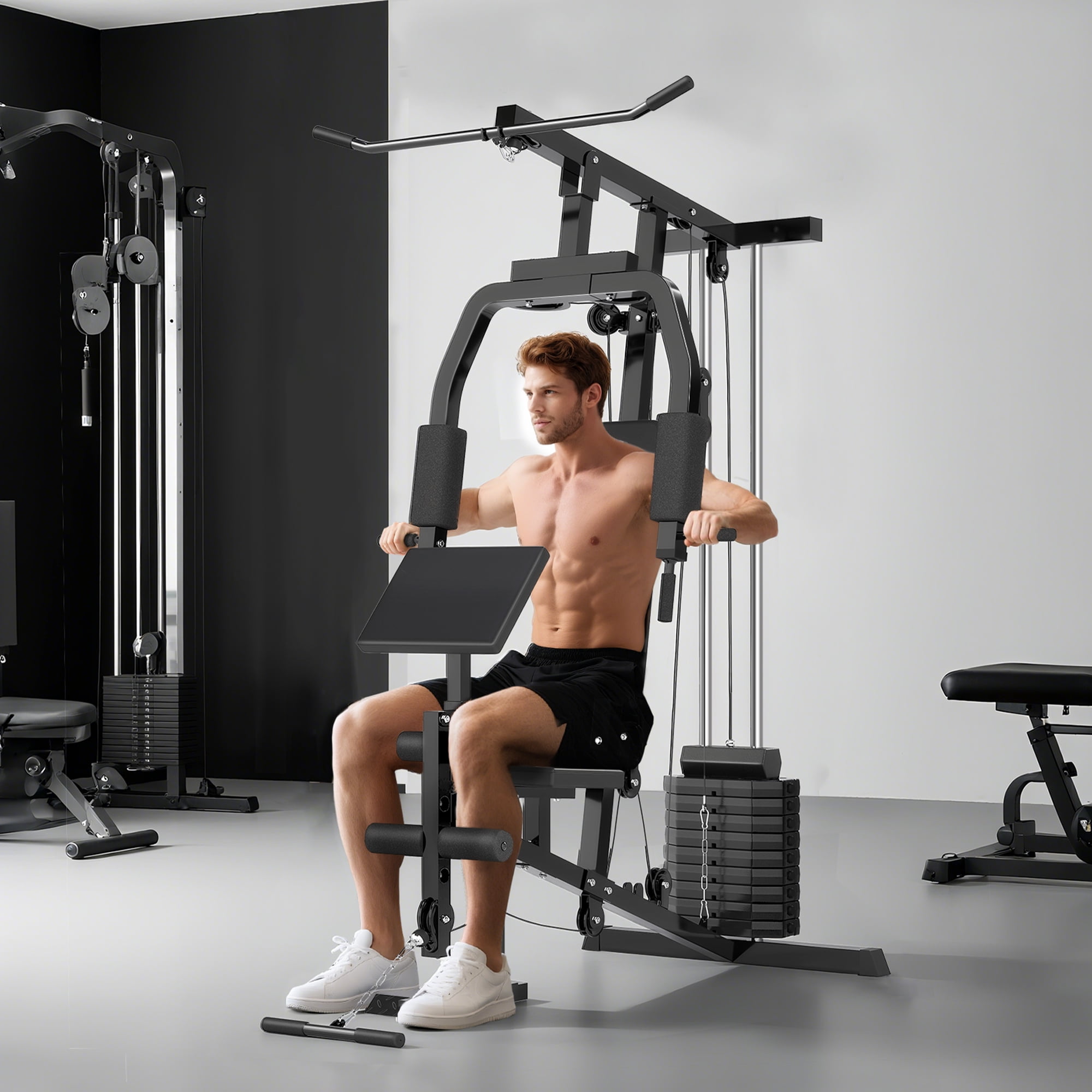
Choosing the right gym equipment can make a huge difference in how effective and enjoyable your workouts are. The right tools help you target your goals efficiently, reduce the risk of injury, and keep you motivated to push further. Think about what fits your fitness level, space, and personal preferences before making a decision.
Free Weights Vs Machines
Free weights like dumbbells and barbells offer a natural range of motion and help improve balance and coordination. They require you to engage stabilizer muscles, which can lead to better overall strength.
Machines guide your movements and can be safer for beginners or those recovering from injury. They isolate specific muscles, making it easier to focus on weak areas.
Ask yourself: do you want to build functional strength or prefer controlled, focused exercises? Mixing both can provide variety and balanced development.
Cardio Machines Essentials
Cardio machines like treadmills, ellipticals, and stationary bikes are great for improving heart health and burning calories. Each offers different benefits; treadmills mimic walking or running, ellipticals reduce joint impact, and bikes target lower body endurance.
Consider your joints, fitness level, and workout goals. If you struggle with knee pain, an elliptical or bike might suit you better than a treadmill.
Which cardio machine would you enjoy using regularly? Consistency beats intensity if you want long-term results.
Functional Training Tools
Functional training tools such as kettlebells, resistance bands, and medicine balls help improve real-world movement and overall fitness. They challenge multiple muscle groups and enhance flexibility, strength, and coordination.
These tools are versatile and space-efficient, perfect if you have limited room or want to add variety to your workouts.
Have you tried integrating functional tools into your routine? You might be surprised how much they boost your daily performance and injury prevention.
Setting Up Your Workout
Choose gym equipment that matches your fitness goals and skill level. Begin with simple machines before moving to free weights for better control and safety. Plan your workout space to allow easy movement and proper use of each machine.
Setting up your workout is crucial for effective gym sessions. Begin by understanding the types of exercises that suit your goals. A well-structured workout plan boosts your fitness journey. Let’s explore how to set up an effective workout.Creating Balanced Routines
Balanced routines ensure all muscle groups are engaged. This prevents muscle imbalances and injuries. Plan exercises that cover strength, endurance, and flexibility. Include both compound and isolation movements. For instance, pair squats with bicep curls. Balance helps in achieving overall fitness.Targeting Muscle Groups
Focus on specific muscle groups during each session. This approach allows muscles time to recover. Dedicate days for different muscles, like legs or arms. Use equipment like dumbbells for targeting specific areas. This strategy maximizes muscle growth and strength.Incorporating Warm-ups And Cool-downs
Always start with warm-ups to prepare your body. They increase blood flow to muscles. Simple activities like jogging or jumping jacks work well. After your workout, cool down with stretches. This reduces muscle soreness and aids recovery. Warm-ups and cool-downs are essential for a complete workout.Using Equipment Safely
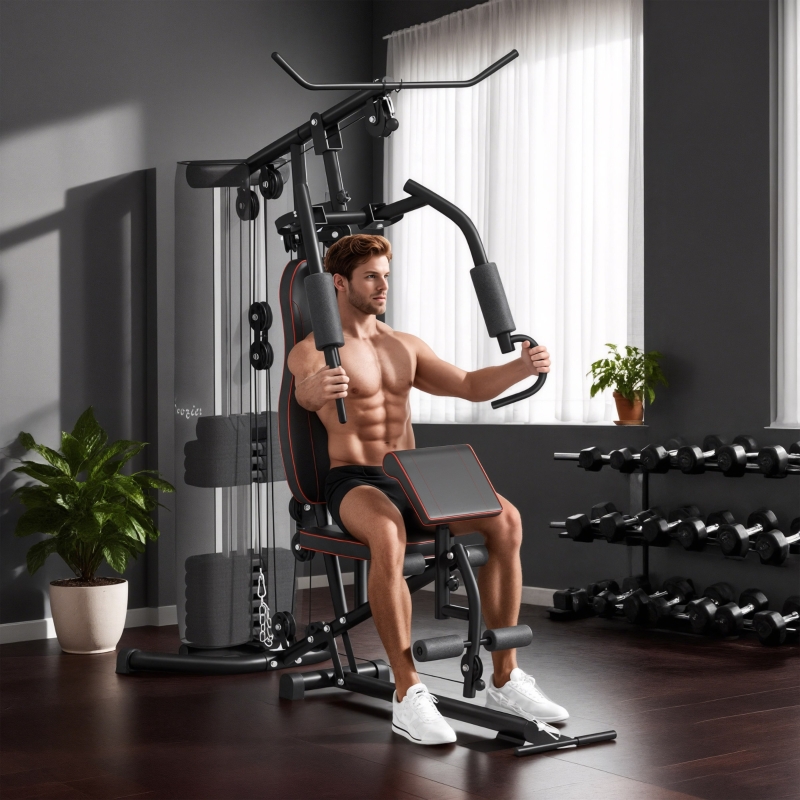
Using gym equipment safely is essential for a good workout. It helps prevent injuries and makes your training more effective. Learning the right way to use machines and weights protects your body. Safety also means respecting the gym space and others around you.
Proper Form And Technique
Always focus on your posture during exercises. Keep your back straight and avoid locking your joints. Use slow, controlled movements to work muscles properly. Start with light weights to learn the right technique. Watching yourself in a mirror can help improve form. Ask a trainer for guidance if unsure.
Common Mistakes To Avoid
- Using too much weight too soon
- Ignoring warm-up and stretching
- Holding breath during lifts
- Relying on momentum instead of muscle power
- Not adjusting equipment to fit your body
- Skipping proper grip or foot placement
These errors increase the chance of injury. Correcting them leads to better results and safer workouts.
Maintenance And Hygiene Tips
Clean equipment before and after use with gym wipes. Use a towel to cover benches and seats. Report broken machines to staff immediately. Wear clean gym clothes and proper shoes. Avoid sharing personal items like water bottles or towels. Keeping equipment clean protects you and others.
Credit: www.aosom.ca
Maximizing Strength Training
Maximizing strength training requires more than just lifting weights. It involves smart planning and consistent effort. Proper techniques, gradual progress, and rest all play vital roles. This section breaks down key elements for better results.
Effective Weightlifting Strategies
Focus on form to prevent injuries and target muscles effectively. Use controlled movements and avoid rushing through exercises. Choose exercises that work multiple muscle groups for overall strength. Balance your routine with pushing and pulling movements. Track your performance to stay motivated and improve.
Progressive Overload Methods
Gradually increase the weight or resistance to challenge your muscles. Increase reps or sets step-by-step without sacrificing form. Change exercise variations to avoid plateaus. Use tools like weight plates or resistance bands to add difficulty. Keep a training log to monitor progress and plan increases.
Recovery And Rest Periods
Allow muscles time to repair and grow after workouts. Take rest days between heavy lifting sessions. Get enough sleep for muscle recovery and energy. Use light activity or stretching on rest days to reduce stiffness. Avoid overtraining to prevent fatigue and injury.
Boosting Cardio Workouts
Boosting your cardio workouts can transform your fitness routine and help you reach your health goals faster. Using gym equipment effectively allows you to push your limits, track progress, and keep your sessions engaging. Let’s dive into ways you can make every cardio session count and see real improvements.
Interval Training On Machines
Interval training is a powerful way to increase the intensity of your cardio workouts. Switch between high-intensity bursts and recovery periods on machines like treadmills, ellipticals, or stationary bikes. This approach not only burns more calories but also improves your endurance and speed.
Try sprinting for 30 seconds, then walking for 1 minute. Repeat this cycle for 15-20 minutes. You’ll notice how your heart rate spikes and recovers, challenging your cardiovascular system effectively.
Monitoring Heart Rate
Keeping an eye on your heart rate helps you train smarter, not harder. Most gym machines have built-in heart rate monitors, or you can use a wearable device. Aim to stay within your target heart rate zone to maximize fat burning and cardiovascular benefits.
Ask yourself, “Am I pushing too hard or not enough?” If your heart rate is too low, increase your pace or resistance. If it’s too high, slow down to avoid overtraining and injury.
Combining Cardio With Strength
Adding strength exercises into your cardio routine enhances overall fitness and boosts metabolism. You can alternate between cardio machines and weight training stations or use equipment like kettlebells and medicine balls during breaks.
This mix helps build muscle while improving heart health. Have you tried doing a set of squats or push-ups between treadmill intervals? This combination keeps your workouts dynamic and more effective.

Credit: www.ebay.ca
Advanced Training Tools
Advanced training tools enhance workouts beyond traditional equipment. They improve strength, balance, and tracking. These tools offer variety and challenge. They help avoid workout plateaus and keep motivation high. Here are some popular options to consider.
Resistance Bands And Accessories
Resistance bands provide variable tension for muscles. They come in different lengths and strengths. Bands are lightweight and easy to carry anywhere. Accessories like handles and anchors increase exercise options.
- Great for strength training and stretching
- Easy to adjust resistance levels
- Suitable for all fitness levels
Resistance bands allow smooth, controlled movements. They reduce joint stress compared to heavy weights. Perfect for home workouts and rehab exercises.
Stability And Balance Equipment
Stability tools challenge core muscles and coordination. Common items include balance boards, BOSU balls, and stability discs. They improve posture, agility, and injury prevention.
- Enhance body control and muscle activation
- Useful for sports training and daily fitness
- Can be combined with weights or bands
Using balance equipment increases workout intensity. It makes simple exercises more effective.
Wearable Fitness Technology
Wearable devices track activity, heart rate, and calories burned. They provide real-time feedback and progress data. Popular options include smartwatches, fitness bands, and heart rate monitors.
- Help set and reach fitness goals
- Offer motivation through reminders and challenges
- Sync data with apps for detailed insights
Wearables make training more personalized and measurable. They fit all fitness levels and routines.
Customizing Workouts For Goals
Customizing workouts is essential for reaching fitness goals effectively. Tailoring exercises to match specific aims helps maximize results. Different goals require different approaches and equipment use. Understanding how to adjust gym equipment training can improve progress and keep routines interesting.
Weight Loss Strategies
Focus on exercises that burn a high number of calories. Use cardio machines like treadmills, ellipticals, and stationary bikes. Incorporate interval training by alternating between high and low intensity. Combine strength training to build muscle, which helps burn fat faster. Aim for longer sessions with moderate resistance and steady pace.
Muscle Building Focus
Choose weight machines and free weights to target specific muscles. Use heavier weights with fewer repetitions to promote muscle growth. Rest between sets to allow recovery and strength gain. Focus on compound exercises like squats, bench presses, and deadlifts. Track progress by increasing weight gradually over time.
Endurance Improvement
Train with machines that support sustained activity, such as rowing machines. Maintain a steady, moderate pace for longer periods. Include circuit training with light weights and quick transitions. Breathing control and rhythm are important to increase stamina. Consistency in training sessions builds endurance steadily over weeks.
Frequently Asked Questions
What Are The Best Gym Equipment For Beginners?
Beginners should start with basic equipment like dumbbells, resistance bands, and treadmills. These tools build strength safely and improve cardiovascular health. Starting simple helps prevent injuries and builds confidence in training routines.
How Often Should I Use Gym Equipment For Results?
For optimal results, use gym equipment 3-5 times weekly. Consistency and balanced workouts targeting different muscle groups enhance strength and endurance. Rest days are essential to allow muscle recovery and avoid overtraining.
What Gym Equipment Burns The Most Calories?
Cardio machines like treadmills, ellipticals, and rowing machines burn the most calories. These machines increase heart rate and engage large muscle groups, boosting metabolism. Combining cardio with strength training maximizes fat loss and overall fitness.
How Do I Maintain Gym Equipment At Home?
Regularly clean equipment with disinfectant wipes and check for wear or damage. Lubricate moving parts and tighten bolts to ensure safety. Proper maintenance extends equipment life and ensures effective workouts.
Conclusion
Choosing the right gym equipment helps build strength and stay healthy. Regular workouts improve energy and mood. Start with basic machines and add new tools over time. Keep a steady routine for best results. Listen to your body and rest when needed.
Training with gym equipment makes fitness easier and more fun. Stay patient and enjoy every small progress. Your health is worth the effort and time.







