
If you want to build a stronger back, improve your grip, and boost your overall strength, the Gym Equipment T Bar is a game-changer you need to know about. This powerful tool targets multiple muscles at once, helping you get better results in less time.
Whether you’re a beginner or a seasoned lifter, understanding how to use the T Bar correctly can transform your workouts and keep you motivated. Keep reading to discover why this piece of equipment deserves a spot in your gym routine and how it can help you reach your fitness goals faster.
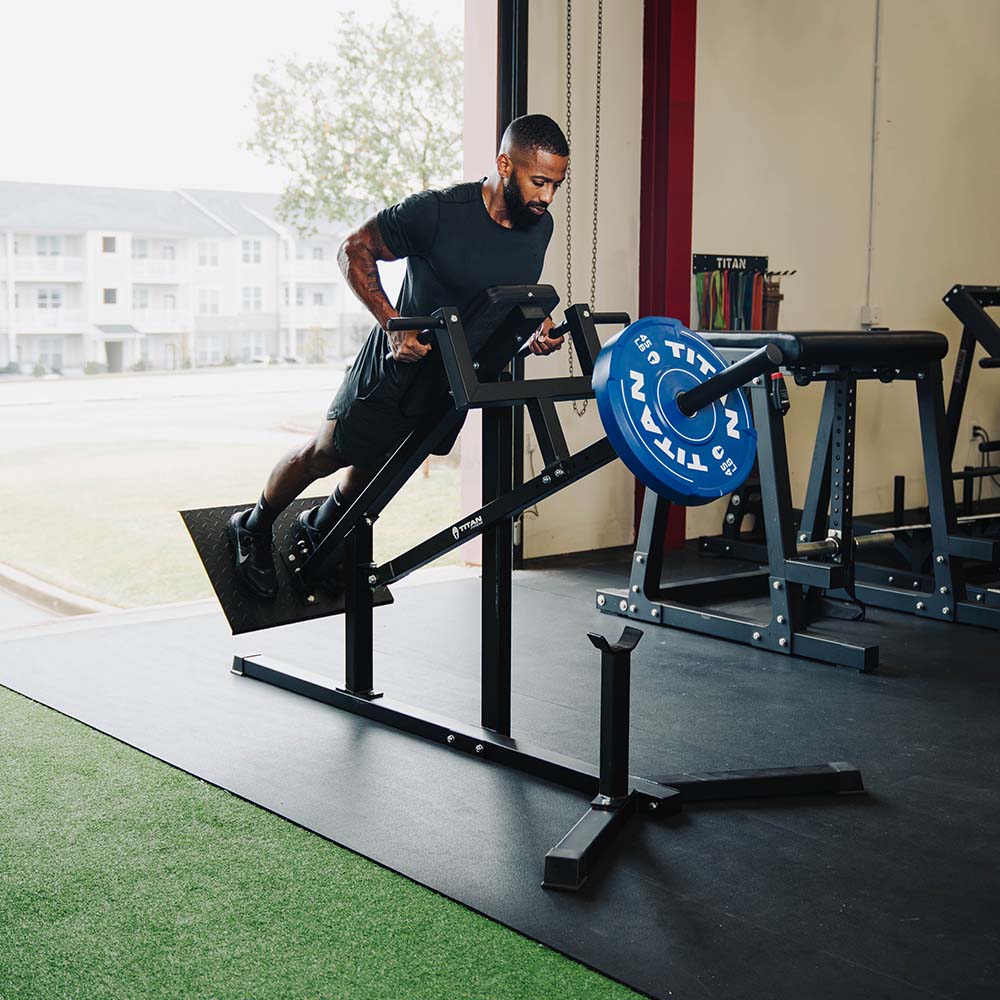
Credit: titan.fitness
Benefits Of T Bar Row
The T Bar Row is a powerful exercise for building a strong back. It targets multiple muscles, helping improve strength and shape. Using a T Bar Row machine or barbell adds stability and control during the workout. This section explores the key benefits of the T Bar Row.
Enhanced Muscle Activation
The T Bar Row engages many muscles at once. It mainly targets the middle back, including the rhomboids and traps. The exercise also activates the lats and rear shoulders. This full engagement helps build muscle evenly. It improves muscle strength and size efficiently.
Improved Posture And Stability
Performing T Bar Rows strengthens the upper back muscles. Strong upper back muscles support better posture. They help keep the shoulders back and chest open. This reduces slouching and improves spinal alignment. It also enhances core stability during movement.
Versatility In Training
The T Bar Row suits different fitness levels. You can adjust the weight to match your strength. It works well for both beginners and advanced lifters. Various grips allow targeting different muscle areas. This makes it a flexible choice for many workout plans.

Credit: www.amazon.ca
Types Of T Bar Equipment
Exploring different T Bar equipment can enhance your workout routine. Each type offers unique benefits and challenges. Understanding these can help you choose the right one for your fitness goals.
Plate-loaded Machines
Plate-loaded T Bar machines are popular in gyms. They allow you to add weight plates to increase resistance. This type suits those aiming for muscle strength. They provide a stable and controlled movement. Many find them easy to use with adjustable features. This makes them ideal for various fitness levels.
Landmine Attachments
Landmine attachments offer versatility in workouts. They connect to a barbell and a ground base. This setup allows for rotational and pressing movements. You can perform T Bar rows and other exercises. Many enjoy the freedom and range of motion they offer. They’re great for developing core strength and stability.
Free-standing T Bar Rows
Free-standing T Bar rows are simple and effective. They don’t need a machine or attachment. You place the barbell on the floor and add weights. Then, use a handle to row the bar towards you. This setup is perfect for home gyms. It requires minimal equipment and space. You can adjust the weight easily for different workouts.
Correct Form And Technique
Mastering the correct form and technique with the T Bar row is crucial for maximizing gains and preventing injuries. Every rep counts more when you focus on precision rather than just lifting heavier weights. Let’s break down what you need to do to get the most out of your workout.
Proper Grip And Stance
Your grip sets the foundation for a solid T Bar row. Use a close, neutral grip to keep your wrists and elbows aligned, which reduces strain. Experiment with a grip that feels natural, but avoid letting your hands drift too wide or too narrow.
Stand with your feet shoulder-width apart and knees slightly bent. This stance gives you balance and stability. Imagine your feet are anchors keeping you firmly grounded throughout the movement.
Back And Core Engagement
Engaging your back muscles properly is key to targeting the right areas. Focus on squeezing your shoulder blades together as you pull the bar toward your chest. This action activates your lats and traps effectively.
Don’t forget your core; it acts as a support system. Tighten your abdominal muscles to protect your spine and maintain a neutral back position. You’ll feel more control and reduce the risk of injury.
Common Mistakes To Avoid
- Rounding the Back:Keep your spine straight. Letting your back curve puts unnecessary pressure on your lower back.
- Using Momentum:Avoid swinging your body to lift the weight. This cheats the movement and increases injury risk.
- Overextending the Neck:Keep your head in line with your spine. Looking up or down too much strains your neck.
Think about your last T Bar row session—did you notice any of these mistakes creeping in? Adjusting your form now can save you from setbacks later.
Workout Plans With T Bar Row
The T Bar Row is a versatile gym equipment that targets your back muscles effectively. Designing workout plans around this tool can help you improve posture, increase strength, and build muscle mass. Whether you’re new to lifting or aiming to push your limits, structuring your routine with the T Bar Row makes a big difference.
Beginner Routine
Start with a light weight to focus on form and control. Aim for 3 sets of 10-12 repetitions with a moderate rest of 60 seconds between sets. This approach helps you learn the movement pattern and reduces the risk of injury.
Try pairing the T Bar Row with bodyweight exercises like push-ups or planks to balance your workout. How does your back feel after the first week? Adjust weights only when you can maintain proper form throughout the sets.
Advanced Strength Training
If you’ve mastered the basics, increase the weight and reduce reps to build strength. Work with 4-5 sets of 6-8 reps, resting 90 seconds to allow full recovery. This plan challenges your muscles to adapt and grow stronger.
Consider supersets by combining T Bar Rows with other pulling exercises such as pull-ups or dumbbell rows. Do you notice improved grip and back endurance after these intense sessions? Track your progress to keep motivation high.
Muscle Building Strategies
Focus on slow, controlled movements to maximize muscle tension. Use 3-4 sets of 8-12 reps with moderate to heavy weight. Rest for 60-75 seconds to keep your muscles under constant stress.
Adding variations like changing your grip or foot stance can hit different parts of your back. Have you tried mixing underhand and overhand grips? Such tweaks can prevent plateaus and make workouts more interesting.
Combining T Bar Row With Other Exercises
Combining the T Bar Row with other exercises can boost your workout efficiency and target your muscles more effectively. This approach helps you build a balanced, strong back while improving overall fitness. Let’s look at some smart ways to pair the T Bar Row with other moves that complement and enhance your routine.
Complementary Back Workouts
Pairing T Bar Rows with exercises like pull-ups and lat pulldowns targets different parts of your back. While the T Bar Row focuses on the middle back and rhomboids, pull-ups engage your lats and biceps.
Adding face pulls or reverse flys can also help activate the rear deltoids and improve shoulder stability. This combination prevents muscle imbalances and supports better posture.
- Start with T Bar Rows for heavy pulling strength.
- Add bodyweight pull-ups for endurance and grip.
- Finish with face pulls for shoulder health.
Full-body Strength Integration
Don’t limit yourself to back-only workouts. Combining T Bar Rows with compound exercises like squats or deadlifts can boost your overall strength.
This mix challenges your core and improves coordination. It’s also an efficient way to train multiple muscle groups in one session.
- Try a circuit with T Bar Rows, squats, and overhead presses.
- Focus on controlled form to avoid fatigue-related injuries.
- Use moderate weights to maintain quality reps across exercises.
Have you noticed how your grip strength improves when you switch between rows and deadlifts? It’s a simple trick to enhance performance across lifts.
Recovery And Mobility Tips
Adding mobility work after your T Bar Row sessions helps your muscles recover faster and keeps your joints healthy. Simple stretches targeting your shoulders, chest, and thoracic spine can reduce tightness.
Foam rolling your upper back also eases muscle tension and speeds up recovery. Don’t ignore rest days—active recovery like light walking or yoga supports muscle repair.
- Stretch your chest to open the front of your body.
- Perform thoracic rotations to improve back mobility.
- Use a foam roller on your upper back post-workout.
What recovery habits do you find most effective after heavy rows? Experimenting with different techniques can make a big difference in your progress.

Credit: www.amazon.ca
Maintenance And Safety Tips
Proper maintenance and safety practices are crucial for getting the most out of your Gym Equipment T Bar. Neglecting these aspects can lead to equipment damage or personal injury. Paying attention to simple care routines and safety measures ensures a longer lifespan for your gear and a safer workout environment for you.
Equipment Care
Keep your T Bar clean by wiping it down after every use. Sweat and dust can cause rust and wear on metal parts, reducing the equipment’s durability.
Regularly check for loose bolts or worn-out grips. Tightening screws and replacing grips when needed can prevent unexpected breakdowns during your workout.
Lubricate moving parts occasionally to maintain smooth motion. This prevents squeaking noises and reduces friction damage over time.
Preventing Injuries
Always warm up before using the T Bar to prepare your muscles and joints. Skipping warm-ups increases the risk of strains and sprains.
Start with lighter weights and increase gradually. Jumping into heavy lifts without proper progression can cause serious injuries.
Focus on maintaining proper form throughout each exercise. Poor technique puts unnecessary stress on your back and shoulders, which the T Bar targets intensely.
Spotting And Support
If you are lifting heavy weights, having a spotter is not just helpful but essential. A spotter can assist if you lose control or need help completing a rep safely.
Use collars or clamps to secure weights firmly on the bar. This simple step prevents plates from sliding off and causing accidents.
Consider using a lifting belt or wrist straps for extra support during your sets. These accessories can help stabilize your body and reduce injury risk during intense lifts.
Frequently Asked Questions
What Is A T Bar Gym Equipment Used For?
A T Bar gym equipment targets the back muscles, especially the lats and traps. It helps in building strength and improving posture. This machine allows for controlled, compound rowing movements, enhancing upper body muscle development effectively.
How Do You Properly Use A T Bar Row Machine?
To use a T Bar row machine, stand with feet shoulder-width apart. Bend at the hips, grip the handles firmly, and pull the bar towards your chest. Keep your back straight and engage your core for stability throughout the movement.
What Muscles Does The T Bar Row Primarily Work?
The T Bar row primarily works the latissimus dorsi, rhomboids, trapezius, and rear deltoids. It also engages the biceps and core muscles. This exercise helps in building a strong, well-defined upper back and improving overall upper body strength.
Can Beginners Safely Use T Bar Row Machines?
Yes, beginners can safely use T Bar row machines with proper guidance. Start with lighter weights to master form and technique. Gradually increase resistance to avoid injury and build strength effectively over time.
Conclusion
The T Bar gym equipment builds strong back muscles effectively. It fits well in most home and commercial gyms. Easy to use and adjust for different exercises. Helps improve posture and overall strength safely. A solid choice for those wanting better fitness results.
Try adding it to your workout routine today. You will notice progress with consistent effort. Simple gear, great benefits.







